

Living In The World is an award-winning animated music video created by Pixune Studios in collaboration with Jon Cordova. It is part of our ongoing creative partnership with Jon, through which we have produced several animated music videos together.
Directed by Hesam Javaheri, Art Director at Pixune Studios, the project explores power, money, humanity, and transformation through the story of a robot politician who begins to change after experiencing real human life.
The music video has received multiple festival recognitions, including Award Winner titles at Santa Cruz Independent Film Fest, Hollywood International Golden Age Festival, Accolade Global Film Competition, and San Francisco Arthouse Short Festival. It has also been officially listed at NYC Indie Film Fest in the Music category.
A behind-the-scenes look at Living In The World, our award-winning animated music video created with Jon Cordova and directed by Hesam Javaheri, Art Director at Pixune Studios.
Interview with Jon Cordova
1. What is the song Living In The World about from your perspective?
From Jon Cordova’s perspective, Living In The World is about a robot politician who represents many familiar and corrupt political agendas. The character dies as he experiences real humanity. The idea behind the song and video is that humans are not robots, and ultimately the human spirit can overcome robotic political outcomes.
2. What emotional message did you want listeners to feel through the song?
Jon explains that he does not try to force a specific emotion on the listener. His approach to songwriting and storytelling is to let people feel what they naturally feel. Instead of asking the audience to experience one particular emotion, he prefers to leave space for personal interpretation.
3. Why did you want this song to become an animated music video?
For Jon, animation was a strong way to present a political message without tying it to one specific political party, ideology, or country. By using animation, the story becomes more universal. It shows how power and greed can be human traits, regardless of political alignment.
4. How did you imagine the visual world of the song before production started?
Jon says he imagined the production mostly as it turned out, with a few creative surprises along the way. The final result stayed close to the world he had in mind while also allowing the animation team to bring new visual ideas into the project.
5. What does the festival recognition of the animated music video mean to you as the artist?
Jon believes festival recognition is meaningful when the music video is shown in front of live audiences. For him, live screenings create a stronger connection with viewers. Online-only festival events, in his opinion, do not promote the work in the same meaningful way.
He was also very pleased with the production quality and felt that the story elements supported the narrative of the song while still allowing room for other interpretations.

Interview with Pixune Studios’ Production and Directing Team
1. What was Pixune Studios’ role in the project?
Pixune Studios was responsible for the complete design, production, and execution of the animation and visual storytelling of the project. This included concept development, world design, art direction, motion design, and final video production.
For the team, Living In The World was not simply a music video. It was a visual allegory about power, conscience, deception, responsibility, and loneliness. Pixune’s role was not limited to production execution; the studio also acted as a creative partner in shaping the meaning of the work.
2. Why was this specific art style chosen for the project?
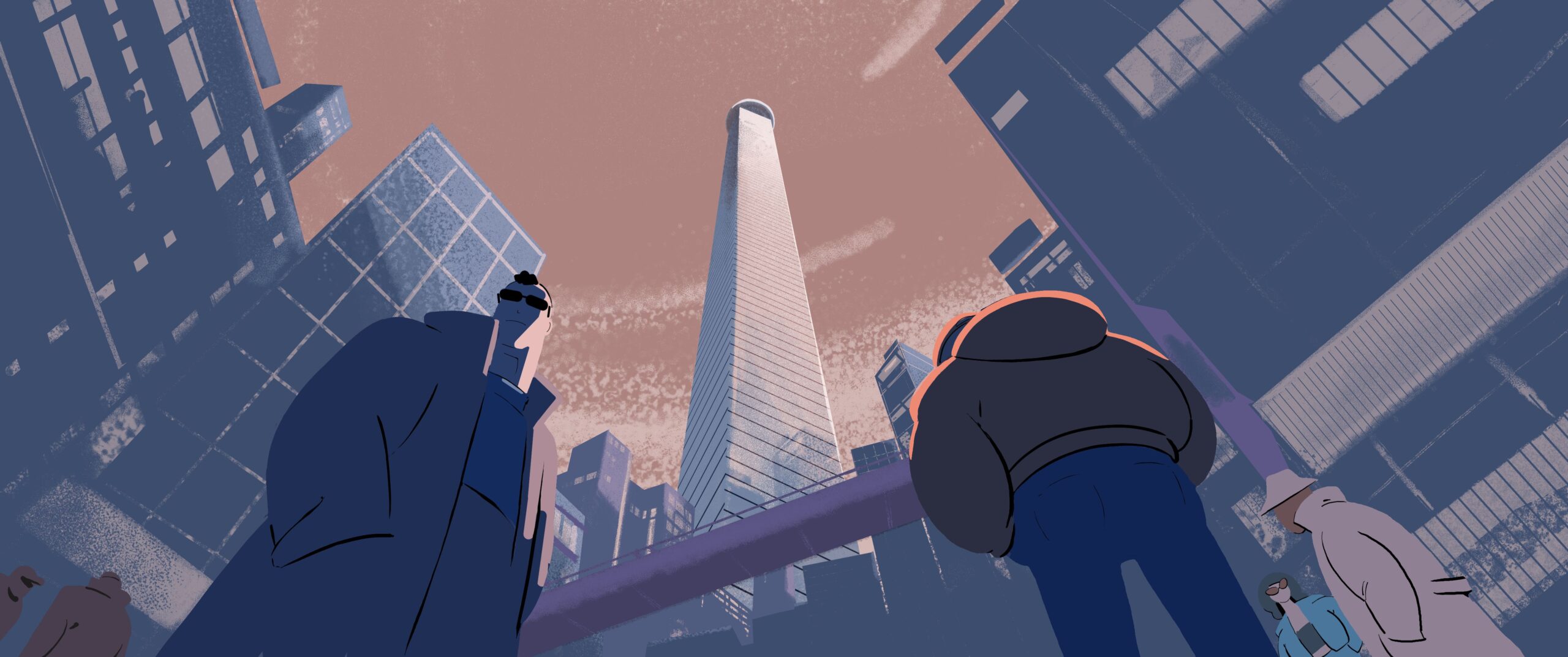
The visual style of the project combines modern minimalism, cinematic motion graphics, and futuristic design. Since the main character is a robot and the story deals with technology, power, and humanity, a clean, geometric, and controlled visual language helped communicate complex ideas without visual clutter.
Minimalism was not only an aesthetic choice. It was part of the meaning of the project. The colder, simpler, and more mechanical the world became, the more emotional impact the robot’s confrontation with human suffering could have.
3. What was the biggest artistic or technical challenge during production?
The biggest challenge was creating empathy for a character that looks like a machine. The team had to show the robot’s gradual transformation from power-seeking to regret and self-awareness without relying on human acting, dialogue, or traditional emotional details.
The team had to communicate this internal change only through image, rhythm, movement, composition, and visual pacing. Technically, it was also difficult to keep the visual style simple while still telling an emotional and understandable story.
4. How did the team make sure the animation supported the rhythm, mood, and story of the music?
The team did not treat the animation as visuals placed on top of a song. Instead, they built the visuals from within the music.
From the early stages of production, the music was treated as the main narrative foundation. The editing, visual structure, timing, and key story moments were designed around the rhythm, emotional shifts, and energy of the song. The animation was reviewed and re-edited many times to make sure the character’s emotional changes and the story’s turning points aligned with the music.
5. Was there anything the team wanted to do but could not include?
In the early stages, there were ideas to expand the world of the story and show more details of society and people’s reactions. However, because the music video had a limited duration of around four minutes, the team decided to keep the story more focused, compressed, and symbolic.
A longer version could have explored more dimensions of the world, but the final approach helped the project stay clear, concentrated, and emotionally direct.
Interview with the Scenario Writer
1. What is the main story of Living In The World?
According to the scenario writer, the music video does not have one fixed or closed meaning. There is a lot of space for personal interpretation. However, in one simple line, the story is about a robot that enters the world to control humans through money. But through the influence of human beings, the robot gradually becomes more human and eventually becomes the first seed of change.
2. Why was a robot politician chosen as the main character?
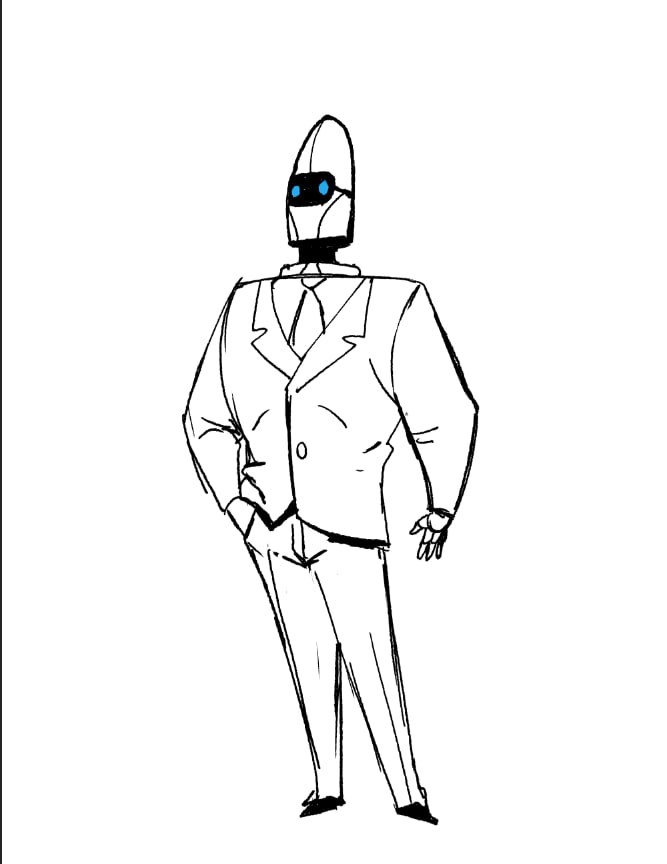
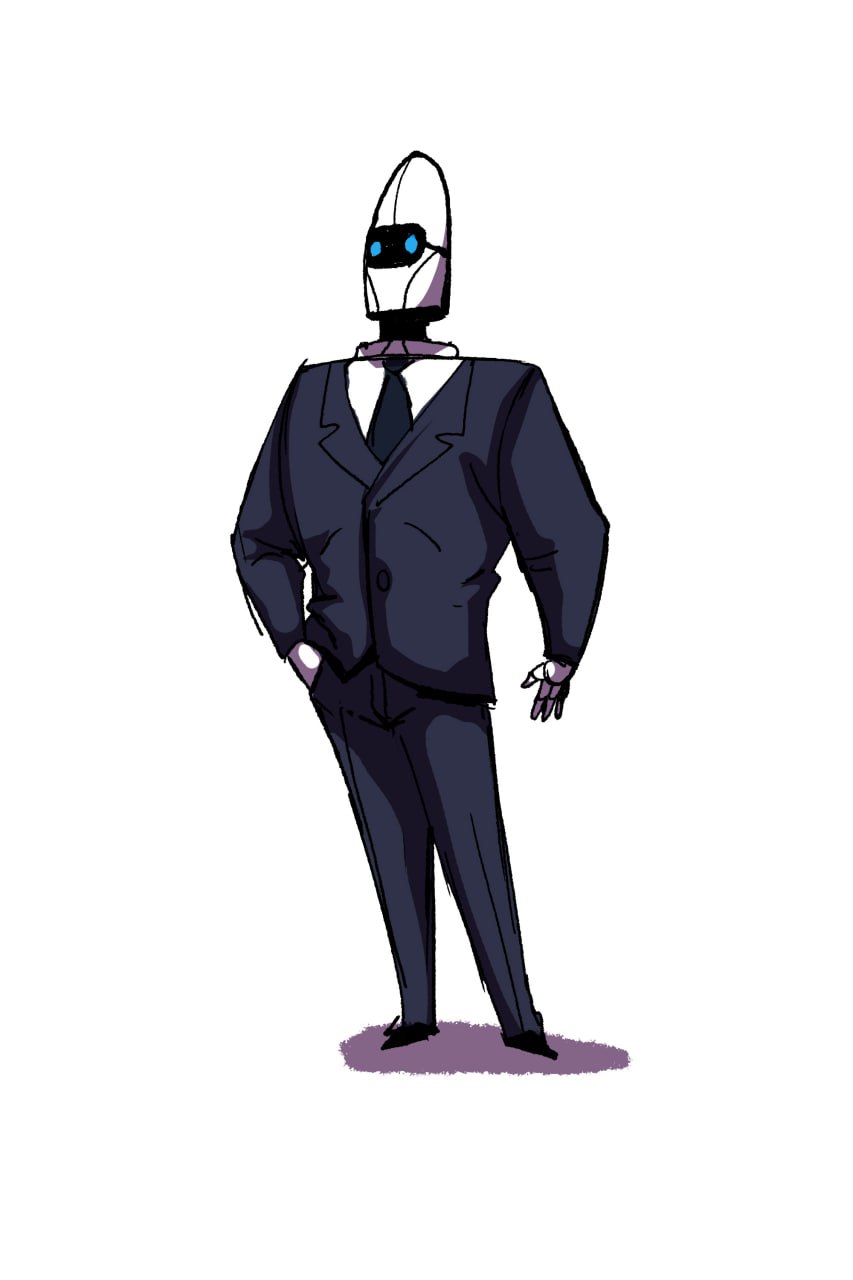
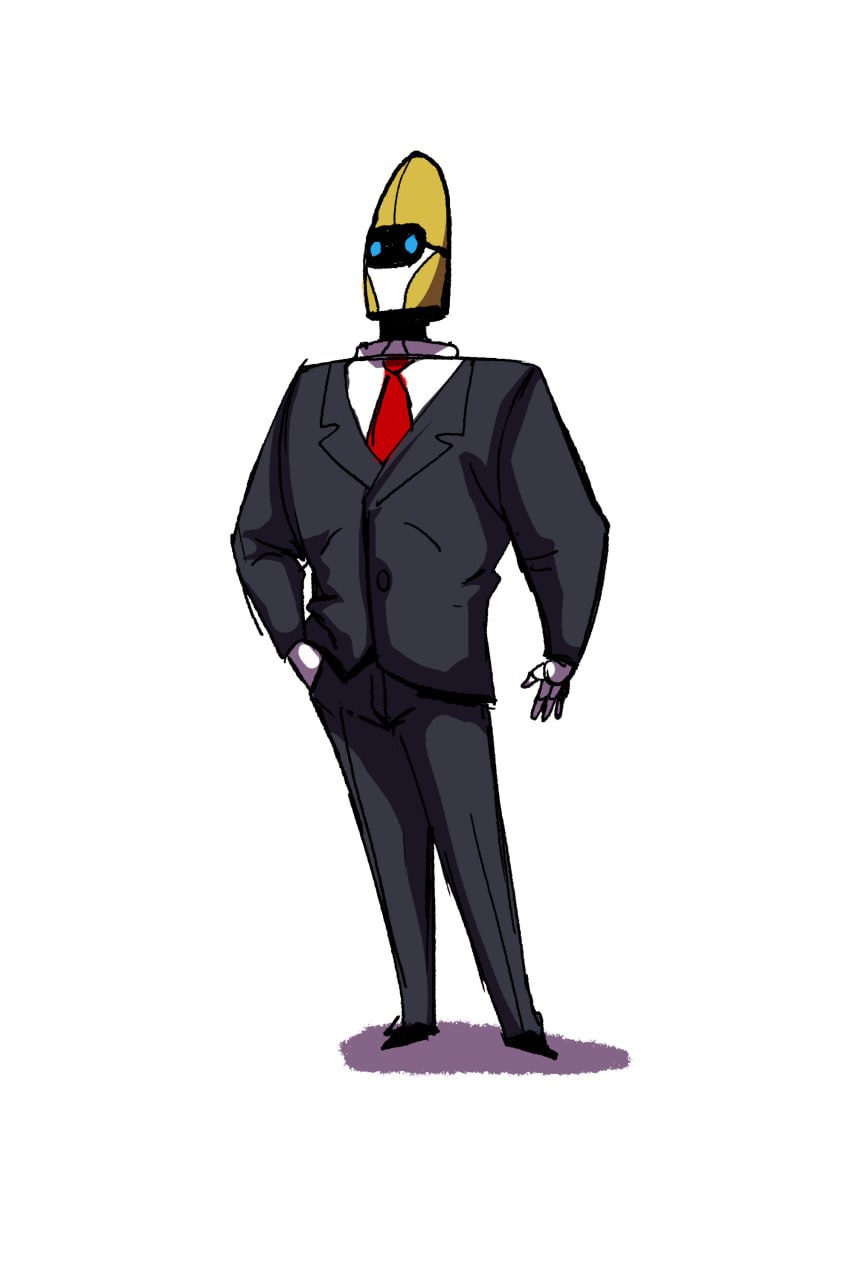
The idea was to show what a politician can become when all human emotions are removed. At the highest level of power, if a politician acts completely mechanically and without empathy, he can be reduced to a robot that simply follows the commands of a system.
3. What does the robot politician represent in the story?
The writer intentionally avoids using the word “symbol” too directly. Instead, the robot politician can be understood as the mechanical form of an idea. The concept of robots or automatons is very old and even appears in ancient mythology, such as Talos, the bronze automaton created by Hephaestus in Greek mythology.
For the writer, the point is not only symbolism. The more important idea is that even robots can change when they face reality.
4. What themes did you want to explore through the scenario?
One of the writer’s inspirations was the transformation of Siddhartha before becoming Buddha. Siddhartha changes after facing the real world and seeing suffering. In a similar way, the important idea in this story is “seeing the world” as it really is, with all its beauty and cruelty.
The story explores the possibility of personal choice. Even if the character is a robot, once it sees the truth of the world, it can still choose to change.
5. How did you connect the story of the music video to the mood, lyrics, and message of the song?
The story was shaped through long conversations with Jon Cordova. Different versions of the scenario were developed, shared, discussed, and improved through feedback.
The Living In The World lyrics deal with the divisions and inequalities of the world, especially the deep inequality intensified by money. The scenario tries to show this gap while also keeping a sense of hope. That hope comes from seeing reality clearly and choosing to change in order to confront inequality.
Closing Note
Living In The World became a meaningful collaboration because each side brought a different layer to the project. Jon Cordova brought the song, message, and emotional openness. The scenario writer developed a story that leaves room for interpretation while exploring inequality, power, and transformation. Pixune Studios shaped these ideas into a visual world through animation, art direction, motion design, and cinematic storytelling.
The result is an animated music video that works not only as a companion to the song, but also as a short-form narrative film with its own identity, message, and festival life.
Client Testimonial: Jon Cordova