If you are a project manager, you have likely been there: a creative project starts with a clean, attractive estimate, only to finish with a flurry of “change orders,” format surcharges, and surprise licensing fees. In animation, where pipelines are highly technical and split into multiple specialized phases, budget transparency is often the first thing to break.
Being blindsided by unexpected charges does more than hurt your bottom line, it erodes stakeholder trust and derails your schedule. To keep your budget airtight, you need to know exactly where these hidden costs hide and how to neutralize them before production starts.
Common Line Items Clients Overlook
The most frequent source of budget creep is a lack of alignment on what is actually included in the initial quote. Animation is not a single, continuous task; it is a series of independent technical steps. If a proposal simply says “1-Minute 3D Animation,” you must ask which of the following mandatory pipeline phases are covered:
1. Pre-Production Assets:
Storyboarding and animatic creation are the foundation of any project. Skipping these to save money always leads to expensive re-animation costs later.
2. Asset Prep & Rigging:
Simply having a character design is not enough. To animate a character, it must undergo 3D character modeling, 3D sculpting, 3D texturing, and 3D rigging (adding a digital skeleton). If rigging or retopology are charged as separate line items, your budget will quickly balloon.
3. Rendering and Post-Production:
The computational power and time required for 3D rendering can be massive. Ensure rendering, retopology, and final compositing are explicitly bundled into your flat rate.
When these items are treated as “add-ons” rather than core components of a full-service 3D animation studio pipeline, project managers are left holding the bill for assets they assumed were already covered.
Read More: How to Partner with an Animation Studio
Revision and Scope-Creep Costs
Revisions are a natural part of the creative process, but in animation, they can be incredibly costly. A simple note like “make the character jump higher” sounds minor, but if that character has already been rigged, animated, and rendered, that single edit requires backtracking through multiple stages of the pipeline.
Without clear guardrails, revision cycles will rapidly consume your contingency budget. To protect yourself:
1. Look for Built-in Revisions:
Elite studios proactively protect your budget by integrating changes into the initial scope. For example, some studios allocate up to 20% of the initial scope for revisions, modifications, and new requests at no additional cost. This allows you to integrate feedback without triggering a barrage of unexpected fees.
2. Establish Milestones:
Ensure your contract states that signing off on a milestone (like storyboarding) locks in that phase. Changes made to storyboards after animation has begun should be clearly scoped so you can weigh the cost-benefit of the request.
Licensing, Music, and Delivery Format Fees
Another major budget trap occurs at the very end of production. You might receive a beautiful final video file, only to realize you do not have the rights to the background track, or that you need the assets delivered in a different format for an alternate marketing channel.
Before signing, ensure you have absolute clarity on:
1. Music and Audio Licensing:
Creating a soundtrack or utilizing voiceover talent requires clear commercial usage rights. Always confirm if music composition, mixing, or sound licensing is included in the base price.
2. Delivery Formats & Aspect Ratios:
Social media campaigns require multiple crops (such as 16:9 for YouTube, 9:16 for TikTok, and 1:1 for Instagram). If you do not specify these deliverables upfront, a studio may charge you individual rendering and formatting fees for each variation.
3. Source File Ownership:
Do you own the raw character models, textures, and rigging files? Retaining ownership of these source files allows your team to reuse assets for future campaigns without paying a “release fee” to the vendor.
Proof in Action: How Other Brands Navigated This
To see how real-world project managers and producers manage budget integrity, look at these peer experiences:
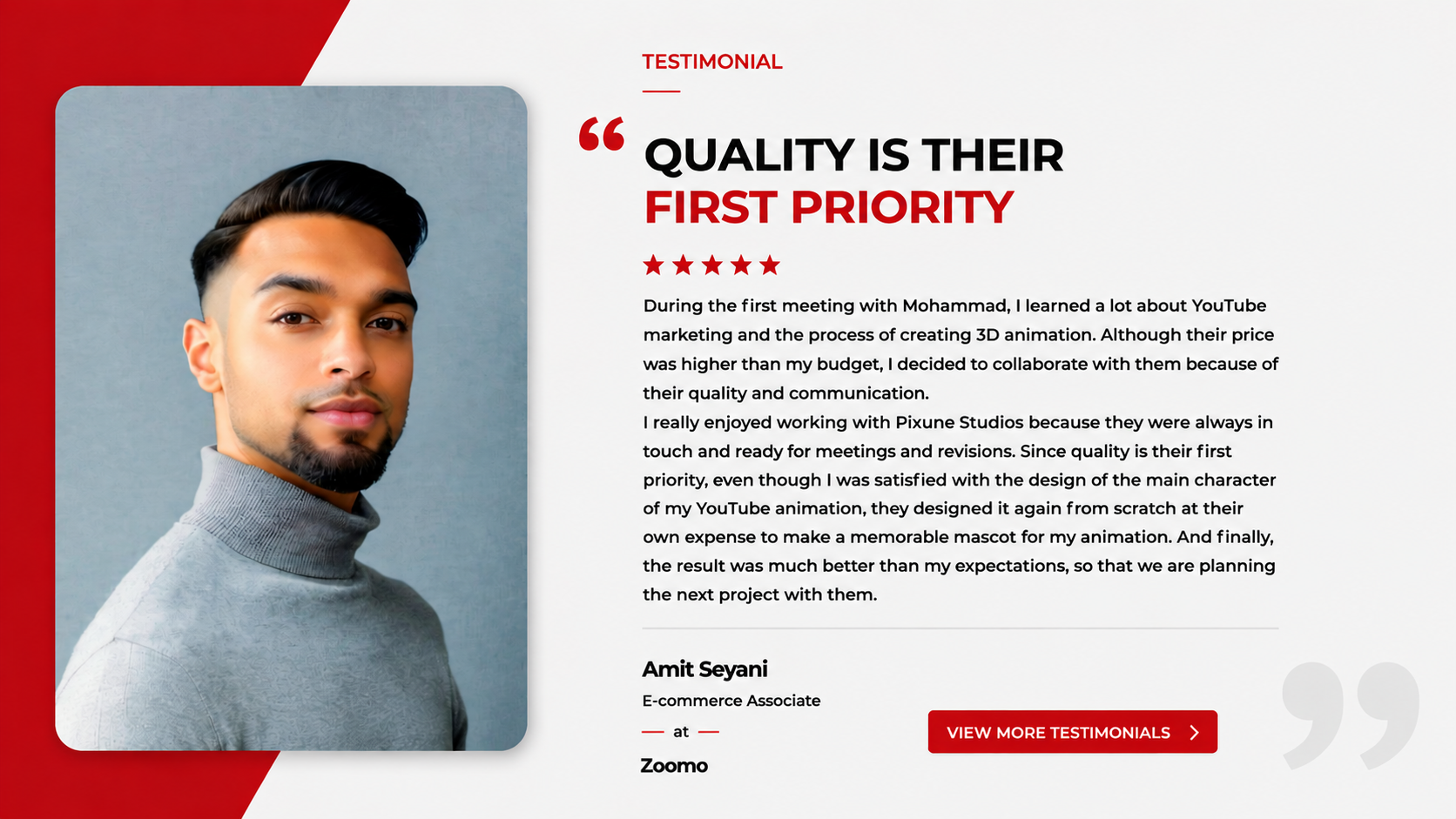
Proof in Action (Grace Briggs, Creative Director & Senior Producer at ADliven): Briggs emphasizes the peace of mind that comes from working with a studio that commits to completing animations strictly on time and within budget. When a partner meticulously addresses every point of feedback within the initial quote, it eliminates the budget volatility that typically plagues creative projects.
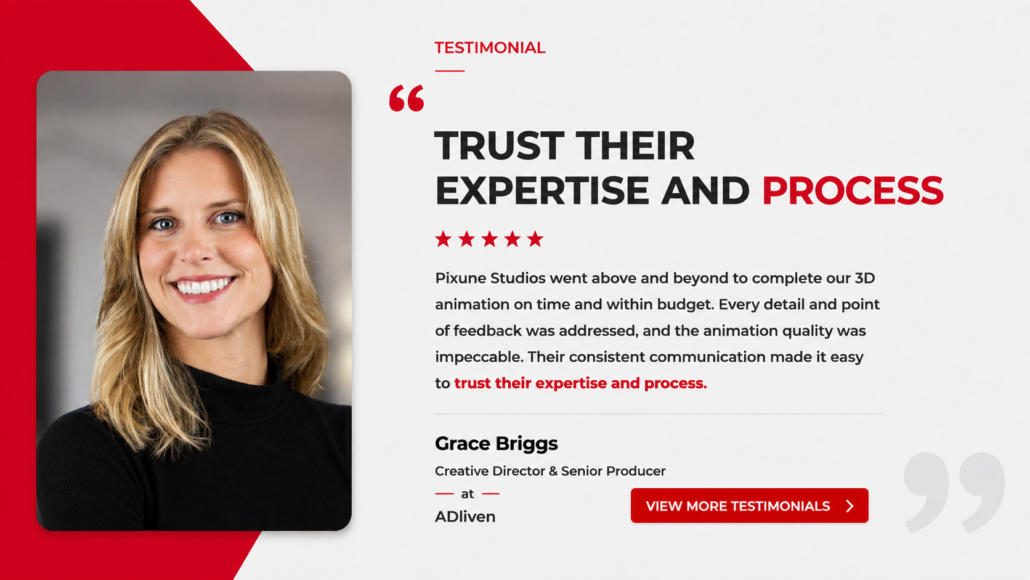
Proof in Action (Amit Seyani, E-commerce Associate at Zoomo): Seyani shares that even when a studio’s upfront price is higher than your initial budget, partnering with a vendor whose first priority is quality pays off. In his case, the studio went as far as rebuilding the main character mascot from scratch at their own expense to ensure a superior result, proving that a dedicated partner will absorb production adjustments to protect the final asset.
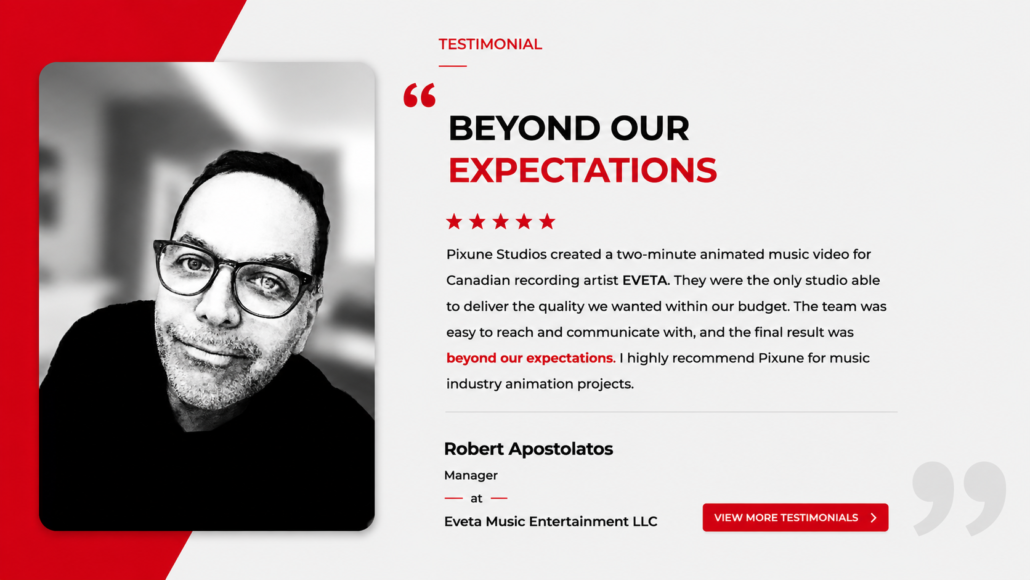
Proof in Action (Robert Apostolatos, Manager at Eveta Music Entertainment LLC): When managing a tight budget for complex audio-visual projects like a two-minute animated music video, Apostolatos noted the importance of finding a studio capable of delivering high-end quality directly within your specific budget constraints without cutting corners.
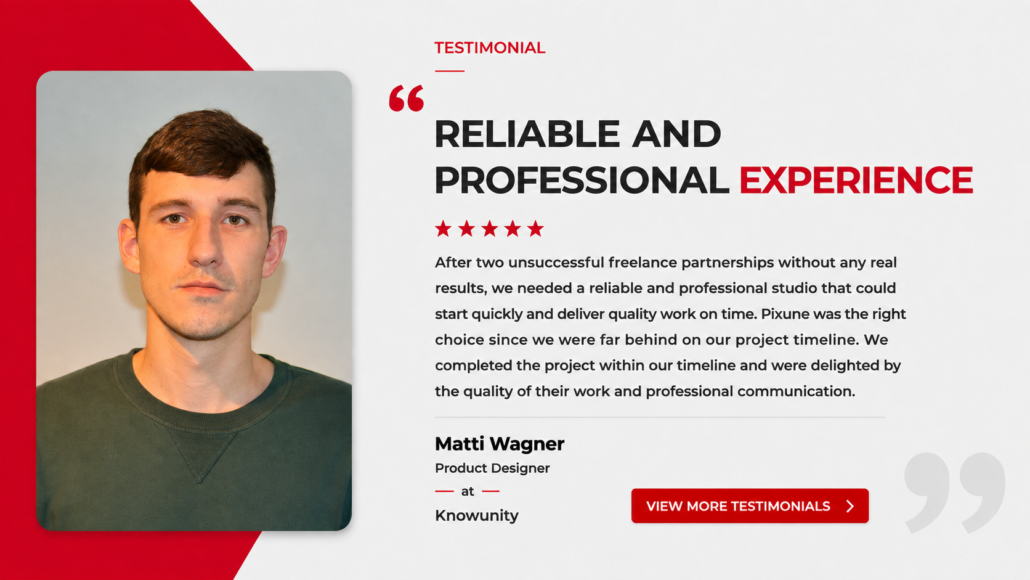
Proof in Action (Matti Wagner, Product Designer at Knowunity): Wagner warns of the ultimate hidden cost: hiring cheap freelancers. After suffering through two unsuccessful freelance partnerships that yielded “no real results,” his team was left far behind schedule. Transitioning to a reliable, structured studio rescued the project and delivered quality work within the required timeline.
Securing Predictability in Creative Spend
Managing an animation budget does not have to be a game of financial roulette. By treating the production pipeline as a highly structured technical process rather than an abstract creative endeavor, you can identify where costs live before they ever hit your ledger.
The key to predictable creative spend is partnering with a full-service animation studio that offers transparent, flat-rate pricing, dedicated project coordination, and built-in revision allocations. With these structural safeguards in place, you can comfortably protect your budget, satisfy your stakeholders, and deliver world-class animation on time and on target.