
Animation outsourcing has become a crucial strategy for companies, studios, and independent creators looking to produce high-quality content without expanding in-house teams. Whether it’s 3D animation for a cinematic game trailer, 2D animation for an explainer video, or motion graphics for a marketing campaign, outsourcing allows access to specialized talent, advanced tools, and global production capabilities.
Outsourcing can significantly reduce production time, provide cost efficiency, and give companies the flexibility to scale teams based on project requirements. However, selecting the right animation outsourcing partner requires careful consideration to ensure quality, workflow compatibility, and timely delivery.
This guide explains what animation outsourcing is, how it works, the benefits and challenges, and provides practical advice for choosing a 3D animation outsourcing company for your projects.

Need Animation Services?
Visit our Animation Service page to see how we can help bring your ideas to life!
What Is Animation Outsourcing?
Animation outsourcing is the practice of hiring an external animation studio or freelance team to handle part or all of the animation production process. This allows companies to leverage expertise, animation software, and resources they may not have in-house.
Why Companies Outsource Animation
Outsourcing animation provides multiple advantages for businesses of all sizes:
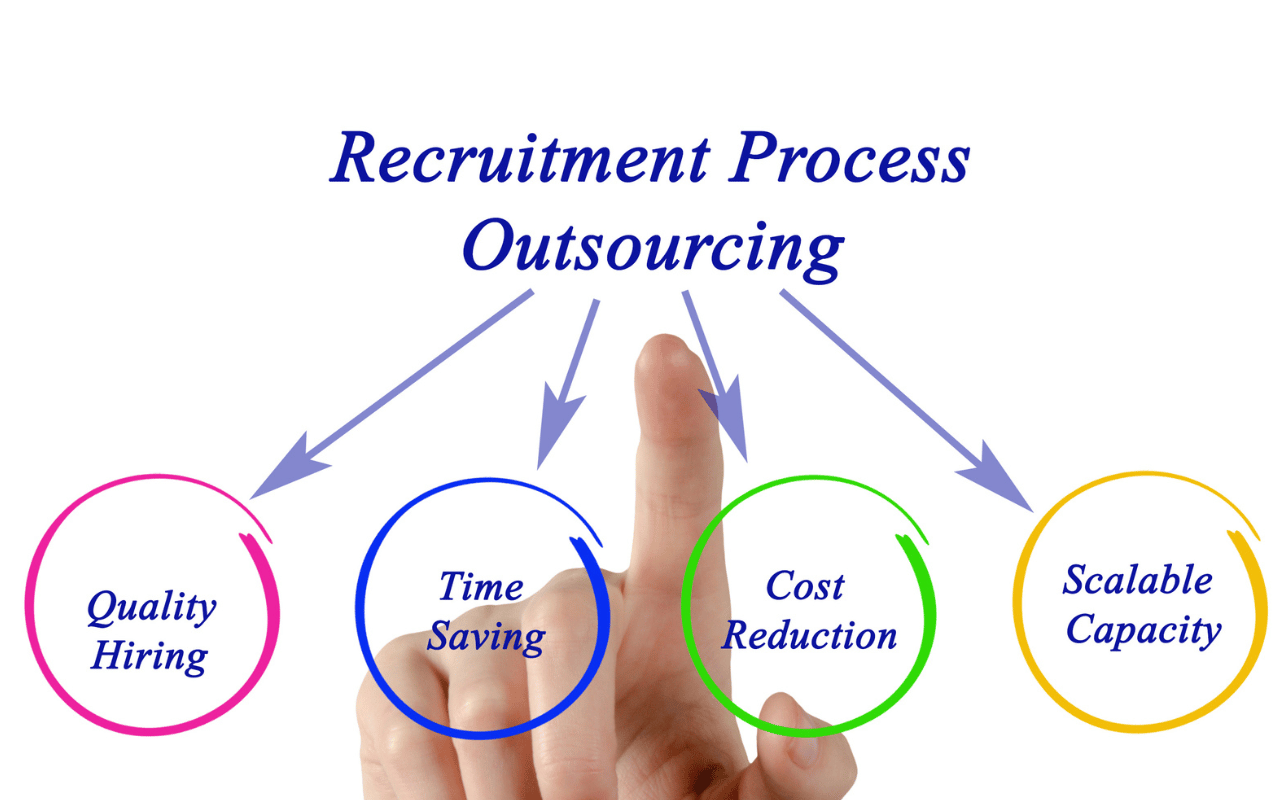
Time and Cost Savings
The 3D animation production pipeline requires hiring various 2D and 3D artists, concept artists, modelers, riggers, 3D animators, and art directors. The process of hiring these artists one by one is time-consuming and may be expensive.
3D animation studios already have these experts on hand, allowing them to produce animations more quickly and affordably.
Faster Production Timelines
Outsourcing allows multiple teams to work in parallel, reducing the time required to complete complex animation projects.
Scalability
Companies can scale the team up or down based on project demands without being tied to permanent employees.
Focus on Core Business Activities
By outsourcing production, internal teams can concentrate on strategy, marketing, or creative direction rather than managing technical animation work.
Types of Animation Services That Can Be Outsourced
Animation outsourcing is not limited to one type of project. Studios and creators can outsource:
- 2D animation for commercials, explainer videos, and social media content
- 3D animation for films, games, and advertisements
- Motion graphics and visual effects
- Character animation and rigging
- Architectural or product visualization
- Full production pipelines from storyboarding to final rendering
Commercial Animation
Around 66% of video marketers created live-action videos in 2022. And a commercial animation studio has the power to differentiate a business from that 66% of competitors.
Game Trailer & Cinematic
Video game production has always been intertwined with animation production, so game trailer production services and cinematics have been a major driving force behind the rapid growth of animation outsourcing.
Animation for Kids
Animation for kids is a vast and influential genre that has been a cornerstone of entertainment for decades, from Disney animations to recent animation.
Explainer Video
Among 93% of marketers who use videos, about 59% of them use animated explainer videos to promote their business. A 3D animated explainer video can really help in this case.
3D Animation Outsourcing: Why It Is So Common
3D animation projects are particularly resource-intensive, requiring specialized software, hardware, and technical knowledge. Outsourcing is common because:
- 3D projects are complex and time-consuming
- In-house teams are expensive to maintain
- Software and rendering requirements are high
- Global outsourcing provides access to talent at different experience levels and time zones
What Can You Outsource in a 3D Animation Project?
A 3D animation project can be partially or fully outsourced, including:
- Concept development and scriptwriting
- Storyboarding and animatics
- 3D modeling of characters, environments, and props
- Texturing, UV mapping, and shading
- Rigging and character setup
- Animation of characters, vehicles, and objects
- Lighting, VFX, and rendering
- Compositing, editing, and final delivery
How to Choose a 3D Animation Outsourcing Company
Selecting the right partner is critical for success. Consider the following:
Review Their Portfolio
Check previous projects to evaluate quality, style, and relevance to your project.
Check Industry Experience
Ensure the studio has experience in your industry, whether it’s gaming, advertising, or film.
Evaluate Communication Skills
Strong communication reduces misunderstandings and keeps projects on schedule.
Understand Their Production Pipeline
Know how they manage pre-production, production, revisions, and delivery.
Ask About Project Management
Project managers should provide timelines, status updates, and milestones.
Verify Technical Capabilities
Make sure the studio has access to the required software, hardware, and technical expertise.
Check Client Testimonials
Past client feedback can highlight reliability, quality, and professionalism.
Request a Small Test Project
A small initial project can test workflow, communication, and output quality before committing to a full-scale project.
Red Flags When Outsourcing Animation
Not every animation studio will be the right fit for your project. One of the most common warning signs is animation pricing that seems significantly lower than the market average. While competitive rates are normal, unusually cheap quotes often indicate a lack of experience, hidden costs, or quality issues that become apparent later in production.
Another red flag is the absence of a clear production process. Professional animation studios should be able to explain their workflow, milestones, review stages, and delivery schedule. If a studio cannot clearly communicate how a project will be managed, delays and misunderstandings are more likely to occur.
Communication quality is equally important. Slow responses, vague answers, and inconsistent updates can create problems throughout production. You should also pay attention to the studio’s portfolio. A weak portfolio or a collection of unrelated work may suggest that the team lacks experience in the animation style or industry you need.
Finally, be cautious if there is no contract, NDA, or documented revision policy. Professional studios typically establish clear agreements that protect both parties and define project expectations before work begins.
Animation Outsourcing Workflow
Most animation outsourcing projects follow a structured workflow that helps keep production organized and predictable. The process usually begins with a discovery phase, where the client and studio discuss project goals, target audience, style references, technical requirements, and delivery expectations.
Once the project requirements are understood, the studio prepares a proposal outlining the scope of work, timeline, deliverables, and estimated budget. After approval, the project moves into pre-production, where scripts, storyboards, animatics, character designs, and visual concepts are developed.
The production stage follows, involving tasks such as modeling, rigging, animation, texturing, lighting, rendering, or compositing depending on the project type. Throughout production, review sessions allow the client to provide feedback and request adjustments.
After revisions are completed and final approval is received, the project enters the delivery phase. The studio exports the required files, performs quality checks, and delivers the final assets according to the agreed specifications.
Animation Outsourcing Costs
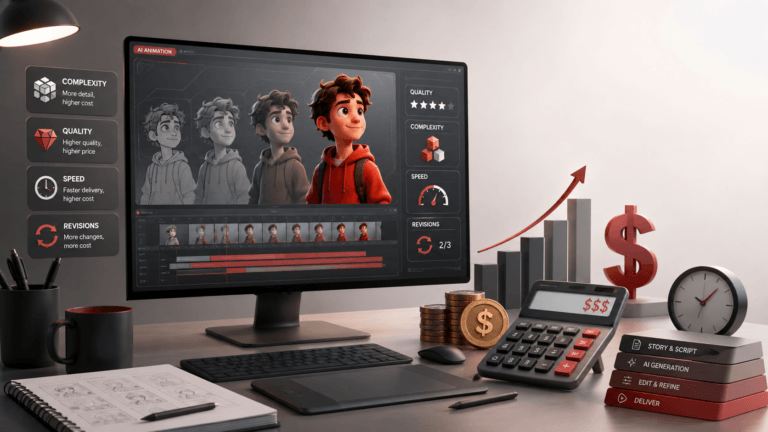
The cost of animation outsourcing can vary dramatically depending on the project’s scope, complexity, and quality requirements. A short social media animation may require only a small team and a limited production schedule, while a cinematic game trailer or high-end commercial may involve dozens of specialists working for several months.
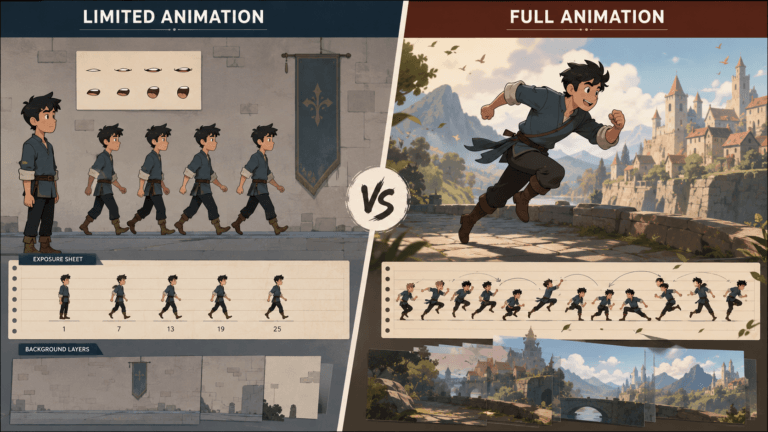
Project length is one of the biggest factors affecting cost. Longer animations naturally require more production hours. The animation style also plays a major role, as detailed 3D animation typically requires more resources than simple motion graphics or limited 2D animation.
Asset complexity can significantly influence the budget as well. Custom characters, detailed environments, advanced visual effects, and realistic simulations all increase production requirements. Tight deadlines can also raise costs because additional artists or overtime may be needed to meet delivery dates.
Rather than focusing solely on the lowest price, companies should evaluate the overall value provided by the outsourcing partner, including quality, reliability, communication, and production expertise.
In-House vs Animation Outsourcing
| Factor | In-House Team | Outsourcing |
|---|---|---|
| Cost | High | Lower overall |
| Scalability | Limited | Flexible per project |
| Hiring Time | Slow | Fast onboarding |
| Expertise | Limited to team | Access to specialized talent |
| Equipment Costs | Required | Included in service |
| Workflow Complexity | Entirely managed internally | Studio manages pipeline |
Industries That Commonly Outsource Animation
Animation is not just for kids. Animation is used across many industries for their growth and marketing success.
Game Development: Character animation, cinematics, VFX, and assets
Advertising: Commercials, explainer videos, and 3D product visualization
SaaS & App Companies: Animated tutorials, onboarding videos, and marketing content
Healthcare: Medical animations, simulations, and educational content
Education: E-learning content, interactive courses, and explainer animations
Manufacturing & Architecture: 3D industrial animation, architectural walkthroughs, and technical simulations
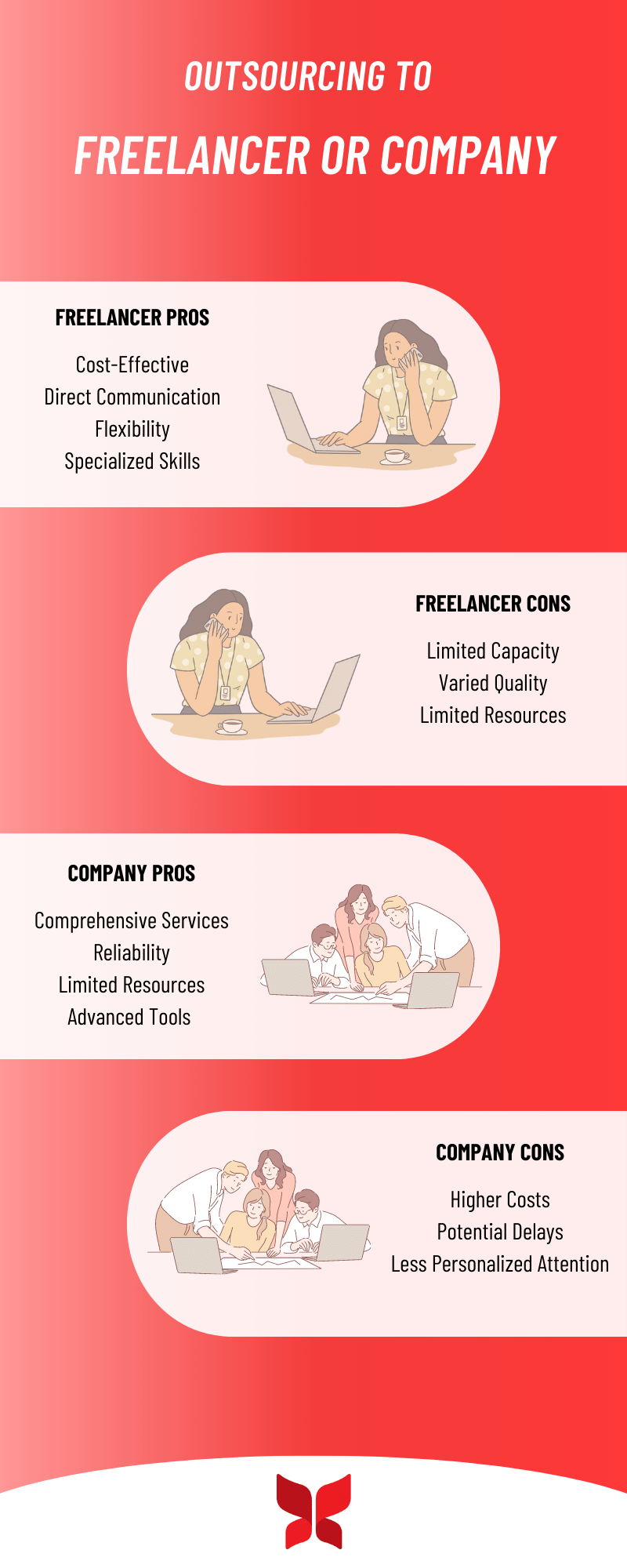
Outsource an Animation to a Freelancer or Studio
The choice between outsourcing an animation to a freelancer artist or a studio depends on many factors, such as your project scoop, needs, budget, timeline, etc. Here is a comparison of both:
Why Work With a Professional Animation Outsourcing Studio
Working with a professional animation outsourcing studio offers advantages that go far beyond simply reducing costs. Established studios bring together specialists from multiple disciplines, including art direction, animation, modeling, rigging, visual effects, rendering, and project management.
A professional studio also provides a structured production pipeline. This helps ensure that every stage of the project follows a clear process, reducing the risk of missed deadlines, quality issues, or communication problems. Dedicated project managers keep stakeholders informed and help coordinate feedback throughout production.
Another major advantage is scalability. Professional studios can quickly expand production resources when needed, allowing projects to move faster without sacrificing quality. This flexibility is particularly valuable for companies with fluctuating workloads or tight deadlines.
Perhaps most importantly, experienced animation studios have already solved many of the challenges that arise during production. Their technical expertise, proven workflows, and industry experience help clients avoid common mistakes and achieve higher-quality results with greater efficiency.
Conclusion
Animation outsourcing provides many benefits like cost and time savings, quality assurance, access to global talent, and more. Carefully examine potential studios, communicate expectations clearly, and align on budget and timelines. While AI is automating some animation tasks, human creativity, and cultural nuance remain vital. Evaluate your needs to decide between hiring freelancers versus studios.
Outsourcing companies and studios are the answer to doing professional work with less budget, and Outsourcing services like animation production have the lion’s share of the outsourcing market.



![1405,02,10 SnpLE[Cover HD] 1](https://pixune.com/wp-content/uploads/2026/08/14050210-SnpLECover-HD-1-768x431.jpg)