
Drawing and sculpting games transform artistic talent into interactive gameplay, encouraging players to design, mold, and decorate virtual worlds. For designers, animators, and every game art studio, these games are essential references, demonstrating how creative mechanics enhance immersion and emotional connection.
In this article, we will review several top titles, from simple sketching apps to complex sandbox sculpting tools, to highlight their valuable lessons in design, player feedback, and aesthetic engagement.
Let’s dive into exploring the most inspiring examples of interactive creativity:
- Crayon Physics Deluxe (PC, iOS)
- Sketch Quest (Web, PC)
- Sculpt People (iOS, Android)
- Let’s Create! Pottery Lite (iOS, Android)
- SUMMERHOUSE (PC)
- Pot Inc – Clay Pottery Tycoon (iOS, Android)
- De Blob (Nintendo Switch, PS4, Xbox One, PC)
- Dreams (PS4, PS5)
- Okami (Nintendo Switch, PS2, PS3, PS4, Xbox One, PC)
- CoolPaint VR (PlayStation VR)
- Spore (PC, Mac)
- Zen Color (iOS, Android)
- Happy Color (iOS, Android)
- Upcoming Titles in 2025!


Need Game Art Services?
Visit our Game Art Service page to see how we can help bring your ideas to life!
Crayon Physics Deluxe (PC, iOS)
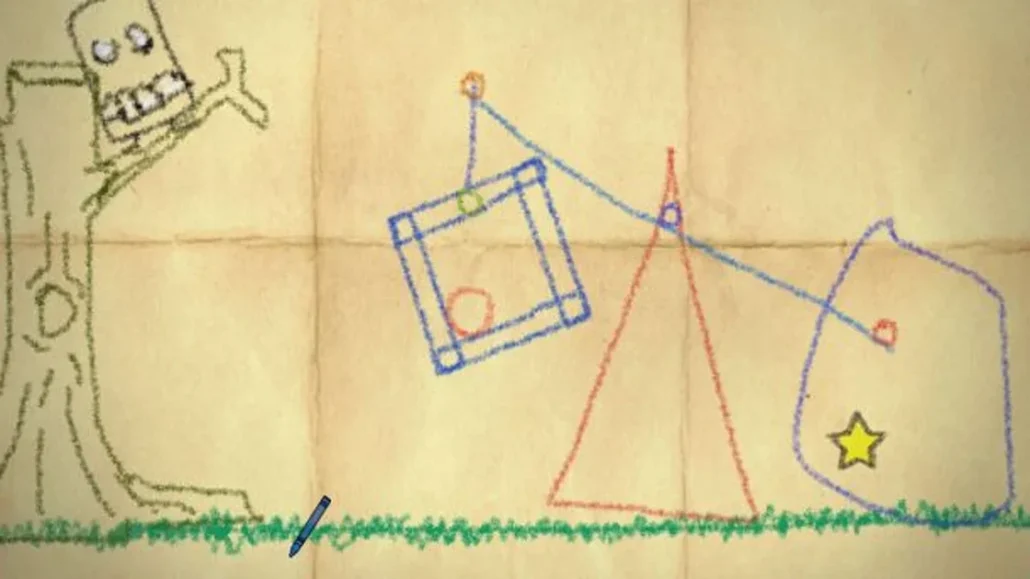
This indie-style game uses drawings to solve physics-based puzzles. Players sketch ramps, weights, and bridges to guide a ball, making their imaginative drawings interact with the real-world forces of gravity. Crayon Physics Deluxe‘s hand-drawn aesthetic implies the idea of using imagination as a problem-solving tool.
Why its drawing mechanic stands out
Crayon Physics Deluxe perfectly illustrates user-generated problem-solving, directly linking artistic input to mechanical outcomes. It’s ideal for studying how player creativity can intuitively influence visual outcomes.
Sketch Quest (Web, PC)
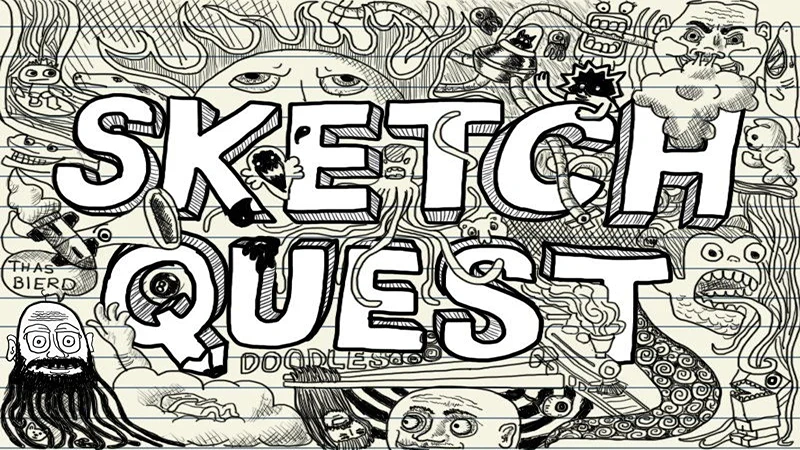
Sketch Quest combines a side-scrolling adventure with real-time sketching. Players doodle weapons and tools during gameplay, and the environment adapts to their creations. Its hand-drawn art style creates a unified and playful look.
What designers can learn
It demonstrates how to integrate drawing mechanics with action gameplay without disrupting flow. Sketch Quest teaches developers how to balance improvisation with structured feedback for a cohesive experience.
Sculpt People (iOS, Android)
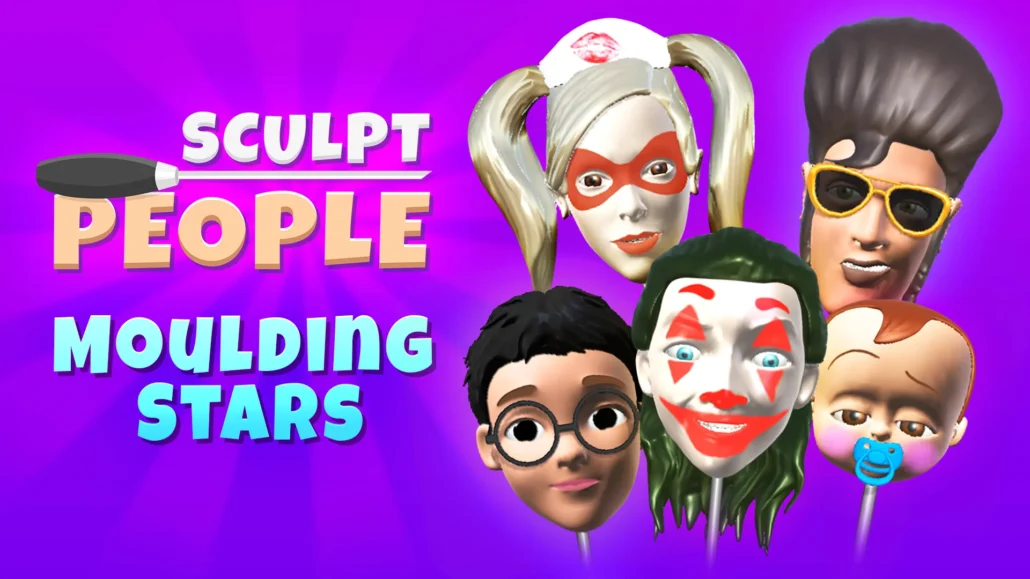
Sculpt People is a mobile game that simulates digital sculpting with high-fidelity rendering and touch controls. Users carve, smooth, and polish clay-like models of faces and figures, offering satisfying, tactile feedback.
Mobile interface and sculpting design
The game is a masterclass in how tactile feedback and gradual reveals maintain engagement. It’s an excellent reference for mobile UX, showing how animation, texture, and vibration can convincingly simulate the physical feel of sculpting.
Let’s Create! Pottery Lite (iOS, Android)
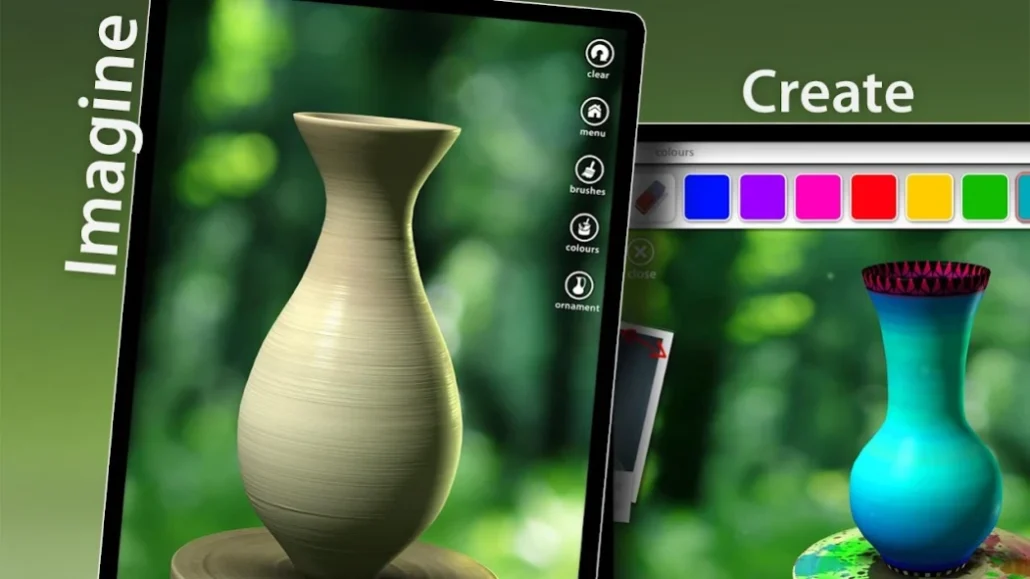
Let’s Create! Pottery Lite offers a calm, meditative experience centered on pottery. Players spin, mold, paint, and fire clay, with smooth physics and excellent sound design contributing to a relaxing, creative journey.
Relaxed creation as gameplay
It proves that engaging creativity doesn’t require competition or high difficulty. Designers can learn from this example of slow-paced satisfaction where the joy of making is the primary reward.
SUMMERHOUSE (PC)
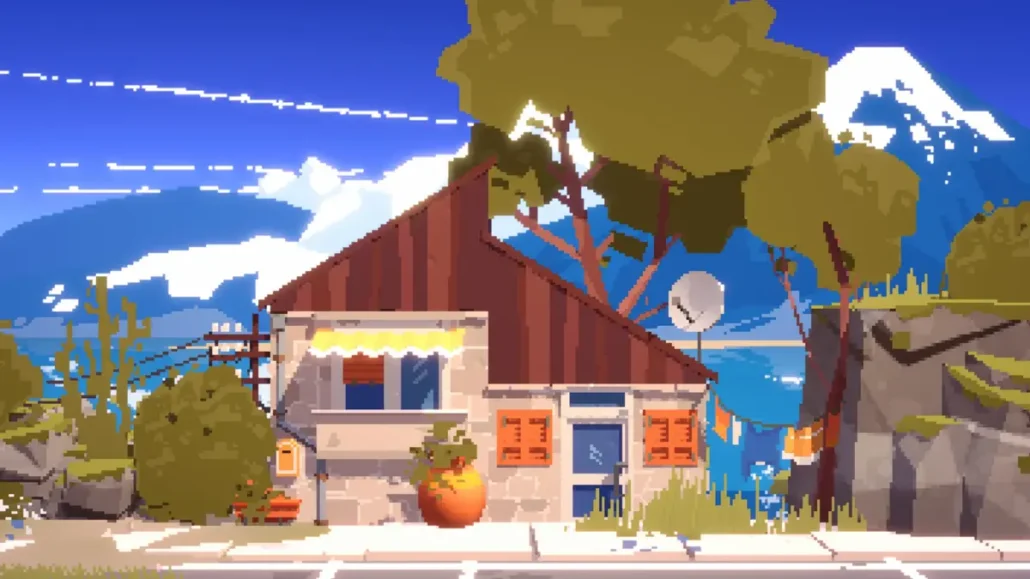
SUMMERHOUSE allows players to build small-scale dioramas of serene homes and streets. The focus is not on goals but on capturing an emotional feeling through composition and color palette.
Artist-driven environment design
This title shows how building environments can be a form of pure expression rather than just a functional task. Designers can study its strong art direction and emotional tone to see how visual storytelling can become a creative process in its own right.
Pot Inc – Clay Pottery Tycoon (iOS, Android)
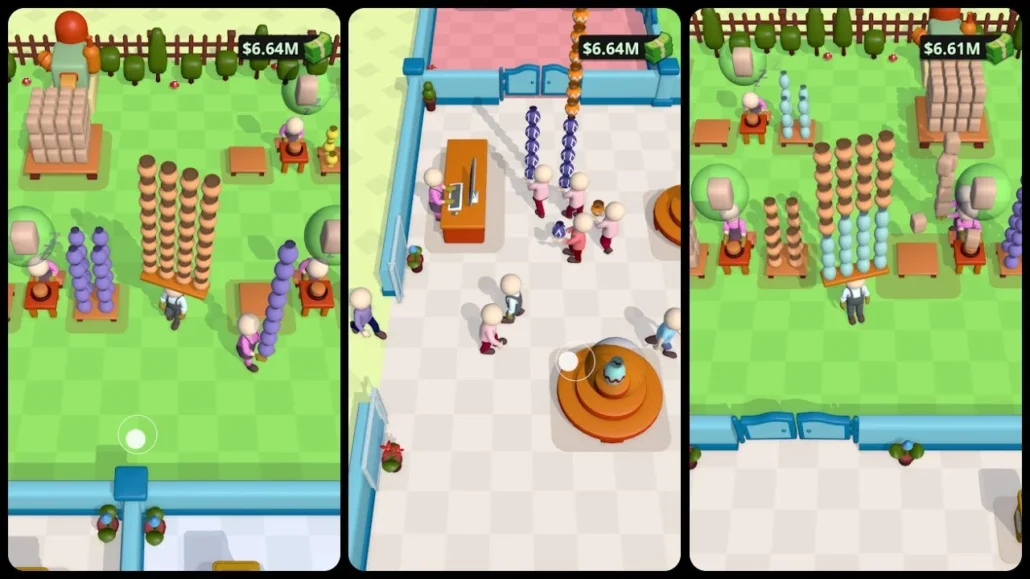
Pot Inc – Clay Pottery Tycoon integrates clay sculpting with tycoon management. Players design and produce pots, sell them, and upgrade their workshop. This blend of creativity and business strategy creates a rewarding gameplay loop.
Creation meets economy
It’s a smart way to gamify creativity. Developers can see how artistic processes can drive economic systems, turning art creation into a progression loop with upgrades and replayability.
De Blob (Nintendo Switch, PS4, Xbox One, PC)
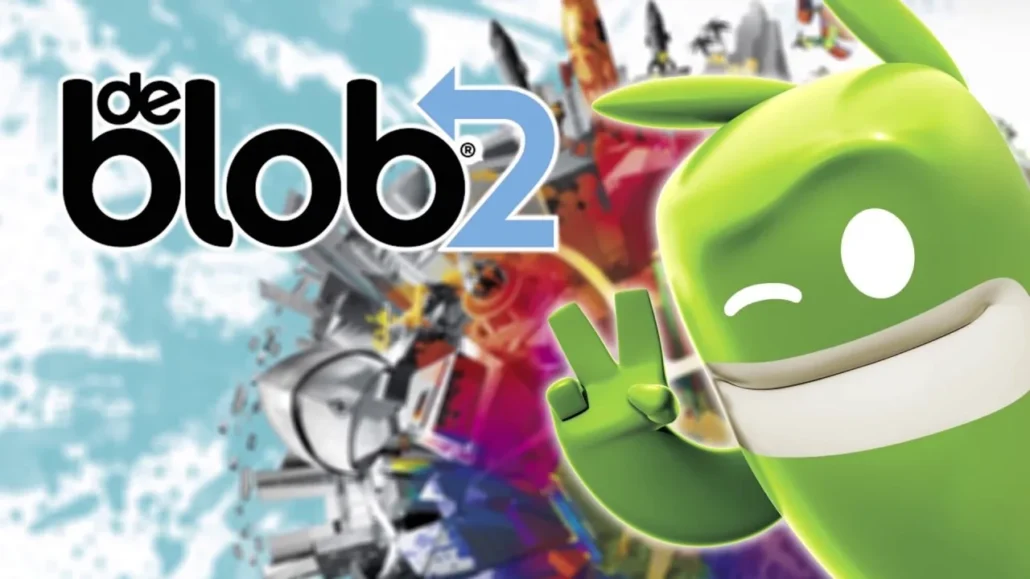
In De Blob, the player’s character spreads color to bring a gray, monochromatic city back to life. Painting each area triggers dynamic music and vibrancy, forging a strong link between color and emotion.
Using visual creation for transformation
The game shows how dynamic color and feedback loops convey reward, mood, and narrative. Designers can learn how to implement environmental storytelling through reactive visual systems.
Dreams (PS4, PS5)
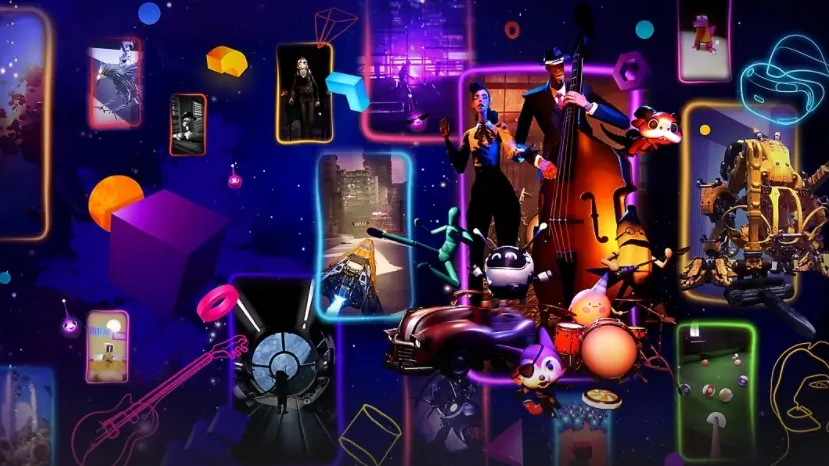
Media Molecule’s Dreams is a vast creation platform where players can sculpt, animate, compose, and even program games within the game. It is a highly ambitious creative sandbox.
Full-stack creative toolset
Dreams is a definitive example of empowering players as creators. Its modular design, asset sharing, and animation tools make it a key reference for studying user-generated content (UGC) ecosystems and collaborative creativity.
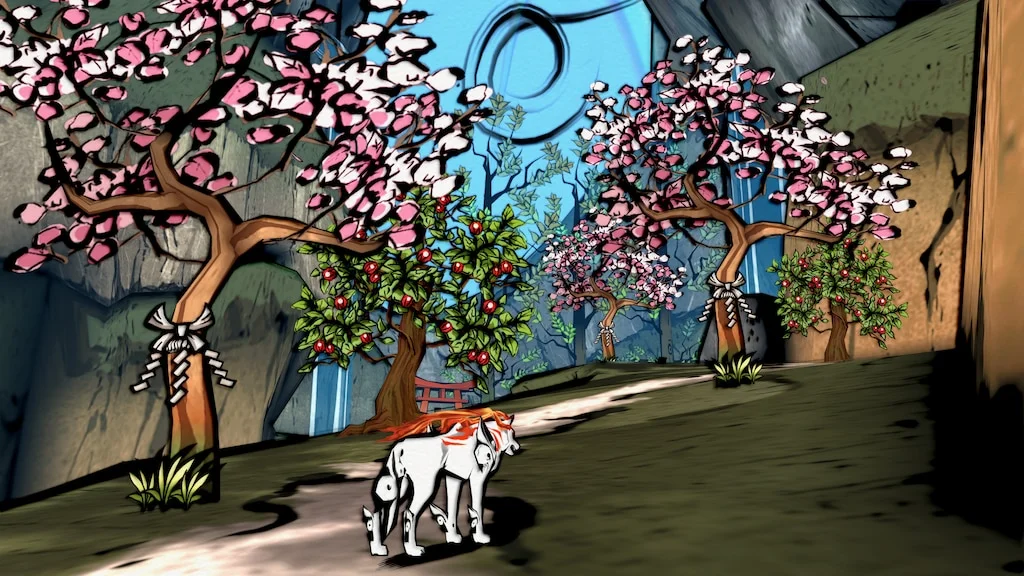
Okami (Nintendo Switch, PS2, PS3, PS4, Xbox One, PC)
Narrative + drawing mechanics
Okami is a lesson in stylistic harmony and function. It shows how core mechanics can visually align with narrative themes, providing a model for designers who want to weave storytelling into creative gameplay.
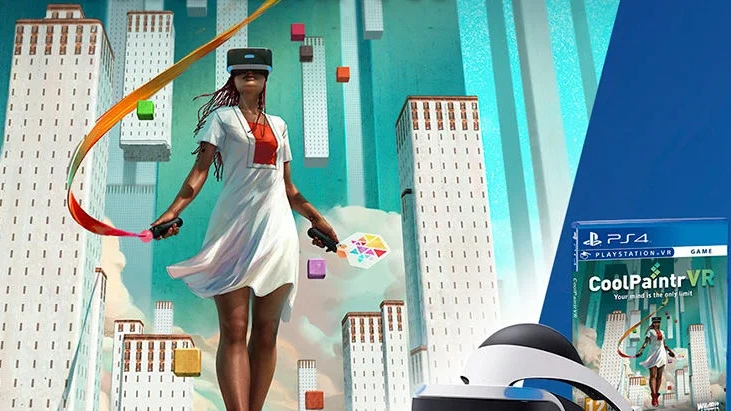
CoolPaint VR (PlayStation VR)
CoolPaint VR moves painting into a 3D space. Using motion controllers in PlayStation VR, players can draw and sculpt in midair, turning brushstrokes into immersive 3D forms.
Immersive drawing & sculpting in VR
This game highlights how creating in spatial environments fundamentally changes player perception. For designers and animators, it’s a crucial reference for exploring depth, ergonomics, and feedback in immersive settings.
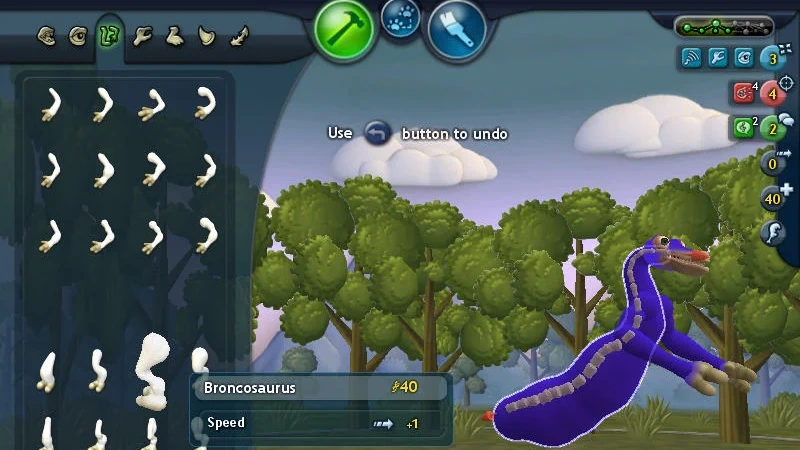
Spore (PC, Mac)
Spore allows players to sculpt new life, creating creatures, vehicles, and buildings that evolve across several gameplay phases. Its creature editor remains a landmark in user-driven design.
Sculpting for emergent gameplay
It exemplifies how procedural systems can transform art into interactive behavior. Developers can study Spore to understand how to turn player-created assets into living, reactive entities within dynamic simulations.
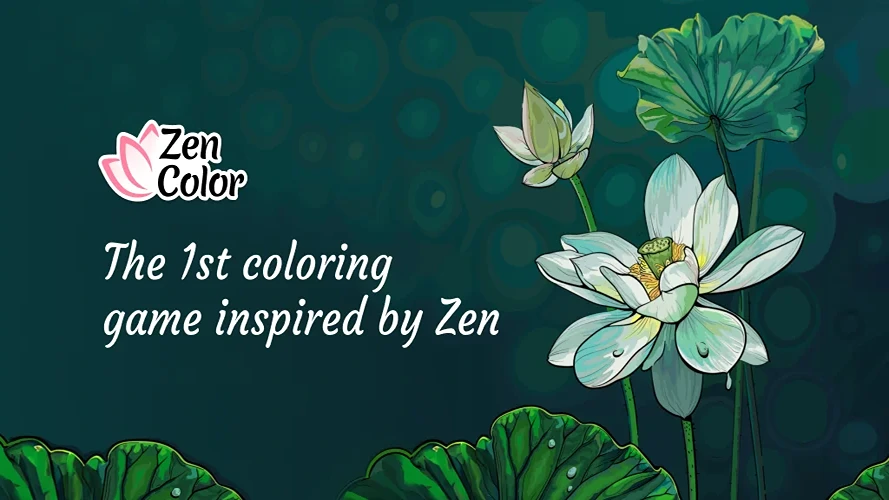
Zen Color (iOS, Android)
Zen Color offers a tranquil, color-by-number experience aimed at relaxation and mindfulness. Its accessible interface and curated color palettes make it enjoyable for all ages.
Casual drawing for broad engagement
It demonstrates how low-barrier creative experiences can successfully engage massive audiences. For mobile game designers, Zen Color proves the effectiveness of simplicity and reliable reward cycles in casual art games.
Happy Color (iOS, Android)
Happy Color uses the color-by-number format but features thousands of themed illustrations and frequent updates. Its strong social sharing features help maintain a dedicated player base.
Accessible art mechanics for everyday players
This game shows that creativity can appeal to the mainstream. Happy Color proves that easy, repetitive, and visually satisfying tasks can maintain long-term engagement through familiarity and comfort.

Best Upcoming Drawing & Sculpting Games (2025 and Beyond)
The creative gaming sector is rapidly expanding through AI, procedural generation, and new immersive game art software. These future titles show how drawing and sculpting mechanics are advancing, encouraging both professional and casual users to co-create interactive worlds.
Shapelab 2025 (PC VR – Latest Annual Release)
This is the latest annual release of a highly efficient, professional 3D digital sculpting application optimized for virtual reality. Unlike other voxel-based tools, Shapelab focuses on polygonal mesh modeling, allowing for the creation of stunning, high-detail, and production-ready assets.
The 2025 version features a Dual Engine Modeling approach, letting artists block out ideas quickly using a voxel-based sketch mode and then seamlessly refine them with precise polygon tools.
- Why it matters for virtual production artists
It demonstrates a cutting-edge workflow where concept sculpting can be done immersively in VR, with the resulting mesh immediately being production-ready for export to game engines or 3D printing, directly bridging the gap between artistic instinct and technical necessity.
Out of Words (PC, Console – In Development)
Out of Words is an upcoming 2D co-op puzzle-platformer that showcases a stunning, handcrafted stop-motion aesthetic. The developers use physical clay models and sets, capturing their movements frame by frame and importing them into the game.
The gameplay often involves two players controlling protagonists through a world that feels tactile and alive, requiring cooperative use of unique, physics-based abilities.
- Why it matters for animation directors
This game is a significant case study in blending traditional and digital animation techniques. For animation directors, it models how to use high-effort, unique visual styles to create a compelling, character-driven narrative and leverage the tangible feel of claymation as a key game feature.
What’s Next for Creative Games?
These upcoming projects clearly show that creation is no longer a secondary feature; it’s becoming the main point of gameplay. AI, VR, and social tools are turning players into co-developers of their worlds.
This trend heralds an exciting new era of interactive artistry for game designers and animators, where every form, shape, and stroke is integral to the narrative.
Final Words
From Crayon Physics Deluxe to Dreams and the emerging wave of AI-driven art games, creative play has never been more compelling. Each of these titles invites players to draw, build, and shape, not just to achieve a goal.
For designers and animators, they are living demonstrations of how art, interactivity, and emotion seamlessly combine. The future of gaming is about giving players the power and the tools to create their own worlds.
Accessible art mechanics for everyday players
This game shows that creativity can appeal to the mainstream. Happy Color proves that easy, repetitive, and visually satisfying tasks can maintain long-term engagement through familiarity and comfort.