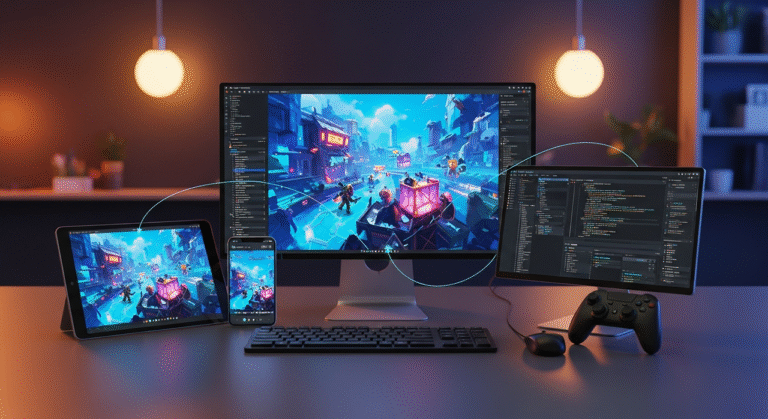

AR and VR technologies are transforming the animation industry by creating more immersive, interactive, and engaging digital experiences. Instead of simply watching animated content on a screen, audiences can now interact with animated characters, explore virtual worlds, and experience stories from inside the environment itself.
As virtual reality and augmented reality technologies continue evolving, animation studios are increasingly using AR and VR to create interactive storytelling experiences, virtual productions, educational simulations, marketing campaigns, and immersive entertainment projects.
From animated VR films to augmented reality character experiences, AR and VR are expanding the possibilities of modern animation far beyond traditional media formats.
In this guide, we’ll explore how AR and VR are used in animation, why they matter for animation studios, the challenges involved in immersive production, and how these technologies are shaping the future of animated content.
What Are AR and VR in Animation?
AR and VR in animation refer to the use of immersive technologies to create animated experiences that go beyond traditional screens.
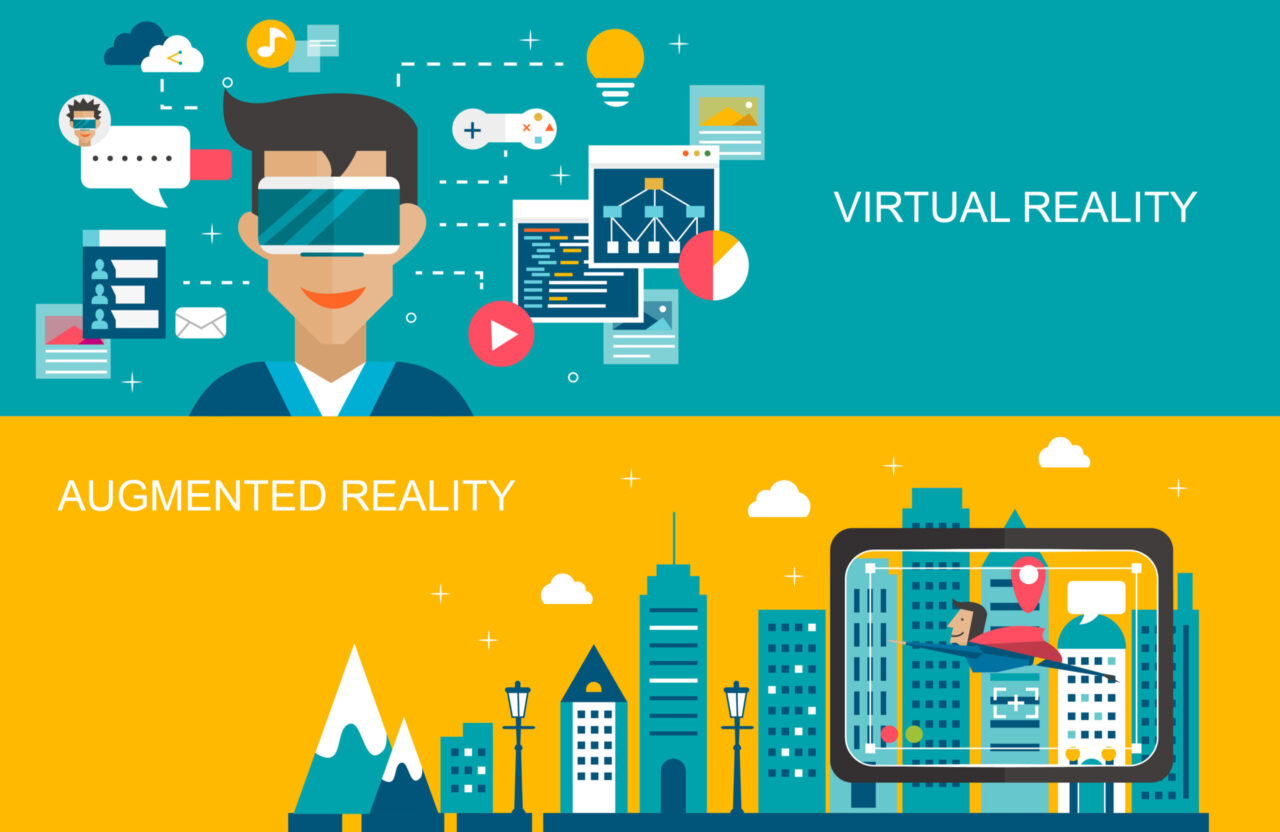
Augmented reality, or AR, overlays digital animated elements onto the real world using smartphones, tablets, or AR glasses. This allows animated characters and effects to appear inside real environments.
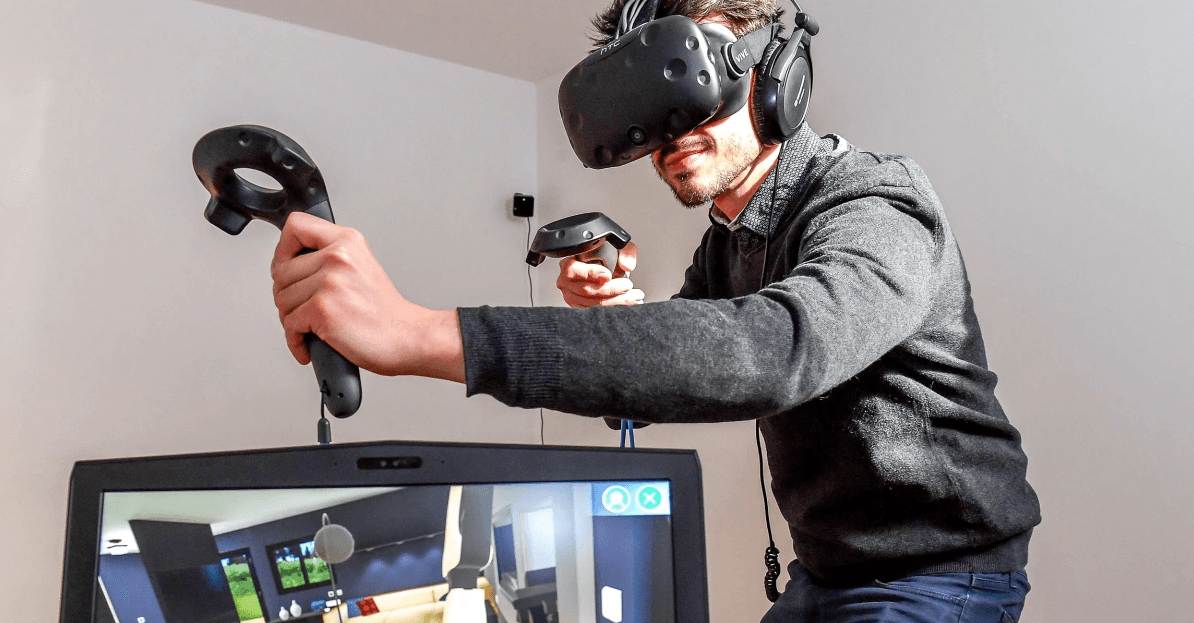
Virtual reality, or VR, places users inside fully digital environments where they can explore animated worlds in a more immersive and interactive way. VR experiences are commonly viewed using headsets such as Meta Quest, HTC Vive, or PlayStation VR.
Both technologies rely heavily on 3D animation, real-time rendering, environment design, character animation, and interactive storytelling systems.
How AR Is Used in Animation
Augmented reality animation combines digital animated content with the physical world. Unlike traditional animation, AR experiences allow audiences to interact with animated elements inside real environments.
Augmented Reality 3D Animation
Most AR experiences rely on 3D animation because three-dimensional assets can respond naturally to camera movement and real-world positioning.
Animated AR content is commonly used in mobile applications, product visualization, social media filters, educational experiences, and interactive advertising.
Real-time rendering software such as Unity and Unreal Engine are often used to power AR animation systems.
Animated Characters in Real Environments
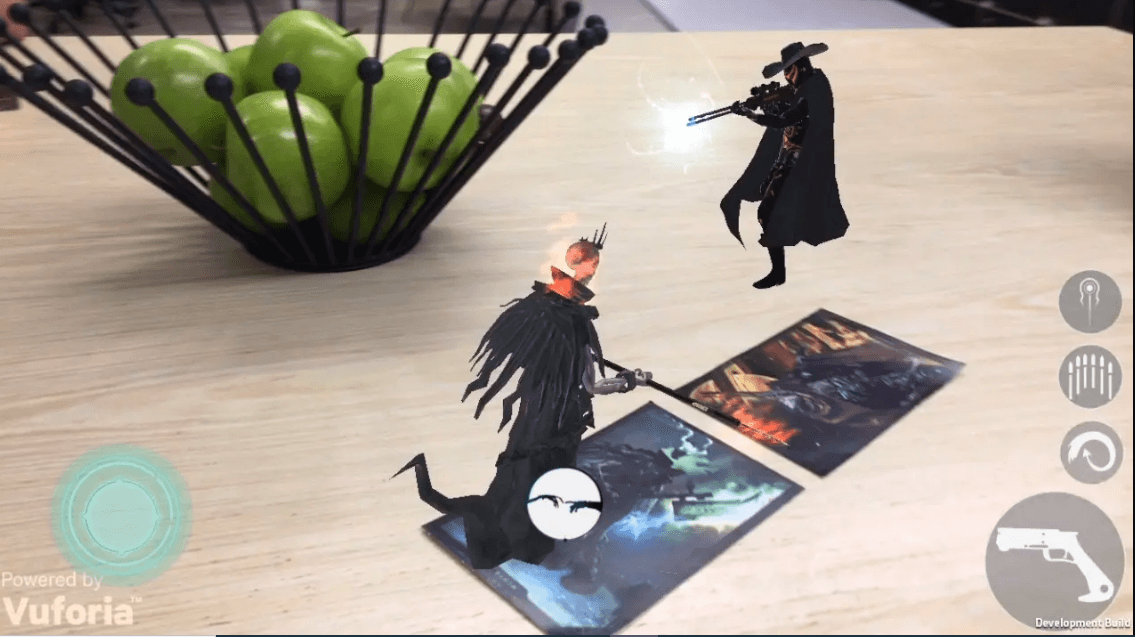
One of the most popular uses of AR animation is placing animated characters into real spaces. Users can view digital mascots, creatures, or virtual assistants through their devices as if they exist physically in the environment.
This technique is heavily used in marketing campaigns, entertainment apps, AR games, museum experiences, and interactive storytelling.
Because the character exists alongside real-world footage, lighting, scale, and animation quality become extremely important.
AR Marketing and Brand Experiences
Brands increasingly use AR animation to create interactive marketing campaigns and promotional experiences. Animated mascots, product showcases, and AR filters help increase engagement by making animated advertisements feel more interactive and memorable.
AR animation is especially popular on social media platforms where users can interact with branded animated effects directly from their phones.
How VR Is Used in Animation
Virtual reality animation focuses on creating fully immersive digital experiences where users can explore animated worlds in real time.
Unlike traditional film or television, VR animation places the viewer inside the scene itself.
Immersive Animated Worlds
VR allows artists to create animated environments that users can physically look around and explore.
This creates a much stronger sense of presence and immersion compared to traditional screen-based storytelling. Environment design becomes especially important in VR because users can observe scenes from multiple directions instead of only one camera angle.
VR Character Animation
Character animation in VR often requires more natural movement and interaction because users experience the scene from a first-person perspective.
Characters in VR may react to player movement, maintain eye contact, respond dynamically, and interact with the environment. This creates a more believable and emotionally engaging experience.
Virtual Reality Storytelling
VR storytelling changes how animated narratives are presented. Instead of directing viewers with fixed camera shots, creators must guide attention naturally through lighting, sound design, environment composition, and character movement.
This creates entirely new storytelling challenges and opportunities for animation studios.
Why AR and VR Matter for Animation Studios
AR and VR technologies are opening new creative and commercial opportunities for animation studios.
More Immersive Storytelling
Immersive experiences allow audiences to feel more connected to animated worlds and characters. Instead of passively watching a story, users can become part of the experience itself.
This creates stronger emotional engagement and more memorable storytelling.
Better Audience Interaction
AR and VR experiences allow users to interact directly with animated environments and characters. Interactive storytelling often creates much higher engagement compared to traditional video content.
This is especially valuable for education, advertising, gaming, and entertainment experiences.
New Production and Marketing Opportunities
Animation studios can now produce VR cinematic experiences, AR advertisements, immersive educational animated content, interactive brand activations, and virtual productions.
These technologies continue expanding the commercial possibilities of animation production.
AR and VR Animation vs Traditional Animation
Traditional animation is usually designed for flat screens with carefully controlled camera framing. Directors decide exactly what viewers see at every moment.
AR and VR animation work differently because users can often control the camera themselves. In VR experiences especially, audiences can freely look around the environment, which changes how scenes must be designed.
This means artists must think more carefully about environment detail, spatial storytelling, interaction design, and performance optimization.
Immersive animation also relies heavily on real-time rendering technology instead of offline rendering techniques commonly used in film production.
Role of 3D Animation in AR and VR
3D animation is the foundation of most AR and VR experiences. Since users can move around and interact with digital environments, assets must exist as fully realized three-dimensional objects.
3D animation pipelines for AR and VR commonly involve character modeling, environment design, rigging, motion capture, real-time rendering, and physics simulation.
Game engines such as Unreal Engine and Unity are commonly used because they support real-time rendering and interaction systems required for immersive experiences.
Game Animation for VR/AR Projects
Game animation plays a major role in VR and AR projects because many immersive experiences rely on real-time interaction systems similar to video games.
VR games require highly optimized animation systems to maintain smooth performance and prevent discomfort during gameplay. Character movement, physics interactions, and environmental storytelling must all work consistently in real time.
AR games also depend heavily on animation for character interaction, UI systems, environment effects, and player feedback.
Because immersive games are experienced from much closer perspectives, animation quality and responsiveness become even more important than in traditional gaming.
Game Environments and 3D Assets for VR/AR Projects
Environment design is one of the most important aspects of AR and VR animation projects. Since users can freely explore spaces, environments must feel believable, optimized, and visually immersive.
VR environments often require optimized geometry, realistic scale, interactive animation, efficient lighting, and high frame rates.
3D assets used in immersive projects also need careful asset optimization because performance problems can negatively affect the user experience.
3D environment artists working on VR and AR projects usually balance visual quality with technical performance much more aggressively than traditional animation pipelines.
Industries Using AR and VR Animation
AR and VR animation are now used across many industries beyond gaming and entertainment.
Entertainment
Entertainment companies use immersive animation for VR films, interactive storytelling, concerts, and virtual experiences.
Education
Educational AR and VR experiences help students visualize complex concepts through interactive animation and simulation.
Advertising
Brands use AR animation for interactive marketing campaigns, virtual try-ons, and animated social media experiences.
Healthcare
Medical simulations and VR training systems use animation to help professionals learn procedures and visualize anatomy.
Real Estate and Architecture
Architectural visualization uses VR environments and animated walkthroughs to present buildings before construction begins.
Challenges of AR and VR Animation
Although immersive technologies offer many creative opportunities, they also introduce technical and production challenges.
Performance Optimization
AR and VR experiences require stable frame rates and efficient rendering. Poor optimization can reduce immersion and create technical problems.
Motion Sickness and Comfort
VR projects must carefully manage camera movement, motion speed, and interaction systems to reduce motion sickness and discomfort.
Interaction Design
Immersive storytelling requires new approaches to directing user attention and creating intuitive interactions.
Production Cost
High-quality AR and VR projects often require specialized development pipelines, real-time rendering systems, and technical expertise, which can increase production complexity and cost.
Future of AR and VR in Animation
AR and VR are continuing to reshape the future of 3D animation production and interactive storytelling. As hardware becomes more accessible and real-time engines become more powerful, immersive animation experiences are expected to grow rapidly across entertainment, advertising, education, and virtual production.
AI-assisted animation workflows, motion capture systems, procedural animation, and real-time rendering technologies are also helping reduce production barriers for immersive projects.
In the future of virtual reality, animation studios will likely create more interactive experiences where audiences participate directly inside animated worlds rather than simply watching them from a screen.
Conclusion
AR and VR technologies are transforming animation by creating more immersive, interactive, and emotionally engaging experiences. Instead of simply watching animated content, audiences can now explore digital worlds, interact with characters, and experience stories from inside the environment itself.
As real-time rendering technology and immersive hardware continue evolving, AR and VR animation will likely become an increasingly important part of entertainment, marketing, education, and digital storytelling. Animation studios that adapt to immersive production pipelines will have new opportunities to create experiences that go far beyond traditional screens and passive viewing.