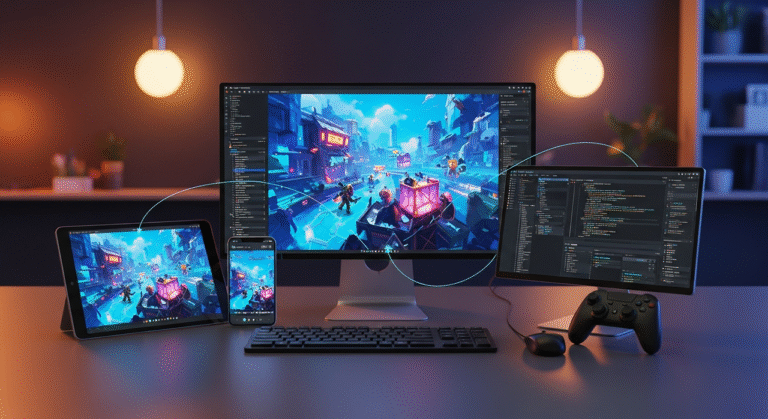

Game background design plays a major role in shaping a game’s atmosphere, visual identity, and player immersion. Whether it’s a stylized 2D platformer, a cinematic open-world adventure, or a minimalist indie game, background art helps define how players emotionally experience the game world.
In modern video games, backgrounds are more than decorative visuals. They guide the player’s attention, support environmental storytelling, establish mood through lighting and color, and help make game worlds feel believable and memorable. From hand-painted fantasy landscapes and pixel art environments to skyboxes, gradients, and stylized 3D worlds, different background design techniques create very different gameplay experiences.
In this guide, we’ll explore different types of game background design used in modern games, including pixel art backgrounds, stylized environments, skybox design, gradient-based visuals, and other popular techniques that help shape memorable game worlds.
Popular Game Background Styles
Different games use different background styles depending on their genre, gameplay, artistic direction, and technical limitations. Each style creates a different emotional tone and visual experience for players.
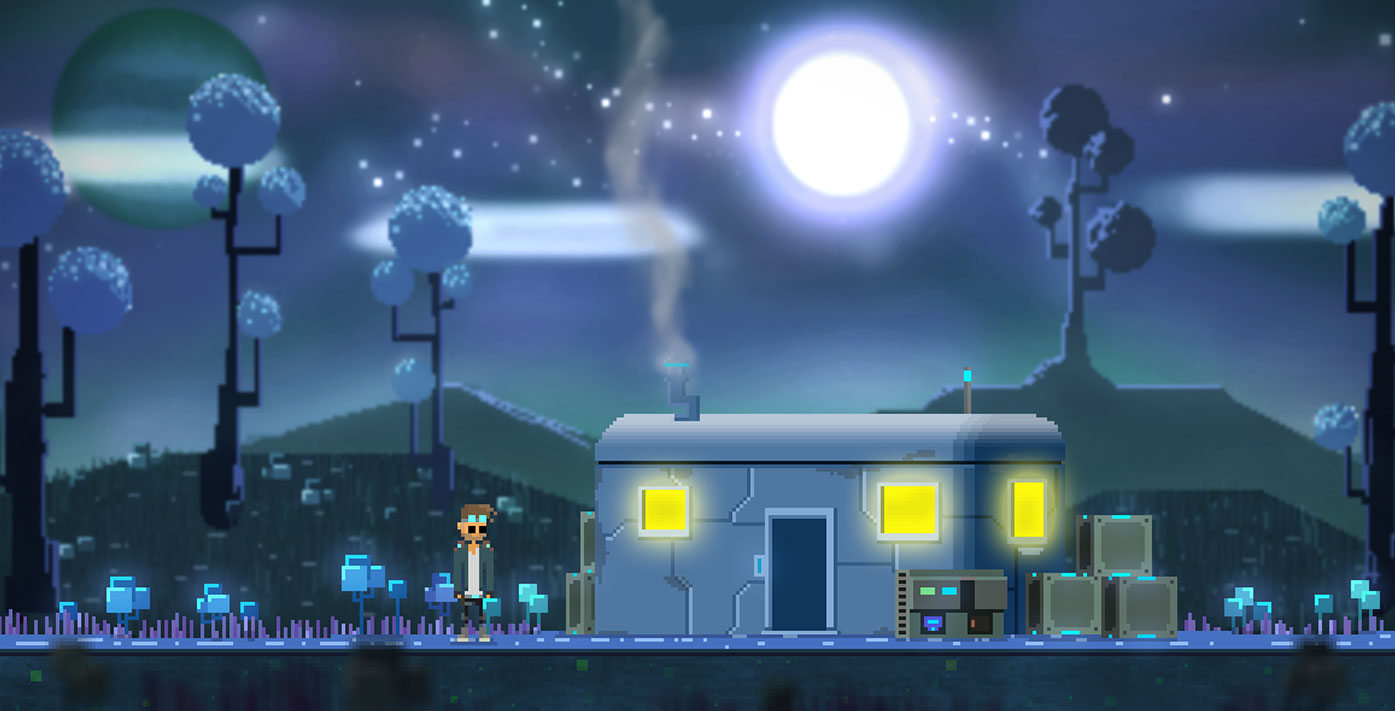
1. Pixel Art Backgrounds
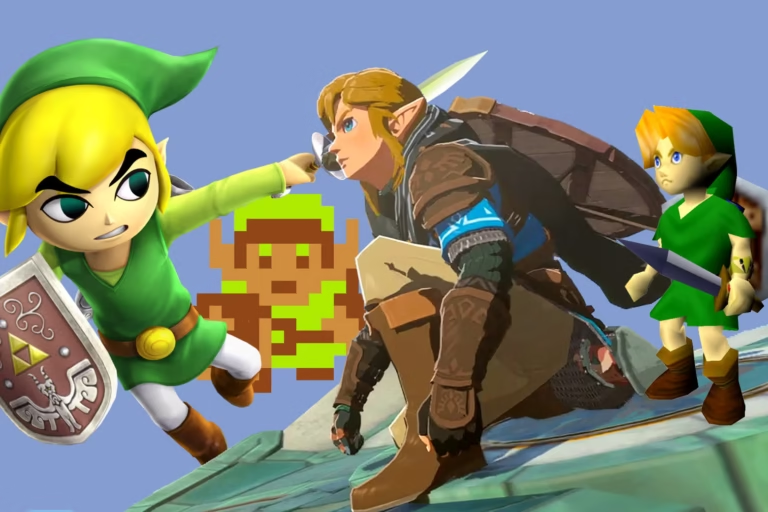
Pixel art backgrounds use low-resolution stylized visuals inspired by retro games. Modern pixel art games often combine nostalgic visuals with advanced lighting and animation techniques to create detailed environments.
2. Hand-Painted Backgrounds
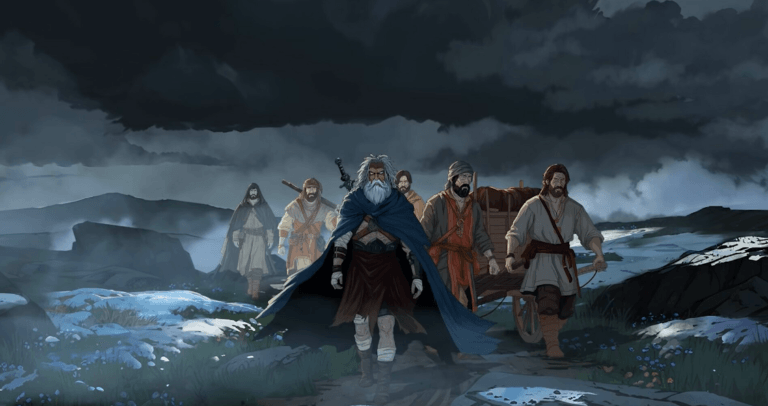
Backgrounds with hand-painted art style are commonly used in fantasy, adventure, and artistic games. These environments focus on painterly textures, atmospheric lighting, and strong color palettes to create immersive worlds.
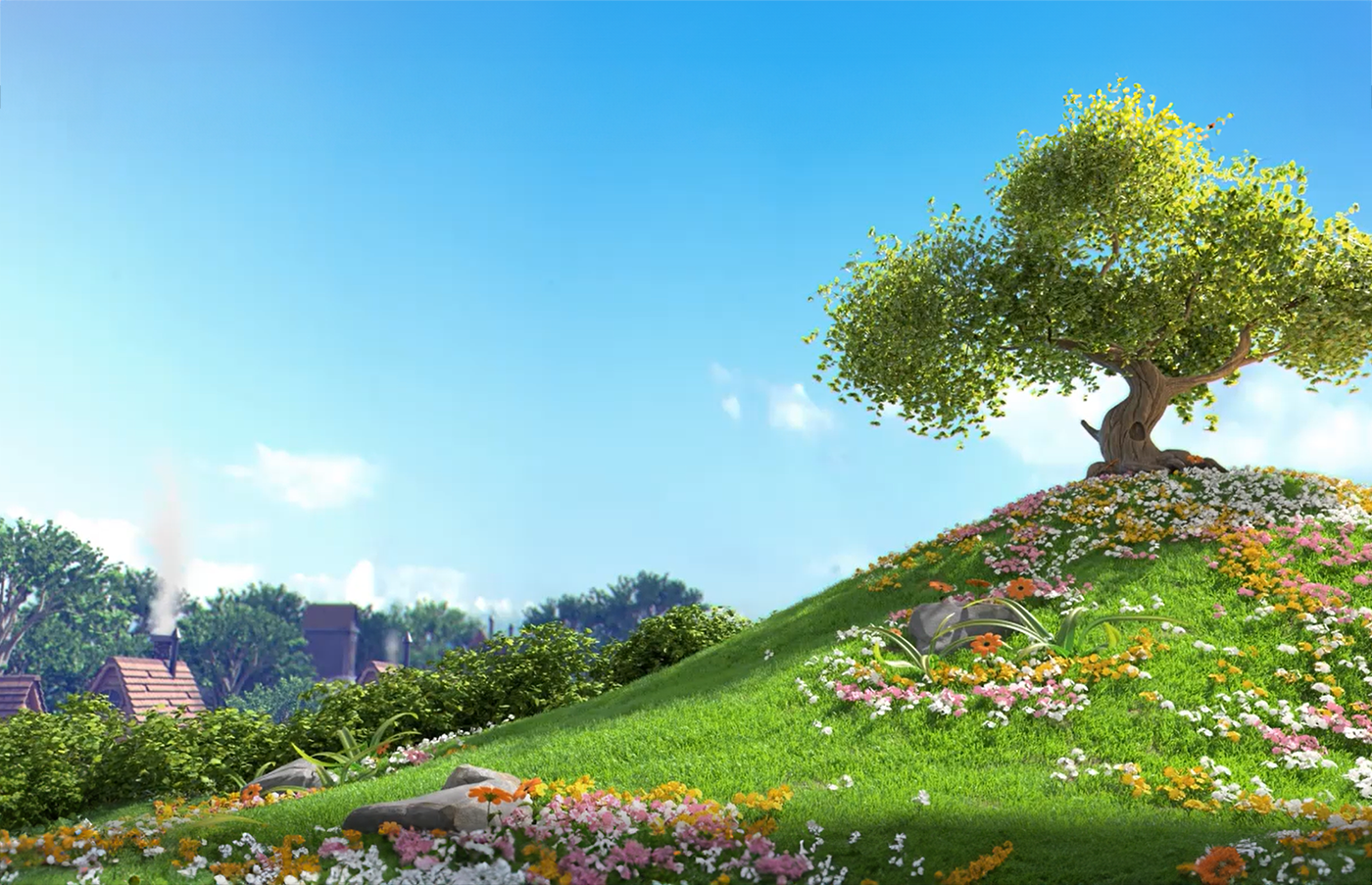
3. Stylized 3D Backgrounds
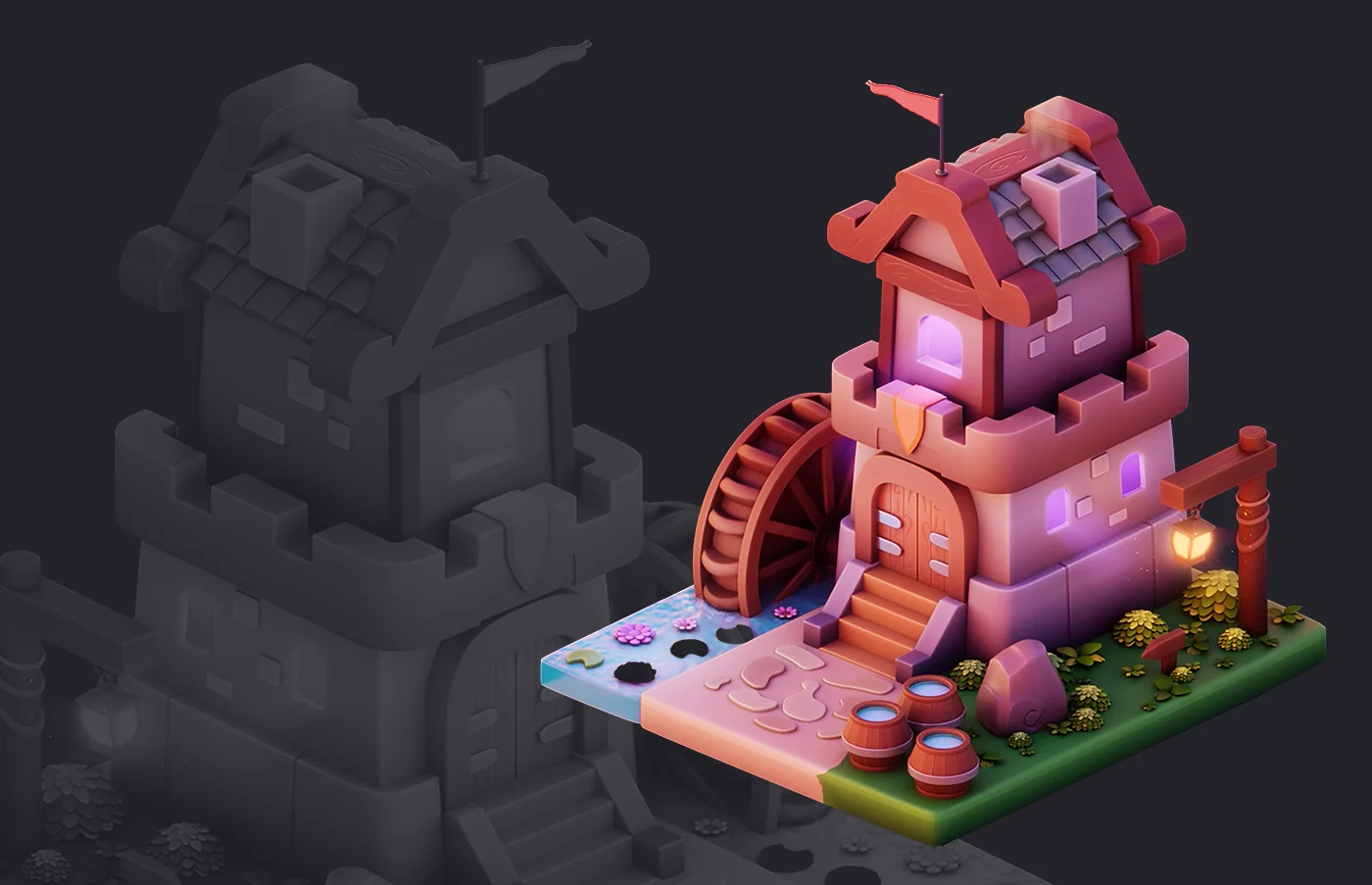
Stylized 3D environments prioritize artistic direction over realism. Exaggerated shapes, simplified textures, and bold colors help games establish strong visual identity while remaining visually timeless.
4. Realistic Backgrounds
Realistic backgrounds focus on physically accurate lighting, textures, and environmental detail. This style is commonly used in AAA games and cinematic experiences to increase immersion.

5. Minimalist Backgrounds
Minimalist backgrounds use simple shapes, gradients, and negative space to create clean visuals and improve gameplay readability. Puzzle games and atmospheric indie games often use this approach.

Game Background Design With Skybox
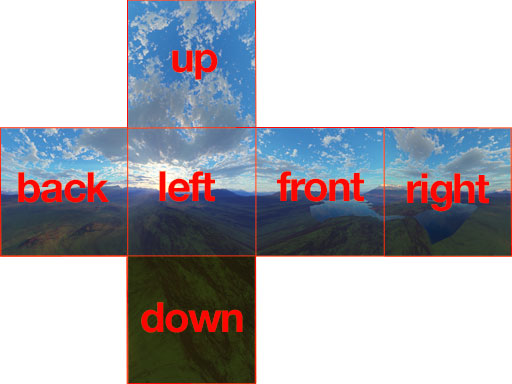
As the name suggests, a Skybox is a game background design technique used to create skies, distant mountains, oceans, outer space, and other unreachable scenery in video games. Instead of rendering massive fully detailed environments, developers use Skyboxes to create the illusion of a huge world while keeping performance optimized.
Games like Rage by Bethesda use Skyboxes to make environments feel vast and atmospheric. The distant mountains and dramatic skies help create a stronger sense of scale without adding heavy rendering costs.
A Skybox is usually built as a large cube surrounding the game level. As shown in the image above, different images are projected onto each side of the cube (front, back, left, right, up, and down). The player remains positioned at the center, causing the background to always appear infinitely far away as the Skybox moves together with the camera.
Modern games often combine Skyboxes with dynamic lighting, clouds, and weather effects to create more cinematic and immersive worlds.
Game Background Design With Patterns
Pattern-based game backgrounds use repeated visual elements, geometric designs, or stylized textures to create visual rhythm and consistency within a game world. This technique is commonly used in puzzle games, arcade games, platformers, and stylized indie titles.
Patterns can help simplify environments while maintaining strong visual identity. Repeating shape language, decorative motifs, and symmetrical layouts often improve readability and make gameplay elements easier to recognize.
Many artistic and minimalist games use pattern-driven backgrounds to create visually memorable worlds without relying on highly detailed environments.

Game Background Design With Gradient & Flat Colors
Gradient and flat-color backgrounds are widely used in modern game design process because they create clean visuals and strong readability while maintaining artistic style. Instead of detailed textures, these backgrounds rely on color transitions, simple lighting, and stylized compositions.
Flat-color environments are especially popular in mobile games, indie games, atmospheric platformers, and minimalist puzzle games. Gradients help create depth, mood, and visual separation without overwhelming the player with detail. This is why color theory in game art is too important.
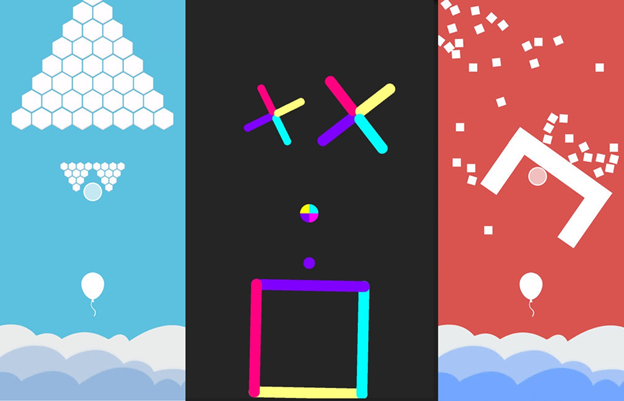
Games with minimalist art direction often use gradients and simplified color palettes to create emotional atmosphere while keeping the visual experience elegant and easy to read. This type of background is commonly used for Hyper-Casual games and Minimalistic Games. “Rise Up” and “Color Switch” are two examples of such games.
Environmental Game Background Design
Environmental background design is one of the most common types of game background design. It includes landscapes, buildings, vegetation, lighting, fog, mountains, and other environmental elements that help shape the atmosphere and world of a game.
In some games, environments are purely visual and only serve an aesthetic purpose. For example, games like Bubble Witch Saga use colorful background environments to make scenes feel lively and magical without directly affecting gameplay.
In other games, the environment becomes part of the gameplay itself. Platformers and adventure games often use cliffs, bridges, platforms, and environmental objects as interactive gameplay elements that players can jump on, climb, or explore.
In 3D game environment design, background artists also create atmospheric elements such as particles, haze, lighting effects, and distant scenery to make worlds feel more immersive. These environmental backgrounds are often combined with Skyboxes to create larger and more believable worlds.
Functional vs. Aesthetic Game Backgrounds
Game backgrounds can also be categorized based on their purpose: aesthetic or functional.
Aesthetic backgrounds mainly support atmosphere and visual identity. These backgrounds are often blurred, simplified, or visually separated from gameplay elements to avoid distracting the player. Many mobile and casual games use this approach to keep the focus on gameplay.
Functional backgrounds, however, directly interact with gameplay. In platformers and exploration games, environmental elements such as platforms, bridges, cliffs, and terrain become part of the level design itself. Players must clearly recognize these elements to navigate and interact with the world effectively.
Balancing readability, atmosphere, and gameplay clarity is one of the most important parts of successful game background design.
How Game Backgrounds Affect Gameplay
Game backgrounds do more than make environments look beautiful. They directly affect gameplay, player focus, navigation, and emotional immersion.
Well-designed backgrounds help guide the player’s attention toward important gameplay elements. Lighting, color contrast, and environmental composition can subtly direct movement and improve readability during gameplay.
Backgrounds also influence emotional tone. Dark environments with fog and shadows can create tension and mystery, while colorful stylized worlds often feel relaxing or adventurous.
In many modern games, environmental storytelling is built directly into the background design. Ruins, lighting, weather, and distant scenery can communicate lore and atmosphere without using dialogue.
Strong game background design balances aesthetics, gameplay clarity, and immersion at the same time.
Game Background Design by Genre
Different game genres use different background design techniques to support gameplay and atmosphere. Different genres require different approaches to game background design depending on pacing, mood, and player interaction.
1. Platformers
Platformers often use layered parallax backgrounds, colorful environments, and readable silhouettes to keep gameplay clear and dynamic.
2. Horror Games
Horror games rely heavily on darkness, fog, shadows, and environmental lighting to create tension and suspense.
3. Fantasy RPGs
Fantasy games typically feature hand-painted landscapes, magical lighting, castles, forests, and atmospheric worldbuilding to create immersive environments.
4. Sci-Fi Games
Science-fiction backgrounds commonly use neon lighting, futuristic architecture, holograms, and large-scale environmental design to create advanced technological worlds.
5. Puzzle & Minimalist Games
Minimalist puzzle games often use flat colors, gradients, and geometric backgrounds to keep the focus on gameplay mechanics and visual clarity.
8 Tips for Creating Better Game Backgrounds
No matter what type of game background you create, strong visual design in game art services can dramatically improve immersion, atmosphere, and gameplay readability. Here are some important techniques used in modern game background design.
1. Use a Consistent Color Palette
A consistent color palette helps all backgrounds feel connected to the same game world. Even beautiful environments can feel disconnected if their colors, lighting, or mood clash with each other.
Strong color harmony improves visual identity and helps establish atmosphere throughout the game.
2. Focus on Lighting
Lighting is one of the most important elements in game environment design services. Good lighting adds depth, mood, realism, and emotional impact to backgrounds.
Even simple environments can become visually stunning with strong lighting, atmospheric fog, shadows, and light rays.
3. Blur Unnecessary Background Elements
If a background only serves an aesthetic purpose, slightly blurring or darkening it can help players focus on gameplay elements more easily.
This technique is commonly used in mobile games, platformers, and side-scrolling games to improve readability and reduce visual distraction.
4. Animate Background Elements
Small environmental animations can make game worlds feel much more alive. Moving clouds, swaying grass, animated particles, rain, fog, or flowing water all help create a more immersive environment.
Even subtle movement can significantly improve atmosphere.
5. Use Parallax Layers
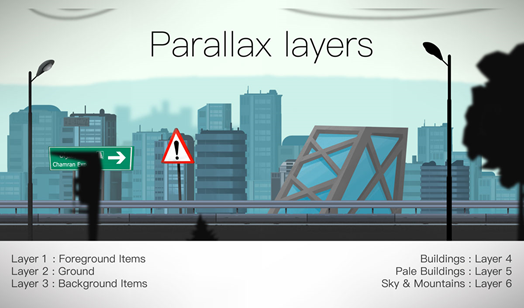
Parallax scrolling creates a sense of depth in 2D games by moving background layers at different speeds. Distant layers move slower, while closer layers move faster.
This technique is widely used in platformers and side-scrolling games to make environments feel larger and more dynamic.
6. Add Particles and VFX
Particles and visual effects in games, such as dust, fog, sparks, snow, rain, or floating debris can add life and atmosphere to a background.
However, visual effects should be used carefully. Too many particles can distract players and negatively affect performance.
Read More: How Vfx Makes Games Better
7. Adjust Background Speed
Changing background movement speed can influence how gameplay feels. Faster-moving backgrounds can make action scenes feel more intense and energetic, especially in racing or fast-paced games.
This technique is often used to increase excitement during important gameplay moments.
8. Experiment With Color and Hue
Flat-color and gradient-based backgrounds become much more interesting when artists experiment with hue, saturation, and lighting changes.
Even small color adjustments can completely change the mood of a scene and strengthen the emotional tone of the game.
Common Mistakes in Game Background Design
Even visually impressive backgrounds can negatively affect gameplay if they are not designed carefully. Here are some of the most common mistakes in game background design.
1. Overly Detailed Backgrounds
Backgrounds with too much detail can distract players and reduce gameplay readability, especially in fast-paced games.
2. Poor Lighting
Weak lighting can make environments feel flat or make important gameplay elements difficult to recognize.
3. Inconsistent Art Direction
Using conflicting styles, colors, or textures can make the game world feel visually disconnected.
4. Too Many Visual Effects
Excessive particles, motion effects, or animated background elements can overwhelm players and hurt performance.
5. Weak Contrast Between Gameplay and Background
Players should immediately distinguish interactive objects from decorative scenery. Poor contrast can create confusion during gameplay.
Final Words
Game background design is a major part of creating immersive and visually memorable experiences. Whether using Skyboxes, stylized environments, gradients, or parallax layers, strong background design helps shape atmosphere, support gameplay, and strengthen a game’s visual identity.
As game art continues to evolve, creative background design remains one of the most powerful tools for building engaging and memorable worlds.