
Starting an animation YouTube channel can be exciting, but choosing a sustainable content idea is often more difficult than learning animation software itself.
A strong animation channel needs more than visually attractive videos. The concept should be clear, repeatable, suitable for the creator’s skills, and realistic for the available production time. An idea that works for a large animation team may be too demanding for a solo creator, while a simple format can become repetitive unless it has a distinctive character, subject, or storytelling approach.
The best animation channel idea is not necessarily the most complex one. It is the idea you can develop into a recognisable series and continue producing without rebuilding the entire visual style for every upload.
This guide presents more than 50 YouTube animation channel ideas for 2D artists, 3D animators, beginners, professional studios, faceless creators, educators, and children’s content producers.
How to Choose an Animation YouTube Channel Idea
Before choosing an animation idea, consider what you can realistically produce on a regular basis.
A channel based on cinematic 3D stories may require modelling, rigging, lighting, rendering, voice acting, and sound design. A simple animated-facts channel may use limited character movement, reusable backgrounds, narration, and motion graphics.
Consider your type of animation and storytelling skills, the time required for each episode, the intended audience, and whether the concept can become a repeatable series. You should also decide whether you prefer producing Shorts, long-form videos, or a combination of both for your social media animated content.
It is usually better to begin with a manageable animation style and improve it gradually than to create one highly ambitious video and then struggle to continue the channel.
Storytelling and Entertainment Animation Ideas
Story-driven animation channels use characters, narration, conflict, and visual humour to keep viewers engaged. These ideas work well for creators who enjoy writing stories, developing fictional worlds, or turning personal experiences into entertaining episodes. Many of these formats can also reuse the same characters, environments, and visual style across multiple videos.
1. Animated Storytime Videos
Turn personal experiences, embarrassing moments, unusual events, or memorable childhood stories into animated videos.
Storytime animation works because the audience follows both the event and the narrator’s personality. You do not need full character animation for every sentence. Reusable poses, facial expressions, simple backgrounds, and visual jokes can keep production manageable.
Possible topics include “My Worst First Day at Work,” “The Strangest Customer I Ever Met,” or “How I Accidentally Ruined a School Trip.”
Best format: Long-form videos with shorter highlights adapted into Shorts.
Difficulty: Beginner to intermediate.
2. An Original Animated Series
Create a recurring cast of characters living in the same world. Each episode can present a new conflict, joke, mission, or relationship problem.
An original series requires more planning at the beginning, but characters, locations, rigs, and props can be reused in later episodes. This makes production more efficient over time and helps viewers become attached to the cast.
The series could focus on roommates, office workers, supernatural creatures, students, robots, or characters living inside a fictional game world.
Best format: Episodic long-form videos and character-based Shorts.
Difficulty: Intermediate to advanced.
3. Animated Short Films
Produce self-contained animated stories with a clear beginning, conflict, and ending.
Short films give creators more freedom than a fixed series because every video can have a different world, character, and visual style. However, this also increases production time because fewer assets can be reused.
A short-film channel can focus on emotional stories, comedy, fantasy, science fiction, or experimental concepts.
Best format: Long-form videos ranging from a few minutes to approximately 15 minutes.
Difficulty: Intermediate to advanced.
4. Animated Horror Stories
Turn original horror stories, urban legends, disturbing encounters, or supernatural events into animated videos.
Horror animation does not always require complex movement. Lighting, sound design, silhouettes, camera framing, and slow environmental changes can create tension with limited animation.
Possible topics include haunted locations, mysterious recordings, strange neighbours, abandoned buildings, or fictional internet legends.
Best format: Narrated long-form episodes and suspenseful Shorts.
Difficulty: Intermediate.
5. Animated Mystery and Detective Stories
Create cases that invite viewers to investigate clues and predict the solution.
Each episode can present a disappearance, theft, unexplained event, or fictional crime. The video may pause before the final explanation and give viewers time to form their own theory.
This format works well as a recurring series because the structure can remain consistent while the case changes.
Best format: Long-form videos and short “solve the mystery” episodes.
Difficulty: Intermediate.
6. Science-Fiction Animation
Build animated stories around robots, artificial intelligence, space exploration, time travel, alien civilisations, or future societies.
Science fiction gives animators freedom to design unusual technology, characters, environments, and social systems. A channel can focus on independent short stories or follow one group of characters across a larger universe.
A limited art style can still work effectively when the ideas and world-building are strong.
Best format: Long-form series, short films, or cinematic Shorts.
Difficulty: Intermediate to advanced.
7. Fantasy Adventure Animation
Create stories involving magical worlds, legendary creatures, heroes, villains, ancient weapons, and imaginary kingdoms.
A fantasy channel can use one continuing narrative or create separate stories based on different characters and regions. World-building videos can also explain the history, magic, factions, or mythology of the fictional setting.
Reusable environments and character assets are important because fantasy production can become visually demanding.
Best format: Episodic long-form videos and lore-focused Shorts.
Difficulty: Intermediate to advanced.
8. Mythology and Folklore Animation
Retell myths, legends, folktales, and traditional stories through animation.
The channel can focus on one culture or compare stories from different regions. You can explain the original legend, animate important scenes, and discuss how the story changed over time.
Possible subjects include Greek mythology, Persian legends, Norse mythology, Japanese folklore, African folktales, and local supernatural creatures.
Best format: Educational storytelling videos and short character introductions.
Difficulty: Intermediate.
9. Animated “What If” Scenarios
Explore imaginary situations by asking a surprising question and showing the consequences.
Examples include “What If Humans Could Breathe Underwater?”, “What If Dinosaurs Still Existed?”, or “What If Every Brand Had a Superhero?”
This format is flexible because it can combine humour, education, science, pop culture, and speculative storytelling. It also works well as a repeatable title structure.
Best format: Both Shorts and long-form videos.
Difficulty: Beginner to intermediate.
10. Animated Life-Lesson Stories
Create fictional or realistic stories that communicate a moral, emotional insight, or practical lesson.
Topics may include friendship, trust, confidence, jealousy, teamwork, honesty, failure, or personal growth. The lesson should emerge naturally from the story instead of feeling like a lecture.
This format can serve children, teenagers, adults, or workplace audiences depending on the visual style and writing.
Best format: Long-form stories and short emotional episodes.
Difficulty: Beginner to intermediate.
Educational Animation Channel Ideas
Educational animation makes difficult, technical, or abstract topics easier to understand. These channel ideas are suitable for creators who enjoy research, teaching, and visual explanation. Clear scripts and accurate information are usually more important than producing highly complex animation.
11. Animated History Videos
Use animation to explain historical events, important figures, inventions, wars, cultures, or social changes.
Maps, timelines, character illustrations, and simplified reenactments can make historical information easier to follow. The animation does not need to be cinematic when the narration and visual organisation are clear.
Possible topics include “How the Roman Army Worked,” “Why Ancient Cities Disappeared,” or “The Invention That Changed Sea Travel.”
Best format: Long-form explainers and short historical facts.
Difficulty: Intermediate.
12. Animated Science Explainers
Explain scientific concepts through visual examples, diagrams, characters, and simplified simulations.
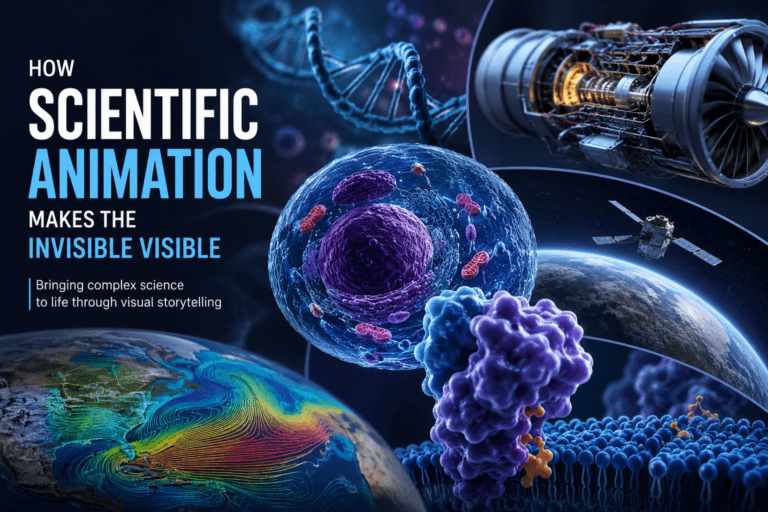
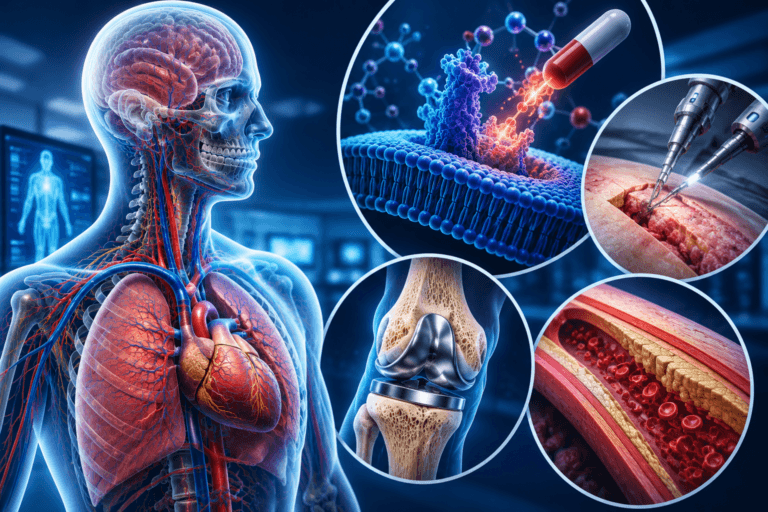
Scientific animation can show processes that are too small, large, fast, slow, or abstract to film. Subjects may include biology, astronomy, physics, chemistry, climate, and the human body.
The content should simplify the presentation without changing the underlying scientific meaning.
Best format: Long-form educational videos and concept-based Shorts.
Difficulty: Intermediate.
13. Technology and AI Animation
Explain software, animation tools, artificial intelligence, rendering engines, cybersecurity, robotics, internet systems, or emerging technologies through animation.
Instead of showing only screenshots and technical diagrams, you can use visual metaphors and animated characters to explain how a system works.
Possible topics include “How Recommendation Systems Work,” “What Happens When You Send an Email?” “How AI Is Transforming Animation?” or “How Does Generative AI Create an Image?”
Best format: Long-form explainers and short technical definitions.
Difficulty: Intermediate.
14. Animated Business and Economics Videos
Use animation to explain companies, industries, business models, financial concepts, and economic events.
Animation can turn abstract topics such as inflation, supply and demand, market competition, or subscription models into clear visual stories.
A channel could also analyse how famous companies make money or why certain businesses succeeded or failed.
Best format: Long-form analysis and short business facts.
Difficulty: Intermediate.
15. Psychology and Human Behaviour Animation
Explain emotions, habits, social behaviour, communication, decision-making, and relationships with animated examples.
Characters can demonstrate situations such as confirmation bias, procrastination, social pressure, anxiety, or conflict resolution.
Avoid presenting general educational content as an individual diagnosis or treatment. The channel should communicate ideas clearly and reference reliable sources for sensitive claims.
Best format: Long-form explainers and relatable scenario Shorts.
Difficulty: Beginner to intermediate.
16. Animated Language-Learning Channel
Teach vocabulary, pronunciation, grammar, and conversation through characters and visual situations.
Instead of presenting isolated words, place the language inside short scenes. For example, characters can order food, ask for directions, attend an interview, or solve a misunderstanding.
Reusable characters and environments make this format particularly suitable for a continuing educational series.
Best format: Short lessons, dialogues, and themed long-form compilations.
Difficulty: Beginner to intermediate.
17. Animated School Lessons
Create visual lessons for mathematics, geography, biology, literature, or other school subjects.
Simple characters, diagrams, and examples can make difficult material more approachable. Each video should answer one specific question instead of trying to cover an entire subject at once.
Possible titles include “How Fractions Actually Work,” “Why Seasons Change,” or “What Is a Metaphor?”
Best format: Focused educational videos and short revision clips.
Difficulty: Beginner to intermediate.
18. Animated News and Context Videos
Use animation to explain the background behind important events rather than simply repeating headlines.
Maps, timelines, charts, and character-based examples can help viewers understand why an event matters and what led to it.
This format requires consistent research and careful fact-checking. It is better suited to creators who can publish accurately than those trying to respond to every breaking story.
Best format: Long-form context videos and short visual summaries.
Difficulty: Intermediate to advanced.
19. “How Things Work” Animation
Explain how machines, products, systems, and everyday objects function.
Topics could include engines, elevators, cameras, batteries, printers, traffic lights, water-treatment systems, or musical instruments.
2D diagrams work well for simple explanations, while 3D animation is useful when the viewer needs to understand depth, internal components, or mechanical movement.
Best format: Long-form technical explainers and short mechanism demonstrations.
Difficulty: Intermediate to advanced.
20. Animated Book Summaries
Summarise the key ideas, characters, or lessons from books through animation.
A nonfiction channel can explain the main concepts of business, psychology, or personal-development books. A literature channel can summarise plots, characters, and themes.
The summary should use original narration and visual interpretation rather than reproducing large parts of the source.
Best format: Long-form summaries and short key-idea clips.
Difficulty: Beginner to intermediate.
Comedy and Character-Based Animation Ideas
Comedy animation channels rely on recognisable characters, relatable situations, strong timing, and expressive reactions. A small recurring cast can create many episodes without requiring completely new assets for every upload. These formats are especially effective for Shorts, sketches, and ongoing character series.
21. Character Comedy Skits
Create short animated situations built around recurring characters and their personalities.
The comedy may come from misunderstandings, exaggerated reactions, conflicting personalities, or unexpected endings. Reusing the same cast helps viewers understand each character quickly.
A strong skit usually focuses on one simple situation rather than a complicated plot.
Best format: Shorts and short episodic videos.
Difficulty: Beginner to intermediate.
22. Workplace or School Comedy
Base the channel around familiar experiences in an office, school, university, studio, restaurant, or retail environment.
Everyday situations are easy for viewers to recognise. Possible episodes include group projects, difficult clients, awkward meetings, strict teachers, office politics, and deadline panic.
A consistent location also reduces the number of backgrounds and assets needed.
Best format: Shorts and recurring episodic videos.
Difficulty: Beginner to intermediate.
23. Animated Parody and Satire
Use animation to comment on trends, industries, fictional genres, or familiar cultural situations.
A parody should do more than copy the original subject. It needs a new joke, criticism, perspective, or transformation.
Original characters and fictional brands can reduce dependence on existing copyrighted material while giving the channel a stronger identity.
Best format: Shorts, sketches, and longer commentary videos.
Difficulty: Intermediate.
24. Fan Animation
Create original animated interpretations inspired by games, films, series, or fictional characters you admire.
Fan animation can attract viewers who already care about the subject, but it also creates intellectual-property limitations. Use original animation and meaningful transformation, and avoid presenting unofficial work as authorised content.
It is safer to use fan animation as part of a broader portfolio rather than building the entire business around characters you do not own.
Best format: Shorts, fight scenes, alternate scenes, and tribute films.
Difficulty: Intermediate to advanced.
Read More: FIFA World Cup Animated Commercial Ideas
25. Animated Reaction Videos
Create an animated host or animated influencer that reacts to stories, trends, designs, games, films, or unusual situations.
The value should come from the creator’s commentary, analysis, or humour rather than simply replaying someone else’s content.
A reusable animated presenter can make a faceless channel feel more personal and recognisable.
Best format: Long-form commentary and reaction Shorts.
Difficulty: Beginner to intermediate.
26. Meme Animation
Turn relatable situations, internet jokes, or original meme concepts into short stop motion animations.
Because trends can disappear quickly, build the channel around a recognisable character or style rather than depending entirely on existing memes.
Simple movement, strong timing, facial expressions, and sound design are often more important than detailed animation.
Best format: Shorts.
Difficulty: Beginner.
27. Talking Objects
Create characters from everyday objects, food, tools, machines, or household items.
The humour can come from the contrast between the object’s purpose and personality. A tired alarm clock, jealous coffee mug, or dramatic office printer can produce many repeatable situations.
This is also useful for branded animation because products can become characters.
Best format: Shorts and short comedy episodes.
Difficulty: Beginner to intermediate.
28. Animated Music and Lyric Videos
Create original animated music videos, lyric animations, visualisers, or animated performances.
The visual approach can range from simple kinetic text and looping scenes to fully animated character narratives. Independent musicians may need distinctive visuals even when they do not have the resources for live-action production.
Use music you created, licensed, or have permission to use.
Best format: Full-length music videos and short promotional clips.
Difficulty: Beginner to advanced, depending on scope.
29. Mascot-Led Commentary
Design an original mascot that presents opinions, explains topics, or introduces videos.
The mascot may be a human, creature, robot, food item, or abstract shape. A strong mascot needs a clear silhouette, personality, voice, and consistent behaviour.
This format can connect several content types under one recognisable channel identity.
Best format: Shorts and long-form commentary.
Difficulty: Intermediate.
30. Animated Reviews
Review games, films, products, books, or software using an animated presenter and visual examples.
Animation can make the review more entertaining by showing exaggerated reactions, imaginary scenarios, or simplified comparisons.
The review should remain the main value. Avoid spending so much time on animation that the information becomes outdated before publication.
Best format: Long-form videos with short review highlights.
Difficulty: Beginner to intermediate.
Animation Process and Artist Channel Ideas
These channels focus on the animation pipeline and how character art is created rather than only presenting the final result. They are useful for attracting artists, animation students, clients, and viewers interested in behind-the-scenes production. Creators can turn their normal design and animation process into tutorials, breakdowns, challenges, and time-lapse content.
31. Animation Tutorials
Teach viewers how to animate characters, build rigs, create effects, or improve movement.
A tutorial channel can focus on one software workflow, one animation discipline, or a broader learning path. Clear explanations and visible results are more valuable than showing every menu and button.
Possible topics include 12 principles of animation, walk cycles, facial animation tips, timing, weight, lip-sync, lighting, or rendering techniques.
Best format: Long-form tutorials and short technique tips.
Difficulty: Intermediate.
32. Behind-the-Scenes Animation Production
Show how an animated scene moves from idea to final result.
Episodes can cover scriptwriting, storyboarding, concept art, modelling, rigging, animation, lighting, sound, and editing. This helps viewers understand the work behind finished animation.
You can use current projects or create small demonstration scenes specifically for the channel.
Best format: Long-form breakdowns and process Shorts.
Difficulty: Intermediate.
33. Character Design Challenges
Create characters based on a prompt, limitation, theme, character color palette, or random combination.
Examples include “Designing a Villain Using Only Circular Shapes,” “Turning a Household Object Into a Hero,” or “Creating Three Characters From the Same Silhouette.”
These challenges are repeatable and allow viewers to compare the idea, sketches, and final design.
Best format: Long-form process videos and design-reveal Shorts.
Difficulty: Beginner to intermediate.
34. Character Redesign and Makeover Videos
Redesign old characters, weak concepts, public-domain characters, or your own early artwork.
Explain what was not working and show how changes to shape language, costume, color theory, anatomy, or silhouette improve the design.
This format is more helpful when the video explains the decisions instead of only showing a before-and-after image.
Best format: Long-form videos and transformation Shorts.
Difficulty: Intermediate.
35. Animation Scene Breakdowns
Analyse why a particular movement, shot, or scene works.
You can discuss posing, timing, spacing, camera movement, staging, acting, visual effects, or editing. Use your own demonstrations whenever possible.
This content is useful for animation students and can establish professional expertise.
Best format: Long-form analysis and short animation tips.
Difficulty: Intermediate to advanced.
36. Speed Animation and Time-Lapse Videos
Record the creation of a character, environment, effect, or animation and present it at a faster speed.
Time-lapse videos are easier to produce when combined with narration explaining the important decisions. Without context, they may become visually pleasant but less educational.
A completed reveal at the beginning can also give viewers a reason to watch the process.
Best format: Short and medium-length videos.
Difficulty: Beginner.
37. Storyboard and Animatic Channel
Create storyboards, animatics, and rough visual storytelling exercises.
You can adapt original scripts, show alternate ways to stage the same scene, or explain how camera choices affect emotion and clarity.
Because animatics require less production than final animation, this format is suitable for creators who want to focus on directing and storytelling in animated content.
Best format: Long-form scene studies and short storyboard comparisons.
Difficulty: Beginner to intermediate.
Read More: Animatic vs Animation
3D Animation YouTube Channel Ideas
Different types of 3D animation channels can focus on storytelling, 3D product visualisation, technical demonstrations, simulations, or cinematic projects. While 3D production can require more modelling, rigging, lighting, and rendering work, reusable assets can make future videos more efficient. These ideas are suitable for experienced artists, animation teams, and creators building a professional portfolio.
38. 3D Product Animation
Create animated product demonstrations, commercials, and visual experiments.
Products can rotate, separate into components, change materials/textures, or interact with abstract environments. You can use fictional product concepts, your own designs, or client-approved work.
This type of channel can also function as a professional portfolio for 3D product animation services.
Best format: Short commercials, breakdown videos, and Shorts.
Difficulty: Intermediate to advanced.
Read More: Benefits of 3D Visualization
39. 3D Character Shorts
Create short scenes featuring original 3D characters.
The episodes can focus on comedy, action, daily life, emotional moments, or visual experiments. Using a small cast and a limited number of environments makes regular production more realistic.
A strong character can later support longer episodes, games, merchandise, or brand partnerships.
Best format: Shorts and short episodic videos.
Difficulty: Intermediate to advanced.
40. Game Cinematics and Trailer Concepts
Create fictional game trailers, character introductions, combat scenes, or cinematic sequences.
You do not need to develop a complete game. The channel can focus on visual storytelling, world-building, and cinematic presentation.
Clearly label fictional trailers and concept projects so viewers do not mistake them for official game releases.
Best format: Short cinematic videos and production breakdowns.
Difficulty: Advanced.
41. Architectural Animation
Create animated tours of interiors, buildings, landscapes, and future developments using architectural animation software.
The channel can show realistic 3D architectural walkthroughs, stylised architecture, lighting comparisons, or transformations from empty spaces to finished designs.
Adding design explanation makes the content more useful than simply publishing silent camera tours.
Best format: Long-form walkthroughs and transformation Shorts.
Difficulty: Intermediate to advanced.
42. Industrial and Technical Animation
Explain machines, manufacturing systems, energy processes, engineering designs, and technical products through 3D industrial animation services.
This content can show internal components, assembly steps, material flow, maintenance procedures, or safety information.
A technical animation channel can attract both educational viewers and potential business clients.
Best format: Long-form explainers and short mechanical demonstrations.
Difficulty: Advanced.
Read More: Advantages of 3D Modeling in Engineering
43. Satisfying 3D Simulations
Create visually satisfying simulations involving fluids, particles, cloth, destruction, soft bodies, or procedural movement.
The strongest videos usually have a simple setup, clear visual payoff, and polished sound design. You can also explain how the simulation was created to add educational value.
Avoid making every upload a minor variation of the same template.
Best format: Shorts and process breakdowns.
Difficulty: Intermediate to advanced.
44. Low-Poly 3D Stories
Use simple geometry, flat colours, and lightweight environments to tell short stories.
Low-poly visuals can reduce modelling and rendering time while still creating a distinctive identity. Strong composition, lighting, and sound design are important because the assets contain fewer details.
This is a practical option for independent 3D animators who cannot produce cinematic realism regularly.
Best format: Shorts, short films, and episodic stories.
Difficulty: Intermediate.
Kids and Family Animation Ideas
Animation is not just for kids. Kids and family animation should use clear stories, age-appropriate language, readable visuals, and simple messages. Repetition, friendly characters, music, and interactive moments can help younger viewers understand and remember the content. Creators should define a specific age group because preschool viewers have different needs from older children.
45. Animated Nursery Rhymes
Create original or properly licensed nursery rhymes using kid’s animation services and simple visual storytelling.
The characters, environments, and movement should remain clear and age-appropriate. Reusable songs, characters, and visual themes can make the production more efficient.
Original music and characters can also create a more recognisable channel identity than relying only on familiar songs.
Best format: Full songs, compilations, and short sing-along clips.
Difficulty: Intermediate.
46. Preschool Learning Cartoons
Teach letters, numbers, colours, shapes, animals, and basic daily concepts through animation.
Young viewers benefit from these kids’ animation repetition, clear pronunciation, simple movement, and uncluttered visuals. A recurring teacher character or mascot can guide each lesson.
The channel should focus on a specific age range rather than treating all children as one audience.
Best format: Short lessons and themed compilations.
Difficulty: Beginner to intermediate.
47. Animated Bedtime Stories
Create calm stories designed for evening or quiet viewing.
The cartoon style can use soft colours, gentle movement, simple backgrounds, and slower narration. Stories may be original, licensed, or based on material that is legally available to adapt.
A recurring narrator or comforting character can make the channel feel familiar.
Best format: Medium-length stories and longer compilations.
Difficulty: Beginner to intermediate.
Read More: How to Create an Engaging Kid’s Animation
48. Interactive Guessing Cartoons
Create interactive animations that ask children to identify an animal, colour, shape, sound, shadow, or object.
The animation can reveal clues gradually, pause for the viewer to answer aloud, and then show the correct result.
This format creates participation inside the viewing experience without depending on comments or external interaction.
Best format: Short episodes and themed compilations.
Difficulty: Beginner.
49. Animated Social-Skills Stories
Teach sharing, patience, safety, teamwork, communication, and emotional awareness through short character stories.
Instead of directly explaining the rule, show characters facing a familiar problem and learning from the outcome.
The situations should be specific and age-appropriate, such as waiting for a turn, apologising, asking for help, or handling disappointment.
Best format: Short narrative episodes.
Difficulty: Beginner to intermediate.
50. Animated Animal Adventures
Create a recurring cast of animal characters who explore, solve problems, or learn about the world.
Animals are visually flexible and can support comedy, education, adventure, or emotional storytelling. Each character should have a clear personality and recognisable silhouette.
The channel may focus on fictional adventures or introduce real facts through the story.
Best format: Episodic videos, Shorts, and compilations.
Difficulty: Intermediate.
Faceless and Short-Form Animation Ideas
Faceless animation channels allow creators to publish stories, facts, commentary, and visual jokes without appearing on camera. These formats often use narration, text, animated characters, icons, or simple motion graphics. They can be practical for solo creators because the visual system and assets can be reused across many Shorts and long-form videos.
51. Animated Facts and List Videos
Present unusual facts, comparisons, rankings, or short explanations with animation.
The visuals may include characters, icons, maps, diagrams, or simple 3D scenes. Avoid using unrelated stock footage merely to fill the screen; each visual should support the information.
Possible topics include animals, science, countries, technology, games, or films.
Best format: Both Shorts and long-form lists.
Difficulty: Beginner.
52. Looping Animation Shorts
Create short animations that return smoothly to their starting point.
Loops can feature character reactions, visual transformations, machines, environments, or satisfying movement. The idea should have a clear visual surprise rather than relying only on endless repetition.
A looping format is especially useful for practising timing and creating short-form content with limited assets.
Best format: Shorts.
Difficulty: Beginner to intermediate.
53. Animated Visual Jokes
Build each video around one short setup and a visual punchline.
The joke may involve scale, timing, transformation, character expectations, or an object behaving unexpectedly. Dialogue is optional, which makes the format suitable for international audiences.
Strong posing and sound effects can make a simple joke more effective than complex animation.
Best format: Shorts.
Difficulty: Beginner.
54. Faceless Animated Commentary
Use narration, text, diagrams, and animated scenes without appearing on camera.
This format can cover education, opinions, stories, reviews, or industry analysis. A consistent visual identity and narrator style are important because viewers do not see the creator directly.
Original research, writing, and interpretation should remain the main value of the channel.
Best format: Long-form videos and short commentary clips.
Difficulty: Beginner to intermediate.
55. Animated Comparisons
Compare two products, ideas, characters, technologies, historical periods, or creative approaches through animation.
The visual structure can show differences side by side, demonstrate consequences, or place both options in the same scenario.
Possible topics include “2D vs. 3D Animation cost,” “Modeling vs. Sculpting,” “Maya vs. Blender“, “PBR vs. NPR“, or “Realistic vs. Stylised Art Styles.”
Best format: Long-form explainers and short comparisons.
Difficulty: Beginner to intermediate.
How to Turn One Animation Idea Into a Series
A successful channel rarely needs a completely new concept for every upload. It needs a repeatable format that can produce many episodes.
Begin by defining the elements that remain consistent. These may include the narrator, main character, visual style, episode structure, duration, or type of question being answered.
For example, a “What If” channel can keep the same basic structure:
- Introduce the imaginary situation.
- Explain the immediate effect.
- Show the wider consequences.
- End with an unexpected result or question.
A character-comedy channel can reuse the same cast and environment while changing the situation. An educational channel can use the same visual system for every topic.
Before committing to a large series, produce three pilot videos. This will help you measure how long the format takes, which assets can be reused, and whether the idea remains interesting after the first episode.
Create Reusable Animation Assets
Reusable assets can significantly reduce production time. Depending on the channel, these may include character rigs, facial expressions, hand poses, backgrounds, props, transitions, sound effects, title cards, lighting setups, or animation cycles.
Asset reuse should improve efficiency without making every video look identical. Change the staging, camera, dialogue, and central idea while preserving the production system.
Choose a Realistic Upload Schedule
Using animation services usually requires more production time than commentary recorded directly on camera. Your upload schedule should reflect the complexity of the format.
A solo creator producing detailed 3D animation may publish less frequently than a creator using simple 2D animation. Consistency does not require publishing every day. It requires choosing a schedule you can continue without reducing quality or abandoning the project.
Use Shorts and Long-Form Videos Together
Shorts and long-form videos can support different parts of the same channel.
A long educational video can produce several short clips, each explaining one fact. An original series can use Shorts for character jokes, reactions, or episode previews. A tutorial channel can turn one long lesson into several focused tips.
The content should be adapted rather than simply cropped. Short-form videos usually need a faster opening and one clearly defined idea.
What Animation Method Should You Use?
The right production method depends on the channel concept.
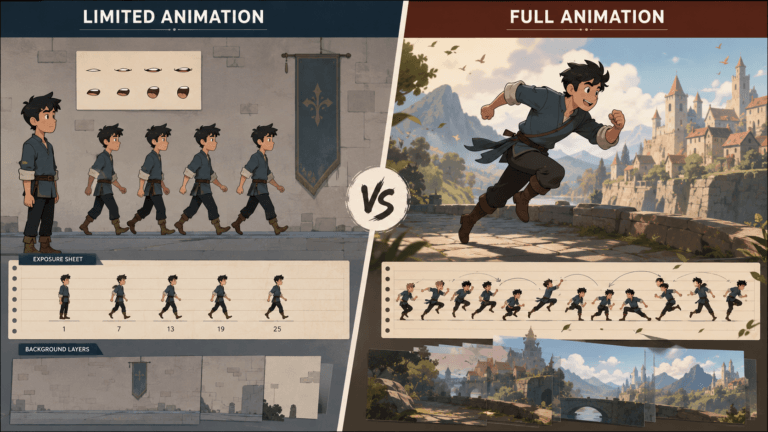
Simple 2D animation types are useful for storytime videos, explainers, comedy, and recurring characters. Frame-by-frame animation gives 2D animators more expressive freedom but generally requires more production time.
Motion graphics work well for educational content, business topics, data, and technology explanations. Three-dimensional animation is suitable for products, architecture, technical systems, game cinematics, and reusable character assets.
AI-assisted production can also be useful for channels that need faster concept development, visual experimentation, or frequent short-form content. Professional AI animation services can combine generated visuals with art direction, editing, character consistency, compositing, and manual corrections to create more production-ready results.
You can also combine methods through a hybrid workflow, using 2D animation, 3D assets, AI-generated elements, motion graphics, and live-action references within the same production.
Choose the simplest method that can communicate the idea at the required quality level.
Pixune Studio Insights: How to Choose an Animation Style for a YouTube Channel
At Pixune Studios, we believe choosing the right animation style for a YouTube channel depends on the target audience, content format, and long-term production needs. A successful style should not only look appealing but also remain consistent across multiple episodes.
For children’s content and nursery rhyme channels, animation styles need to focus on colorful visuals, expressive characters, simple storytelling, and clear movements that keep young audiences engaged.
For story-driven channels, character-focused animation helps build recognizable personalities and stronger connections with viewers.
For channels producing frequent videos, scalable styles are important to maintain quality while keeping production efficient.
Example: Happy Derik Nursery Rhyme Animation
For Happy Derik, Pixune created a colorful character-based animation style designed for children’s entertainment. The project focused on creating appealing characters, expressive animations, and a friendly visual style that could support engaging nursery rhyme content.
This project shows how choosing the right animation style helps create a recognizable identity while meeting the production needs of regular children’s content.
Based on our experience creating animated content, the best YouTube animation style balances audience expectations, visual appeal, and production efficiency.
Conclusion
The best YouTube animation channel idea is one that combines originality with repeatable production.
Detailed 3D cinematics can attract attention, but they may not be practical for frequent uploads. Simple 2D characters, animated diagrams, or limited-motion stories can also build a strong audience when the writing and visual identity are clear.
Begin with a specific concept, create several pilot videos, and measure the true production time. Build reusable characters and environments where appropriate, but make sure each episode offers a new story, lesson, joke, or visual experience.
The animation does not need to be the most complex on YouTube. It needs to make the content clearer, more memorable, or more entertaining.

![1405,02,10 SnpLE[Cover HD] 1](https://pixune.com/wp-content/uploads/2026/08/14050210-SnpLECover-HD-1-768x431.jpg)