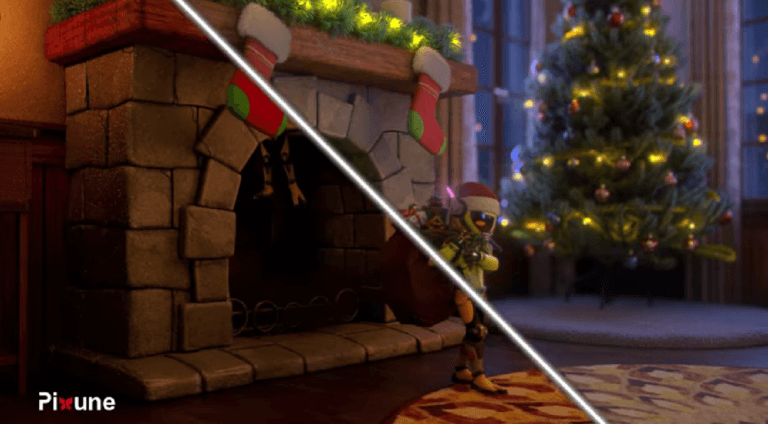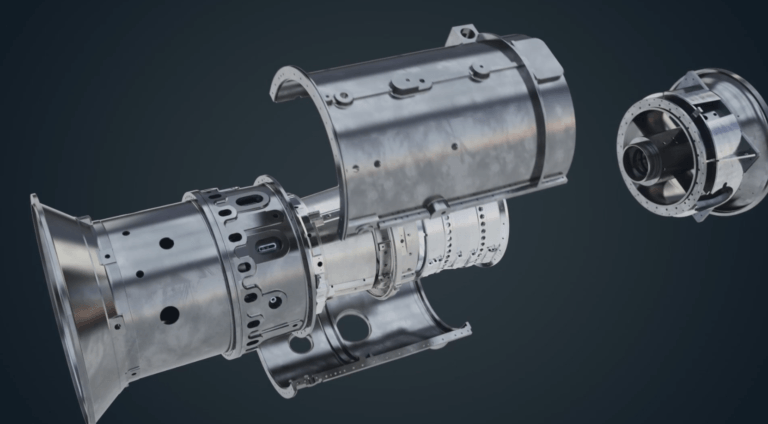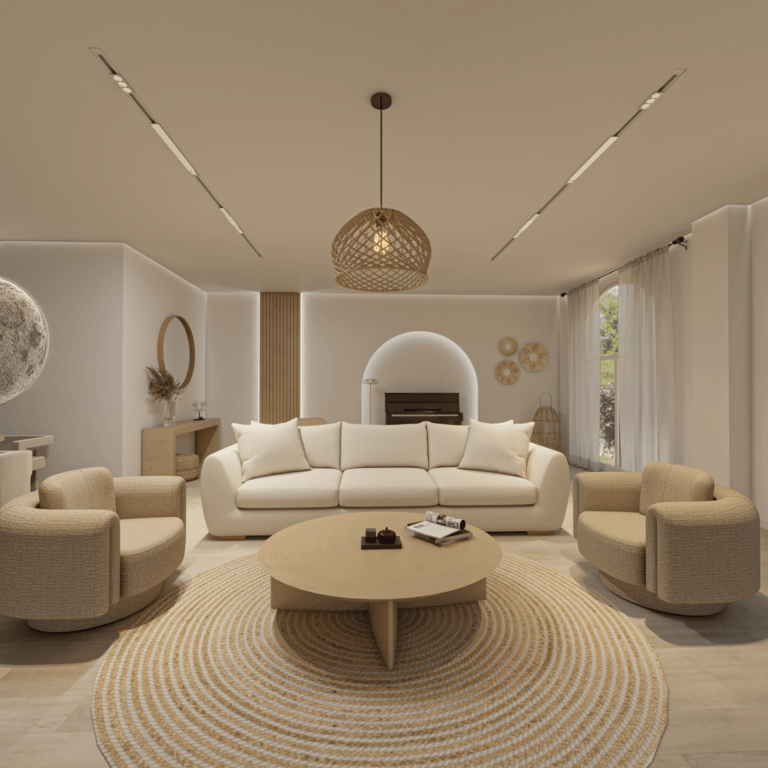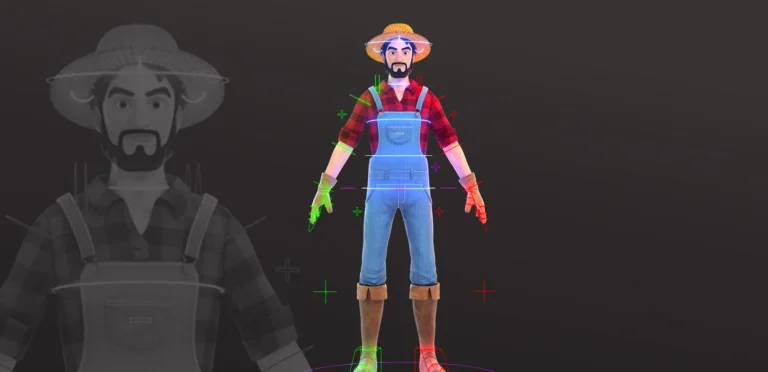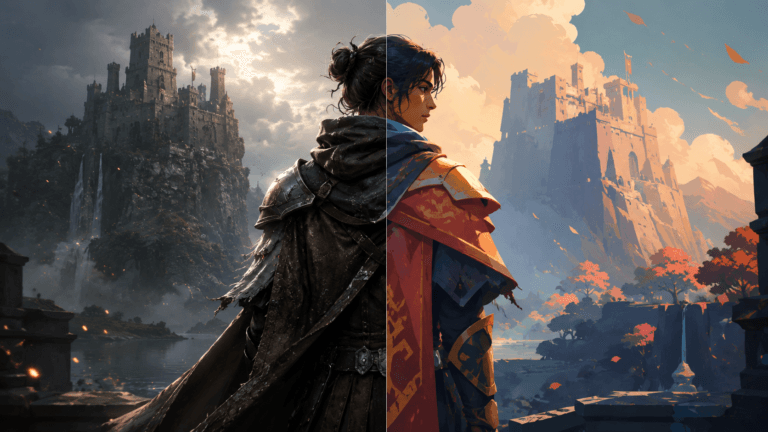

Rendering is a core part of creating visuals in animation, games, and digital art. It is the process of converting 3D models, lighting, and textures into final images or frames that viewers see on screen. Whether you are working on a video game, animated film, or architectural visualization, the rendering technique you choose plays a major role in the final look and performance of your project.
From highly realistic imagery to stylized visuals, different rendering techniques offer unique advantages depending on your goals. In this article, we explore the most common rendering techniques, how they work, and when to use them.
What Is Rendering?
Rendering is the process of generating a final image from a 2D or 3D scene using specialized rendering software. This scene typically includes:
- 3D models
- 3D lighting techniques
- Materials and textures
- Camera settings
The rendering engine calculates how light interacts with objects to produce a final image.
3D rendering is widely used in:
- Video games
- Animated films
- Product visualization
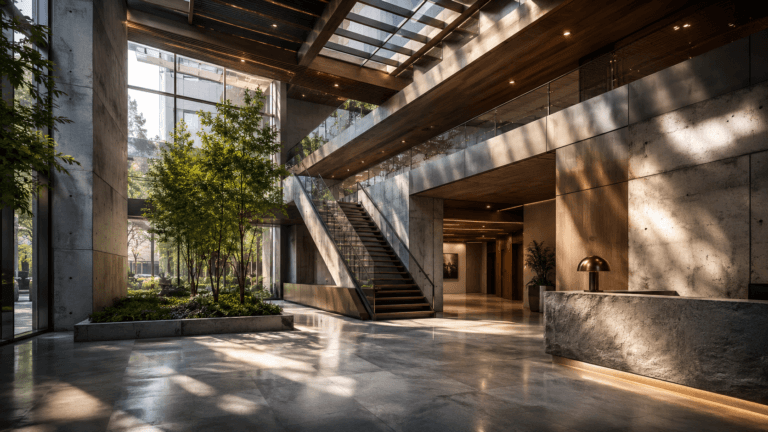
- Architecture and interior design
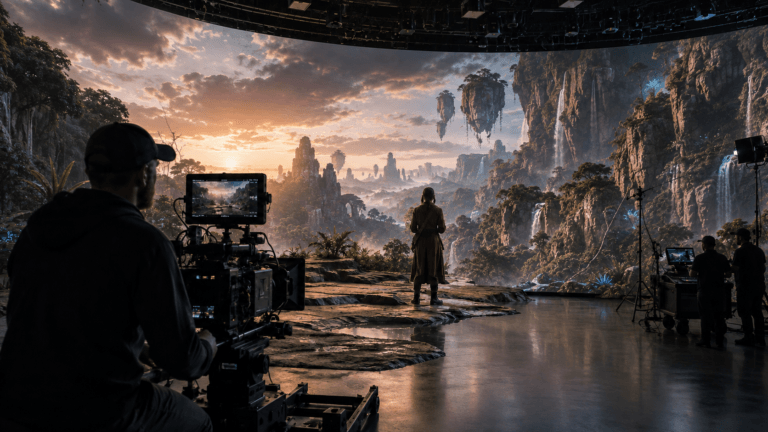
- Visual effects
Why Rendering Techniques Matter
Different rendering techniques affect both visual quality and performance.
Some techniques focus on realism, while others prioritize speed or stylization. Choosing the right method can help you:
- Achieve the desired visual style
- Optimize performance for real time applications
- Reduce production time
- Improve visual storytelling
Types of Rendering Techniques
There are several major rendering techniques used in modern digital production. Each has its own strengths and ideal use cases.
1. Rasterization
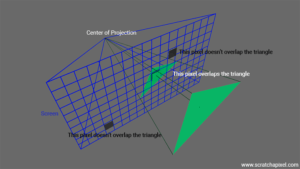
Rasterization is one of the most widely used rendering techniques, especially in real time applications like video games.
How it works:
- Converts 3D objects into 2D pixels
- Uses shaders to determine color and lighting
- Prioritizes speed over physical accuracy
Advantages:
- Very fast and efficient
- Ideal for real time rendering
- Works well on most hardware
Disadvantages:
- Less realistic lighting compared to advanced methods
Rasterization is commonly used in game engines such as Unreal Engine or Unity.
2. Ray Tracing
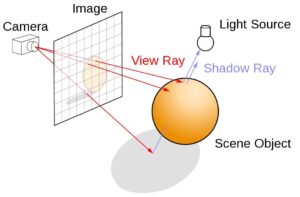
Ray tracing is a rendering technique that simulates how light behaves in the real world.
How it works:
- Traces rays of light from the camera into the scene
- Calculates reflections, shadows, and refractions accurately
Advantages:
- Highly realistic lighting
- Accurate reflections and shadows
- Physically based rendering
Disadvantages:
- Computationally expensive
- Requires powerful hardware
Ray tracing is often used in high end games, films, and visual effects.
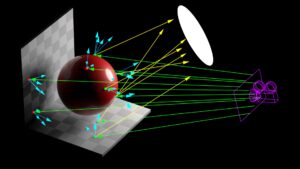
3. Path Tracing
Path tracing is an advanced form of ray tracing that produces even more realistic results.
How it works:
- Simulates multiple light bounces
- Calculates global illumination
- Produces natural lighting and soft shadows
Advantages:
- Extremely realistic visuals
- Accurate light behavior
Disadvantages:
- Very slow rendering times
- Requires significant computing power
Path tracing is commonly used in film production and high quality renders.
4. Global Illumination
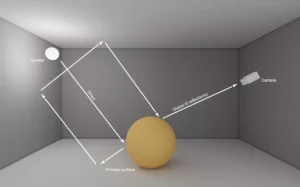
Global illumination refers to techniques that simulate how light bounces between surfaces.
How it works:
- Calculates both direct and indirect lighting
- Creates more natural and immersive scenes
Advantages:
- Realistic lighting
- Better depth and atmosphere
Disadvantages:
- Can increase render time
Global illumination is often used alongside ray tracing and path tracing.
5. Real Time Rendering
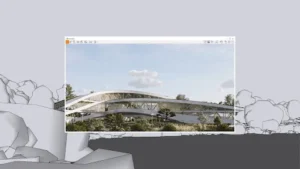
Real time rendering is designed to produce images instantly, usually at 30 to 60 frames per second or more.
How it works:
- Uses optimized techniques like rasterization
- Balances quality and performance
Advantages:
- Instant feedback
- Ideal for dynamic games, interactive animations, and applications
Disadvantages:
- Limited realism compared to offline rendering
Real time rendering is essential for video games, virtual reality, and simulations.
6. Non Photorealistic Rendering
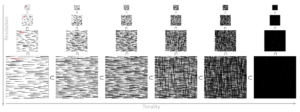
Non photorealistic rendering focuses on stylized visuals instead of realism.
How it works:
- Uses artistic shading techniques
- Mimics styles such as cartoons, sketches, or paintings
Advantages:
- Unique artistic styles
- Creative flexibility
Disadvantages:
- Not suitable for realistic projects
This technique is often used in animated films and stylized games.
Comparing Rendering Techniques
Each rendering method serves a different purpose. Here is a quick comparison:
| Technique | Speed | Realism | Use Case |
|---|---|---|---|
| Rasterization | Fast | Medium | Games |
| Ray Tracing | Medium | High | Games and films |
| Path Tracing | Slow | Very high | Film production |
| Real Time Rendering | Very fast | Medium | Interactive media |
| Non Photorealistic | Fast | Stylized | Animation and art |
How to Choose the Right Rendering Technique
Choosing the right rendering technique depends on your project goals.
1. For Video Games
Rasterization and real time rendering are the most practical choices due to performance requirements.
2. For Films and Animation
Ray tracing and path tracing provide the realism needed for cinematic visuals.
3. For Stylized Projects
Non photorealistic rendering allows artists to create unique visual styles.
4. For Architectural Visualization
Global illumination and ray tracing help achieve realistic lighting and materials.
Rendering in Modern Production
Modern pipelines often combine multiple rendering techniques.
For example:
- Games may use rasterization with ray tracing for reflections
- Films may use path tracing with global illumination
- Stylized projects may mix real time rendering with artistic shading
This hybrid approach allows creators to balance performance, realism, and artistic direction.
Conclusion
Rendering techniques play a crucial role in how digital visuals are created and experienced. From fast real time rendering to highly realistic path tracing, each method offers unique benefits depending on the project.
Understanding these techniques helps rendering artists, developers, and studios make better decisions about performance, quality, and style. As technology continues to evolve, rendering methods will become even more powerful, enabling creators to push the boundaries of visual storytelling.