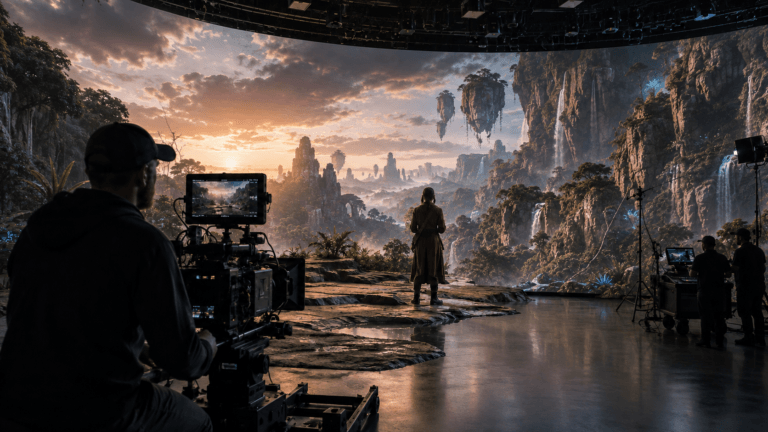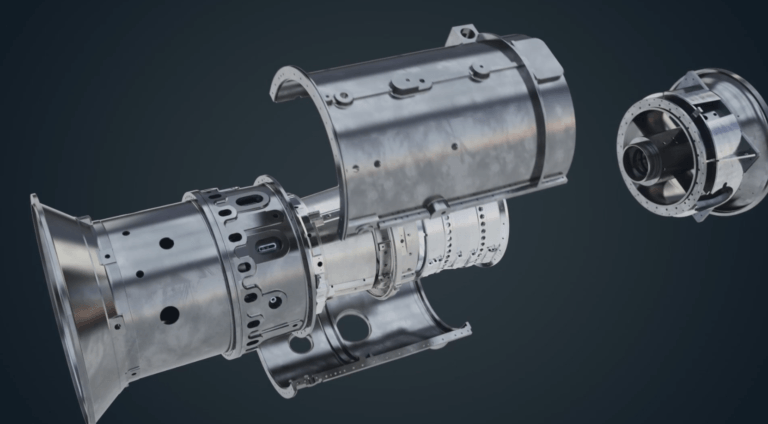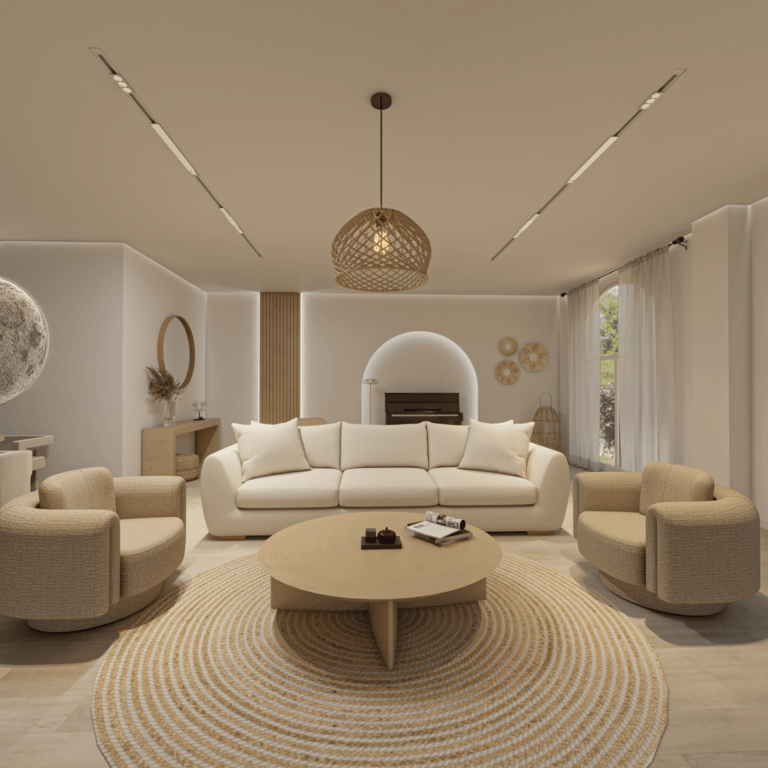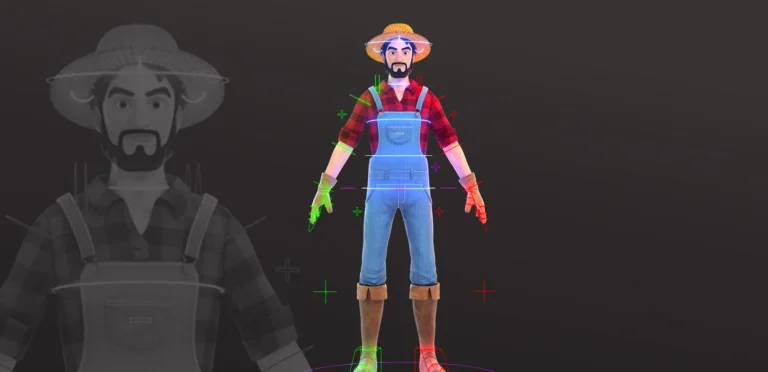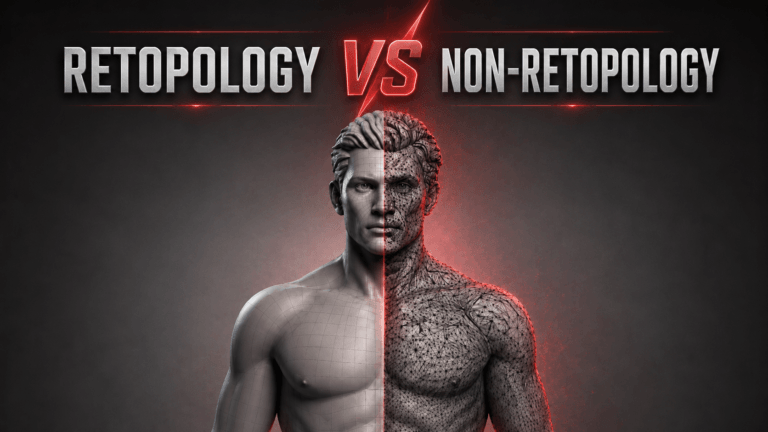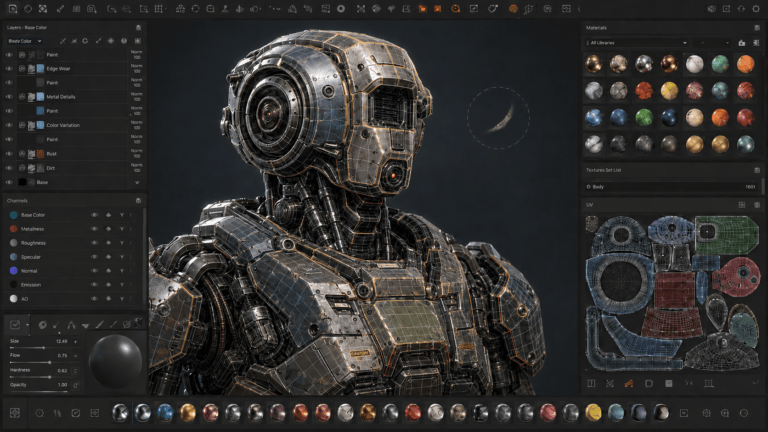

3D visualization is an essential tool for designers, architects, marketers, and product developers. By creating realistic three-dimensional representations of products, buildings, or concepts, 3D visualization enhances communication, accelerates decision-making, and allows creative freedom that traditional 2D methods cannot provide.
Beyond aesthetics, 3D visualization improves efficiency, reduces costs, and strengthens the ability to test ideas before committing to production. Its applications span industries from architecture and real estate to product design, marketing, and gaming.
Key Advantages of 3D Visualization
3D visualization services provides businesses, designers, and engineers with tools to explore ideas virtually, test designs, and communicate concepts clearly. The following table summarizes the main benefits and shows how they are applied across different industries.
| Advantage | Description | Example | Industry Use |
|---|---|---|---|
| Enhanced Design Accuracy | Allows precise modeling of dimensions, proportions, and spatial layouts, reducing errors and improving planning. | 3D architectural models showing accurate room sizes | Architecture, Interior Design, Product Design |
| Realistic Presentations | Creates photorealistic images and animations to showcase designs before production. | 3D product renders for client presentations | Marketing, Product Visualization, Real Estate |
| Cost Efficiency | Reduces the need for physical prototypes and allows early detection of design issues. | Virtual prototypes of furniture or electronics | Manufacturing, Industrial Design |
| Faster Decision-Making | Interactive models allow stakeholders to evaluate and approve designs quickly. | Rotatable 3D building models for client review | Architecture, Engineering, Game Development |
| Flexibility & Customization | Easily test different materials, lighting, and scenarios without physical reconstruction. | Material and color changes in 3D furniture models | Product Design, Interior Design |
| Improved Marketing & Branding | High-quality visuals attract attention and enhance brand perception. | Animated 3D walkthroughs for marketing campaigns | Advertising, Real Estate, E-commerce |
| VR & AR Integration | 3D models can be used in immersive experiences for better engagement and visualization. | Virtual property tours using AR apps | Real Estate, Education, Gaming |
| Simulation & Training | Models allow safe testing of scenarios and user interactions in a virtual environment. | Machinery operation simulations in 3D | Industrial Training, Healthcare, Automotive |
Read More: Benefits of 3D Modeling in Engineering
1. Enhanced Design Accuracy
Precision in Planning
3D visualization allows designers to create highly detailed and precise models that reflect real-world dimensions. Each object can be examined from every angle, ensuring proportions, spacing, and scale are accurate.
Early Error Detection
Potential design flaws can be identified before production, reducing costly revisions. Designers can simulate materials, structural integrity, and functional interactions in a virtual environment, which improves accuracy.
Iterative Experimentation
3D models can be modified quickly to test alternative materials, layouts, and lighting conditions. This iterative flexibility helps refine concepts faster than traditional mockups.
2. Realistic Presentations
Immersive Client Experiences
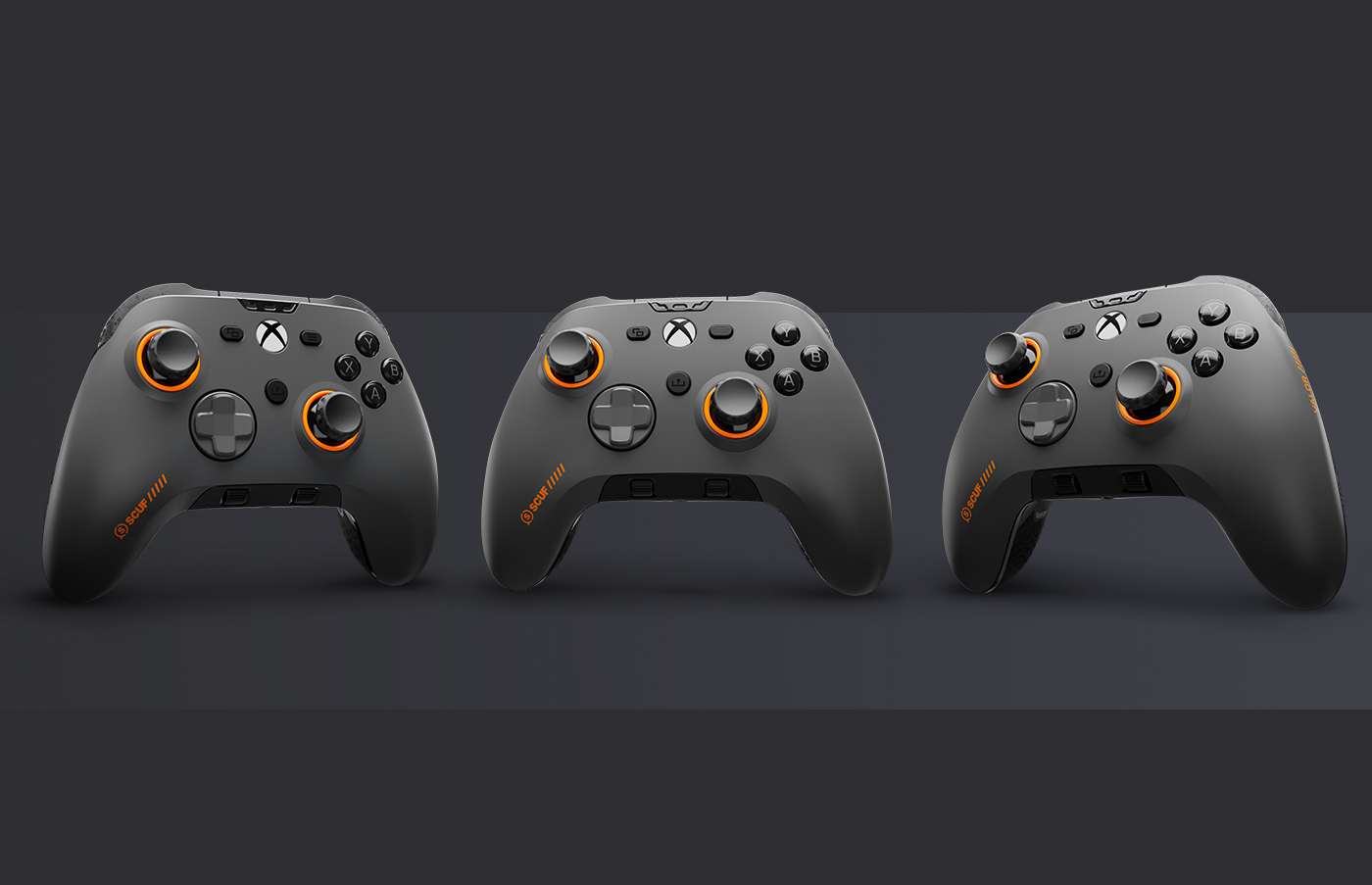
Clients can virtually explore a project in full detail, experiencing materials/textures, lighting, and spatial layout. This level of realism enhances understanding and approval rates.
Marketing and Sales Benefits
High-quality 3D renders and animations can be used in promotional materials, online catalogs, and interactive presentations. They provide a competitive edge by presenting products or projects in a highly compelling way.
Showcasing Complex Concepts
3D visualization makes complex ideas accessible. For example, mechanical components or architectural plans can be shown in motion or interactive 3D views, providing clarity that 2D diagrams cannot.

3. Cost Efficiency
Reduction in Physical Prototyping
By visualizing products digitally, businesses can reduce the number of physical prototypes, saving material, labor, and time.
Time-Saving Benefits
Virtual models allow for quick testing of designs, layouts, and color schemes. This reduces the production cycle and allows multiple concepts to be explored efficiently.
Avoiding Post-Production Issues
By detecting issues early in the design phase, 3D visualization prevents costly mistakes during manufacturing, construction, or final delivery.
4. Faster Decision-Making
Interactive Exploration
Stakeholders can manipulate 3D models to evaluate different perspectives and scenarios. This interactivity accelerates decision-making and ensures all parties are aligned.
Collaborative Feedback
Teams across different locations can collaborate on the same virtual model in real time. This improves communication and reduces the need for multiple revisions and meetings.
Scenario Testing
Lighting, materials, and environmental factors can be simulated to understand how designs will perform under real conditions. This predictive capability informs smarter decisions.
5. Flexibility and Customization
Rapid Iteration
3D visualization enables designers to test multiple design options, color schemes, and material choices without recreating physical prototypes.
Scenario Simulation
Designers can simulate real-world conditions, such as sunlight exposure, wind impact, or user interactions. This helps anticipate challenges before implementation.
Tailored Presentations
Models can be adjusted for different stakeholders, highlighting technical details for engineers or aesthetic elements for marketing teams.
6. Improved Marketing and Branding
Engaging Visuals
3D renders and animations create visually stunning content for websites, social media, and presentations, making brands more appealing and memorable.
Competitive Advantage
Businesses leveraging 3D visualization demonstrate professionalism and attention to detail, enhancing credibility and customer trust.
Versatile Applications
3D visuals can be used for interactive configurators, AR/VR previews, product animation demos, and architectural walkthroughs, providing immersive experiences to customers.
7. Emerging Applications of 3D Visualization
Virtual Reality Integration
3D models can be imported into VR environments to allow immersive exploration, useful in architecture, real estate, and virtual showrooms.
Augmented Reality Previews
Consumers and stakeholders can visualize products in real-world environments using AR, improving engagement and understanding of scale and aesthetics.
Simulation and Training
Industries such as healthcare, automotive, and industrial manufacturing use 3D visualization for realistic training simulations and scenario planning.
Conclusion
3D visualization provides a combination of accuracy, realism, efficiency, and creative flexibility that transforms how designers and businesses communicate ideas. From reducing costs and improving marketing to enabling faster decision-making and immersive experiences, the advantages are clear.
Adopting 3D visualization in workflows not only enhances the creative process but also strengthens stakeholder engagement, reduces risk, and accelerates project timelines.