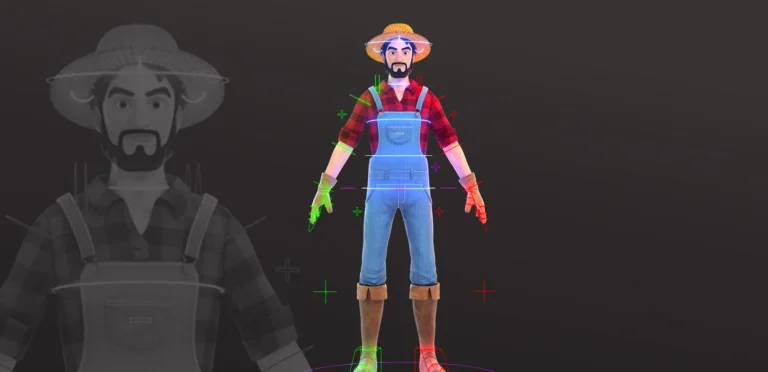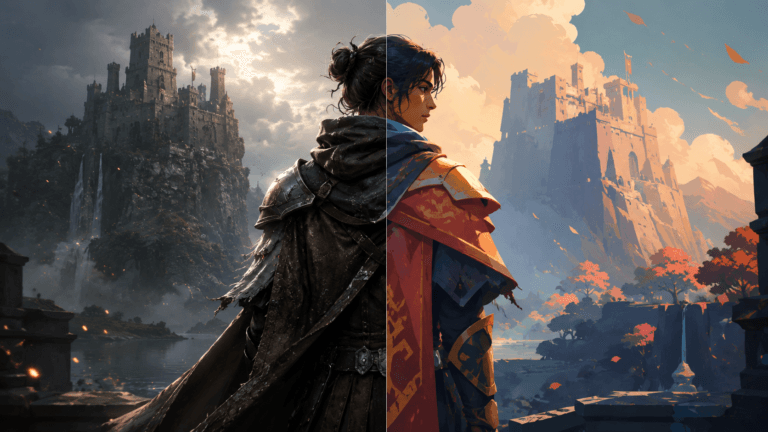

3D modeling cost depends on multiple factors such as complexity, style, production pipeline, and final usage. A simple object for visualization can be relatively affordable, while a production-ready character for games or film can require a significantly higher budget.
Understanding 3D model price ranges helps clients and studios plan production budgets more accurately and choose the right quality level for their projects. In this guide, we break down real-world pricing for different types of 3D modeling services.
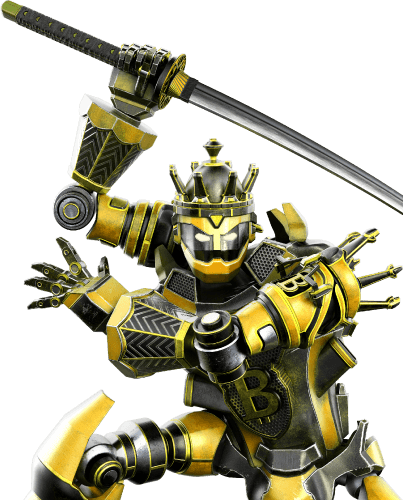
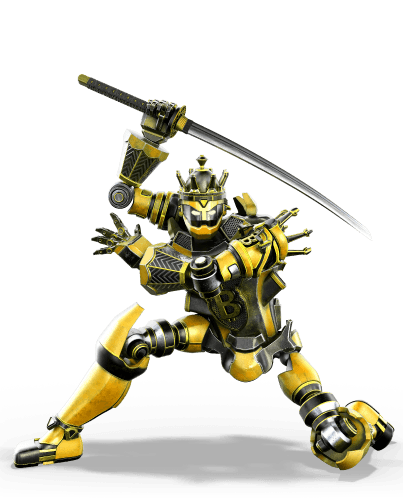
Need Game Art Services?
Visit our Game Art Service page to see how we can help bring your ideas to life!
3D Character Modeling Cost Breakdown
3D character modeling services are one of the most expensive and time-consuming assets in production. They require a combination of artistic and technical work.
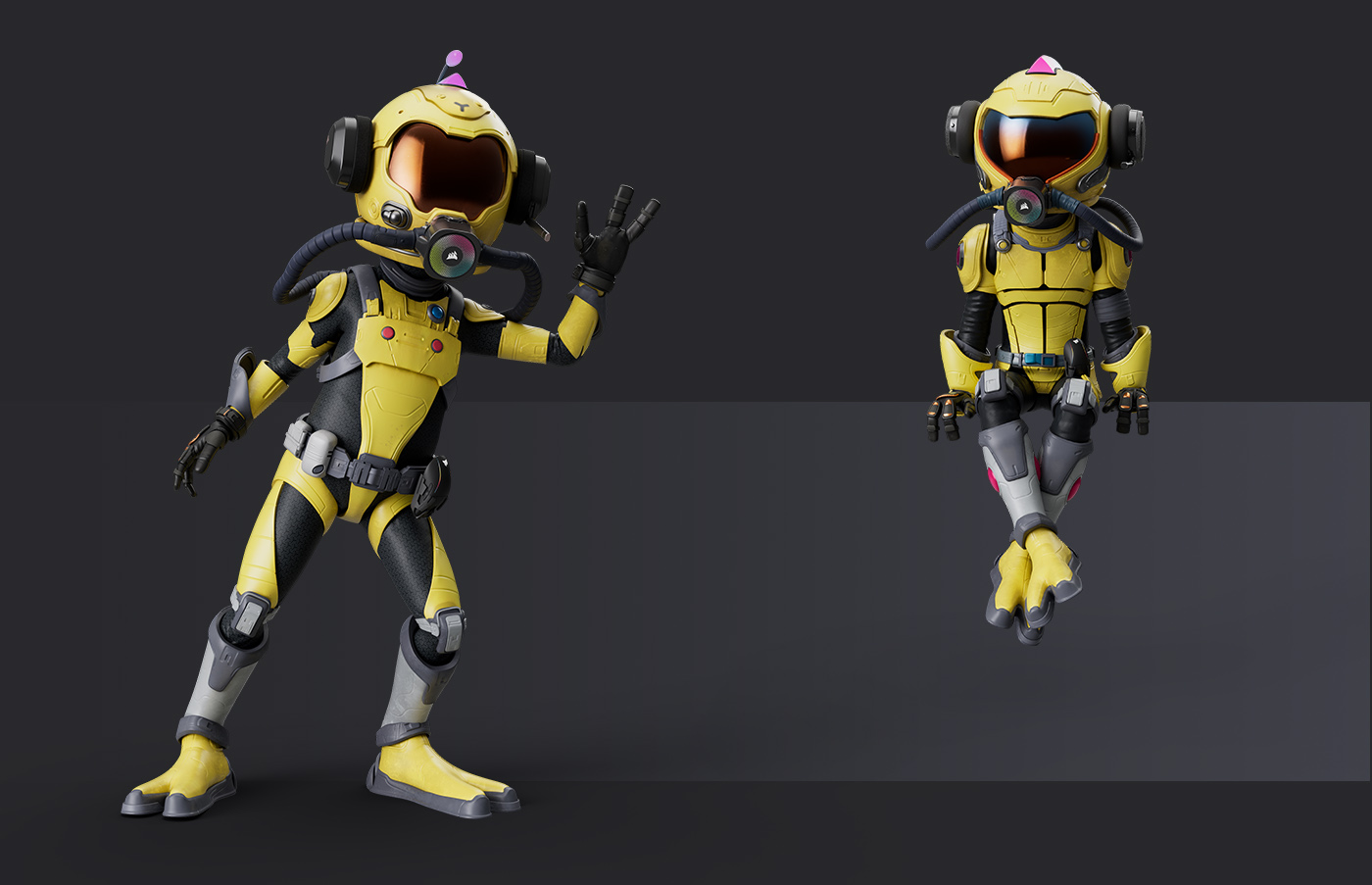
Simple Stylized Characters
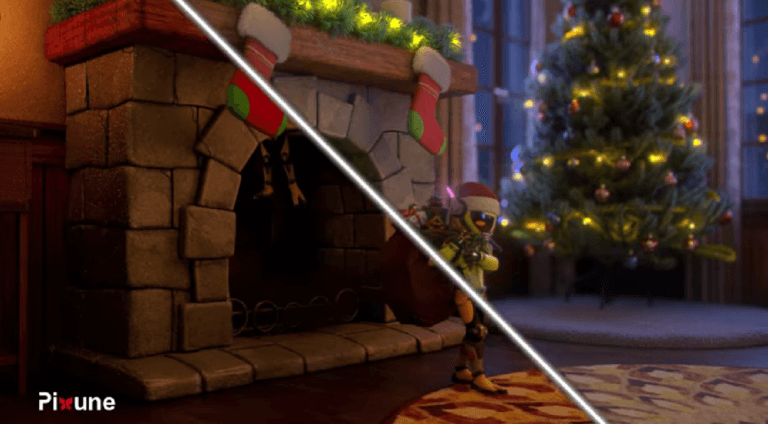
Stylized characters are commonly used in mobile games, indie projects, or early prototypes. These characters usually start from around $2,000 per model and include basic sculpting, textures, and simple rigging.
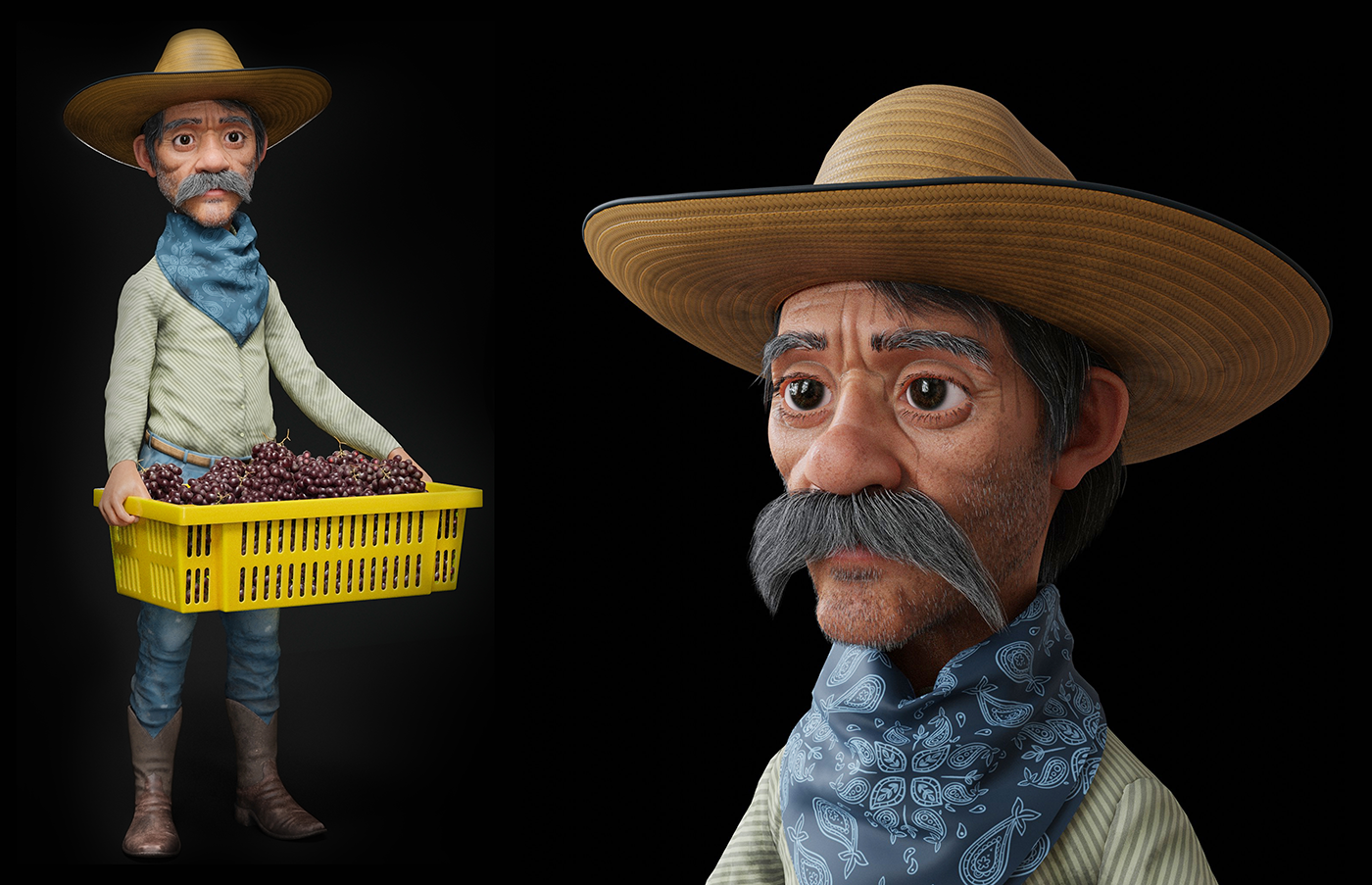
High-End and Photorealistic Characters
Photorealistic or AAA-quality characters can exceed $10,000 per model. These require advanced sculpting, high-resolution textures, facial rigs, and full production pipelines designed for animation or cinematic use.
What Is Included in Character Pricing?
A full 3D character design cost typically includes modeling, UV unwrapping, texturing, and rigging. In high-end pipelines, it may also include blendshapes, facial animation setups, and game engine optimization.
General 3D Modeling Services Cost
3D modeling services vary widely depending on asset type and production requirements. Props, environments, and mechanical assets all fall under different pricing structures.
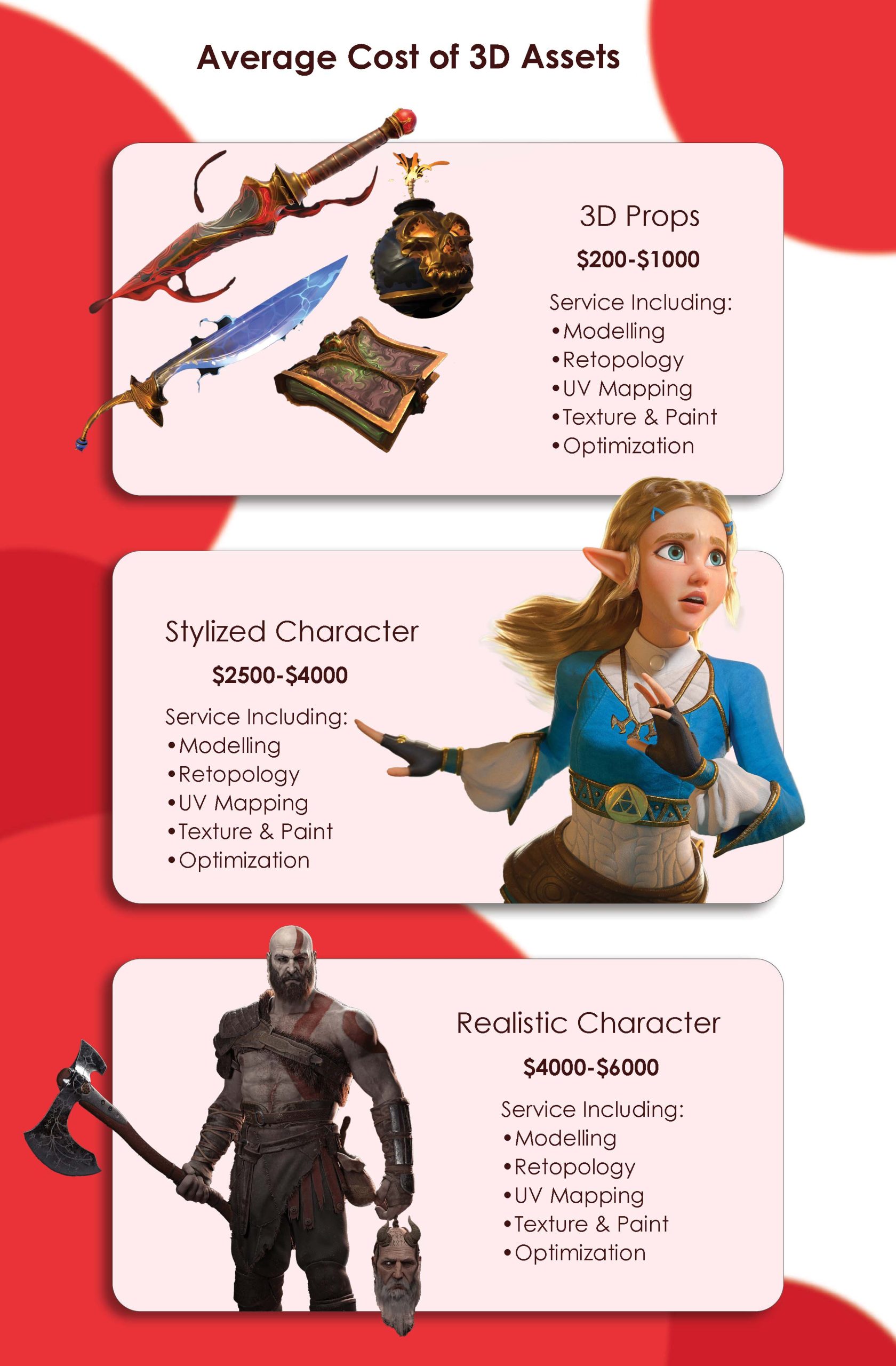
Simple 3D Modeling Services
Basic 3D models typically start from around $500 per asset. These are often used for simple props, early design visualization, or background assets where high detail is not required.
Complex Production-Ready Models
More advanced assets can cost $3,000 or more per model. These require clean topology, proper UV layout, texture baking, and rendering preparation for either real-time or cinematic pipelines.
Hard Surface Modeling Cost
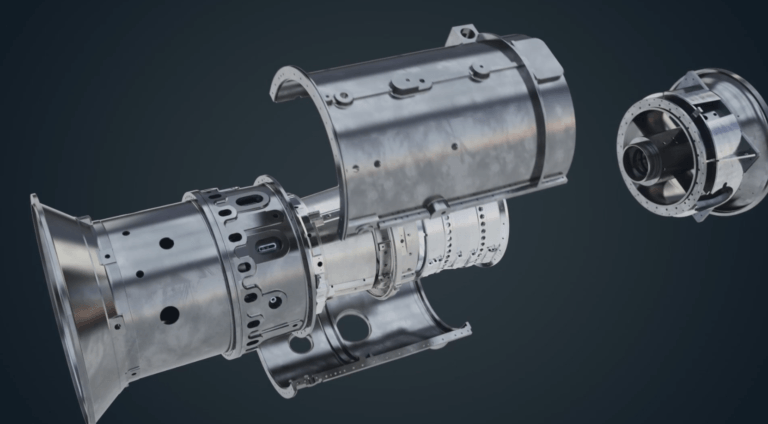
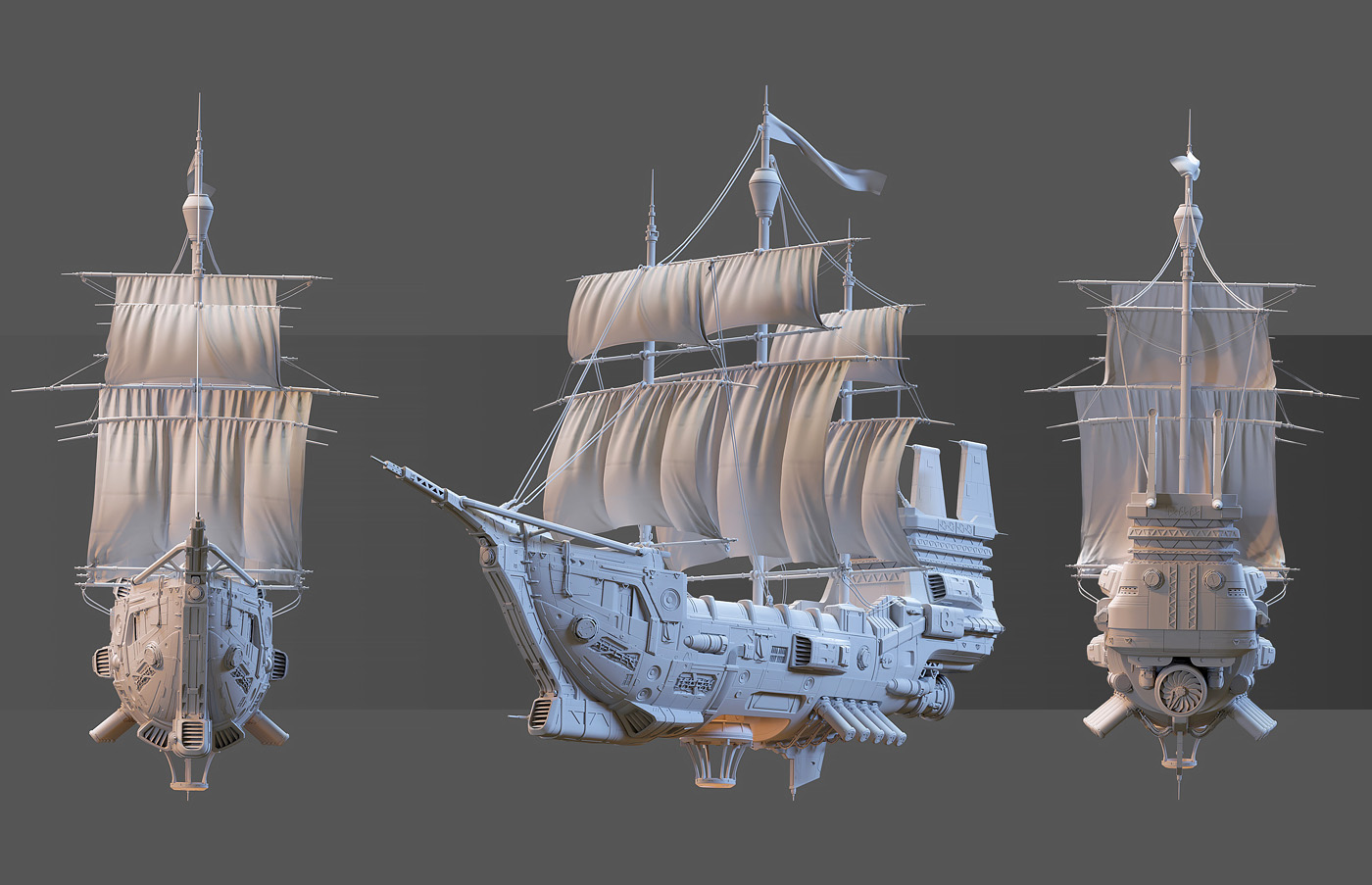
Hard surface modeling is used for mechanical objects such as weapons, vehicles, machinery, and industrial animations. It requires precision and clean geometric structure.
Simple Hard Surface Models
Basic mechanical or prop models usually start around $500 per asset. These are suitable for early-stage design, background objects, or low-detail environments.
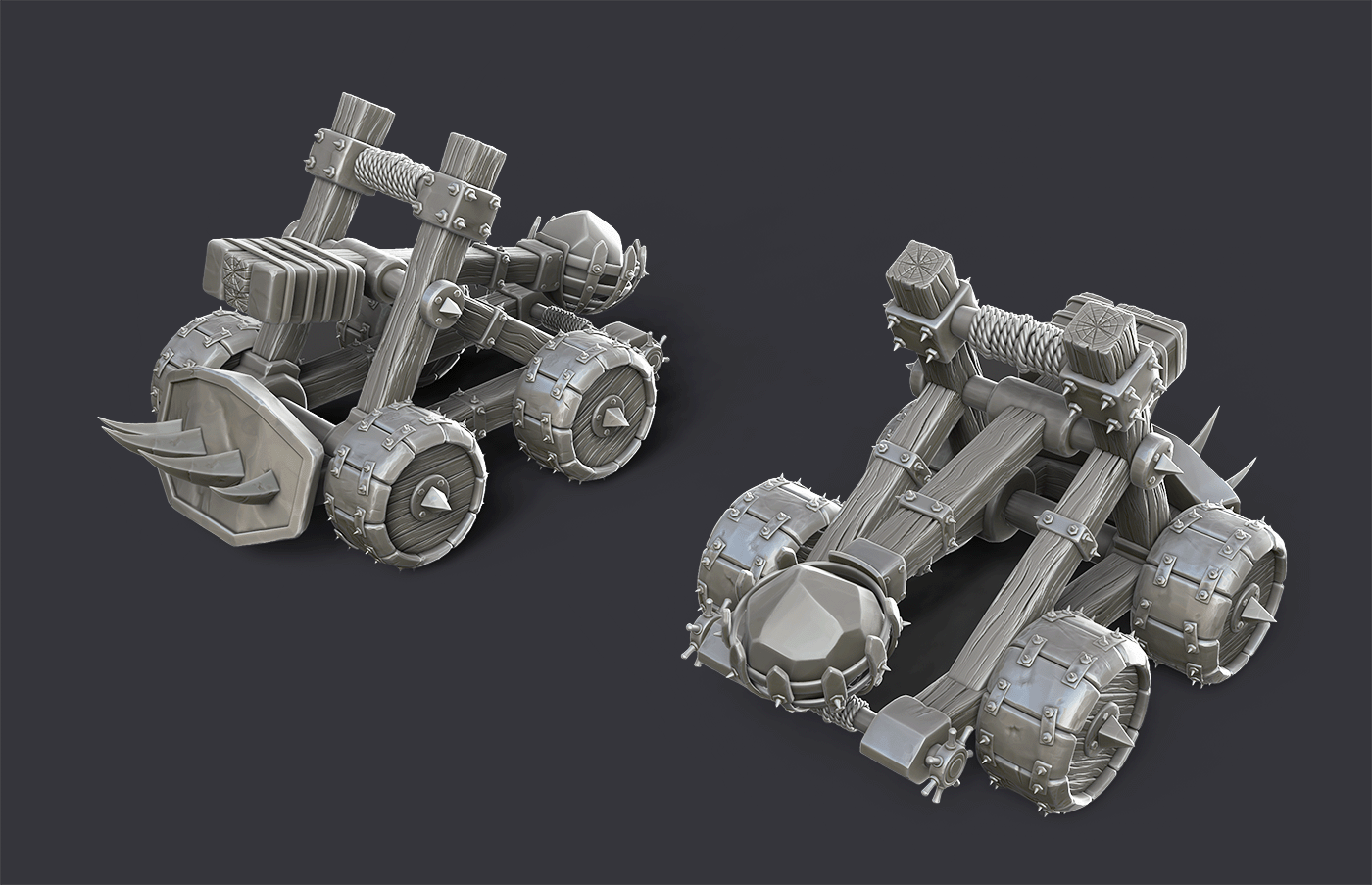
Complex Mechanical Assets
High-detail hard surface models can reach $5,000 or more, especially when used in AAA games or cinematic projects. These assets require precise design, clean topology, and detailed material and texture work.
3D Game Modeling Cost
Game modeling requires both artistic quality and technical game asset optimization. Assets must perform well in real-time engines while maintaining visual fidelity.
Indie and Mid-Level Game Assets
For indie games or mid-level projects, 3D game modeling cost usually starts from $500 per asset. These models balance performance and visual quality.
AAA Game-Ready Assets
AAA game assets require strict optimization, including LOD creation, UV efficiency, and engine compatibility. These can cost several thousand dollars per asset depending on complexity.
Cost Summary of 3D Modeling Services
3D modeling pricing varies widely based on asset type and production requirements. A general overview helps simplify expectations:
Typical Price Ranges
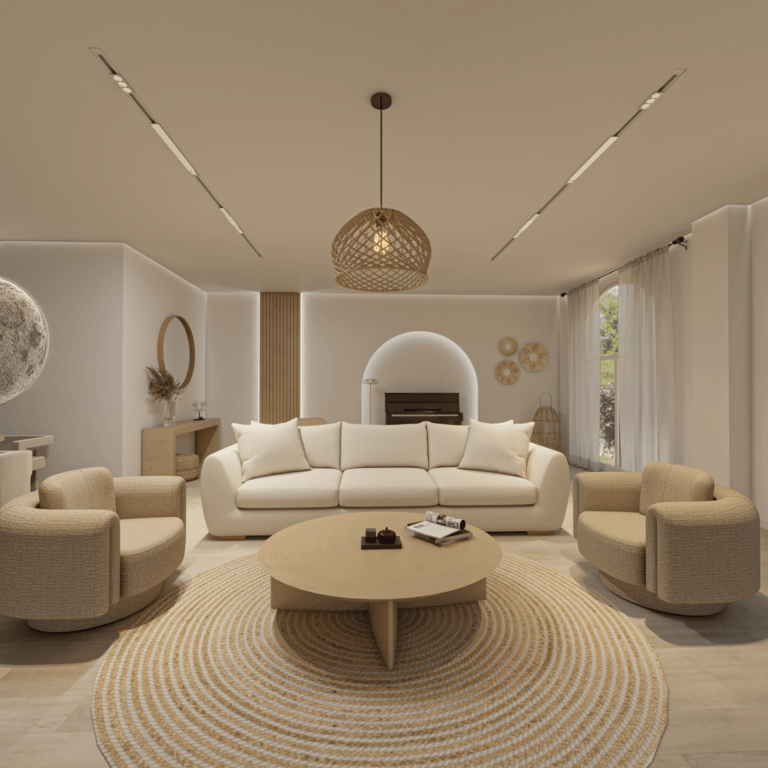
Simple 3D models start from $500, while complex production assets can exceed $3,000. These are commonly used for props, environments, and 3D product visualization.
3D Character Cost Range
Stylized 3D characters typically start around $2,000, while photorealistic characters can exceed $10,000, depending on rigging and animation requirements.
Hard Surface Modeling Range
Hard surface modeling services range from $500 to $5,000+, depending on detail, usage, and production complexity.
3D Modeling Price Comparison: Freelancers vs. Studios
Choosing between freelancers and studios has a major impact on both pricing and production quality. Each option has advantages depending on project size, deadline, and complexity.
Freelancers for Lower Budget Projects
Freelancers usually offer lower prices and more flexible negotiation. A single 3D modeler cost can be significantly lower compared to a studio because there are no overhead expenses. Freelancers are often suitable for small projects, simple models, or early-stage prototypes.
However, working with freelancers may come with risks such as inconsistent quality, limited availability, or lack of 3D modeling pipeline structure for large-scale production.
Studios for High-End Production
A 3D modeling studio typically charges higher rates but provides structured workflows, quality control, and reliable delivery. A studio project has access to artists working on different careers in 3D, and it may include multiple specialists such as modelers, texture artists, rigging artists, and technical directors.
For complex assets like characters or game environments, studios are more suitable because they ensure consistency and scalability due to their access to various 3D modeling tools, especially when the 3D character design cost involves multiple production stages.
Hourly vs Fixed Pricing Models
Pricing structure also plays a key role in total 3D modeling cost. Understanding whether to use hourly or fixed pricing helps avoid unexpected expenses.
Hourly Pricing Model
Hourly pricing is often used by freelancers and small teams. In this model, clients pay based on the number of hours worked. This can be useful for flexible or evolving projects where the final scope is not fully defined.
However, hourly pricing can make it harder to predict total modeling price, especially for complex assets where iteration cycles are long.
Fixed Pricing Model
Fixed pricing is more common in studio environments. The cost is agreed upon before production begins, based on asset complexity and requirements. This model provides better budget control and reduces financial uncertainty.
For example, a 3D character model price or a hard surface asset can be clearly defined upfront, making it easier for clients to manage production budgets.
Which Pricing Model Is Better?
Hourly pricing is better for flexible experimentation and small tasks. Fixed pricing is more suitable for structured production pipelines where scope is clearly defined. Many studios also combine both models depending on project phase.
What Affects 3D Model Pricing?
The cost of a 3D model is not fixed because every asset requires different levels of effort. Some models are simple geometric objects, while others require full sculpting, rigging, and production optimization.
Complexity of the Model
Complexity is the biggest cost driver in 3D production. Simple props require minimal geometry and texture work, while detailed assets need sculpting, retopology, UV mapping, and high-resolution textures. The more detail involved, the higher the cost of production.
Style and Visual Direction
Stylized models are usually faster and cheaper than photorealistic ones. Realistic assets require different 3D modeling techniques, precise material work, physically based rendering (PBR), and detailed surface imperfections, which increase 3D modeling production time and cost.
Intended Use Case
A model used for animation, games, or cinematics requires more optimization than a static visual model. Game-ready assets also require LODs, clean topology, and game engine compatibility, which increases the 3D game modeling cost.
How to Manage 3D Modeling Costs?
Managing 3D modeling costs is not only about finding the cheapest option. It is about balancing quality, production needs, and long-term usability of the assets. A clear understanding of scope and requirements helps avoid unnecessary revisions and budget overruns.
Define Project Scope Early
One of the most important steps in cost management is defining the scope before production starts. Clear specifications such as polygon limits, art direction, and usage (game, animation, or product animation) help reduce misunderstandings and extra costs during production. When the scope is unclear, revisions often increase the final 3D model price significantly.
Reuse and Optimize Assets
Reusing assets across multiple scenes or projects can significantly reduce costs. In game production, for example, modular assets allows studios to reuse parts of environments or characters. Optimization also reduces rendering and development time, which directly lowers the 3D game modeling cost in larger pipelines.
Choose the Right Level of Detail
Not every project requires high-end photorealistic models. Selecting the correct level of detail based on usage is one of the most effective ways to control budget. Simple assets work well for prototypes, while detailed models are only necessary for final production or cinematic work.
Conclusion
The cost of 3D modeling depends on complexity, style, and production purpose. Simple assets are affordable and fast to produce, while high-end characters and game-ready models require a significantly larger investment.
Understanding 3D model pricing helps studios plan better budgets and ensures the right balance between quality, performance, and cost efficiency.
Whether you are building a game, animation, or visualization project, choosing the right level of detail is key to controlling both production cost and visual impact.