3D modeling has become one of the most important technologies in modern design, engineering, manufacturing, architecture, game development, and animation. From creating realistic video game characters and animated films to designing buildings, vehicles, and consumer products, 3D models allow professionals to visualize ideas before they become reality.
The popularity of 3D modeling continues to grow because it helps businesses save time, reduce costs, improve communication, and identify design problems before production begins. Whether you’re designing a product, creating a game environment, or developing an engineering prototype, 3D modeling offers advantages that traditional 2D drawings often cannot provide.
In this guide, we’ll explore the benefits of 3D modeling, its applications across industries, and the limitations organizations should consider before adopting a 3D workflow.

Need 3D Animation Services?
Visit our 3D Animation Service page to see how we can help bring your ideas to life!
What Is 3D Modeling?
3D modeling is the process of creating digital representations of objects, characters, environments, or structures within three-dimensional space. Unlike 2D drawings, 3D models have height, width, and depth, allowing them to be viewed from any angle.
These models can be used for visualization, simulation, manufacturing, animation, virtual reality, product development, and many other applications.
Where 3D Modeling Is Used?
Today, 3D modeling techniques play a major role in numerous industries.
Architects use it to 3D architectural visualization services before construction begins. Engineers use it to design and test products. Manufacturers use it to prepare assets for production. Game developers and animation studios use it to create characters, environments, and visual effects.
Healthcare professionals even use 3D models for medical visualization, surgical planning, and educational purposes.
What Are the Benefits of 3D Modeling?
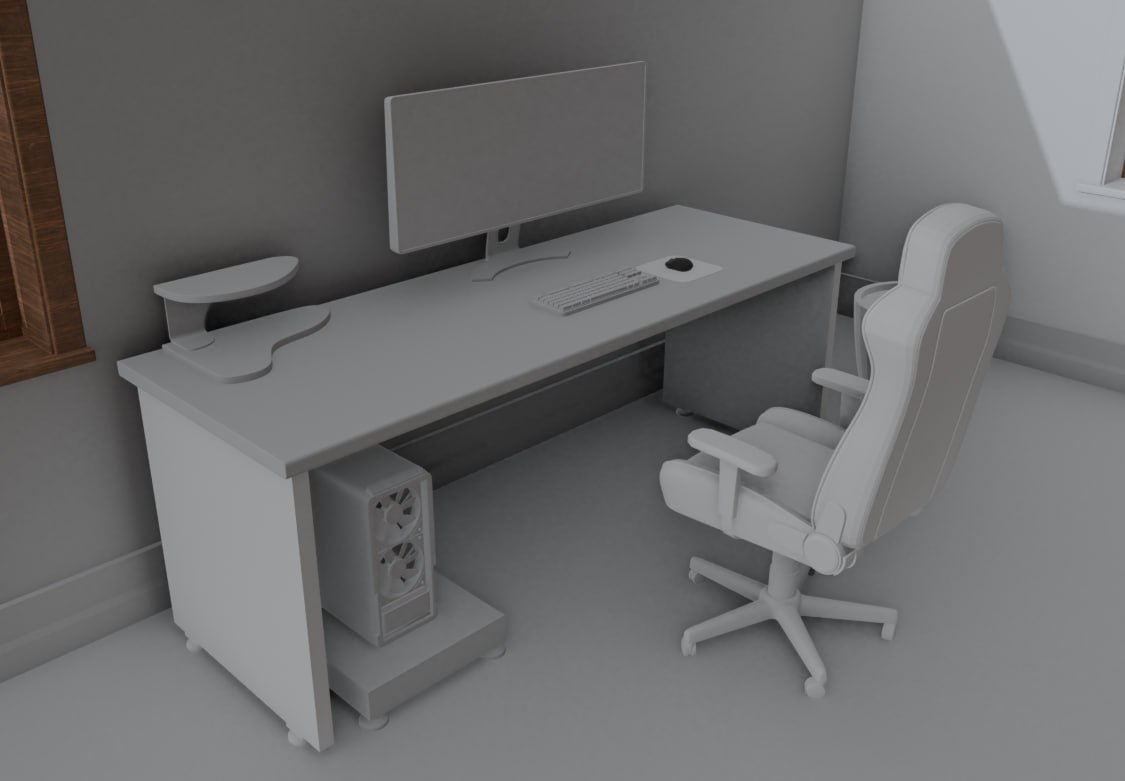
The primary benefit of 3D modeling services is the ability to visualize and evaluate ideas before investing time and money into physical production.
Instead of relying solely on sketches or technical drawings, teams can examine highly detailed digital models that accurately represent the final result.
This improves decision-making, reduces costly mistakes, and streamlines the entire 3D modeling process.
Main Advantages of 3D Modeling
1. Better Visualization
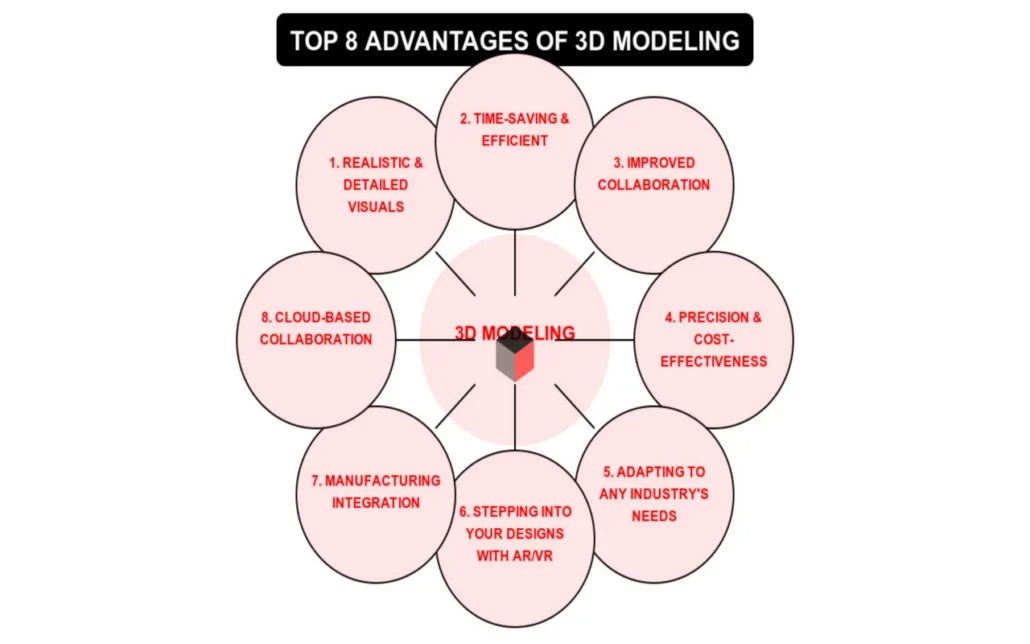
One of the biggest advantages of 3D modeling is realistic visualization.
A 3D model allows designers, clients, and stakeholders to see exactly how a product, building, or character will look before it is created. Multiple camera angles, lighting setups, and materials can be tested to evaluate different design options.
This level of visualization is difficult to achieve using traditional 2D drawings alone.
Read More: Advantages of 3D Visualization
2. Improved Communication
Design concepts can be difficult to explain using sketches, blueprints, or written descriptions.
3D models make communication much easier by providing a clear visual representation of the final product. Clients, investors, engineers, and production teams can quickly understand the design without requiring extensive technical knowledge.
As a result, misunderstandings are reduced and approvals often happen faster.
3. Faster Design Development
Modern 3D modeling software allows 3D modelers and designers to work more efficiently than ever before.
Design changes can be implemented quickly, and multiple concepts can be explored without starting from scratch. This flexibility helps teams develop and refine ideas much faster than traditional methods.
Rapid iteration is especially valuable in industries where deadlines are tight and product development cycles are competitive.
Read More: How Long Does 3D Modeling Take?
4. Easier Revisions and Iteration
Design changes are inevitable during development.
With 3D modeling, modifications can often be made directly to the existing model rather than recreating the entire design. This saves time and allows teams to experiment with multiple solutions before finalizing a project.
The ability to make revisions quickly is one of the reasons why 3D workflows have become standard across many industries.
5. Cost Savings Before Production
Identifying design problems early can save significant amounts of money.
By 3D product modeling and rendering services and testing designs digitally, companies can discover flaws before manufacturing begins. This reduces the risk of costly production errors, wasted materials, and failed prototypes.
The earlier a problem is identified, the cheaper it is to fix.
Read More: How Much Does 3D Modeling Cost?
6. More Accurate Product Testing
Many industries use 3D models for simulations and performance testing.
Engineers can evaluate strength, stress, airflow, heat distribution, and mechanical performance without building physical prototypes. This allows teams to optimize products before manufacturing begins.
Digital testing often accelerates development while reducing overall project costs.
7. Better Marketing and Presentation
3D models are powerful marketing tools.
Companies can create 3D product animation, product renders, promotional images, animations, and interactive presentations long before a product reaches the market. This allows businesses to generate interest, gather feedback, and support sales efforts during development.
High-quality 3D visuals often look more professional and engaging than traditional product photography.

8. Reusable Digital Assets
Once a 3D model is created, it can often be reused across multiple projects.
The same asset may be used for marketing materials, animations, product configurators, virtual reality experiences, technical documentation, and manufacturing workflows.
This reusability increases the long-term value of the original investment.
Benefits of 3D Modeling in Different Industries
1. Product Design
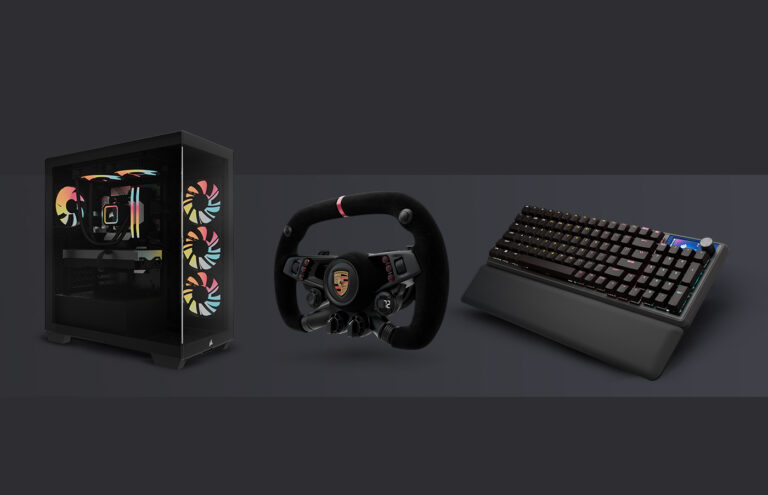
Product designers use technical 3D animation services and 3D models to develop, test, and refine products before manufacturing.
Visualization, prototyping, and design iteration become significantly easier with digital models.
2. Architecture
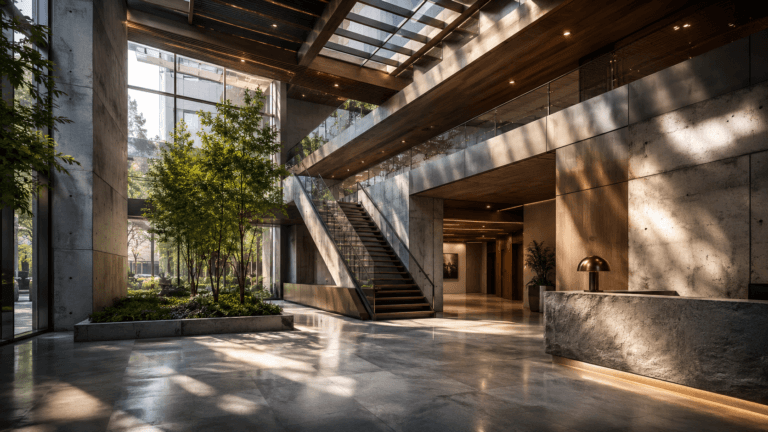
Architects use 3D modeling and architectural visualization software to create realistic visualizations of buildings and environments.
Clients can explore projects before construction begins, making approvals and revisions much more efficient.
3. Engineering and Manufacturing
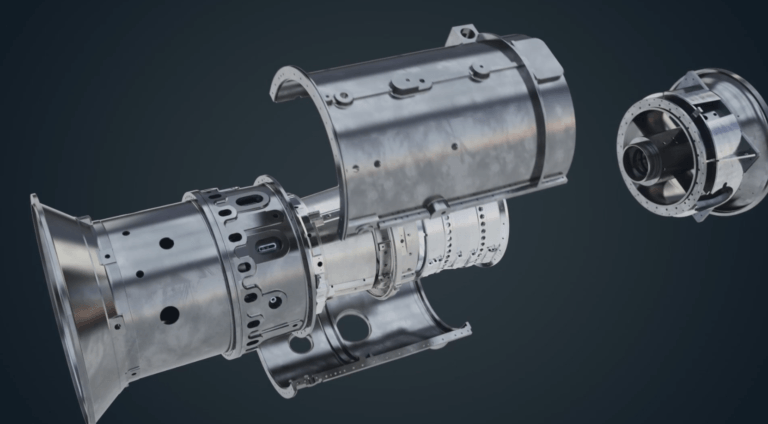
Manufacturers rely on industrial 3D animation services and 3D models to design components, optimize production processes, and reduce errors.
Digital workflows improve accuracy while lowering production costs.
Read More: Benefits of 3D Modeling in Engineering
4. Games and Animation
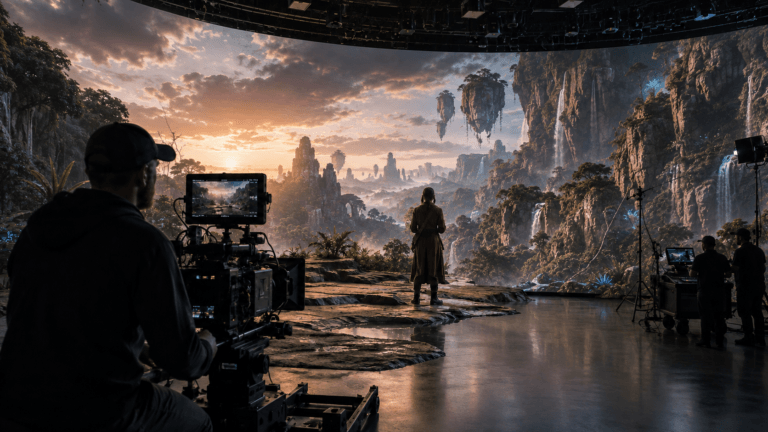
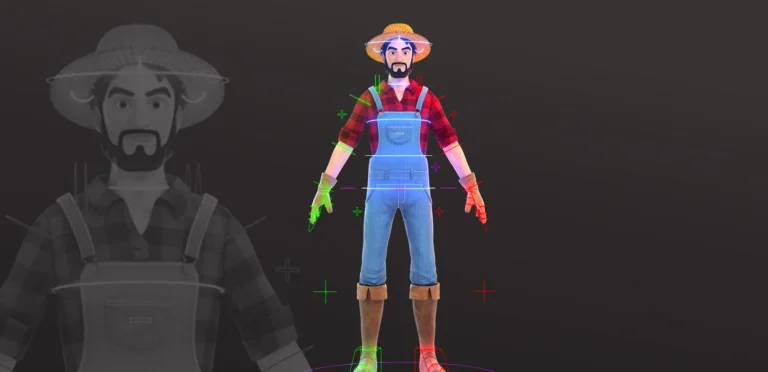
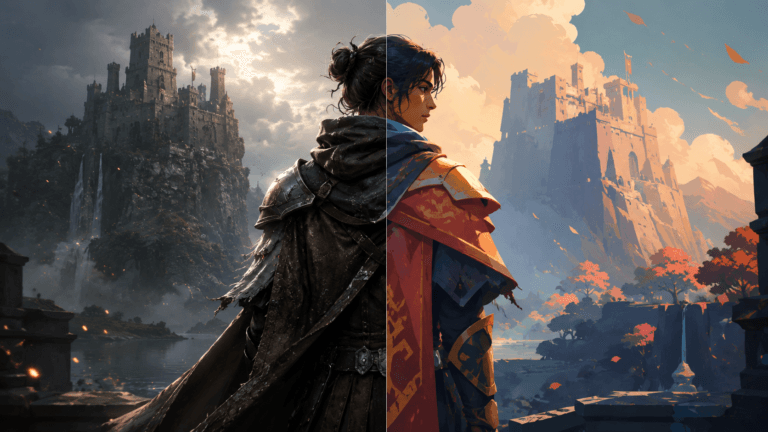
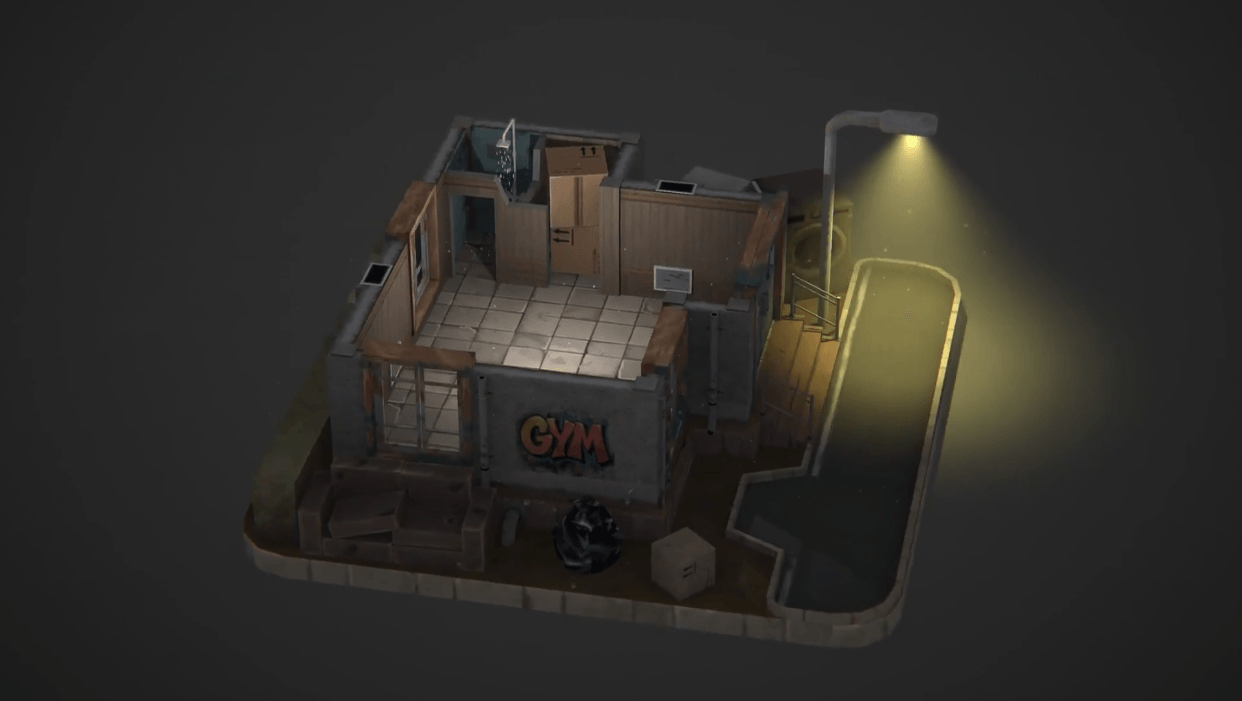
Game art studios and animation studios use 3D models to create characters, environments, vehicles, props, and visual effects.
Without 3D modeling, modern video games and animated films would not be possible.
5. Healthcare and Education
Medical professionals use 3D models for patient education, surgical planning, and anatomical visualization.
Educational institutions also use 3D content to improve learning experiences across many subjects.
9 Disadvantages of 3D Modelling
Although 3D modeling offers many benefits, it is not without challenges.
High Learning Curve
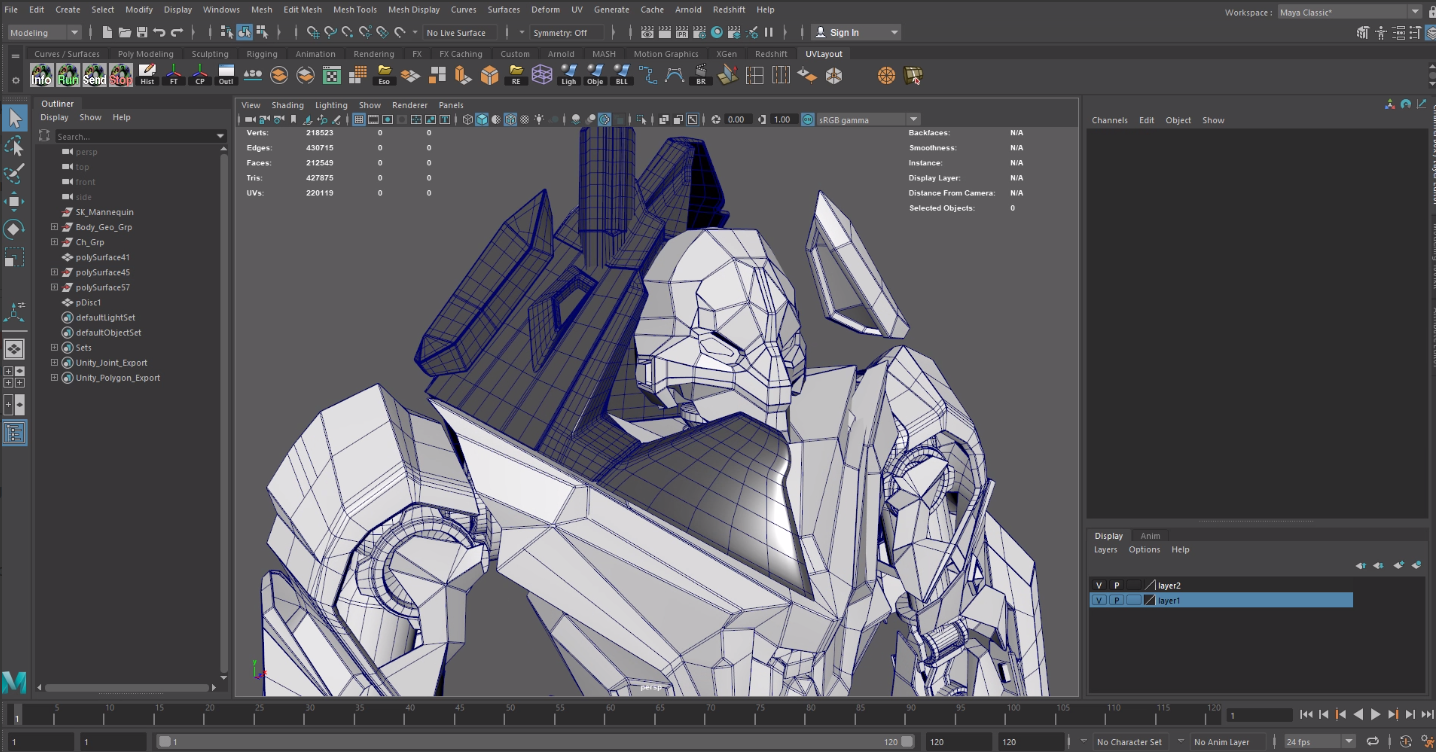
Professional 3D modeling requires technical and artistic skills. Learning modeling, texturing, lighting, rendering, and optimization can take months or even years to master.
Software and Hardware Costs
Professional 3D software and powerful workstations can be expensive. While free tools such as Blender and Maya exist, many industries rely on premium software that requires ongoing subscriptions.
Time-Consuming for Complex Models
Highly detailed projects can require significant time and effort. Large environments, complex products, and realistic character modeling may take weeks or months to complete.
Technical Errors and Optimization Issues
Poor topology, excessive geometry, incorrect scale, and optimization problems can create challenges during production. Technical expertise is often required to ensure models perform correctly in their intended applications.
3D Modeling Advantages vs Disadvantages
| Advantages | Disadvantages |
|---|---|
| Better visualization | High learning curve |
| Faster design iteration | Software costs |
| Easier revisions | Hardware requirements |
| Improved communication | Time-consuming for complex projects |
| Reduced production errors | Technical challenges |
| Reusable assets | Requires specialized skills |
| Better marketing materials | Ongoing training needed |
Is 3D Modeling Worth It?
For most industries, the answer is yes.
The ability to visualize concepts, reduce errors, improve communication, and accelerate development often outweighs the costs associated with software, hardware, and training.
Whether you’re developing products, designing buildings, creating games, or producing animations, 3D modeling provides tools that can improve efficiency and increase the quality of the final result.
As technology continues advancing, the value of 3D modeling will only continue to grow.
Conclusion
3D modeling has transformed the way products, buildings, characters, and environments are designed. Its ability to improve visualization, accelerate development, reduce errors, and support better decision-making makes it one of the most valuable tools in modern design and engineering.
While it requires specialized skills and technology, the advantages of 3D modeling often far outweigh its limitations. From engineering and manufacturing to architecture, games, animation, and healthcare, organizations continue to rely on 3D modeling to create better products, communicate ideas more effectively, and bring concepts to life with greater accuracy than ever before.