
Grasping the distinction between Game Design and Game Art is a crucial foundational step for every artist in the game development world. Although these two fields are deeply integrated, they fulfill fundamentally separate objectives.
Game Design defines the regulations, framework, interaction, and emotional trajectory experienced by the player. Game Art establishes the visual identity, ambiance, and narrative communication through imagery.
For those new to the field, these areas can appear interchangeable; yet, in a professional game art studio, each discipline maintains its own game production pipeline, role definitions, necessary tools, and desired outcomes.
In this guide, we will dissect both fields, explore their specialized areas, clarify how they cooperate, and help you determine the appropriate career path based on your talents and goals.
Need Game Art Services?
Visit our Game Art Service page to see how we can help bring your ideas to life!
What Is Game Design?
Game Design is the discipline responsible for determining how a game operates and how players engage with the virtual world.
Game designers decide on the player’s actions, the motivation behind those actions, how challenges escalate, and the design of reward systems to maintain engagement.
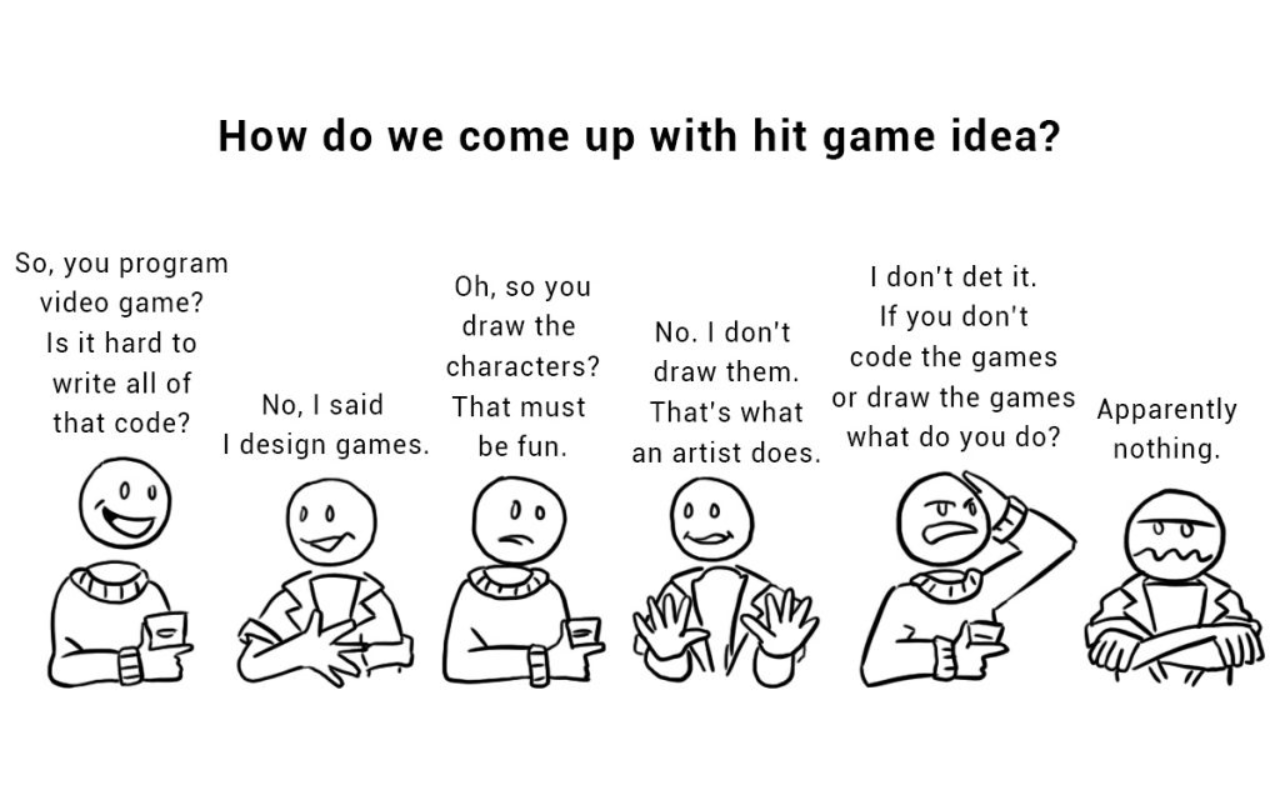
The Core Purpose of Game Design
The existence of game design is to produce engaging, meaningful, and coherent gameplay systems. Designers establish the game’s objectives, game mechanics, rules, overall systems, and limits.
They sculpt the game’s overarching feel, be it strategic, fast-paced, narrative-focused, or sandbox-style. Their primary duty is to ensure that player decisions, feedback loops, and the overall flow feel deliberate and captivating.
Key Responsibilities of Game Designers
Game designers typically:
- Generate comprehensive documentation (Game Design Document (GDD), level outlines, feature specifications)
- Prototyping of game mechanics utilizing game engines and scripting tools
- Construct and refine gameplay loops
- Develop level design and challenge progression curves
- Balance and tuning difficulty, the game economy, and player advancement
- Perform user testing and interpret player insights
- Work closely with programmers and artists
Designers answer the critical question: What makes this experience enjoyable, and why should players care?
Design Tools and Production Methods
Game designers frequently employ a mix of technical and creative software, including:
- Unity, Unreal Engine (Blueprints)
- Figma / Miro for creating flowcharts
- Excel/Google Sheets for balance calculations
- Prototyping tools (Ink, Twine for narrative; Paper prototypes for game mechanics)
- Whiteboxing and blockout workflows
What is Game Art?
Game art dictates the visual presentation, emotional texture, and visual communication within the game. It establishes the emotional atmosphere, the visual art elements in game mechanics, and the unique visual identity of the game environment.
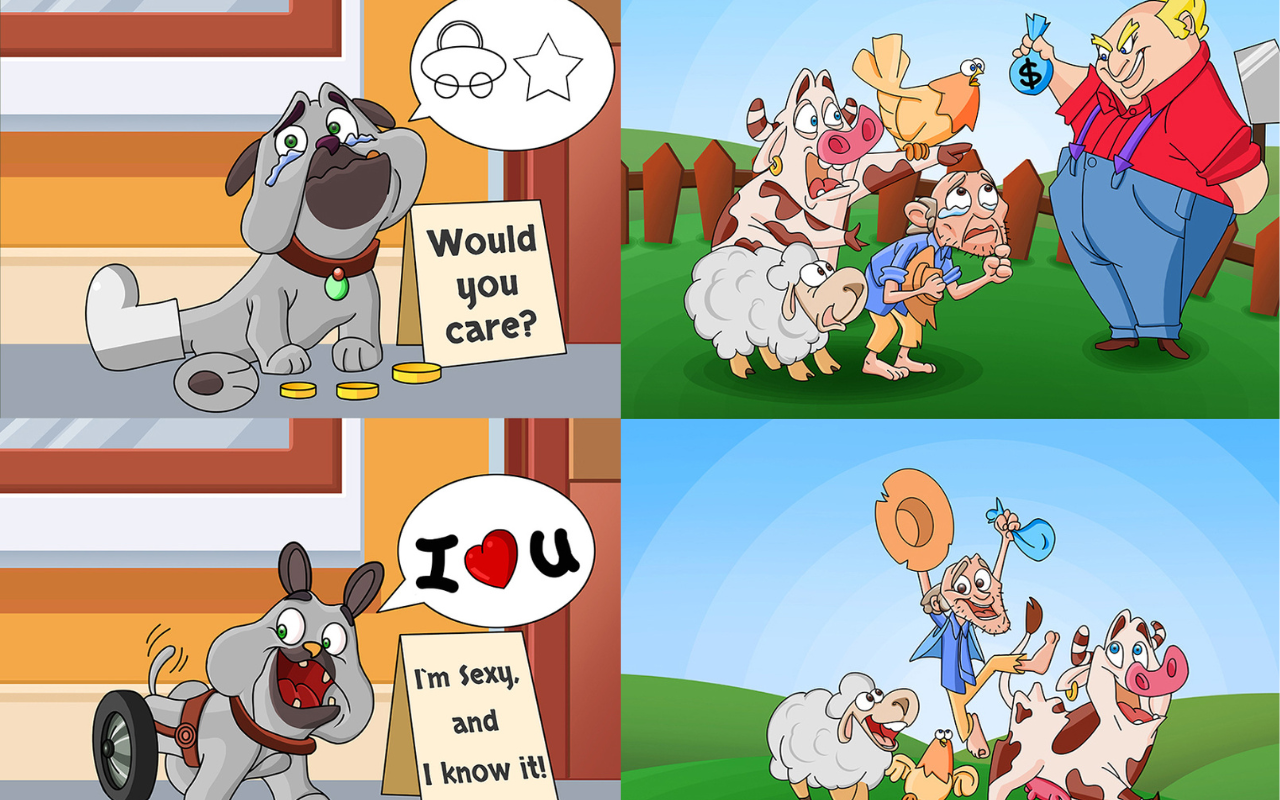
The Purpose of Game Art
The function of game art is not simply to be visually pleasing; it is to make the game comprehensible and emotionally resonant.
A well-executed UI guides the user effortlessly; distinct shape language helps players differentiate threats from allies; Environment Art supports exploration and draws attention. Quality art enhances game design by making mechanics more intuitive.
What Game Artists Create
The duties of game artists span the entire visual pipeline:
- Character conceptualization and 3D modeling
- Environment art and prop modeling
- Texturing and material construction
- Setting up lighting and rendering
- UI and HUD design
- Animation and Rigging
- Concept Art and style guides
- Visual Effects (VFX) for feedback, magic, impacts, and atmosphere
The art team ensures the player’s sensory and emotional experience aligns with the designer’s intentions.
Tools and Techniques Used in Game Art
Artists heavily utilize these game art software:
- Blender, Maya, 3ds Max (3D Modeling)
- ZBrush (sculpting)
- Substance Painter/Designer (Texturing)
- Photoshop/Procreate (2D work)
- Unreal Engine / Unity (Engine Integration, shaders, lighting)
- Marvelous Designer (cloth simulation)
This constitutes their distinct game art pipeline: concept → modeling → texturing → rigging → animation → engine integration → refinement.
What Types of Game Designers and Game Artists Exist?
Depending on the project and the core purpose, studios utilize different types of designers and game art artists. However, an artist or a designer can possess various skills in both fields.
Types of Game Designers
- Gameplay designers conceive game mechanics, core gameplay loops, and moment-to-moment interactions.
- Level designers construct spaces that provide challenges while intuitively guiding players.
- Narrative designers seamlessly weave plot, gameplay pacing, world history, and dialogue to enhance the game narrative design.
- Systems designers manage the balance of progression, difficulty, game economy, and meta-systems.
- UI/UX designers concentrate on player flow, menus, HUD clarity, and easy navigation.
Types of Game Artists
- Concept artists define the visual mood and direction through initial sketches and paint-overs.
- Character artists model and texture characters with anatomical precision and artistic flair.
- Environment artists construct immersive worlds, props, and reusable assets.
- Animators give life to characters and objects through expressive movement.
- VFX artists craft feedback using particles, spell effects, explosions, and shaders.
Can an Artist Become a Game Designer?
Yes, they can. A significant number of professionals transition from art into game design, often because visual thinkers are naturally proficient at storytelling and enhancing the player experience.
Artists possess inherent skills in composition, emotion, and worldbuilding, qualities that align well with design principles. However, making the transition requires acquiring knowledge of systems design, prototyping, scripting, and player psychology.
Aspiring designers typically begin by altering game mechanics in smaller, personal endeavors, utilizing tools such as Unreal Engine or Unity (Unreal Blueprints or Unity Playmaker). They may also take ownership of minor design tasks within their team before entirely changing roles.
While the shift is achievable, it’s essential to adopt a design mindset that focuses on behavior, interactions, usability, and outcomes rather than just the visuals.
If you are an artist who instinctively considers how players interact with the worlds you create, design could be your natural next progression.
How Do They Differ? Game Design vs. Game Art!
The delineation between design and art becomes most apparent when comparing their goals, methods, and criteria for success:
- Aim: Game design defines structure and behavior; game art defines clarity and aesthetics.
- Mindset: Designers think in systems and feedback loops; artists think in form, color theory, and emotional impact.
- Production Workflow: Designers prototype, iterate, and confirm mechanics; artists generate assets, refine them, and integrate them visually.
- Collaboration: Designers depend on art for clear communication; artists depend on design for context and purpose.
- Measurement of Success: Design is successful if the gameplay is gratifying; art is successful if visuals bolster readability and immersion.
Together, these disciplines forge a mutually supportive partnership: design makes the game functional, and art makes it memorable.
Final Words
Game Design and Game Art each play a vital and unique part in creating modern games. A clear comprehension of both fields allows development teams to communicate more effectively, plan more efficiently, and deliver stronger player experiences.
Whether you are selecting a career path or seeking to improve cross-disciplinary cooperation, differentiating these two roles is the essential first step. Both fields offer substantial creative and technical challenges, and the finest games emerge when they work in perfect harmony.
FAQs
Is game art about visuals, while game design is about mechanics?
Yes. Game art crafts aesthetics; game design crafts game rules and mechanics, shaping how objects behave and players interact.
Can you use an analogy to explain the difference?
In chess, the designer defines how pieces move; the artist designs how the board and tokens look.
Does game design include level and UI design too?
Yes. Game design covers levels, story, UI, mechanics, player experience, and system rules.
How do game designers balance visual style and mechanics?
Designers define level structure, pacing, and user flow, ensuring visuals support gameplay, not just look good.
Can an environment artist influence level functionality?
Yes. Environment artists model scenes that designers then populate, defining collision and player paths.
How essential is collaboration between these roles?
Vital. Game art must visually reflect design intent while design relies on art for clarity and immersion.
Does game design require technical knowledge?
Absolutely! Designers must grasp engine constraints, balancing systems while keeping visuals achievable.
Do game artists handle documentation like designers do?
Rarely. Designers produce GDDs outlining systems and mechanics. Artists focus on asset creation with visual briefs.
Can one person perform both design and art roles?
In small teams, yes, but large-scale projects need specialists for polished visuals and robust systems.