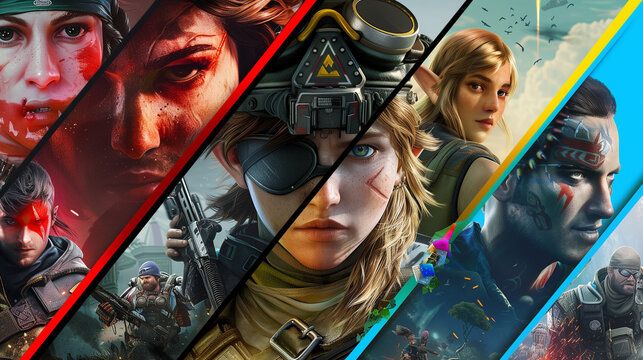

Every successful video game relies on strong visual design. From memorable characters and immersive worlds to weapons, visual effects, and user interfaces, game art shapes how players experience and connect with a game. Whether it’s a stylized indie platformer, a realistic open-world RPG, or a competitive multiplayer title, game art plays a crucial role in creating a unique and engaging player experience.
Game art is much more than making a game look attractive. It helps communicate gameplay information, support storytelling, establish atmosphere, and guide players through the game world. Great game art can make a game instantly recognizable, while poor visual design can negatively impact immersion and usability.
In this guide, we’ll explore what game art is, the different types of game art used in modern game development, the process behind creating game assets, and the skills required to become a professional game artist.
Need Game Art Services?
Visit our Game Art Service page to see how we can help bring your ideas to life!
What Is Game Art?
Game art refers to all visual assets created for a video game. These assets include characters, environments, props, animations, visual effects, icons, user interfaces, and other graphical elements that players see and interact with during gameplay.
Game art combines creativity, technical knowledge, and design psychology and principles to create visuals that support both gameplay and visual storytelling. Unlike traditional illustration, game art must also meet technical requirements such as optimization, performance, and compatibility with game engines.
Game Art Definition
Game art is the process of designing and creating visual assets for video games. It encompasses everything from early concept sketches to final production-ready assets used in the game. The goal of game art is to create visually appealing and functional elements that enhance the player’s experience.
Why Game Art Matters
Game art is often the first thing players notice about a game. It establishes the game’s identity, communicates important information, support game localization, and helps create emotional connections between players and the game world.
Strong game art can improve immersion, support gameplay mechanics, and make a game more memorable. It also plays a significant role in marketing, helping games stand out in crowded marketplaces such as Steam, the App Store, and Google Play.
Types of Game Art
Game art is a broad field that includes several specialized disciplines. Each discipline focuses on a different aspect of the game’s visual experience, and together they create the final world that players see and interact with.
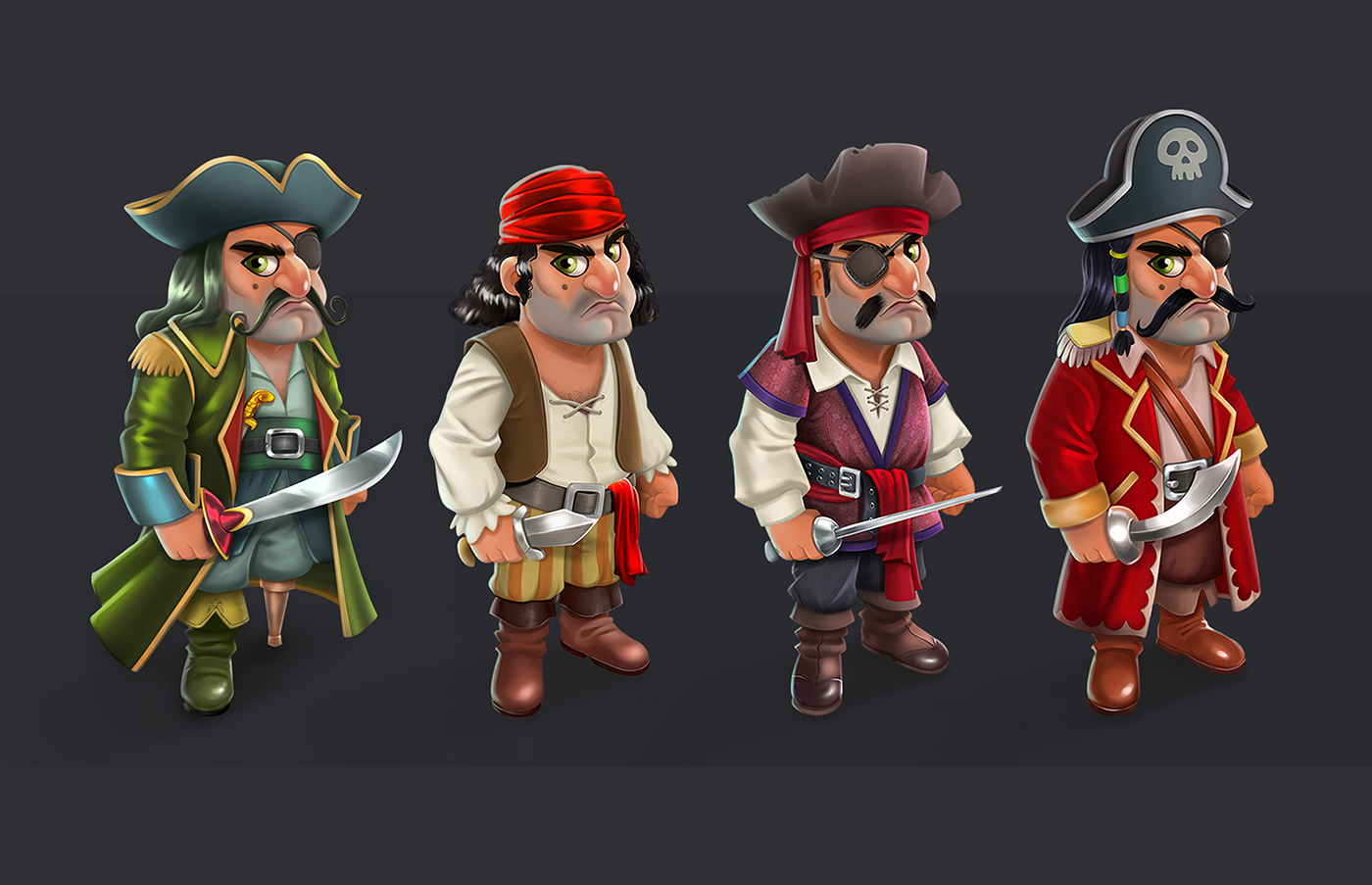
Game character design focuses on designing and creating playable characters, non-playable characters (NPCs), enemies, creatures, and bosses. Character artists work on everything from initial concept sketches to final 2D illustrations or 3D models.
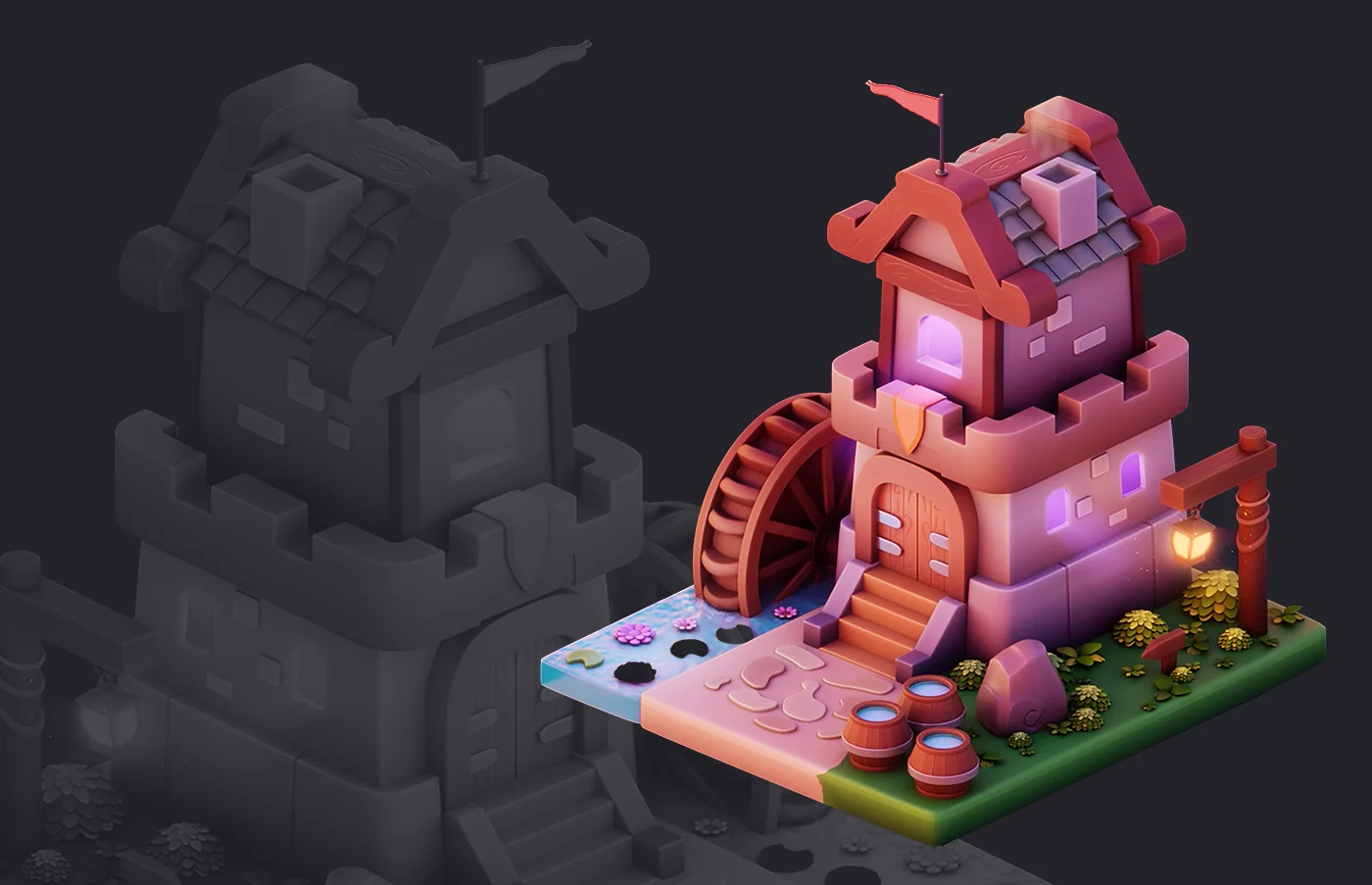
Environment art involves creating the worlds and locations where gameplay takes place. This includes landscapes, buildings, interiors, vegetation, roads, and other environmental elements.
Environment artists focus on world-building, atmosphere, and environmental storytelling. Their work helps establish the game’s setting while guiding player exploration and supporting gameplay objectives.
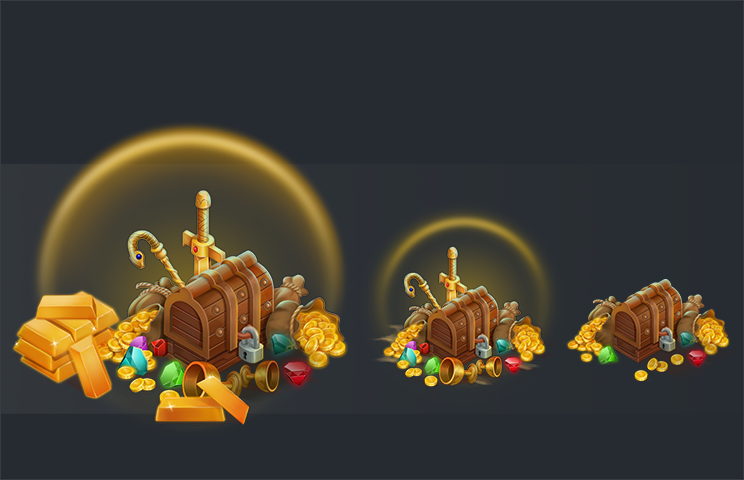
Prop artists create the objects that populate a game world. These assets include weapons, furniture, vehicles, tools, collectibles, and interactive objects.
Although props are often smaller than characters or environments, they play an important role in making game worlds feel believable and lived-in.
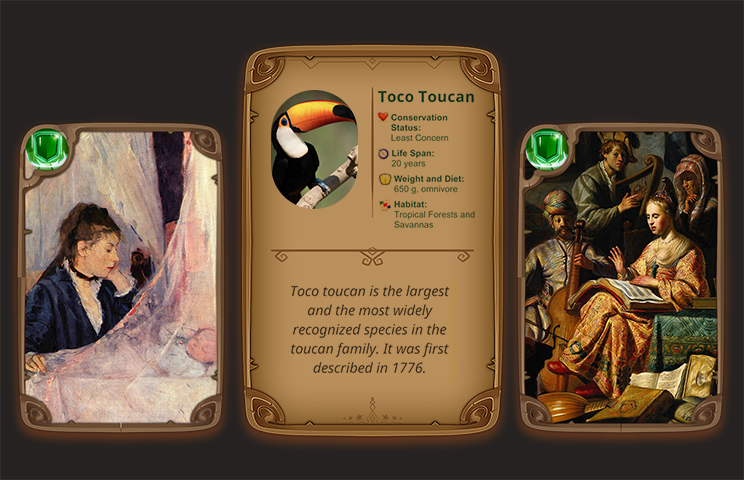
Game user Interface (UI) art focuses on the visual elements that help players interact with the game. This includes menus, icons, inventories, minimaps, health bars, skill trees, and other interface components.
A well-designed UI improves usability while maintaining consistency with the game’s overall visual style.
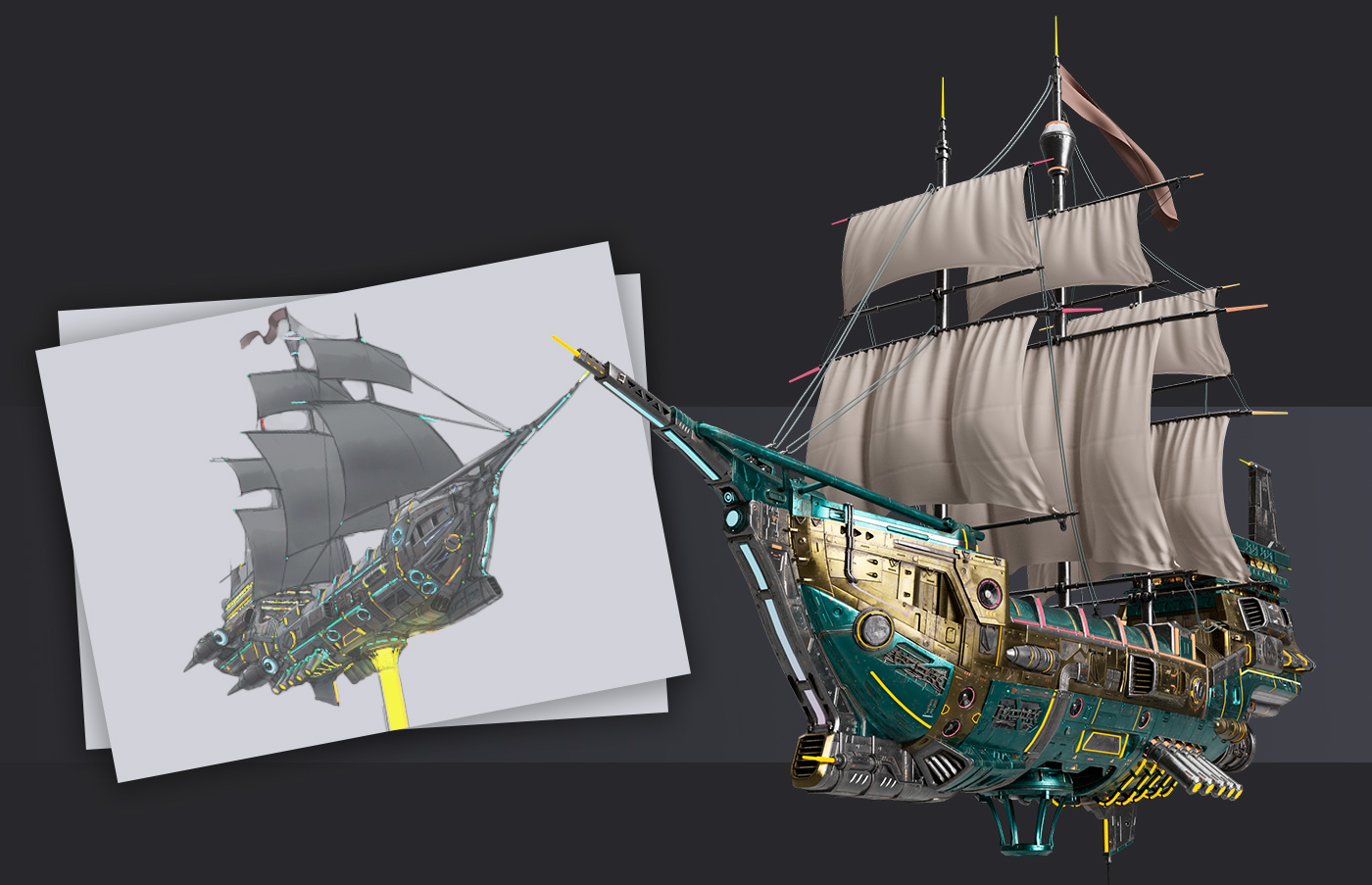
Concept art serves as the foundation of game development. Concept artists explore ideas and establish the visual direction of characters, environments, props, and other assets before production begins.
2D Game Art vs 3D Game Art
Game art is generally divided into two major categories: 2D art and 3D art. Both approaches have their strengths, limitations, and ideal use cases. The choice between them depends on factors such as the game’s genre, platform, budget, target audience, and artistic direction.
What Is 2D Game Art?
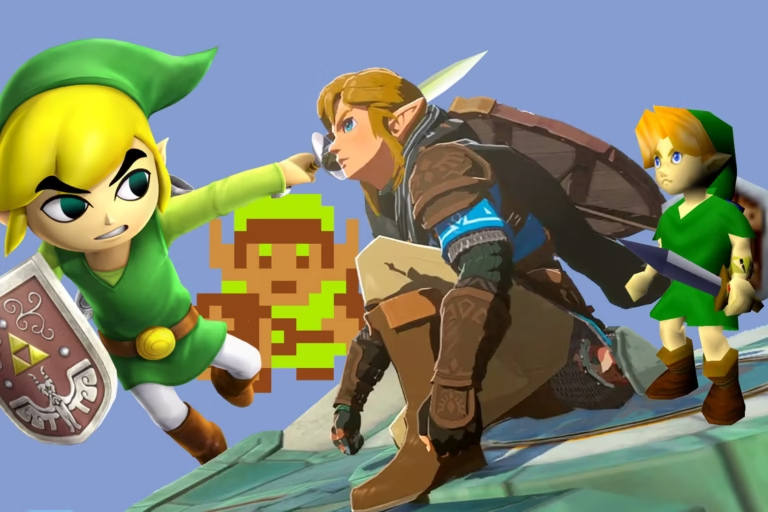
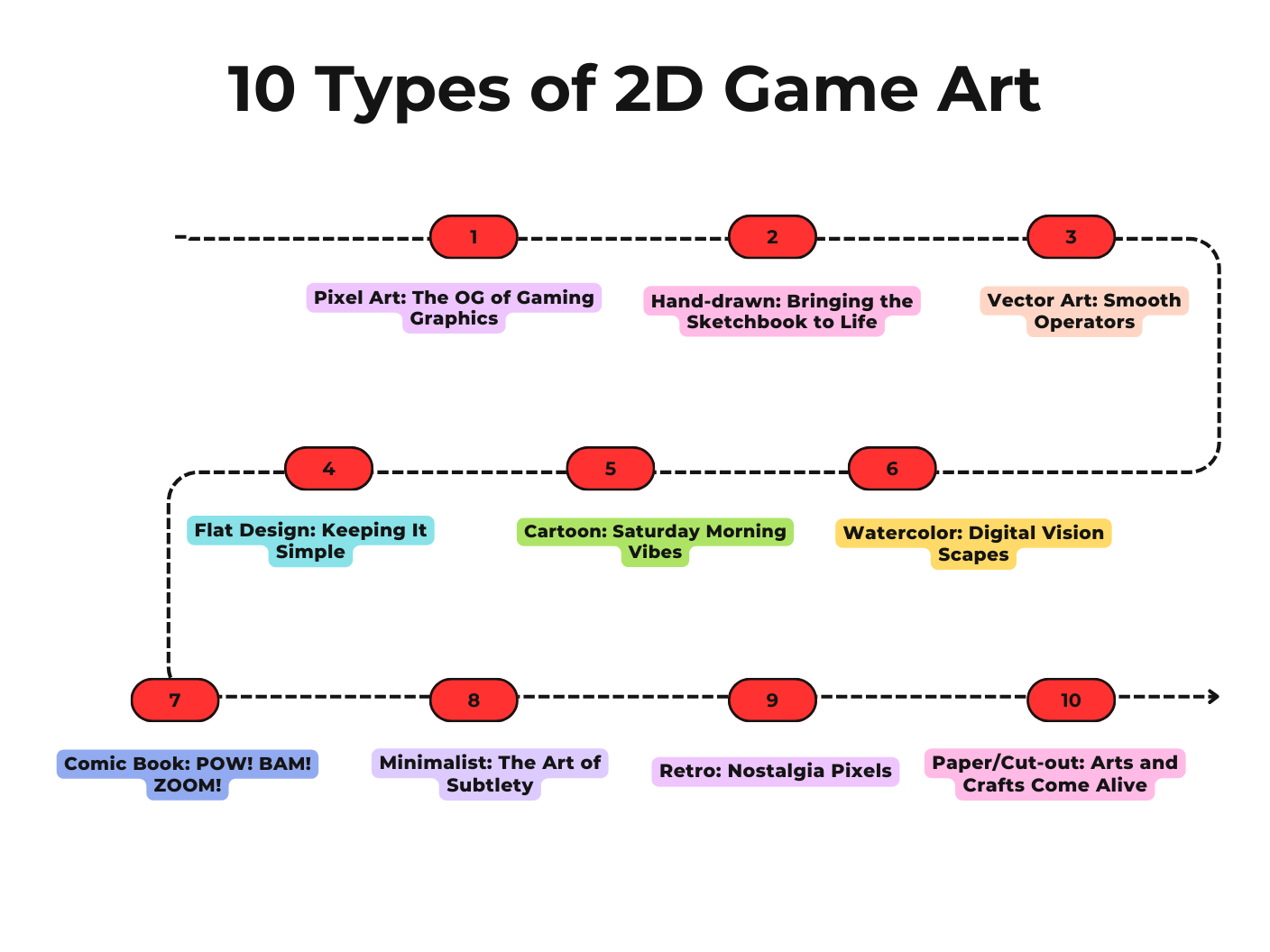
2D game art consists of flat visual assets created using illustrations, sprites, textures, and animations. Unlike 3D assets, 2D art styles does not have depth and is viewed from a fixed perspective.
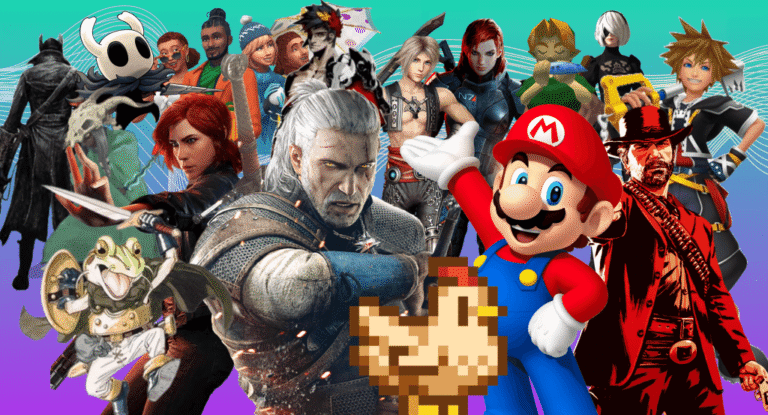
2D art is commonly used in platformers, mobile casual games, visual novels, card games, puzzle games, and many indie titles. Popular examples include Hollow Knight, Cuphead, and Stardew Valley.
One of the biggest advantages of 2D game art is its accessibility. It generally requires smaller production teams and can often be produced more quickly than complex 3D assets. Many developers also choose 2D art because it allows for highly stylized visual directions that would be difficult or expensive to achieve in 3D.
What Is 3D Game Art?
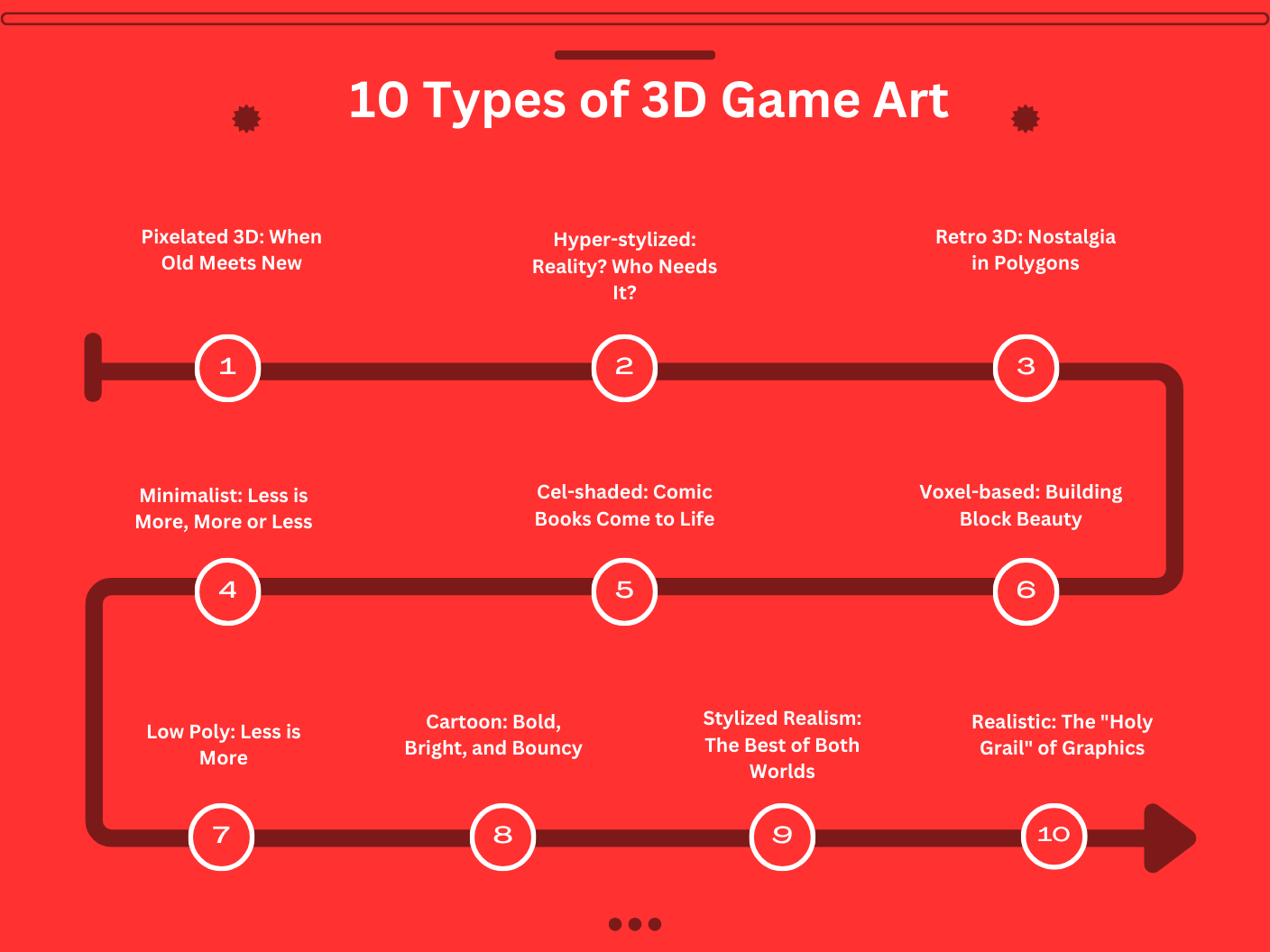
3D game art uses digital models with height, width, and depth. Artists create these assets using specialized software such as ZBrush, Blender, and Maya before applying textures, materials, lighting, and animations.
Most modern PC, console, VR, and AAA games rely heavily on 3D art styles. Games such as The Witcher 3, Elden Ring, and God of War use detailed 3D environments and characters to create immersive experiences.
3D game art allows for dynamic camera movement, realistic lighting, and greater environmental interaction. However, it also requires larger budgets, more specialized talent, and longer production times.
Which One Is Better?
Neither 2D nor 3D art is inherently superior. The right choice depends on the project’s goals.
2D art often works well for stylized games, smaller teams, and projects with limited budgets. It can also create a unique visual identity that stands out in crowded markets.
3D art is generally preferred when developers want realistic visuals, expansive worlds, cinematic presentation, or complex gameplay interactions.
Many modern games combine both approaches and use interactive art in games, using 2D artwork for UI, icons, and visual effects while relying on 3D assets for characters and environments.
The Game Art Development Process
Creating game art is a multi-stage process that transforms ideas into playable assets. While workflows vary between studios and projects, most game art pipelines follow a similar structure that ensures consistency, quality, and technical compatibility.
Every asset begins with an idea. Concept artists work closely with game designers and art directors to establish the visual direction of characters, environments, props, and other assets. Through sketches, mood boards, and visual exploration, they create designs that align with the game’s story, mechanics, and art style.
2- Asset Creation
Once concepts are approved, artists begin creating the final assets. Depending on the project, this may involve painting 2D illustrations or building detailed 3D models. At this stage, artists focus on translating the approved designs into production-ready assets.
3- Texturing and Materials
Textures and materials give assets their visual appearance. Artists add colors, surface details, wear and tear, patterns, and realistic material properties. A strong texturing pass can significantly improve the realism and visual quality of an asset.
4- Rigging and Animation
Characters and certain objects must be prepared for movement before they can be animated. The rigging process involves creating digital skeletons and control systems that allow animators to move characters naturally. Animators then create movement cycles, combat actions, facial expressions, and cinematic performances.
5- Engine Integration
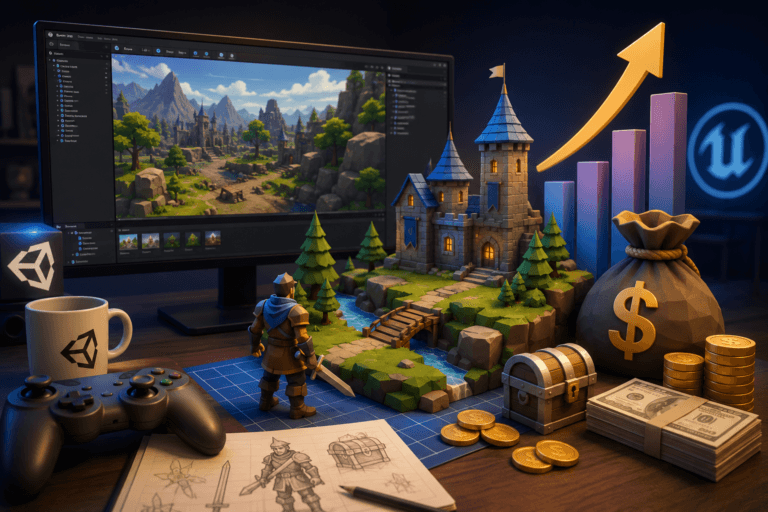
After assets are completed, they are imported into game engines such as Unity or Unreal Engine. During this stage, artists and technical teams ensure that models, textures, animations, and materials function correctly within the game’s environment.
6- Testing and Optimization
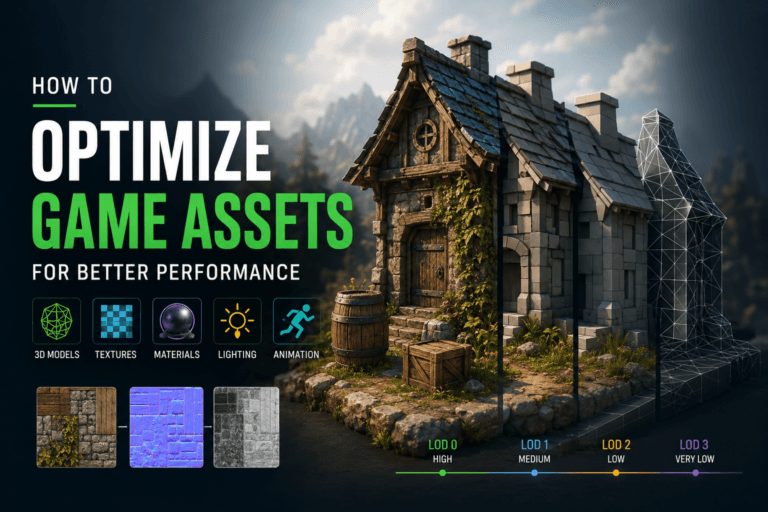
Game assets must perform efficiently across different hardware platforms. Artists optimize polygon counts, texture sizes, and rendering performance while maintaining visual quality. This step helps ensure smooth gameplay and stable performance.
Who Creates Game Art?
Game art is rarely created by a single person. Modern games rely on teams of specialized game artists who contribute different skills throughout development.
Concept artists establish the visual foundation of a game. They design characters, environments, creatures, props, and vehicles before production begins.
2- Character Artists
Character artists create playable characters, enemies, NPCs, and creatures. Their work often includes modeling, sculpting, texturing, and preparing assets for animation.
3- Environment Artists
Environment artists build the worlds players explore. They create landscapes, architecture, vegetation, interiors, and world-building assets that define the game’s setting.
4- Prop Artists
Prop artists focus on smaller objects such as weapons, furniture, tools, collectibles, and environmental details that help make the world feel believable.
5- UI/UX Artists
UI artists design menus, icons, inventory systems, HUDs, and other interface elements that help players interact with the game.
6- Technical Artists
Technical artists bridge the gap between art and programming. They develop tools, optimize assets, create shaders, and solve technical challenges that arise during production.
7- VFX Artists
Visual effects artists create explosions, magic effects, weather systems, particle simulations, smoke, fire, and other dynamic effects that enhance gameplay and immersion.
8- Texture Artists
Texture artists add colors, materials, and surface details to 3D models. They create textures for skin, metal, fabric, wood, stone, and countless other materials. Their work is essential for making assets appear realistic or stylized according to the game’s art direction.
9- Rigging Artists
Rigging artists prepare characters, creatures, and objects for animation by creating digital skeletons and control systems. A well-built rig allows animators to move characters naturally and efficiently while maintaining proper deformations.
10- Animators
Animators bring game assets to life through movement. They create walk cycles, combat animations, facial expressions, cinematic performances, and gameplay interactions. Their work plays a major role in how responsive and believable a game feels.
10- 3D Modelers
3D modelers are responsible for creating the geometry of characters, environments, props, vehicles, and other assets. Using software such as Blender, Maya, and ZBrush, they transform concept art into three-dimensional models that can be textured, rigged, and integrated into the game engine.
11- Shader Artists
Shader artists create the materials and rendering effects that determine how objects react to light. They develop shaders for skin, hair, water, glass, metals, magical effects, and other specialized surfaces. Their work helps achieve both realistic and stylized visual styles while maintaining performance.
12- Lighting Artists
Lighting artists use light, shadow, and color to establish mood, direct player attention, and support visual storytelling. They help create atmosphere while ensuring gameplay areas remain readable and visually appealing.
13- Compositors
While compositing is more common in cinematics, trailers, and pre-rendered cutscenes than real-time gameplay, compositors combine multiple visual layers into a final image or sequence. They integrate rendered passes, visual effects, lighting adjustments, color corrections, and atmospheric elements to create polished final shots.
14- Art Directors
Art directors oversee the artistic vision of the project. They maintain visual consistency, review artwork, and guide the art team throughout development.
15- Creative Directors
Creative directors are responsible for the overall creative vision of the game. They coordinate art, design, narrative, audio, and gameplay teams to ensure every element supports a unified experience.
Outsourcing Art Teams
Many studios also work with an external game art outsourcing company. These teams often provide character art, environment art, animation, UI design, concept art, and other services to help accelerate production and scale development efficiently. You can also read our guide on game art outsourcing pricing.
Read More: Careers in Game Art
Tools Used in Game Art Development
Game artists rely on a wide range of game art software to create assets for modern games.
Category | Popular Software | What It’s Used For |
|---|---|---|
2D Art | Photoshop,
Krita,
Clip Studio Paint,
| Creating textures, concept art, and 2D game assets.
|
3D Modeling | Maya,
Blender,
3ds Max,
| Sculpting characters, environments, and objects in 3D.
|
Animation | Maya,
Blender,
Spine, | Bringing characters and objects to life with movement.
|
Texturing | Substance Painter,
Mari,
Quixel Mixer,
| Adding color and surface details to 3D models.
|
Game Engines | Unreal Engine,
Unity,
Godot,
| Where it all comes together.
|
VFX | Houdini,
Nuke,
After Effects,
| Creating special effects like explosions and magic.
|
UI/UX | Adobe XD,
Figma,
Sketch,
| Designing user interfaces and menus.
|
Pixel Art | Aseprite
PyxelEdit
| Crafting retro-style graphics pixel by pixel! |
Skills Every Game Artist Needs
Creating successful game art requires both artistic and technical abilities. While specific skills vary by specialization, several core competencies are valuable across the industry.
Drawing and Design Fundamentals
Strong fundamentals in composition, shape language, perspective, and visual communication help artists create appealing and readable designs.
Color Theory
Understanding color theory in game art helps artists establish mood, direct player attention, and create visually cohesive assets.
Anatomy and Perspective
Knowledge of anatomy is essential for character artists, while perspective is critical for creating believable environments and objects.
3D Modeling Skills
Many modern game art positions require familiarity with 3D software and production pipelines, even for artists who specialize in concept design.
Game Engine Knowledge
Understanding how assets function inside game engines allows artists to make better design decisions and create production-ready content.
Communication and Collaboration
Game development is a collaborative process. Artists must communicate effectively with game designers, programmers, producers, and other team members throughout production.
Future Trends in Game Art
Technology continues to reshape how game art is created and experienced.
AI-Assisted Art Creation
AI art generator tools are increasingly being used for ideation, reference generation, concept exploration, and production support.
Real-Time Rendering
Advances in real-time rendering technology allow developers to achieve near-cinematic visual quality directly inside game engines.
Procedural Content Generation
Procedural tools help artists create large environments, vegetation systems, and complex assets more efficiently.
Virtual Production
Real-time technologies are enabling new workflows that blur the line between game development, filmmaking, and interactive experiences.
Stylized Art Growth
While realistic graphics continue to improve, many studios are investing in unique stylized art directions that help games stand out from competitors.
How Pixune Creates Game Art
At Pixune, game art production begins with understanding the project’s goals, target audience, and visual art direction. Our team collaborates with clients to establish a clear game art style before moving into concept development.
Once concepts are approved, our artists create characters, environments, props, UI elements, and visual effects that align with the project’s artistic and technical requirements. Throughout production, we focus on quality, consistency, and optimization to ensure assets perform well in their intended game engines.
By combining creative expertise with production-focused workflows, we help developers transform game ideas into compelling game worlds that engage players and support gameplay objectives.
Conclusion
Game art is one of the most important aspects of game development. It shapes how players perceive a game, supports storytelling, communicates gameplay information, and creates memorable experiences. From concept sketches and character designs to environments, animations, and visual effects, every visual element contributes to the final product.
As games continue to evolve, the demand for high-quality game art continues to grow. Understanding the different disciplines, workflows, and technologies behind game art provides valuable insight into the creative process that brings virtual worlds to life. Whether you’re a developer, artist, or simply a passionate gamer, game art remains at the heart of every great gaming experience.