
Motion graphics are what happens when graphic design starts moving.
Think of a poster, but instead of staying still, the elements come to life. A headline slides into place. A logo builds itself from simple shapes. A line grows across the screen and becomes a chart. Icons appear one after another to explain a process. A product rotates in 3D while animated labels point to its features.
That is the easiest way to understand motion graphics: design with movement.
It is part of the animation world, but it has a different job from character animation or cinematic animation. Motion graphics are usually not about making a character feel alive. They are about making information feel clear, visual, and engaging.
This is why motion graphics are used so often in commercial videos. They help brands explain products, introduce services, present data, promote apps, support game trailers, and make videos feel more polished.
In short, motion graphics turn information into something the viewer can see, follow, and remember.
What Are Motion Graphics?
Motion graphics, as a type of animation, are animated visual design elements. These elements can include typography, icons, logos, shapes, illustrations, charts, UI screens, product labels, abstract patterns, or 3D objects.
The focus is usually not on a character performing a story. The focus is on communication.
For example, a software company may want to explain how its platform works. A normal video could show someone using a laptop, but that does not always make the product easy to understand. Motion graphics can show the idea more clearly: dashboards open, lines connect different users, icons represent features, numbers change, and short text labels guide the viewer through the process.
This is where animation services become useful. They can show things that are hard to film, such as cloud storage, cybersecurity, workflow automation, data movement, app features, or financial growth.
A camera records what exists. Motion graphics can visualize what is abstract.
How Motion Graphics Fit Into Animation
Motion graphics are a type of animation, but they are not the same as traditional animation.
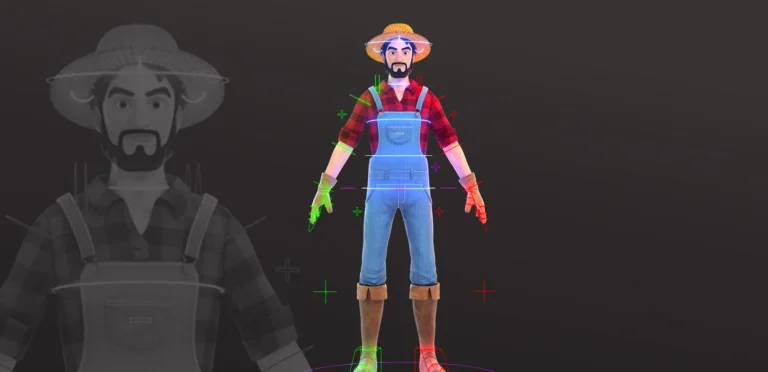
In character animation, the focus is usually performance. The animator thinks about acting, posing, animating facial expressions, body movement, emotion, and timing. A character needs to look sad, excited, scared, confident, tired, or funny.
In motion graphics, the focus is visual communication. The designer thinks about layout, typography, color, hierarchy, transitions, timing, and rhythm. The goal is not always to make something feel alive. The goal is to make the message easier to understand.
This is especially important in commercial animation, where videos often need to explain or sell something quickly.
A commercial may use character animation to create personality, 3D animation to show a product, and motion graphics to deliver the main information. For example, a mascot can attract attention, but the animated text, icons, callouts, and final logo usually make the message clear.
That is why motion graphics are often the structure behind a commercial video. They connect the scenes, organize the information, and make sure the audience knows what the video is trying to say.
For readers who want to understand the broader principles behind animated movement, our guide to arcs in animation explains why controlled motion paths are so important in making animation feel natural and readable.
Why Motion Graphics Are Used in Commercial Videos
Commercial videos usually have a practical goal. They need to sell a product, explain a service, promote an app, introduce a brand, launch a campaign, or make a company look more professional.
Motion graphics help because they can communicate fast.
Instead of explaining every detail through long voiceover or live-action footage, a commercial animation can use animated design to simplify the message. A feature can appear as an icon. A benefit can appear as a short headline. A process can be shown through connected steps. A number can become an animated chart. A logo can become a memorable closing moment.
For example, imagine a commercial for a task management app. The video could show a phone screen opening, task cards sliding into place, team icons connecting, a clock animation showing saved time, and a final call to action. In a few seconds, the viewer understands what the app does and why it matters.
That is the commercial value of motion graphics. They reduce explanation time.
This is also why businesses often compare different video formats before production, especially when planning an explainer video budget. If you are estimating production costs, you can also read our guide on animated explainer video cost.
They also give brands more control over style. Live-action video depends on locations, actors, lighting, props, and camera work. Motion graphics can create a complete visual world from design: clean, playful, futuristic, serious, colorful, minimal, premium, or energetic.
Read More: The Most Creative Animated Commercials We Saw in 2026 (So Far)
What Do Motion Graphics Look Like?
Motion graphics do not have one fixed look. They can be flat and simple, 3D and cinematic, playful and bouncy, or sharp and futuristic.
A tech explainer may use clean icons, thin lines, soft gradients, animated UI screens, and smooth transitions. The style is usually controlled and easy to read because the goal is clarity.
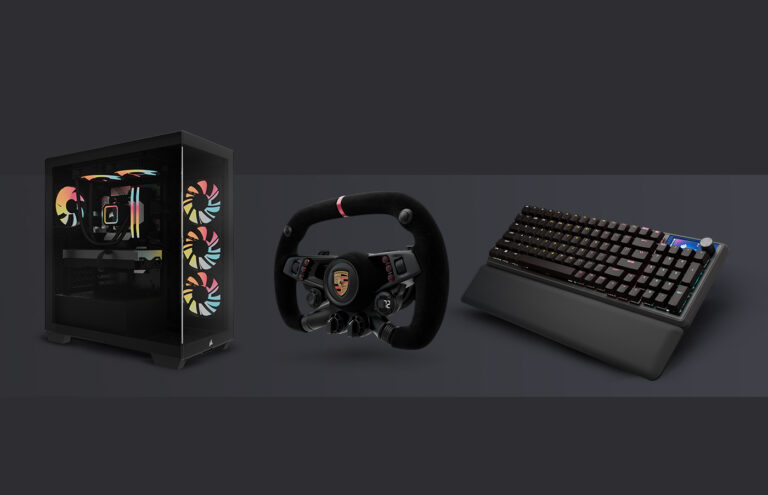
A gaming video may feel much more intense. Typography may hit the screen with impact. Glitch effects, particles, sparks, neon colors, fast cuts, and heavy transitions may be used to create energy.
A luxury product video may use slow movement, elegant typography, dark backgrounds, soft lighting, and a lot of empty space. The animation does not need to be loud. It needs to feel refined.
A children’s brand may use rounded shapes, bright colors, soft characters, playful icons, and bouncy motion. The movement feels friendly because the audience is different.
This is why art style matters in motion graphics. The movement is not separate from the brand. A financial company, a game studio, a food brand, and a fashion label should not all move in the same way.
Good motion graphics have a visual personality.
Animation is used across many industries for growth. In some industries, this visual personality becomes especially important. For example, crypto and blockchain brands often use motion graphics to make abstract ideas like trust, security, decentralization, and digital transactions easier to understand. You can see this more clearly in our article on the role of motion graphics in crypto branding.
Common Art Styles in Motion Graphics
One of the most common styles is flat 2D motion graphics. This type of 2D animation style uses clean shapes, simple icons, readable typography, and smooth transitions. It is popular in explainer videos, SaaS videos, corporate content, and educational animation because it keeps the message clear.
Another common style is kinetic typography, where the text itself becomes the main visual element. Words scale, slide, rotate, split, bounce, or appear in rhythm with the voiceover or music. This style is useful when the message is very verbal, such as promotional videos, social media content, title sequences, or lyric-style content.
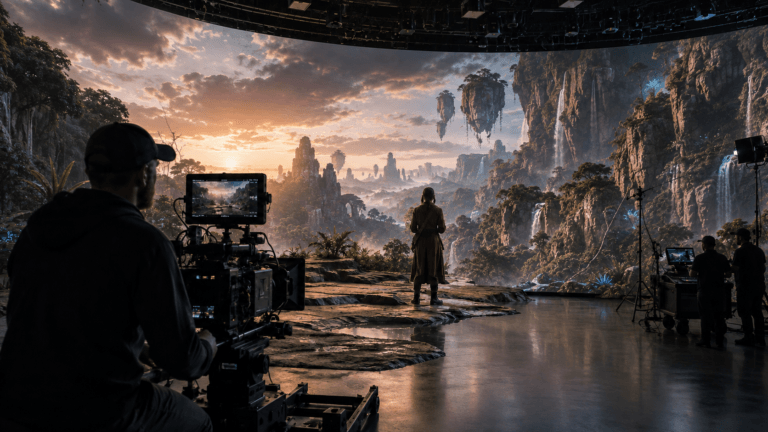
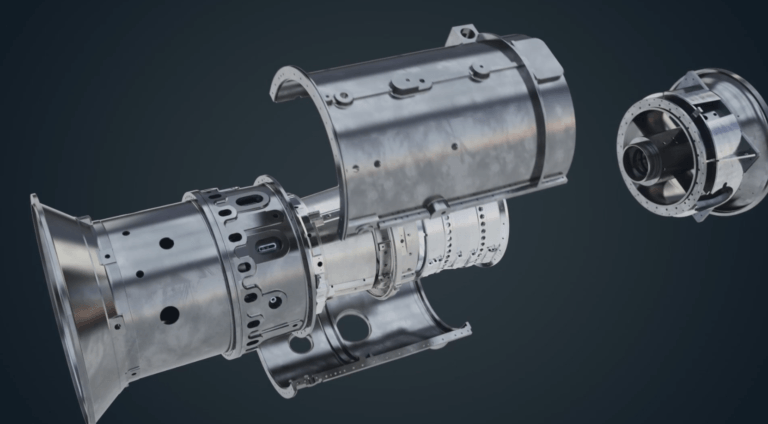
3D motion graphics are used when the video needs more depth and visual impact. Products can rotate, cameras can move through abstract environments, materials can reflect light, and text can exist as a physical object. This style is common in product animation services, tech commercials, broadcast design, and premium brand films.
There is also a more collage-like style, where photos, textures, cutout images, typography, and graphic elements are mixed together. This can feel editorial, artistic, or energetic, depending on the design.
Motion graphics can also be combined with more tactile animation styles. If you want to compare this digital design-driven approach with handmade animation, our guide on stop motion animation explains how physical objects, puppets, and frame-by-frame movement create a very different visual feeling.
The best style depends on the message. A clean app explainer needs readability. A game trailer needs impact. A luxury commercial needs restraint. A startup video may need friendliness and clarity.
Motion Graphics in Product Videos
Product videos often use motion graphics because showing the product is not always enough.
A 3D animation can make a product look beautiful. It can show the shape, material, lighting, texture, and movement. But the viewer still needs to understand the value of the product.
That is where motion graphics come in.
A smartwatch commercial may show the watch rotating in 3D, then use animated callouts to highlight heart-rate tracking, battery life, water resistance, notifications, and fitness features. A headphone commercial may use motion graphics to show noise cancellation, Bluetooth range, charging time, and sound quality.
The 3D animation creates desire. The motion graphics explain the features.
Together, they make the video more complete.
Motion Graphics in Explainer Videos
Explainer videos are one of the clearest uses of motion graphics.
Many businesses sell products or services that are difficult to film. Software platforms, cybersecurity systems, fintech apps, healthcare services, AI tools, logistics platforms, and B2B services often deal with abstract ideas.
Motion graphics make those ideas visible.
Cybersecurity can become shields, locks, scanning lines, and protected servers. Cloud storage can become floating folders, connected devices, and data streams. Financial growth can become rising charts, animated numbers, and clean dashboards.
This is why motion graphics are so common in SaaS, finance, healthcare, education, and technology. They can turn a complicated message into a visual sequence the viewer can follow.
Read More: How 3D Explainer Videos Can Help Your Business
Motion Graphics in Game Trailers
Game trailers often use motion graphics more than people realize.
Gameplay footage or cinematic animation may show the world of the game, but motion graphics help package the message. They can show the game title, release date, character names, ability names, game modes, review quotes, platform logos, update names, and calls to action like “Wishlist Now” or “Coming Soon.”
In a fantasy RPG trailer, motion graphics may introduce a character class, reveal a spell name, show upgrade systems, or highlight a new expansion. In a mobile game ad, they may show rewards, level progress, event banners, coins, timers, and limited-time offers.
Without motion graphics, many trailers would still look exciting, but they would communicate less clearly.
Game marketing also depends on the difference between assets made for the game itself and visuals made for promotion. To understand that distinction better, you can read our article on in-game art vs promotional art.
Motion Graphics in Brand Videos
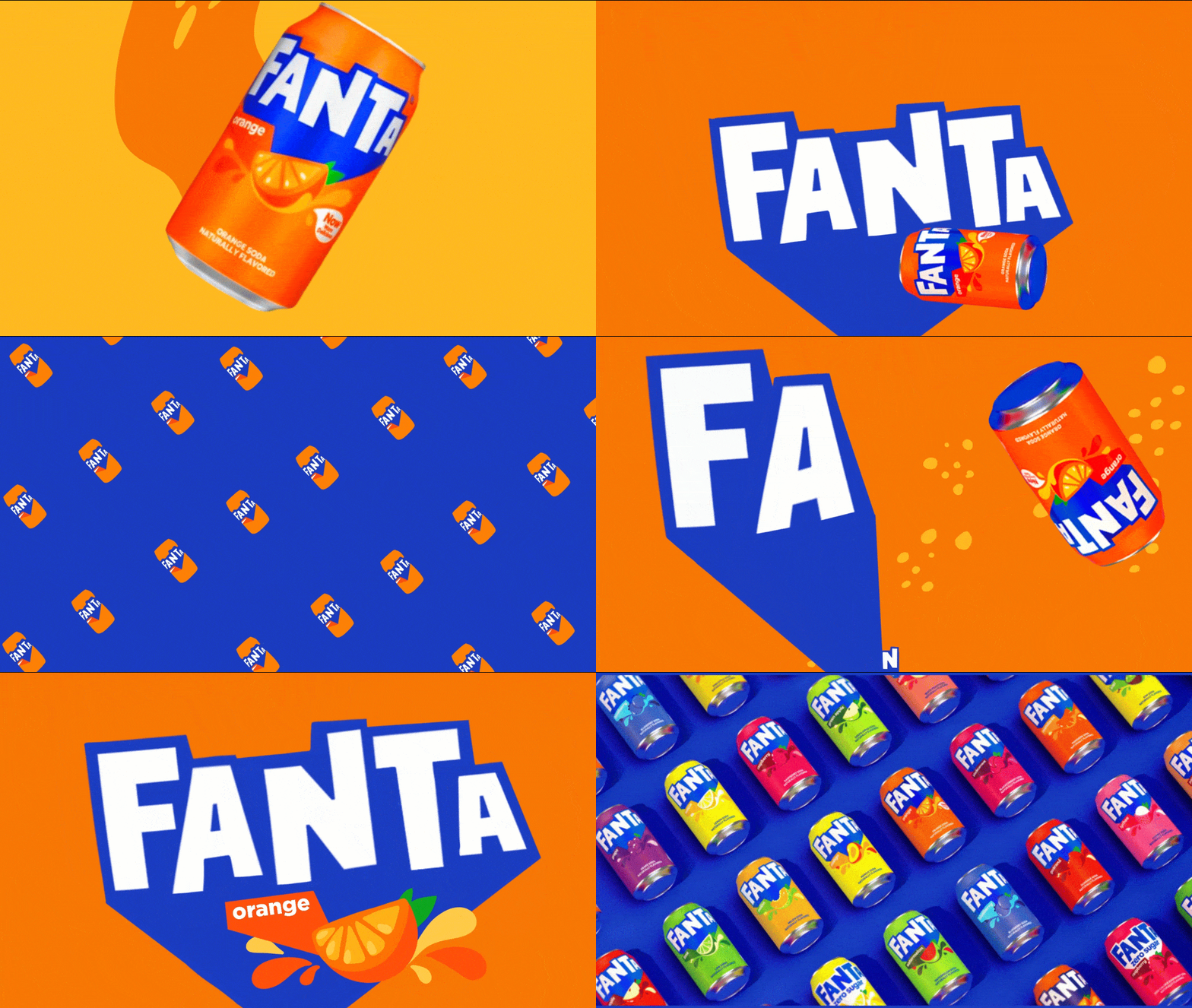
Brand videos use motion graphics to make a company feel more recognizable.
A logo animation, animated typography system, custom transitions, branded icons, and consistent visual rhythm can all become part of a brand’s identity. This matters because animated video is used for ads, across websites, social media, presentations, events, and product launches.
A strong motion graphics system helps a brand feel consistent everywhere.
For example, a tech brand may use precise geometric movement. A gaming brand may use fast impact transitions. A wellness brand may use soft fades and organic shapes. A luxury brand may use slow motion, elegant spacing, and minimal typography.
The animation style becomes part of how the brand speaks.
Software Used for Motion Graphics
Adobe After Effects is one of the most common tools for motion graphics. It is widely used for animated typography, logo animation, explainer videos, social media ads, compositing, transitions, and commercial animation graphics. You can learn more about the tool on the official Adobe After Effects page.
After Effects is popular because it works well with other Adobe tools. 2D animators may create icons and vector assets in Adobe Illustrator, prepare images in Adobe Photoshop, animate scenes in Adobe After Effects, and edit or finalize videos in Adobe Premiere Pro.
Cinema 4D is often used when the project needs 3D motion graphics. It is popular for product animation, 3D typography, abstract visuals, broadcast graphics, and premium commercial videos. Many studios use Cinema 4D and After Effects together because the workflow is familiar in motion design production. For 3D motion design, the official Cinema 4D page is a useful reference.
Blender is also common, especially for artists and studios that want a powerful free 3D tool. Houdini is used for more technical motion graphics, procedural animation, particles, and simulations. 3D animators who want to explore open-source 3D production can also visit the official Blender website.
The animation software matters, but it does not replace design thinking. Good motion graphics depend on timing, composition, hierarchy, and style before they depend on plugins or effects.
This is similar in other animation disciplines too. For example, a stop motion artist also relies on timing, staging, planning, and visual consistency, even though the production method is very different from digital motion graphics.
What Makes Motion Graphics Good?
Good motion graphics are easy to follow.
That does not mean they have to be simple or boring. It means the viewer should always know where to look and what to understand.
If too many elements move at once, the message becomes confusing. If the text disappears too quickly, the viewer cannot read it. If the design is crowded, the animation only makes the problem worse.
Strong motion graphics usually have a clear hierarchy. The main idea appears first. Supporting details come after. The viewer’s eye is guided from one point to the next.
Timing is also important. A fast transition can create energy. A slow fade can feel elegant. A small bounce can make a design feel friendly. A sharp impact can make a game trailer production feel powerful. The motion should match the tone of the video.
Sound design helps too. Small clicks, whooshes, impacts, pops, and risers can make movement feel more physical. Even simple animations feel more polished when the audio is timed well.
The best motion graphics do not feel like random movement. They feel directed.
Final Thoughts
Motion graphics are animated graphic designs. They bring text, logos, icons, shapes, UI elements, charts, illustrations, and abstract visuals to life through movement.
In animation and commercial videos, motion graphics are used to explain, organize, and strengthen the message. They can support character animation, product animation, game trailers, explainer videos, brand films, app promos, and social media ads.
They can look minimal, bold, playful, futuristic, cinematic, corporate, or premium. The style depends on the brand, audience, and purpose of the video.
At their best, motion graphics help people understand an idea faster. They do not just make visuals move.
They make communication move.