
Game concept art books are the first step in bringing a game to life. They show characters, worlds, weapons, and environments. Fans can admire them, and artists can learn techniques and get inspired.
This post lists the Top 10 Game Concept Art Books. Every game fan, designer, or artist should own at least one. They reveal the skill and creativity behind popular games.
These books give more than just images. Each page tells a story about how characters, environments, and objects are designed. You will see the evolution from early sketches to fully realized game visuals. Artists can study composition, color, and style. Designers can pick up techniques for world-building. Fans get a closer look at the imagination and effort that make games memorable. Whether you want inspiration, education, or simply an inside look at game creation, these books are essential.
Need Game Art Services?
Visit our Game Art Service page to see how we can help bring your ideas to life!
Why Game Concept Art Books Are Important
These books are not just for collecting. They teach how games are made and inspire your own creativity. You can study characters, environments, color palettes, and composition. They help you see how ideas develop from rough sketches to final images.
Many concept art books also include concept artist notes, design explanations, and behind-the-scenes insights that reveal the decision-making process behind each piece. This makes them valuable learning tools for aspiring artists, game designers, and storytellers.
By examining different game styles and techniques, readers can gain a deeper understanding of visual development and discover new approaches to their own creative projects. Whether you are looking for inspiration, practical knowledge, or a closer connection to your favorite games, these books offer something meaningful on every page.
Top 10 Game Concept Art Books
The following books showcase some of the finest concept art created for modern video games. From detailed character designs and breathtaking environments to behind-the-scenes sketches and creative development insights, each title offers a unique look into the artistic concept art process that shapes unforgettable gaming experiences.
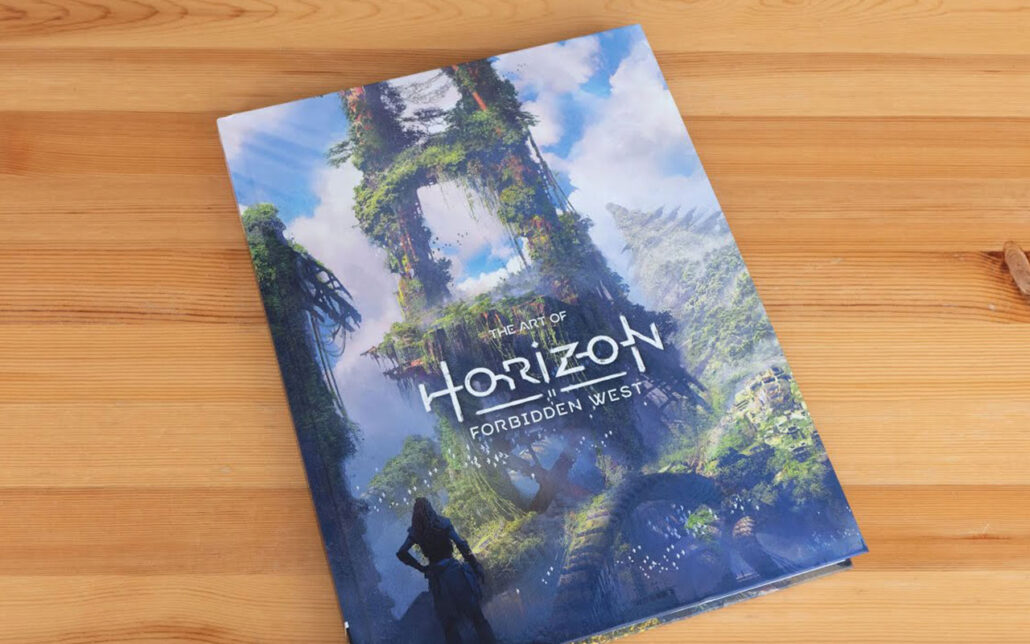
1. The Art of Horizon Forbidden West
This 224-page hardcover by Dark Horse captures the stunning post-apocalyptic world of Horizon Forbidden West. It features intricately designed characters, animals, and vast environments. Fans can study the tribal influences, sci-fi elements, and the visual storytelling that shaped the game. While some printing limitations slightly reduce shadow depth, the detail and artistry are exceptional.
2. The Art of Assassin's Creed: Syndicate
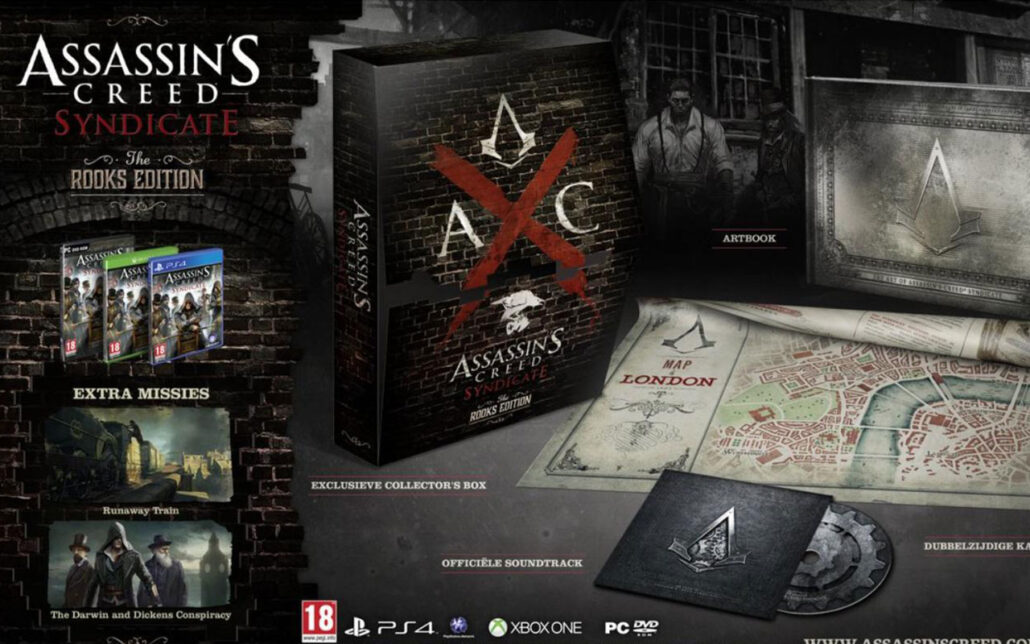
Explore Victorian London with detailed streets, alleys, and interiors. This book shows how the artists combined historical accuracy with the game’s signature style. Readers can examine character costumes, environmental layouts, and how lighting defines mood across various neighborhoods.
3. Nioh & Nioh 2
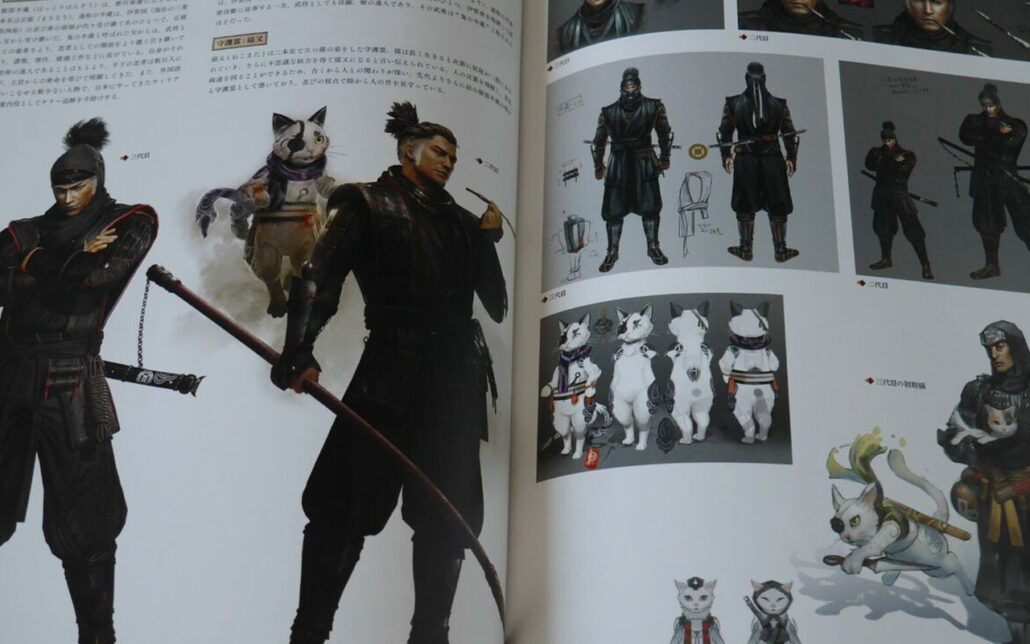
With 304 pages from Udon Entertainment, this book covers characters, monsters, weapons, and armor sets. It includes rough sketches and polished renders. Artists can study action poses, combat equipment design, and environmental storytelling that bring feudal Japan to life in a fantasy setting.
4. The Art of Skulls and Bones
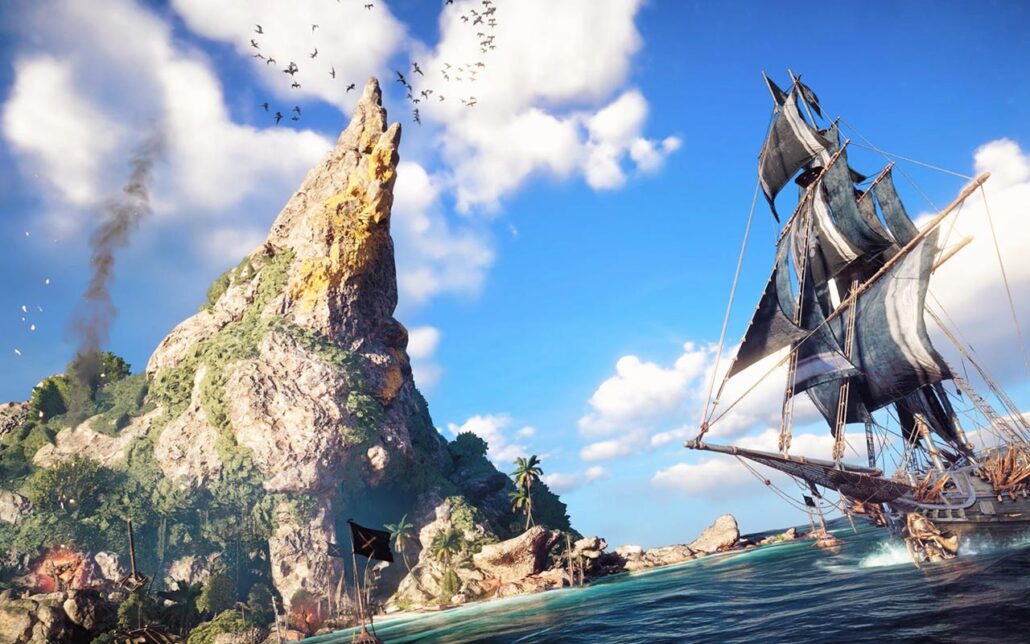
Fans of pirates and naval adventures will appreciate this book. Detailed ship designs, costumes, and tropical environments are included. The evolution of character design and environmental composition is illustrated, showing how artists created a world full of adventure, treasure, and peril.
5. The Art of God of War Ragnarok
A 240-page collection from Santa Monica Studio, this book explores Norse mythology in a detailed, cinematic style. It includes new interpretations of Kratos, Atreus, Odin, and Thor. Artists can study 3D sculpts, game environment layouts, lighting, and the use of mythology to inform design.

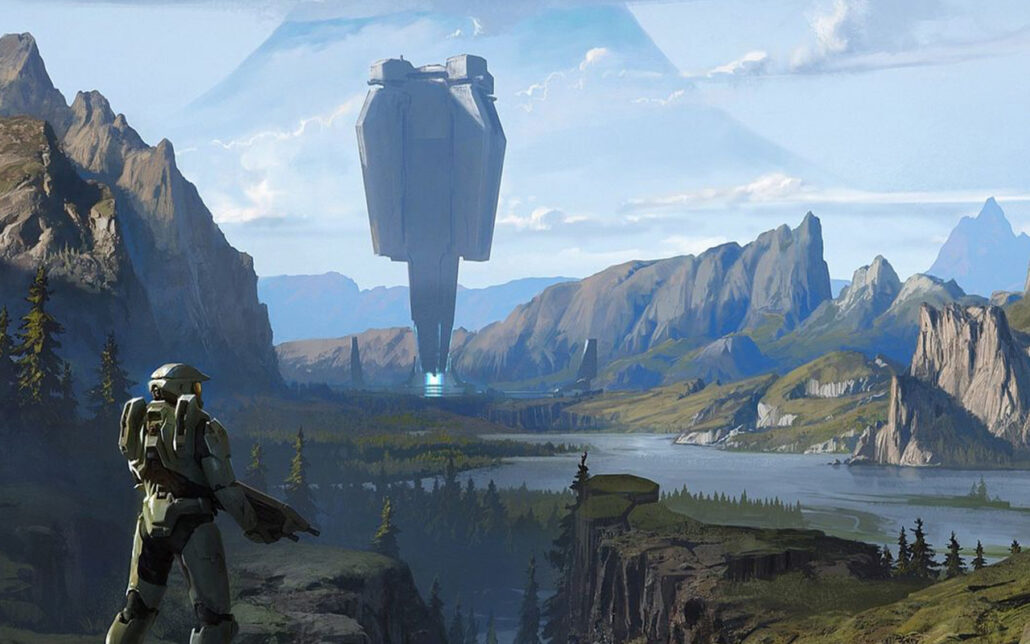
6. The Art of Halo Infinite
This 200-page book presents Spartan characters, alien designs, and futuristic environments. It emphasizes the visual evolution of the Halo universe and demonstrates how to create immersive sci-fi worlds using concept art services.
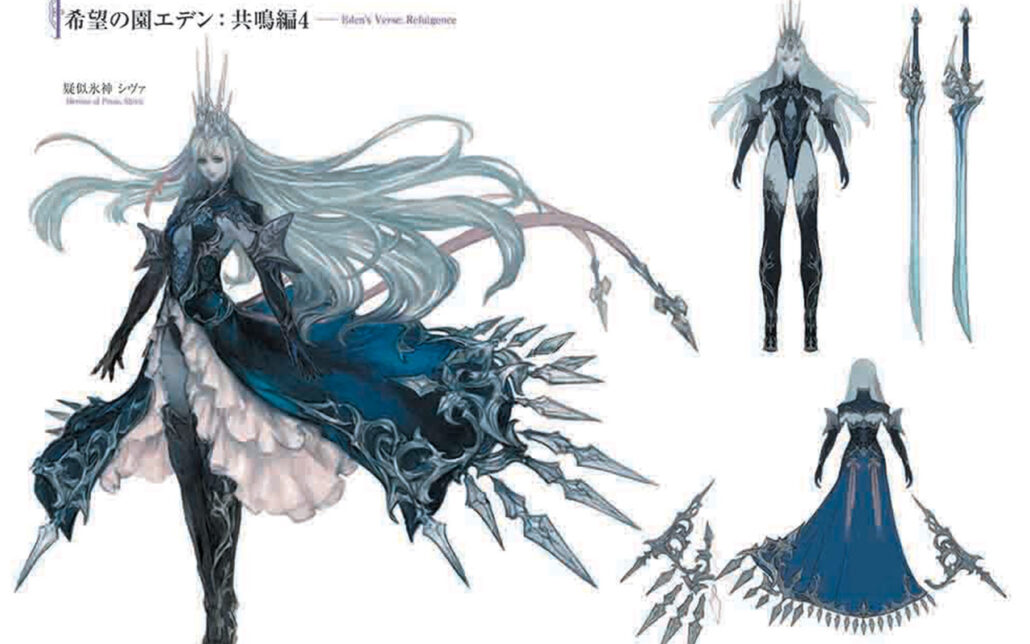
7. Final Fantasy XIV: Shadowbringers - The Art of Reflection
Packed with 304 pages, this book showcases environments, characters, and creatures from the MMORPG expansion. Each page demonstrates intricate lighting, composition, and design decisions, providing a learning resource for fantasy and MMORPG artists.
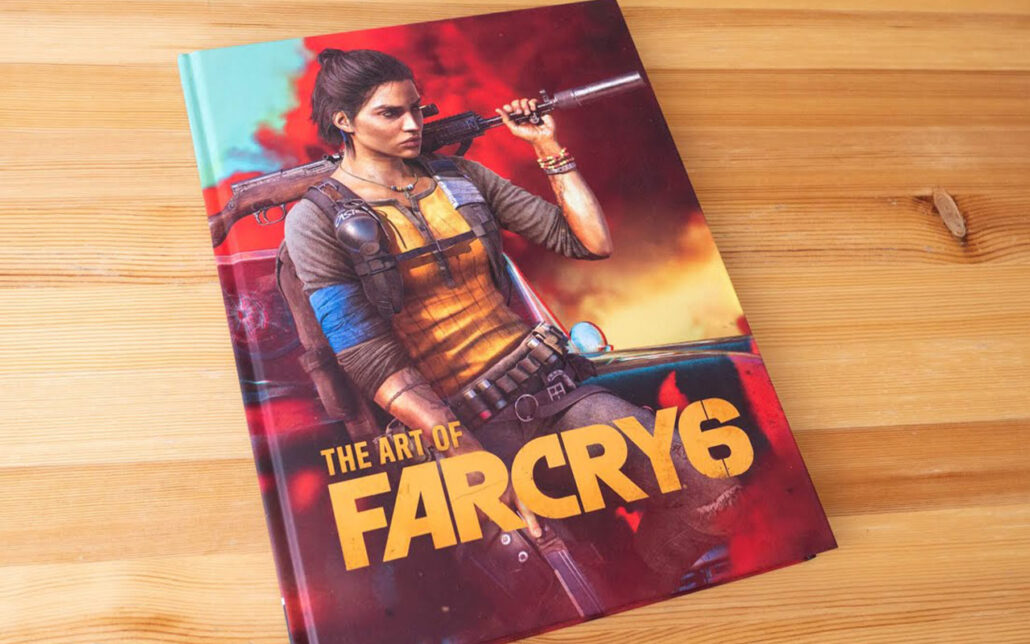
8. The Art of Far Cry 6
A 216-page book detailing the vibrant world of Yara. It includes tropical landscapes, guerilla fighter designs, and dynamic environmental storytelling. Artists can learn about using visual composition to support narrative and create atmosphere.
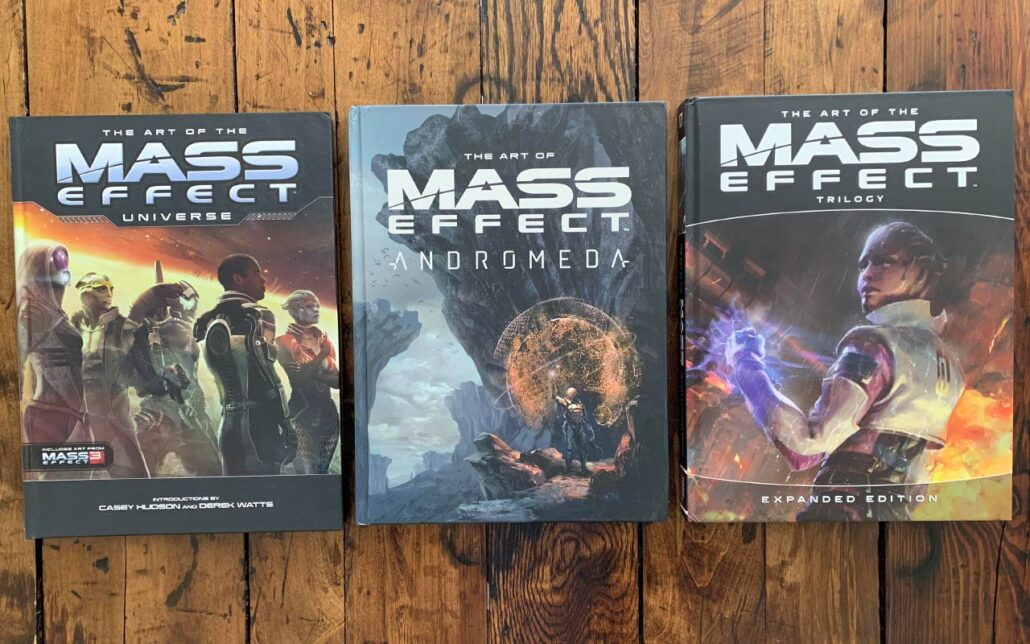
9. The Art of the Mass Effect Trilogy: Expanded Edition
This 264-page edition covers all three games in the series. It contains futuristic planets, vehicles, weapons, and additional DLC content. Readers can see the evolution of world-building and design choices across multiple titles.
10. The Art of Ghost of Tsushima
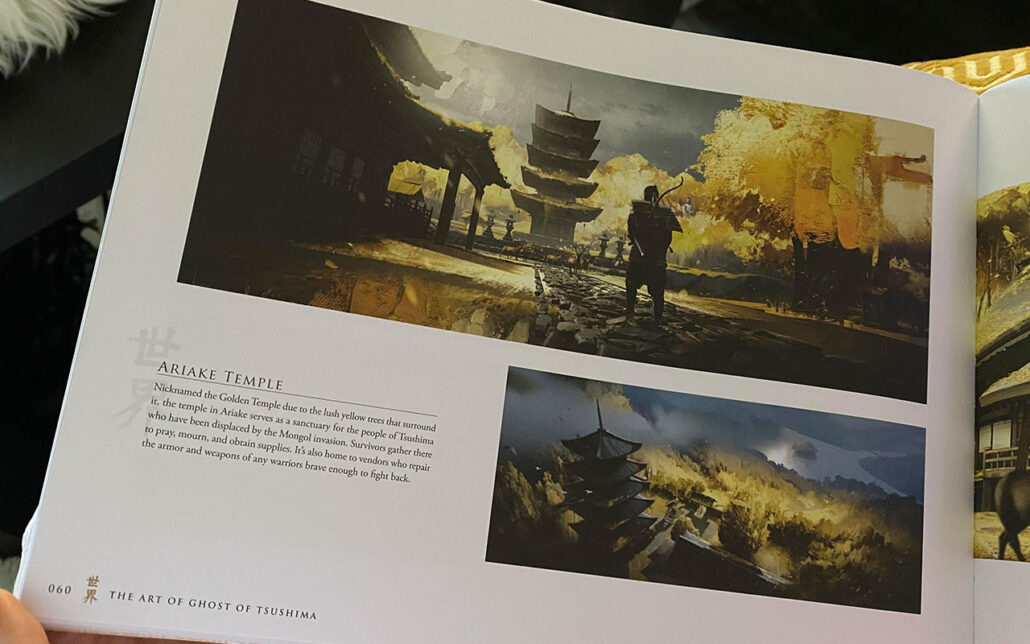
A 208-page hardcover illustrating feudal Japan with stunning samurai designs, environments, and historical architecture. The book emphasizes silhouette, armor details, and environmental storytelling, providing inspiration for artists and game designers alike.
How to Use Game Concept Art Books for Skill Development
There are many different ways to use concepts in art books to your advantage. The following techniques will help you turn inspiration into practical learning and artistic growth.
1. Deconstruct Character Designs
Let’s say you’re flipping through “The Art of God of War Ragnarök”. Pick Kratos. Sketch his buff silhouette, note his Spartan-style armour, jot down the earthy character color palette, and zoom in on that sweet beard and red tattoo.
Steps:
- Pick a character you love from the book.
- Grab a sheet of paper and divide it into sections: silhouette, costume, color palette, and details.
- Sketch the character’s basic silhouette.
- List out key costume elements.
- Make a colour swatch of the main colours used.
- Zoom in on cool details like jewellery or scars.
2. Environment Breakdown Challenge
Grab “The Art of Halo Infinite.” Pick a sprawling alien landscape. Sketch the basic shapes and list out stuff like alien trees, crashed spaceships, and distant mountains. See how they use size and detail to create depth and how that big alien sun casts shadows.
Steps:
- Choose a complex environment piece.
- Set a timer for 5 minutes.
- Quickly sketch the basic composition.
- List out all the elements you can spot.
- Note how depth is created (foreground, midground, background).
- Identify the main light source and how it affects the scene.
3. Color Palette Extraction
In “The Art of Mass Effect Trilogy”, you might find a tech-heavy piece with lots of blues and silvers, creating a cool, futuristic vibe. Then, contrast that with a jungle world full of greens and browns for a more organic feel.
Steps:
- Pick five different artworks from the book.
- Use a colour picker tool (or your eyes) to identify the main 4-5 colours used in each.
- Create small colour swatches for each palette.
- Write a brief description of the mood each palette creates.
- Try using these palettes in your quick sketches.
4. Weekly Style Study
In Week 1, you might study the bold lines and vibrant colours of an artist in “The Art of Cuphead.” In Week 2, switch to the moody, atmospheric style of an artist from “The Art of Bloodborne.”
Steps:
- Pick an artist featured in the book.
- Analyse their style: line work, shading technique, colour use, etc.
- Try to recreate a small portion of their work.
- Do a quick original sketch in their style.
- Repeat with a new artist each week.
5. Prop Design Challenge
Examine the homemade weapons in “The Art of the Last of Us.” See how they savagely use commonplace items. Then, create your post-apocalyptic weapon using materials you could find in your kitchen.
Steps:
- Find a section on weapons or items in the book.
- Analyse how they fit the game’s world and style.
- List out key design elements (shape language, materials, etc.).
- Design your prop that would fit in the same world.
- Get feedback from art friends or online communities.
6. Storytelling Through Art Analysis
Look at a character design from “The Art of Elden Ring”. The character’s battered armour, grim expression, and otherworldly weapon all tell a story. Jot down what you think their backstory might be based just on the visual clues.
Steps:
- Choose a character or environment piece.
- Write down what you can infer about the story just from the image.
- Note specific visual elements that convey story information.
- Compare your interpretations with the actual game lore.
- Practice adding story elements to your art.
Top Game Concept Art Books for Specific Genres
Here’s a table showcasing some specialty game concept art books for specific game genres:
Genre | Book Title | Book Title | Pages | Key Features |
|---|---|---|---|---|
Fantasy RPG
| “The Art of Skyrim”
| Dark Horse
| 200
| Nordic-inspired landscapes, mythical creatures
|
Sci-Fi FPS
| “The Art of Halo Infinite”
| Dark Horse
| 200
| Futuristic weapons, alien environments
|
Post-Apocalyptic
| “The Art of Fallout 4”
| Dark Horse
| 368
| Retro-futuristic designs, wasteland aesthetics
|
Horror
| “The Art of Dead Space”
| Titan Books
| 192
| Creepy alien designs, claustrophobic spaceship interiors
|
Cyberpunk
| “The Art of Cyberpunk 2077”
| Dark Horse
| 192
| Neon-lit cityscapes, high-tech augmentations
|
Historical Action
| “The Art of Assassin’s Creed Valhalla”
| Dark Horse
| 200
| Viking-era clothing, weapons, and architecture
|
Fighting
| “The Art of Street Fighter”
| Udon
| 448
| Character designs, special move illustrations
|
Platformer | “The Art of Cuphead”
| Dark Horse
| 264
| 1930s cartoon-inspired characters and backgrounds
|
How to Use Game Concept Art Books as a Creative Resource
Let’s learn how you can squeeze every drop of creative juice out of those game concept art books. Here’s a down-to-earth guide on using them as a killer resource:
1. Mood Board Madness
Have you ever felt stuck on a project? Here’s how to kickstart your creativity:
- Grab your favourite concept art book. Let’s say it’s “The Art of Cyberpunk 2077”.
- Flip through and find 5-10 images that really grab you.
- Cut ’em out (if you’re brave), or snap some pics with your phone.
- Slap these bad boys onto a corkboard or create a digital collage.
- Boom! You’ve got yourself a mood board to spark ideas for your next project.
For example, you might pick out some neon-lit cityscapes, funky character designs, and sleek weapon concepts. This visual buffet can inspire anything from a short story to a painting or even a cosplay outfit.
2. Style Study Bootcamp
Want to level up your art skills? Try this:
- Pick an artist from the book whose style you dig.
- Spend 15 minutes really analysing their work. How do they use lines? What’s their colour palette like?
- Now, set a timer for 30 minutes and try to recreate a small part of their work.
- The next day, do a quick original sketch using their style.
- Repeat with a different artist each week.
Say you’re into “The Art of Hollow Knight.” Week 1, you might study Team Cherry’s dreamy, hand-drawn style. Week 2, switch it up with the bold, graphic style from “The Art of Cuphead.”.
3. World-Building Workout
Do you have a story brewing in your mind? Here’s how to flesh it out:
- Choose a concept art book with a world you love. “The Art of God of War” is a great pick.
- Pick three environment pieces and three character designs.
- For each piece, write down five story elements it suggests. What kind of people live here? What conflicts might arise?
- Use these as prompts to write a short scene or sketch a new character for your world.
- Rinse and repeat with different books to keep your creative muscles flexed.
For instance, a gloomy, ruins-filled landscape from God of War might inspire you to create a post-apocalyptic version of your hometown. Or a fearsome monster design could spark ideas for a creature in your own fantasy story.
Where to Buy Game Concept Art Books?
You can discover game concept art books in many different spots, whether you’re browsing online or exploring in person. It’s a great idea to begin with popular online retailers such as Amazon, Barnes & Noble, or Book Depository. They usually offer a wide variety of options and good prices!
If you’re on the lookout for specialised or rare books, consider exploring gaming-focused online stores like Udon Entertainment or Cook & Becker. They often have some fantastic limited-edition art books available! Remember to check out your local bookshops as well; you could be pleasantly surprised by what they have to offer, plus you can peruse the books before making a purchase.
Here’s a quick bullet-point list of places to buy game concept art books:
- Amazon
- Barnes & Noble
- Book Depository
- Udon Entertainment
- Cook & Becker
- Local bookstores
- Comic book shops
- Game stores (like GameStop)
- AbeBooks (for second-hand copies)
- ThriftBooks (for used books)
- eBay (especially for out-of-print or rare editions)
- Direct from game publishers’ websites
- Specialty art book stores
- Convention merchandise booths
- Digital versions on platforms like Kindle or Google Books
Conclusion
Game concept art books are invaluable for both inspiration and learning. They give you access to the thought process behind top games and allow you to study techniques used by professional artists. These books help you understand character design, environment composition, and visual storytelling.
By exploring these books, you can practice deconstructing designs, building mood boards, experimenting with color palettes, and applying world-building techniques to your own projects. They are an essential tool for artists, designers, and fans who want to deepen their understanding of game art. Every page can spark creativity and provide fresh ideas for your next project or game concept.
Owning a collection of these books allows you to continually reference professional techniques and discover new inspiration. Whether you are creating your own game, improving your art skills, or simply enjoying the art of your favorite games, these books are an essential addition to any collection.
FAQ
A game concept art book contains artwork, sketches, designs, and production insights showing how a game’s visual identity was developed.
They help artists study professional workflows, character development, environment design, and visual storytelling.
A good concept art book should include early sketches, design iterations, environment concepts, character development, and explanations from artists.
Yes. Beginners can learn composition, shape language, color design, and professional concept development by studying these books.
Concept art is created during development to explore ideas, while final game art is the finished asset used in the actual game.