
Concept art is the foundation of visual development in games, animation, films, and other creative industries. Before a character is modeled, an environment is built, or a scene is animated, concept artists explore ideas and establish the visual direction of the project.
The concept art process transforms written concepts into visual designs that guide the entire production team. Whether creating characters, environments, vehicles, weapons, or creatures, concept art helps directors, designers, and artists align around a shared vision before production begins.
In this guide, we’ll explore what concept art is, why it’s important, and the professional workflow concept artists use to turn ideas into production-ready designs.
What Is Concept Art?
Concept art is a form of visual development used to explore and communicate ideas before final production begins. It helps teams visualize the appearance, cartoon style, and functionality of characters, environments, props, and other assets.
Unlike illustrations, which are often created as finished standalone artworks, concept art focuses on design exploration and problem-solving. Its primary purpose is to help production teams make creative decisions before investing time and resources into modeling, animation, or development.
What Does a Concept Artist Do?
A concept artist creates visual representations of ideas and works closely with art directors, game designers, filmmakers, and clients to establish a project’s visual identity.
Their responsibilities often include gathering references, creating mood boards, sketching multiple design options, refining selected concepts, and producing production-ready artwork that other artists can use during development.
Why Is Concept Art Important?
Concept art plays a critical role in the creative pipeline because it helps define the visual direction of a project before production begins.
Establishes Visual Direction
Concept art helps teams determine the style, mood, color palette, and design language of a project. It ensures that everyone involved shares the same creative vision.
Reduces Production Risks
Making design changes during concept development is much faster and less expensive than changing completed 3D models, animations, or environments later in production.
Improves Team Communication
Concept art provides a visual reference that helps artists, animators, developers, and stakeholders communicate more effectively throughout production.
Saves Time and Budget
By solving design problems early, concept art reduces costly revisions and helps production teams work more efficiently.
The Concept Art Process
Professional concept artists follow a structured workflow that transforms rough ideas into polished designs.
Step 1: Understanding the Brief
Every concept art project begins with a creative brief. This document outlines the project’s goals, target audience, visual style, story requirements, and technical limitations.
A strong understanding of the brief helps artists create designs that align with the project’s objectives and avoid unnecessary revisions later.
Step 2: Research and Reference Gathering
Once the brief is understood, artists begin collecting references. These may include photographs, architecture, fashion, nature, historical materials, films, games, and other artworks.
Reference gathering helps artists build visual knowledge, identify design opportunities, and create a consistent visual language for the project.
Step 3: Creating Mood Boards
Mood boards organize references into a visual collection that communicates the desired atmosphere, colors, shapes, and art direction.
This stage helps align stakeholders before detailed design work begins and serves as a guide throughout the project.
Step 4: Thumbnail Sketching
Thumbnail sketches are small, quick drawings used to explore many ideas rapidly. Instead of focusing on details, artists concentrate on silhouettes, proportions, composition, and overall design concepts.
Creating numerous thumbnails encourages experimentation and often leads to stronger creative solutions.
Step 5: Exploring Design Variations
After selecting promising thumbnails, artists create multiple design variations. They experiment with different the shape language, costumes, accessories, materials, and proportions to find the strongest direction.
This stage allows clients and art directors to compare options before committing to a final design.
Step 6: Refining the Selected Concept
Once a direction is approved, the concept is refined with cleaner linework, improved proportions, functional details, and more accurate construction.
At this stage, artists begin solving practical design challenges and ensuring that the concept works from both artistic and production perspectives.
Step 7: Color Exploration
Color plays a major role in storytelling and visual communication. Artists explore different palettes and lighting scenarios to determine which combinations best support the character, environment, or prop.
Color studies help establish mood, readability, and visual appeal before the final artwork is produced.
Step 8: Final Rendering
The final rendering stage transforms the approved design into a polished concept piece. Artists add materials, textures, lighting, shadows, and other visual details to communicate the design clearly.
The goal is to create artwork that serves as a reliable production reference for the rest of the team.
Step 9: Creating Production Sheets
Many projects require additional documentation such as turnarounds, orthographic views, callout sheets, expression sheets, or prop breakdowns.
These production sheets provide technical information that helps modelers, animators, and other artists accurately recreate the design.
Types of Concept Art
Concept art can be divided into several categories depending on the asset being designed, with different price ranges and production timelines.
Character Concept Art
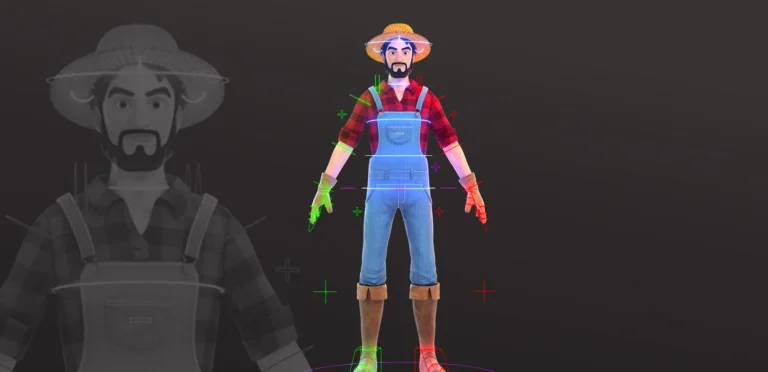
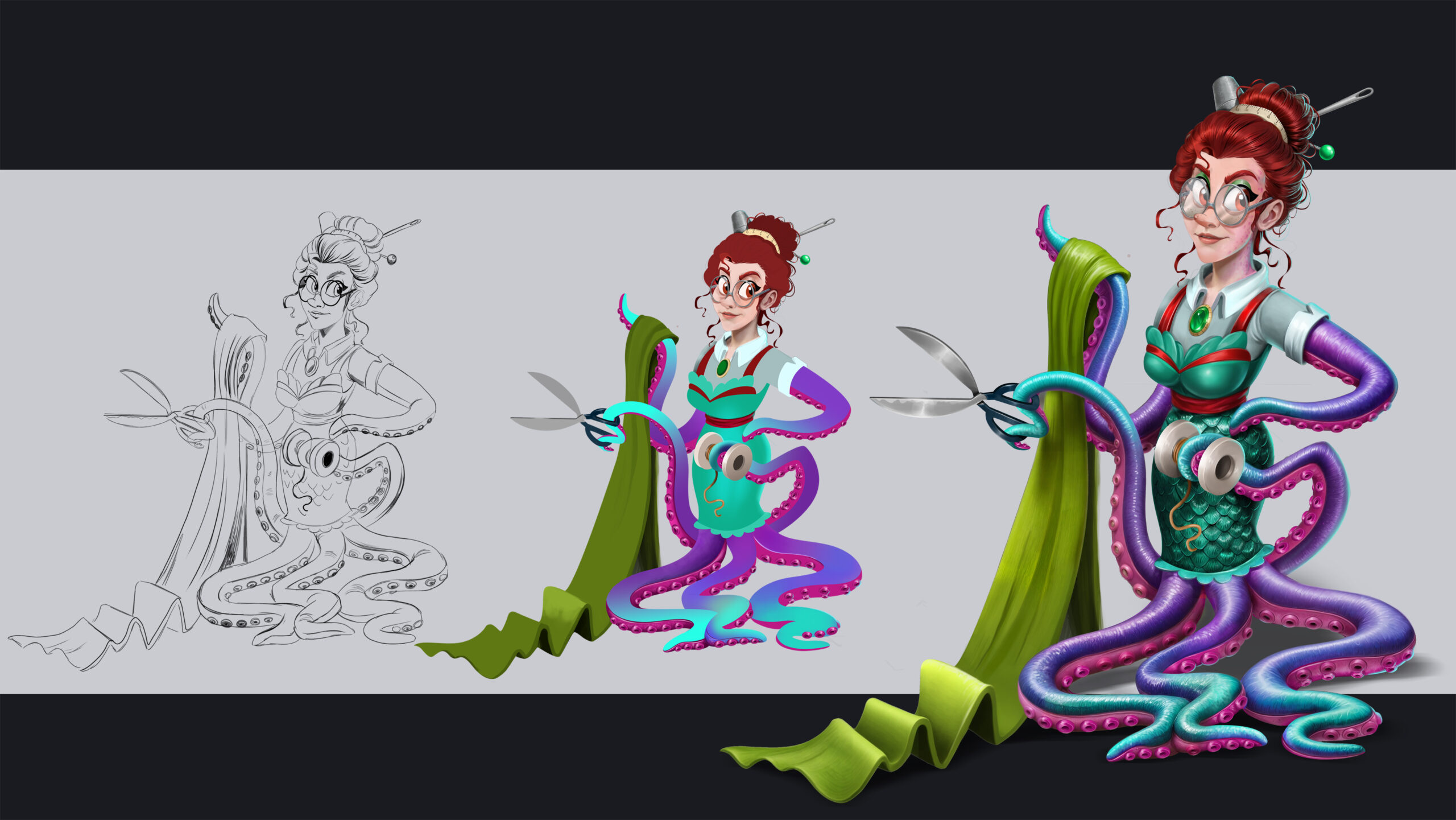
Character concept art focuses on designing the appearance, clothing, equipment, personality, and visual identity of characters.
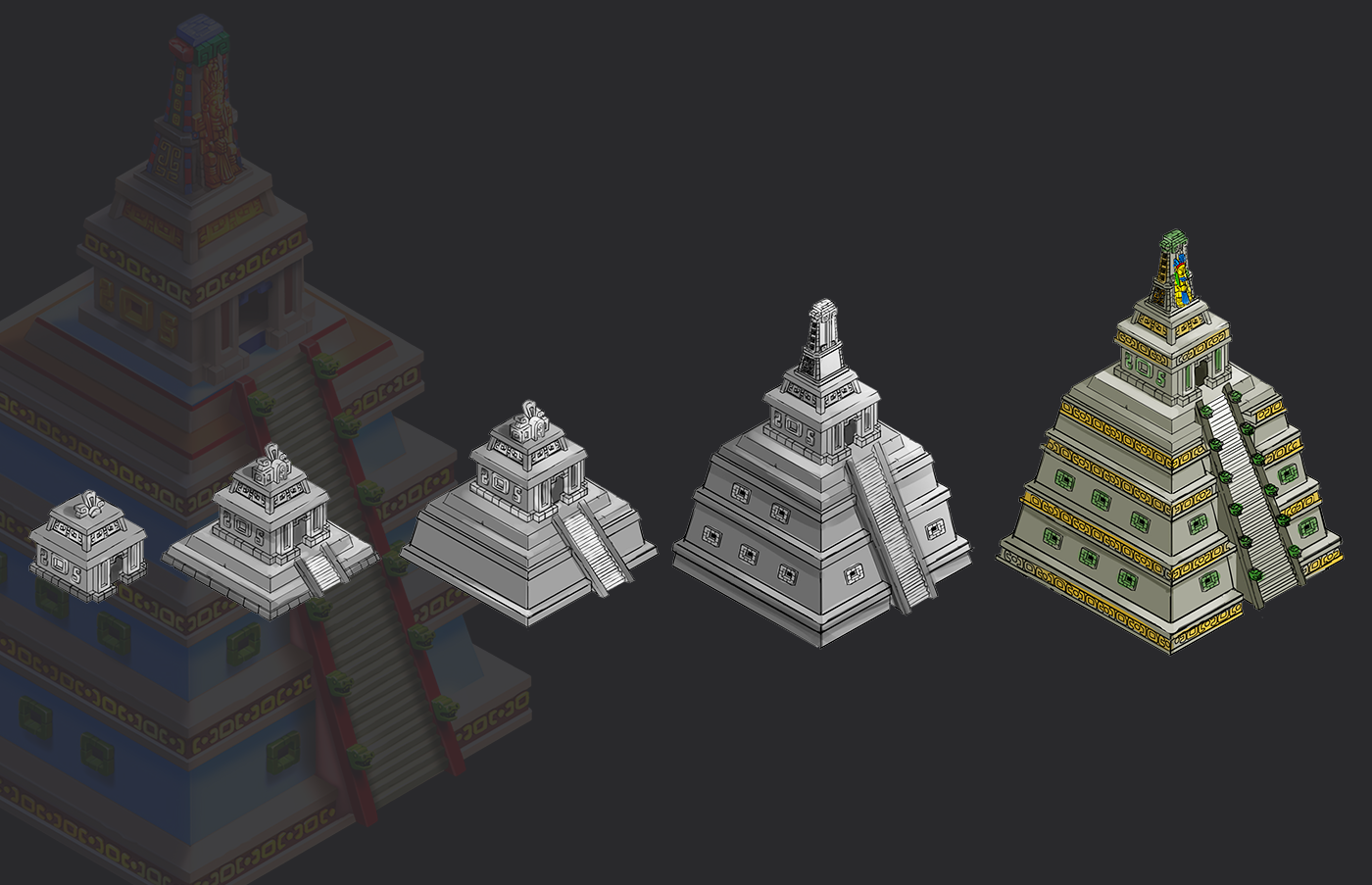
Environment Concept Art
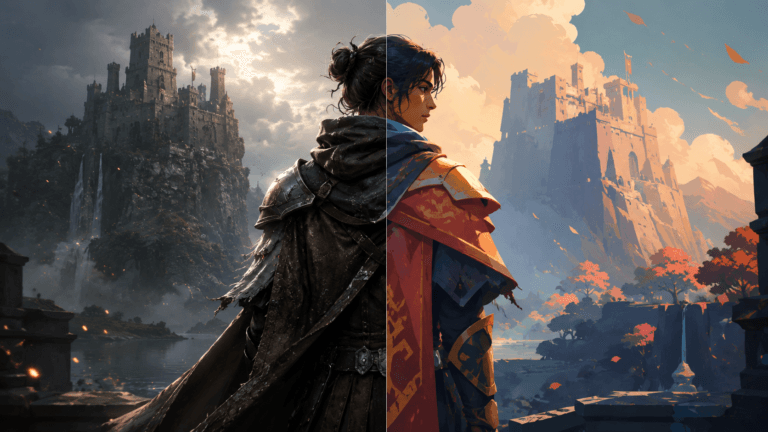
Environment concept art explores locations, architecture, landscapes, and world-building elements that define the setting of a project.
Prop Concept Art
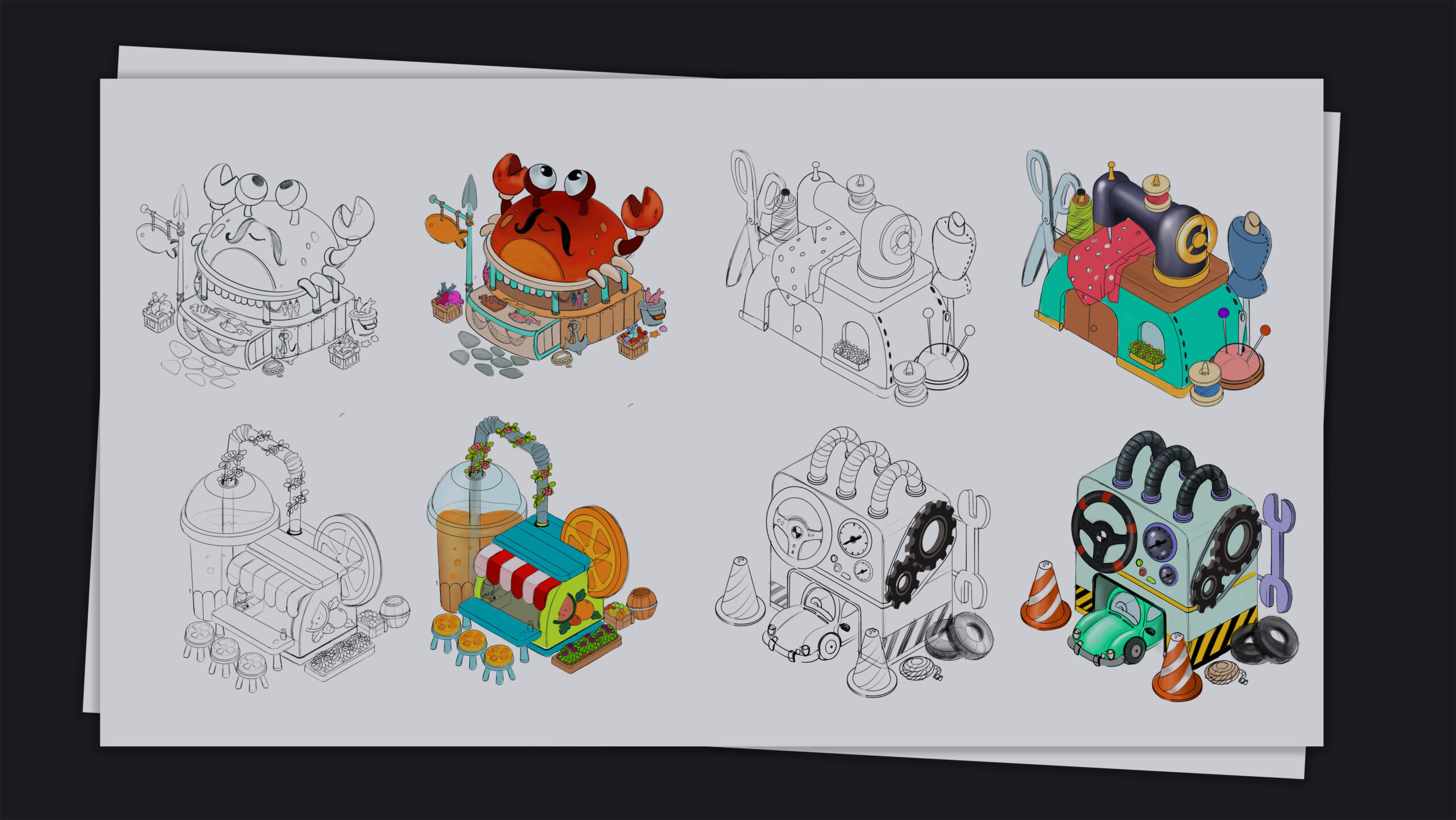
Prop concepts focus on items such as tools, furniture, weapons, equipment, and interactive objects.
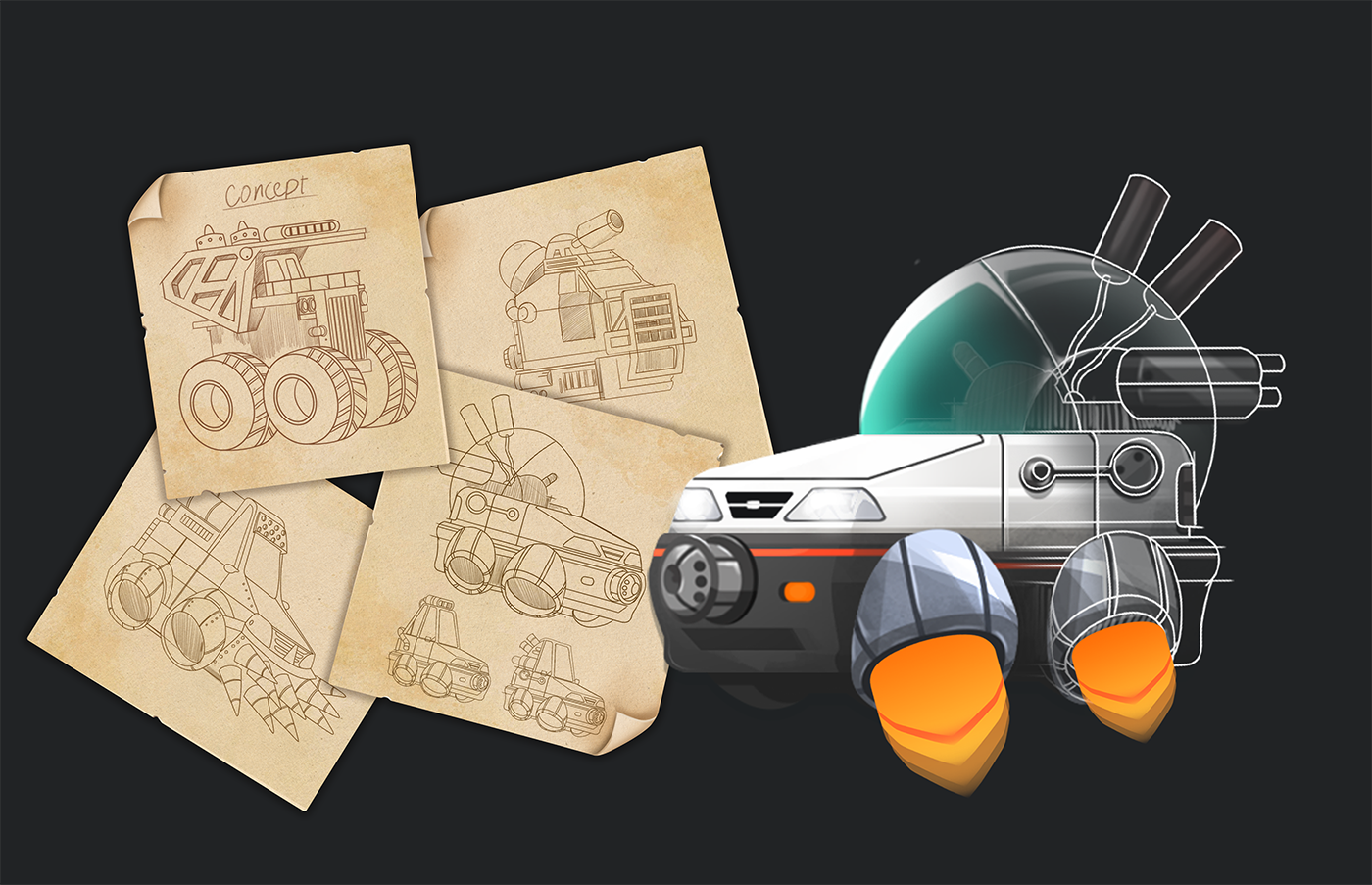
Vehicle Concept Art
Vehicle concept artists design cars, spaceships, aircraft, boats, and other transportation systems.
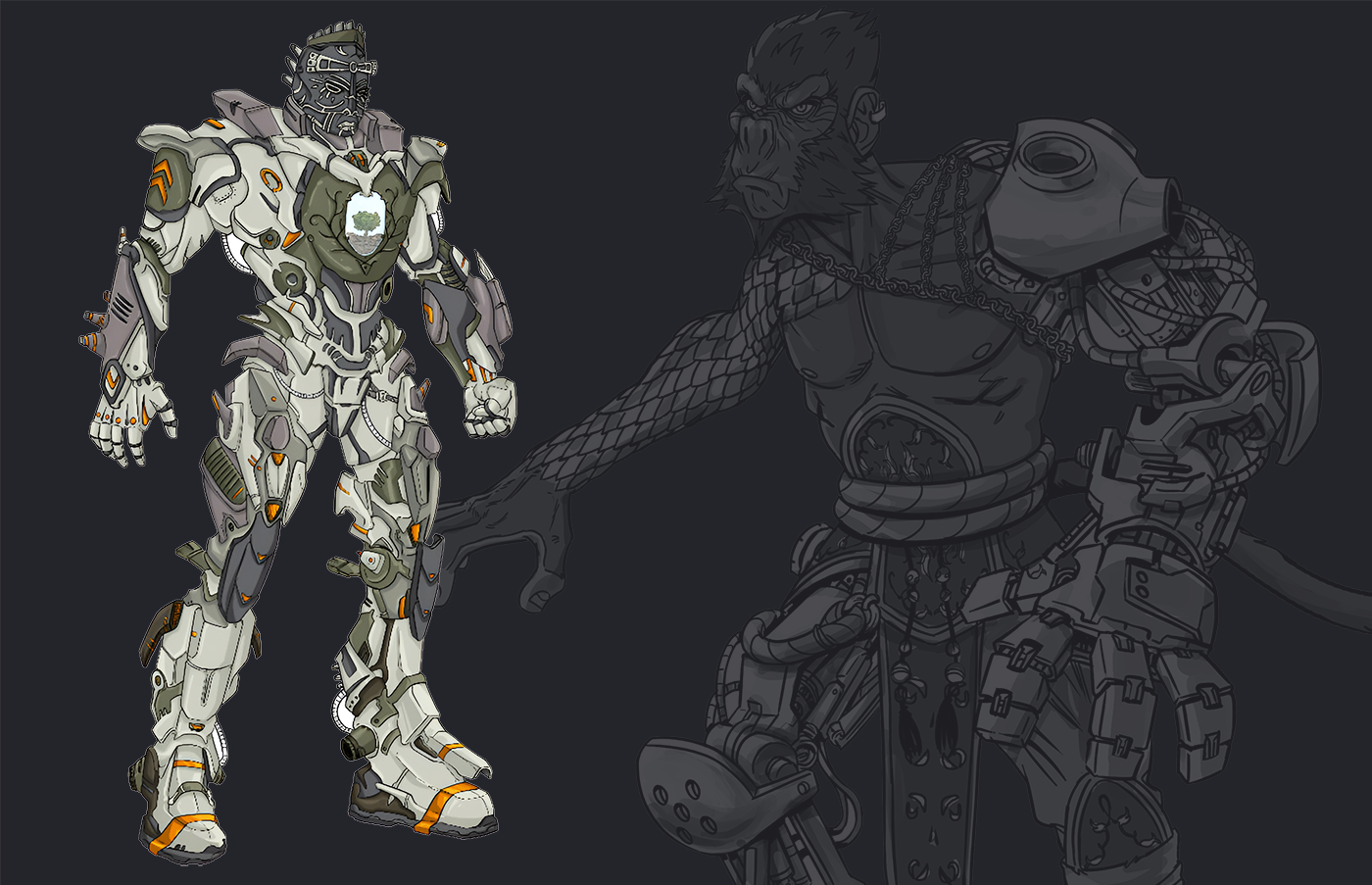
Creature Concept Art
Creature concepts explore animals, monsters, fantasy beings, and other non-human characters.
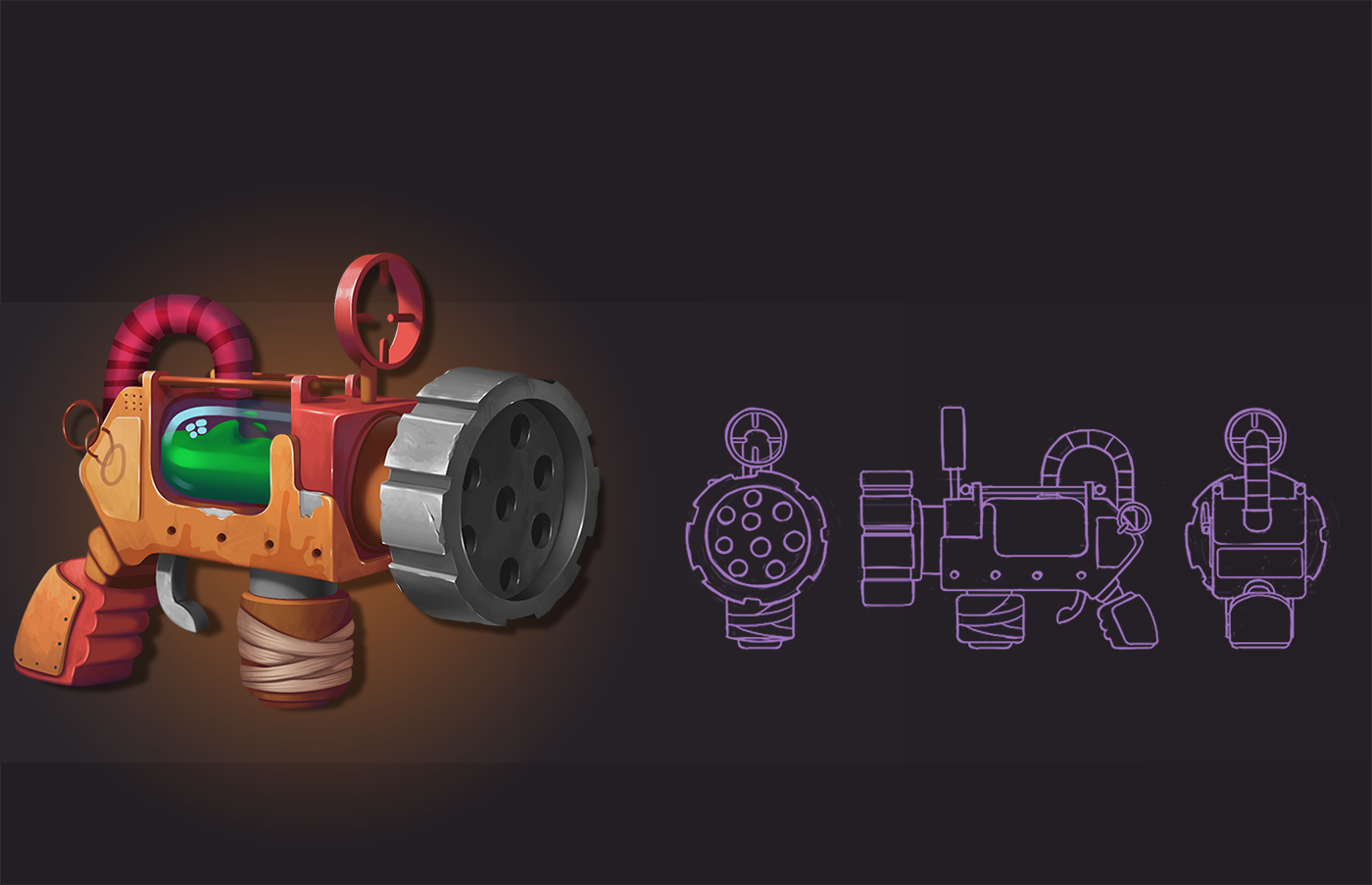
Weapon Concept Art
Weapon concept art focuses on designing realistic or fictional weapons that fit the project’s visual style and gameplay requirements.
Concept Art Workflow in Different Industries
The concept art process remains similar across industries, but each field has unique requirements.
Concept Art for Video Games
Game concept art focuses on creating production-ready designs that can be translated into 3D models, animations, and gameplay assets.
Concept Art for Animation
Animation concept art often emphasizes appealing shapes, expressions, visual storytelling, and stylized designs that support character performance in the animation pipeline.
Concept Art for Films
Film concept art explores environments, costumes, creatures, and visual effects that help establish the look of a movie before production begins.
Concept Art for Commercial Projects
Commercial concept art is commonly used for advertising campaigns, product visualization, mascot creation, and branded content.
Traditional vs Digital Concept Art
Both traditional and digital techniques can be used during concept development.
Traditional concept art uses pencils, markers, paints, and other physical tools. While it offers a tactile creative experience, making revisions can be time-consuming.
Digital concept art uses software such as Photoshop, Procreate, Blender, and other creative applications. Digital workflows allow artists to work faster, experiment more easily, and collaborate efficiently with production teams.
Today, most professional studios rely primarily on digital concept art services due to the flexibility and production advantages.
Essential Skills for Concept Artists
Successful concept artists combine artistic ability with strong design thinking.
1. Drawing Fundamentals
Strong drawing skills remain one of the most important foundations for creating convincing concepts.
2. Anatomy Knowledge
Understanding anatomy helps artists create believable characters and creatures.
3. Perspective
Perspective allows artists to design environments, vehicles, and objects with accurate depth and scale.
4. Color Theory
Color theory helps artists communicate mood, emotion, and visual hierarchy.
5. Visual Storytelling
Concept art should communicate narrative information and support the story being told.
6. Design Thinking
Great concept artists solve problems, not just create attractive images.
Read More: Top 10 Game Concept Art Books
Tools Used for Concept Art
Modern concept artists use a combination of software tools throughout their workflow.
Adobe Photoshop
Photoshop remains one of the most popular tools for concept design, painting, and rendering.
Procreate
Procreate is widely used by artists who prefer drawing and painting on tablets.
Blender
Blender allows artists to create 3D blockouts, lighting studies, and design references.
ZBrush
ZBrush is commonly used for creature design, character sculpting, and high-detail exploration.
AI-Assisted Tools
Many artists now use AI tools to accelerate brainstorming, generate references, and explore design directions more quickly.
Conclusion
Concept art is much more than drawing attractive images. It is a visual problem-solving process that transforms ideas into production-ready designs. Through research, sketching, exploration, refinement, and rendering, concept artists establish the visual foundation for games, films, animation projects, and commercial productions.
By following a structured concept art workflow, creative teams can reduce risks, improve communication, and move into production with confidence and clarity.