
Visual storytelling is one of the most powerful tools in modern game design. While dialogue, cutscenes, and text-based storytelling are important, many of the most memorable experiences in video games are communicated entirely through visuals. Players learn about the world, characters, and narrative simply by observing environments, props, lighting, and animations.
Games like The Last of Us, Journey, and Dark Souls have demonstrated that immersive storytelling can be achieved without a single line of dialogue. Through careful design, players naturally interpret history, emotion, and narrative events while exploring the game world.
This guide explores how visual storytelling works, why it matters, and how artists use characters, environments, props, lighting, and level design to craft compelling narratives in video games.


Need Game Art Services?
Visit our Game Art Service page to see how we can help bring your ideas to life!
What Is Visual Storytelling in Games?
Visual storytelling in games communicates information about the world, characters, and plot through visuals rather than words. Designers use character silhouettes, environment details, lighting techniques, and animation cues to guide players and evoke emotions. By reading the environment and observing the characters, players understand context, history, and motivations without direct exposition.
Key Elements of Visual Storytelling
- Game character design
- Environmental cues
- Props and interactive objects
- Lighting and color theory in game art
- Level design and spatial storytelling
- Animation and motion cues
Why Visual Storytelling Is Important?
Visual storytelling strengthens immersion, deepens emotional engagement, and communicates complex ideas in an intuitive way. By relying on visuals instead of text, developers allow players to actively participate in discovering the story rather than passively receiving it.
Creates Immersion
When environments and characters are carefully designed to communicate context and history, players feel as though they are part of the world itself.
Encourages Exploration
Visual cues and environmental details invite players to investigate their surroundings, rewarding curiosity with hidden narrative layers.
Strengthens Emotional Impact
Visual storytelling allows designers to convey subtle emotions, conflicts, or moods that text or dialogue alone cannot achieve.
Narrative Storytelling vs Visual Storytelling
Many people assume that storytelling in video games is limited to dialogue, cutscenes, and written lore. While these elements are important, they represent only one side of game narrative design.
Narrative storytelling communicates information directly through conversations, cinematics, quests, and text. Visual storytelling, on the other hand, allows players to discover information naturally through observation and exploration.
A game can tell players that a kingdom has fallen through dialogue. Alternatively, it can communicate the same idea through ruined castles, abandoned weapons, broken statues, and deserted villages. The second approach often feels more immersive because players uncover the story themselves.
The strongest games combine both methods, using narrative storytelling to provide context while relying on visual storytelling to deepen immersion.
The Psychology Behind Visual Storytelling
Visual storytelling works because the human brain processes images faster than text. Players naturally look for patterns, clues, and meaning in their surroundings.
When players discover information on their own rather than having it explained to them, they become more emotionally invested in the experience. This creates a sense of participation rather than observation.
Game developers often use this game psychological principle to encourage curiosity. Instead of explicitly explaining every detail, they leave visual clues that allow players to piece together the story themselves.
This approach not only increases engagement but also makes the world feel more believable and alive.
Character Design as a Storytelling Tool
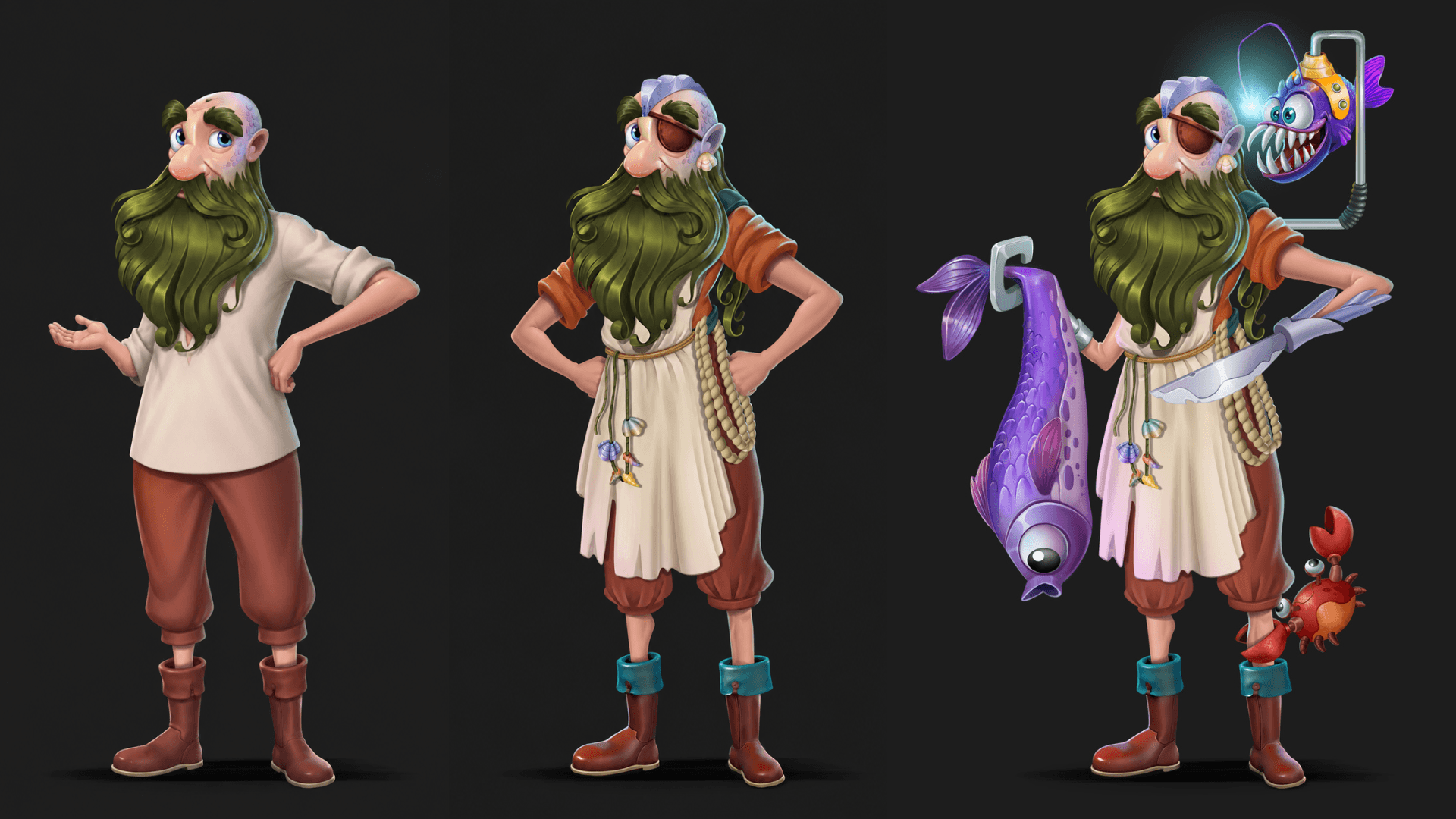
Character design is often the player’s first introduction to the story. Before a character speaks a single word, their appearance can communicate personality, social status, profession, strengths, weaknesses, and background.
Clothing and Visual Identity
A knight wearing damaged armor immediately tells a different story than one wearing polished ceremonial equipment. Clothing and shape language can reveal wealth, occupation, culture, and personal history.
In The Witcher series, Geralt’s armor and weapons immediately communicate that he is a professional monster hunter long before the player learns about his background.
Color Psychology in Character Design
Colors influence how players perceive characters based on the psychology in character creation. Warm colors often suggest energy, confidence, or aggression, while cooler colors may communicate calmness, intelligence, or mystery.
Villains and heroes frequently use different character color palettes to reinforce their roles within the story.
Scars, Equipment, and Accessories
Small details often reveal more than dialogue. Scars suggest previous conflicts. Medals indicate achievement. Damaged equipment hints at difficult experiences.
These visual details help players understand characters without requiring lengthy exposition.
Environmental Storytelling: Letting the World Speak
Environmental storytelling is one of the most powerful forms of visual storytelling because it transforms the game world into a narrator.
Rather than telling players what happened, the environment allows them to investigate and draw conclusions themselves.
Signs of Conflict and History
Destroyed buildings, abandoned camps, and damaged infrastructure can communicate historical events without a single line of dialogue.
The Fallout series uses environmental storytelling extensively. Players discover stories through ruined homes, abandoned vaults, and remnants of civilization.
Architecture and World Building
Buildings often reflect the values and culture of a society.
Massive structures may communicate power and authority. Simple wooden settlements can suggest survival and practicality. Religious architecture may reveal spiritual beliefs and traditions.
Every architectural decision contributes to the story of the world.
Environmental Details That Reveal Lore
Small details often contain the richest storytelling.
A child’s toy in an abandoned house. A broken photograph. A forgotten journal. These elements create emotional connections and encourage exploration.
Games such as Bioshock and The Last of Us use these details to build believable worlds filled with history.
Lighting and Color as Narrative Tools
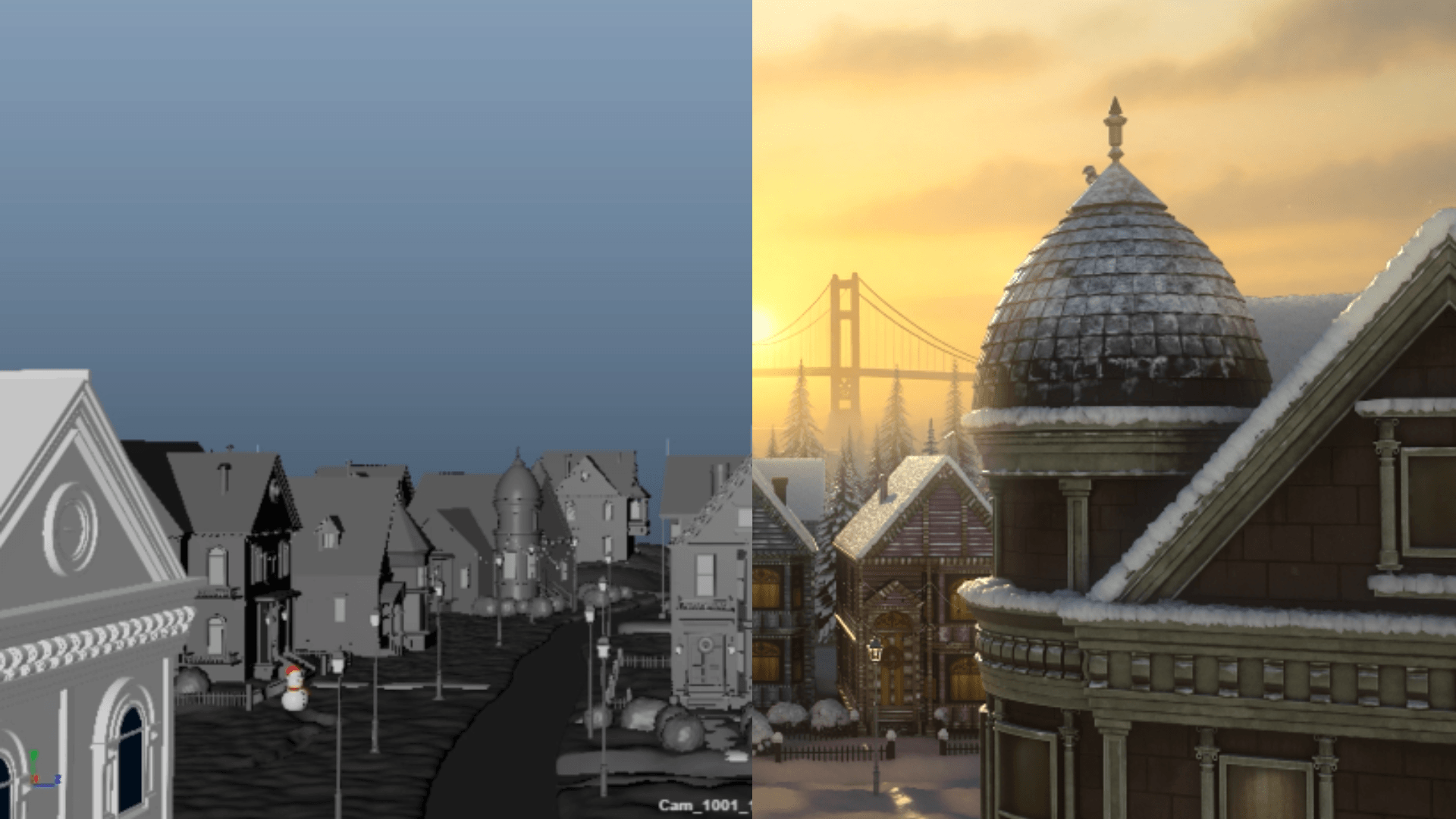
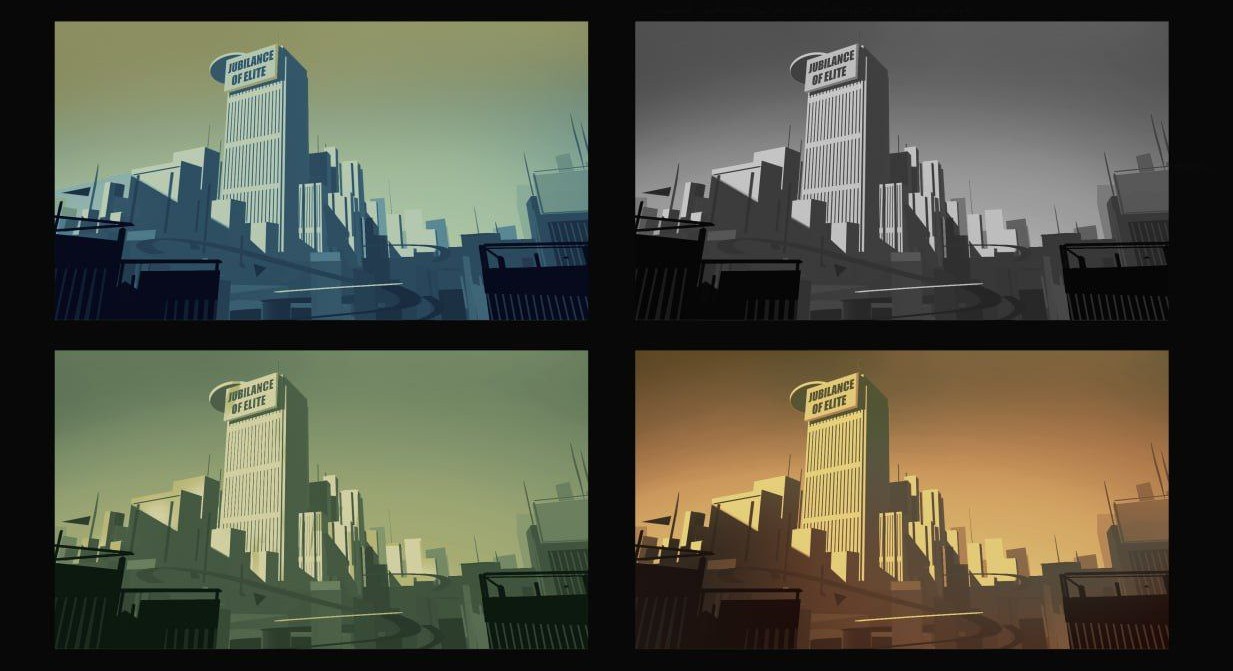
Lighting is often associated with visual quality, but it is also a storytelling device. Lighting artists can make direct attention, establish mood, and communicate emotional states.
Creating Mood
Dark environments often create tension, fear, or uncertainty. Bright and vibrant scenes typically feel welcoming and optimistic.
Games such as Inside and Limbo use minimal dialogue and rely heavily on lighting to establish atmosphere.
Directing Player Attention
Lighting naturally guides the eye. Developers often use bright areas, contrasting colors, or illuminated objects to direct players toward important narrative elements.
This allows storytelling and gameplay guidance to work together.
Animation as a Storytelling Tool
Animation is not just movement. It is communication. The way a character walks, stands, reacts, or interacts with objects can reveal personality traits and emotional states. Fighting games move fast and they need a way to communicate during a short time and this is where exaggerated animation makes fighting games feel alive.
Character Personality
Confident characters move differently than nervous ones. Experienced warriors carry themselves differently than inexperienced recruits. Animation storytelling helps communicate these differences instantly.
Emotional Storytelling
Facial expressions, gestures, and body language often communicate emotions more effectively than dialogue. This is especially important in games where players spend many hours interacting with the same characters.
Level Design and Narrative Flow
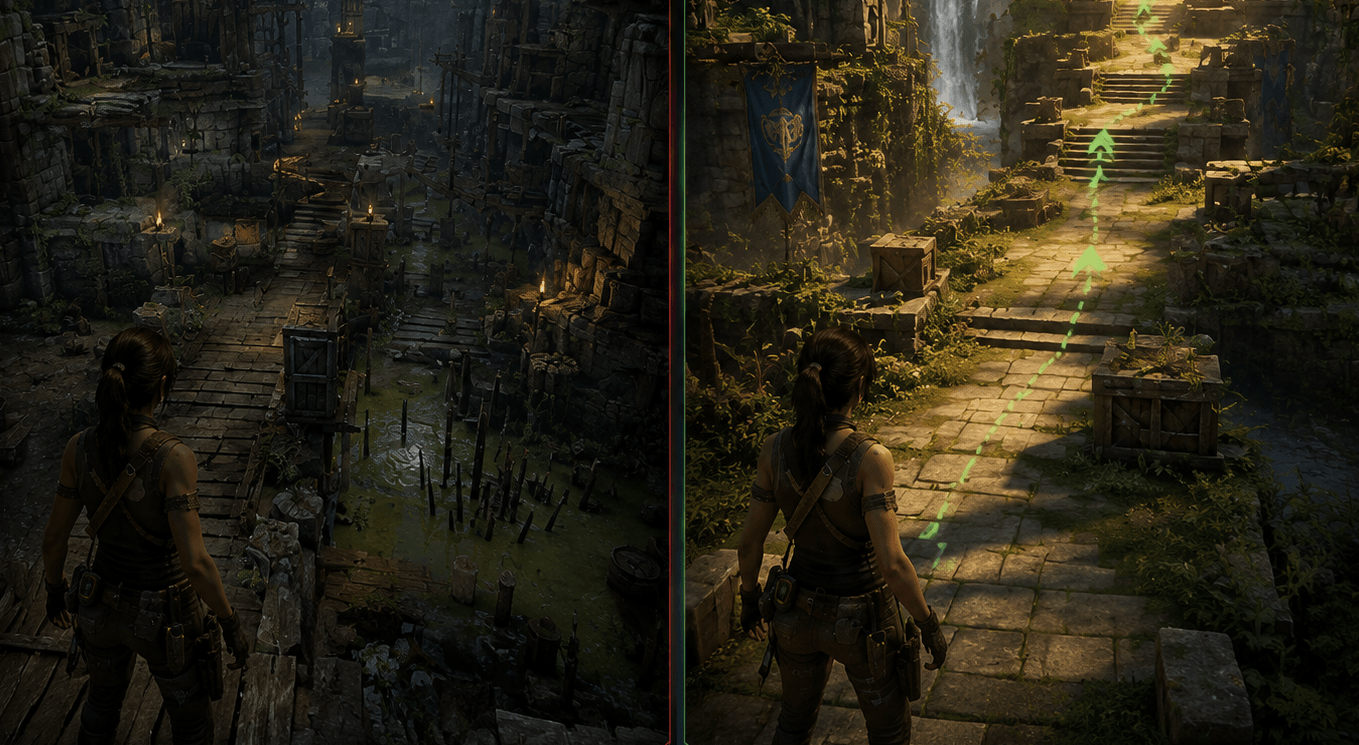
Level design is not just about gameplay mechanics; it is a crucial part of storytelling in games. The layout of a level, the placement of obstacles, environmental cues, and interactive elements all guide the player through the game narrative without a single line of dialogue. Well-designed levels convey context, history, and emotion while shaping the player’s experience.
Guiding Player Attention
Level designers use visual hierarchy, lighting, and spatial cues to draw the player’s eye to important narrative elements. For example, a glowing doorway, a prominently placed object, or a narrow path leading toward a landmark can signal where the player should focus. These visual guides ensure the story unfolds naturally as players explore the environment.
Using Space to Convey Story
The arrangement of spaces within a level communicates narrative information about the world. A wide-open battlefield may indicate past conflict, while a narrow, cluttered corridor may convey tension or urgency. In games like Dark Souls, the environment itself tells a story of ancient civilizations, fallen empires, and lingering dangers through spatial design.
Balancing Exploration and Narrative
Levels must balance guiding the player with allowing freedom to explore. Subtle environmental cues reward curiosity by revealing lore or secrets, making exploration a narrative tool. By strategically placing visual and interactive animations, designers can convey the story organically, encouraging players to piece together events and context at their own pace.
Storyboarding for Video Games
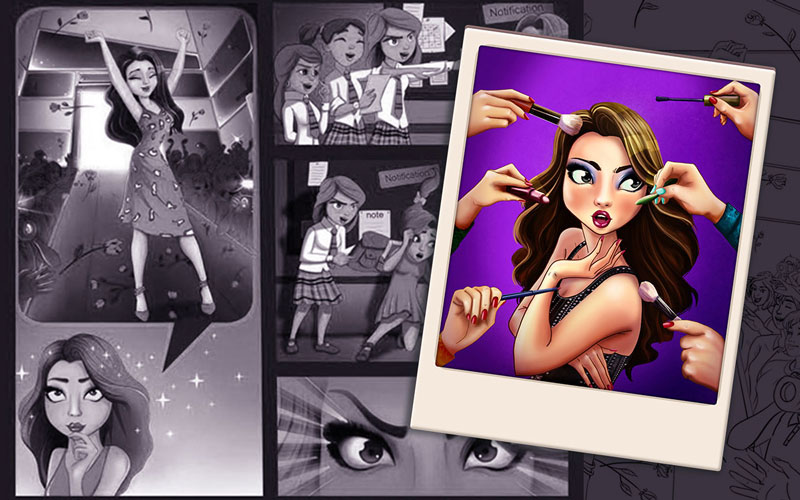
Storyboarding in games provides a blueprint for visual storytelling and gameplay pacing. Unlike film, game storyboards often need to account for player choice and interactive elements, helping teams visualize how the narrative will unfold dynamically.
Why Storyboards Matter
Storyboards allow developers to plan scenes, cinematics, and interactive sequences in game art pre-production. They provide a shared visual reference for animators, level designers, and concept artists, ensuring everyone understands how narrative and gameplay will work together. Storyboards prevent miscommunication and reduce the need for costly changes during production.
Pre-Visualizing Gameplay
By creating different types of storyboards, teams can map out camera angles, cutscenes, transitions, and character actions. This helps developers anticipate how players will experience the story and ensures that visual cues, animations, and environmental storytelling elements are integrated effectively.
Communication Between Teams
Storyboards have many benefits and it serve as a universal visual language that allows different artists with different game careers in departments to align on creative goals. Concept artists, animators, designers, and programmers can all refer to the same storyboard to understand timing, movement, and narrative intent. This collaborative process ensures that the story is consistent, engaging, and immersive across every level and scene.
Visual Storytelling in Open-World Games
Open-world games present unique storytelling challenges because players can explore locations in any order. Developers must ensure that environments communicate narrative information regardless of when players encounter them.
Games such as Red Dead Redemption 2, Elden Ring, and Skyrim use environmental storytelling extensively to encourage exploration and reward curiosity. Instead of forcing players through a linear narrative, these worlds allow stories to emerge through discovery.
How Game Artists Contribute to Storytelling
Visual storytelling is not the responsibility of a single department in a game art studio.
Character artists define personalities through charcater design process.
Background artists build believable worlds.
Concept artists establish visual art direction.
Animators communicate emotion through movement.
UI artists guide players through information and interactions.
Successful visual storytelling occurs when all of these disciplines work together toward a unified narrative vision.
Why Visual Storytelling Matters More Than Ever
Modern players expect immersive experiences. As game worlds become larger and more detailed, visual storytelling becomes increasingly important.
Players want to discover stories, not just be told stories.
The most memorable games allow players to uncover information through exploration, observation, and interpretation. This creates a stronger emotional connection than simply delivering information through dialogue or cutscenes.
Visual storytelling transforms game worlds from collections of assets into believable places with history, personality, and meaning. This is why it remains one of the most important skills in modern game art and game design.
Case Studies in Visual Storytelling in Game Art
Now, let’s explore some of the beloved visual storytelling in game art to comprehend how they have developed such stunning and memorable experiences!
The Last of Us Part II
Frequently mentioned in the preceding sections, Naughty Dog’s The Last of Us Part II is a powerful example of visual storytelling.
The game’s environments, game character development, and animations convey deep emotional narratives without relying heavily on dialogue.
The ruined cities, overgrown landscapes, and personal artifacts scattered throughout the game tell a story of loss, revenge, and redemption.
The detailed facial expressions and body language of the characters further enhance the emotional impact, making the story resonate with players on a profound level.
Journey
Journey has no dialogue! This indie game relies entirely on visual and auditory storytelling.
The shifting landscapes, character interactions, and evolving colors narrate a story of exploration and self-discovery.
Red Dead Redemption 2
Rockstar Games’ Red Dead Redemption 2 is a masterclass in visual storytelling.
The game’s environments, spanning lush forests, barren deserts, and bustling towns, are rich with detail that immerses players in the late 1800s American frontier.
Arthur Morgan’s character design, from his rugged clothing to his expressions of physical decline later in the story, also enhances the player’s emotional connection.
Hellblade: Senua's Sacrifice
Hellblade: Senua’s Sacrifice by Ninja Theory uses visual storytelling to explore themes of mental illness and psychosis.
The game art style, which combines realistic character models with a dark, surreal environment, immerses players in Senua’s distorted reality.
Visual effects, such as the flickering shadows and haunting visions, effectively convey her inner turmoil.
The game’s use of visual symbolism and environmental cues helps players understand and empathize with Senua’s struggle.
Shadow of the Colossus
This game uses its vast, desolate landscapes to evoke themes of isolation and melancholy.
The visual storytelling in Shadow of the Colossus lies in its scattered environment design, where the absence of dialogue or text allows players to interpret the story through the imaginative world itself.
The design of the colossi, each unique and majestic, also reflects the mystery and tragedy of the game’s narrative.
Conclusion
Visual storytelling transforms games from a collection of assets into fully immersive, believable worlds. By carefully designing characters, environments, props, lighting, animation, and level flow, developers communicate history, emotion, conflict, and narrative without relying solely on dialogue. Mastering visual storytelling allows players to uncover the story actively, creating experiences that are memorable, emotional, and deeply engaging.