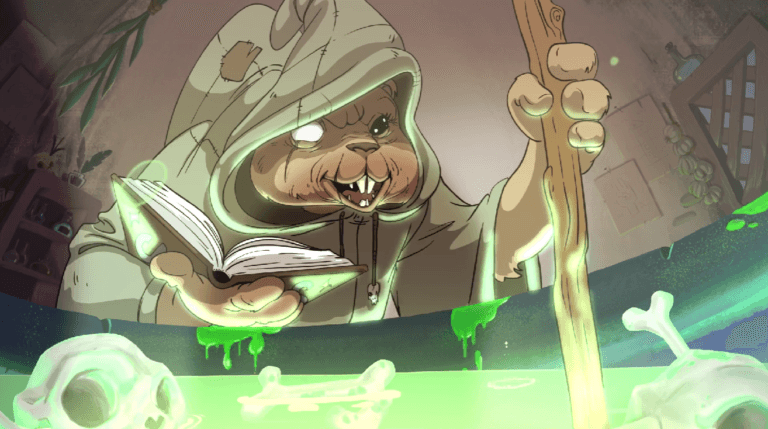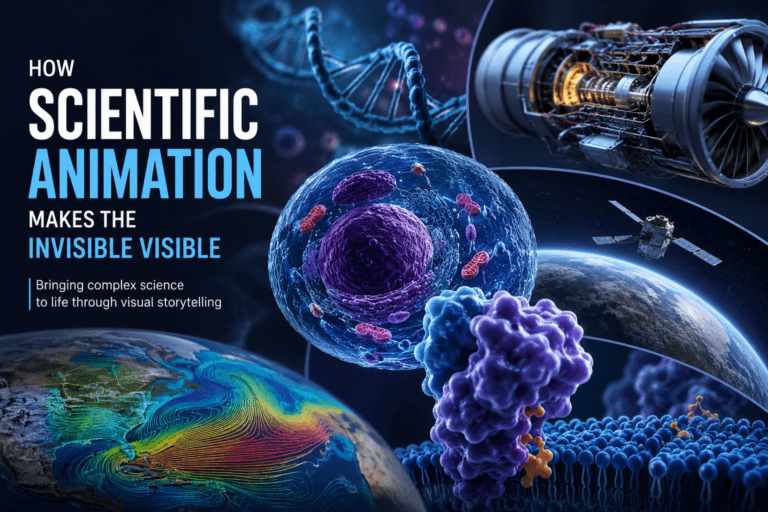

Hybrid animation combines the flexibility and expressiveness of 2D animation with the depth and realism of 3D. It is widely used in films, games, and motion graphics to create visuals that are both dynamic and stylistically unique. By leveraging the strengths of both mediums, animators can craft immersive scenes and compelling storytelling.
This guide explores hybrid animation concepts, workflows, techniques, and examples to help animators and indie developers achieve professional results.
Understanding Hybrid Animation
Hybrid animation is more than a simple combination of two mediums. It requires careful planning to ensure that 2D and 3D elements coexist seamlessly. A hybrid animation style can include 2D characters interacting with 3D environments, cel-shaded 3D models appearing hand-drawn, or 2D effects layered over fully 3D scenes.
What is Hybrid 2D/3D Animation?
Hybrid 2D/3D animation is the integration of two-dimensional and three-dimensional elements within the same composition. The goal is to take advantage of 2D’s expressiveness and 3D’s depth to create a visually cohesive and engaging scene.
Benefits of a Hybrid Style
Combining 2D and 3D enhances visual storytelling, allows for creative experimentation, and can optimize production by using 3D for repetitive or complex motion while maintaining the charm of 2D. Hybrid animation often makes projects stand out because it offers a unique aesthetic that is difficult to replicate with a single medium.
Planning a Hybrid Animation Project
Successful hybrid animation services begin with pre-production. This includes defining which elements are 2D, which are 3D, and how they will interact. Storyboarding and animatics should clearly indicate the intended movement, camera angles, and visual hierarchy. Proper planning prevents mismatched perspectives and style inconsistencies later.
Pre-Production Considerations
Before animating, determine how the hybrid elements will serve the story or gameplay. Decide which sequences need expressive 2D motion and which require 3D depth or dynamic camera angles. Establish reference frames and visual guidelines to ensure consistency.
Software and Pipeline Choices
Selecting the right 2D animation software is critical. Typically, 2D animation is created in tools like Toon Boom Harmony, Spine, or Adobe Animate. 3D assets are created in 3D animation software like Maya, Blender, or Cinema 4D. Compositing and final integration are often done in After Effects or Nuke. A clearly defined animation pipeline ensures smooth asset flow and consistent visual style.
Techniques for Combining 2D and 3D
Several methods allow seamless integration between 2D and 3D elements. Each technique has advantages depending on the project’s goals, style, budget, and production timeline. Understanding how these approaches work allows animators to choose the right balance between artistic expression and technical efficiency. In many projects, multiple techniques are combined to achieve a polished final result.
Overlaying 2D on 3D
2D elements can be layered over 3D environments to add stylized effects, UI components, or character motion. This technique allows 3D objects to provide depth and perspective while retaining the expressive flexibility of 2D animation.
One common use of this method is adding hand-drawn effects such as smoke, fire, speed lines, or magical energy over a 3D scene. These effects often feel more dynamic and visually appealing when animated in 2D. Because they are placed on top of a 3D environment, they benefit from the scene’s depth while maintaining a handcrafted appearance.
To make the integration convincing, animators should pay close attention to perspective, lighting, and motion. Even though the effects are drawn in 2D, they should follow the movement and scale of the 3D camera. Proper compositing and color correction can further help blend the layers together.
Cel-Shaded 3D
Cel-shading makes 3D models appear hand-drawn. This is useful for matching 2D characters with 3D backgrounds, creating a unified visual aesthetic. The approach allows 3D assets to retain depth and dynamic lighting while visually blending with 2D elements.
This technique is particularly popular in video games and animated films that aim for a comic-book or anime-inspired look. By simplifying shadows and highlights into distinct color bands, cel-shading reduces the realistic appearance of 3D models and makes them resemble traditional illustrations.
Artists often customize outlines, shadow thresholds, and texture details to achieve a specific visual style. When combined with hand-drawn effects or 2D character animation, cel-shaded assets can become nearly indistinguishable from traditionally animated artwork while still benefiting from the flexibility of 3D production workflows.
2D Animation Guided by 3D References
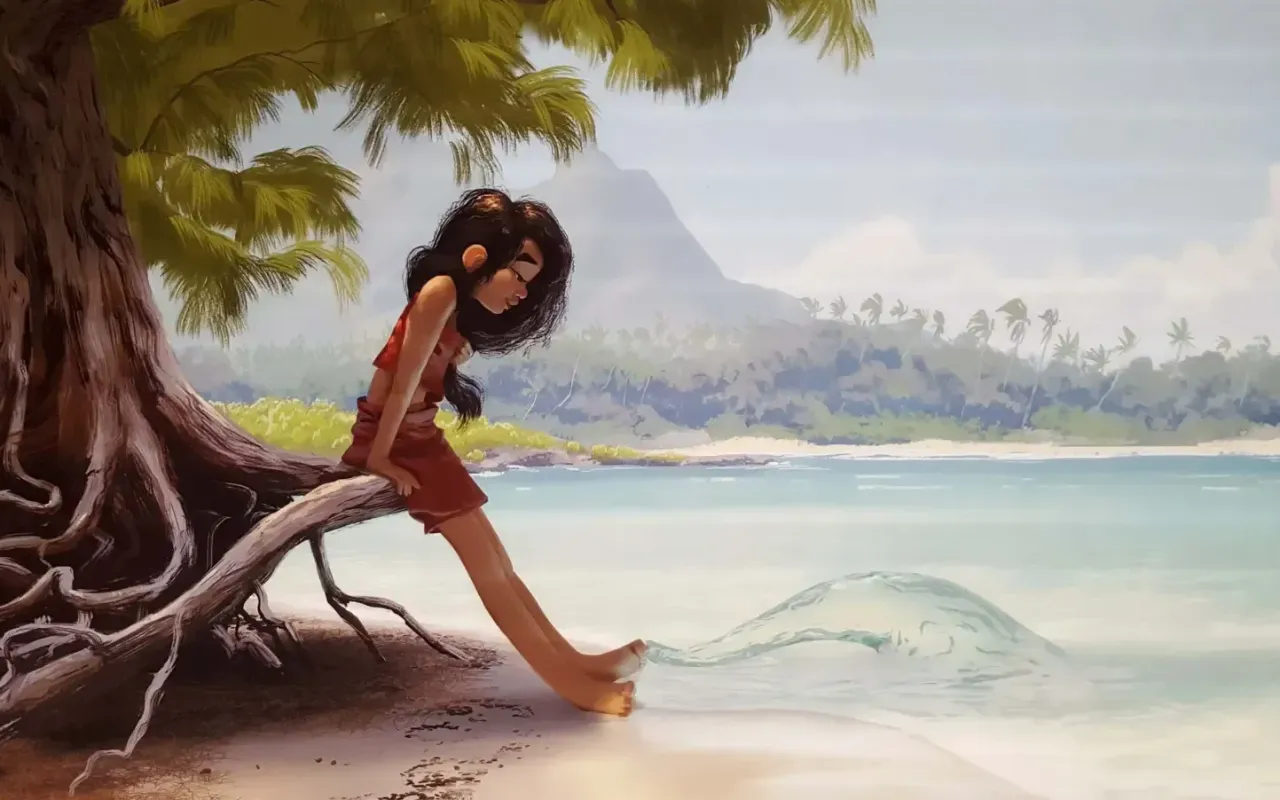
3D models can act as a guide for proportions, perspective, and motion in 2D animation styles. Animators can use the 3D elements to test poses, camera angles, and action timing before refining 2D details. This ensures coherence between 2D and 3D layers.
Using 3D references is especially valuable for scenes with complex camera movements or challenging perspectives. Instead of manually calculating every angle, 3D animators can build a simple 3D scene, animate the camera, and use the resulting footage as a reference for drawing. This approach saves time and improves consistency throughout the sequence.
Many professional productions use rough 3D layouts during pre-production to establish staging and composition. Once the movement is approved, artists create polished 2D animation on top of the reference. This workflow combines the precision of 3D planning with the artistic freedom of 2D drawing.
Integrating 2D Characters into 3D Environments
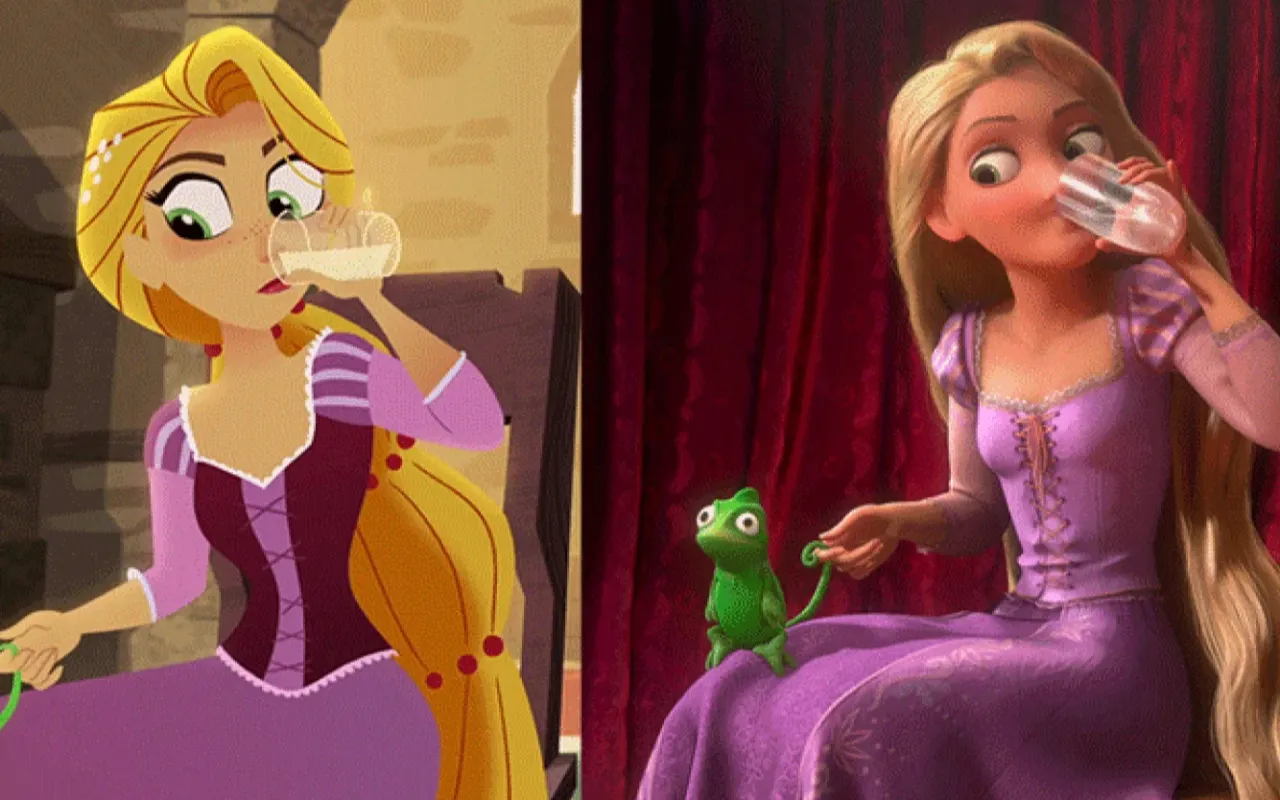
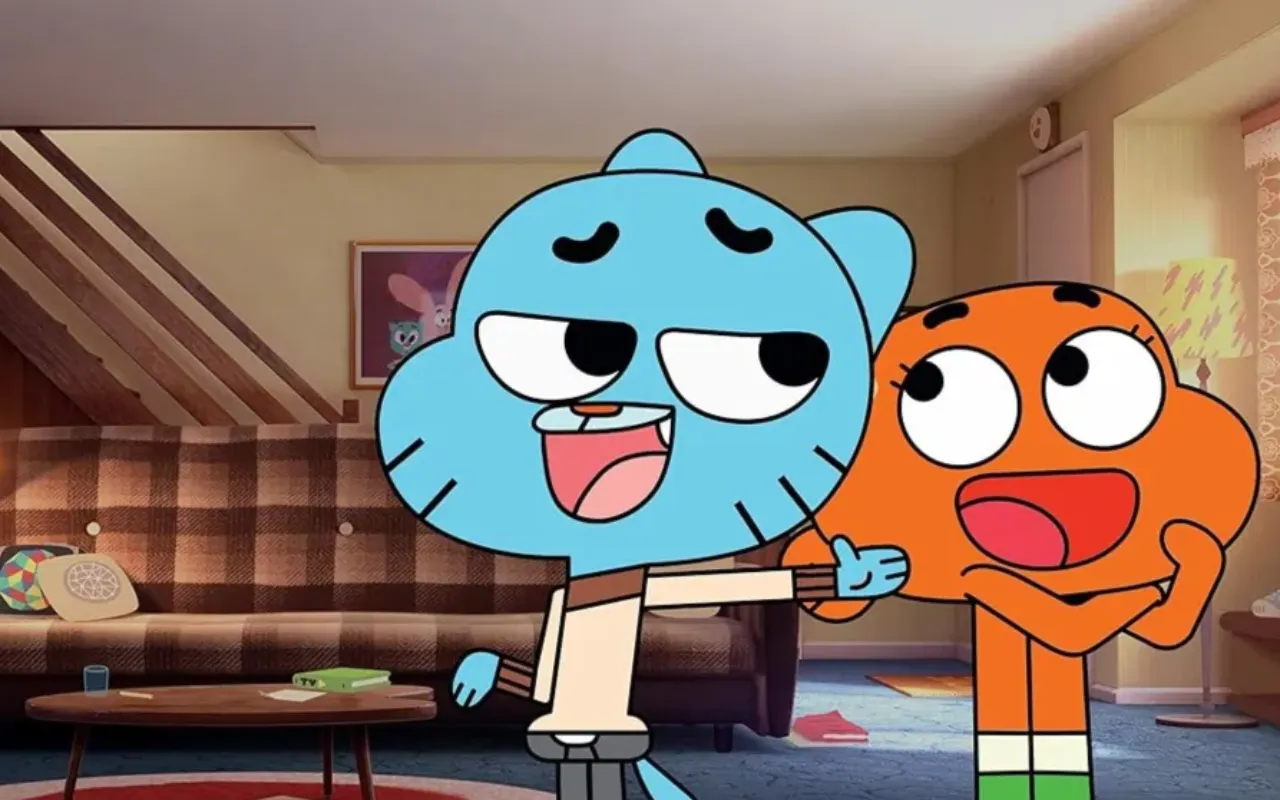
A popular hybrid approach involves placing fully animated 2D characters inside detailed 3D worlds. This technique allows characters to retain expressive hand-drawn motion while benefiting from immersive environments and dynamic camera work.
To achieve a convincing result, the character’s scale, lighting, and movement must match the surrounding environment. Shadows, reflections, and environmental effects can be added during compositing to help the character feel naturally integrated into the scene. Careful attention to perspective ensures that the character remains believable as the camera moves through the 3D space.
Using 2D Effects to Enhance 3D Animation
Even projects that rely heavily on 3D animation often incorporate 2D effects to increase visual impact. Hand-drawn explosions, motion streaks, impact frames, and atmospheric effects can add energy and personality that may be difficult to achieve with purely 3D techniques.
These effects are particularly effective during action sequences because they emphasize movement and direct the viewer’s attention. By combining detailed 3D animation types with expressive 2D embellishments, creators can produce scenes that feel both technically impressive and artistically distinctive.
Best Practices for Hybrid Animators
Maintaining style consistency, workflow efficiency, and compositional balance is crucial in hybrid projects. Teams should establish guidelines for color, lighting, and frame timing early. Proper planning reduces conflicts and simplifies integration.
Maintaining Consistent Style
Color palettes, shading, and lighting must match across 2D and 3D layers. Even subtle differences can disrupt immersion. Style guides or reference frames help unify the visuals.
Managing Workflow and Team Coordination
Hybrid animation often involves multiple artists with specialized skills. Clear roles, file naming conventions, and version control streamline collaboration. Regular reviews ensure 2D and 3D assets remain visually compatible.
Optimizing Rendering and Compositing
Rendering hybrid sequences can be demanding. Using separate passes for 2D and 3D elements, then combining them in compositing software, preserves quality while keeping the workflow manageable. Careful layer management ensures all elements are cohesive in the final output.
Common Challenges and Solutions
Hybrid animation has unique challenges, but awareness and planning reduce risk. Common issues include style mismatch, timing inconsistencies, and software compatibility.
Visual Style Conflicts
Differences in shading or textures between 2D and 3D can clash. Test elements early and adjust color and lighting to unify the scene.
Timing and Frame Rate Issues
Mismatched frame rates or easing curves can make motion appear unnatural. Synchronize keyframes and review motion in real-time previews.
Software Integration
Multiple programs may be required. Standard file formats, careful export settings, and render passes help integrate 2D and 3D smoothly.
Hybrid Animation Examples
Hybrid techniques are widely used in games, films, and commercials.
Game Examples
Guilty Gear Strive and Octopath Traveler combine 2D characters with 3D backgrounds, giving a dynamic visual style that blends depth with stylized motion.
Film Examples
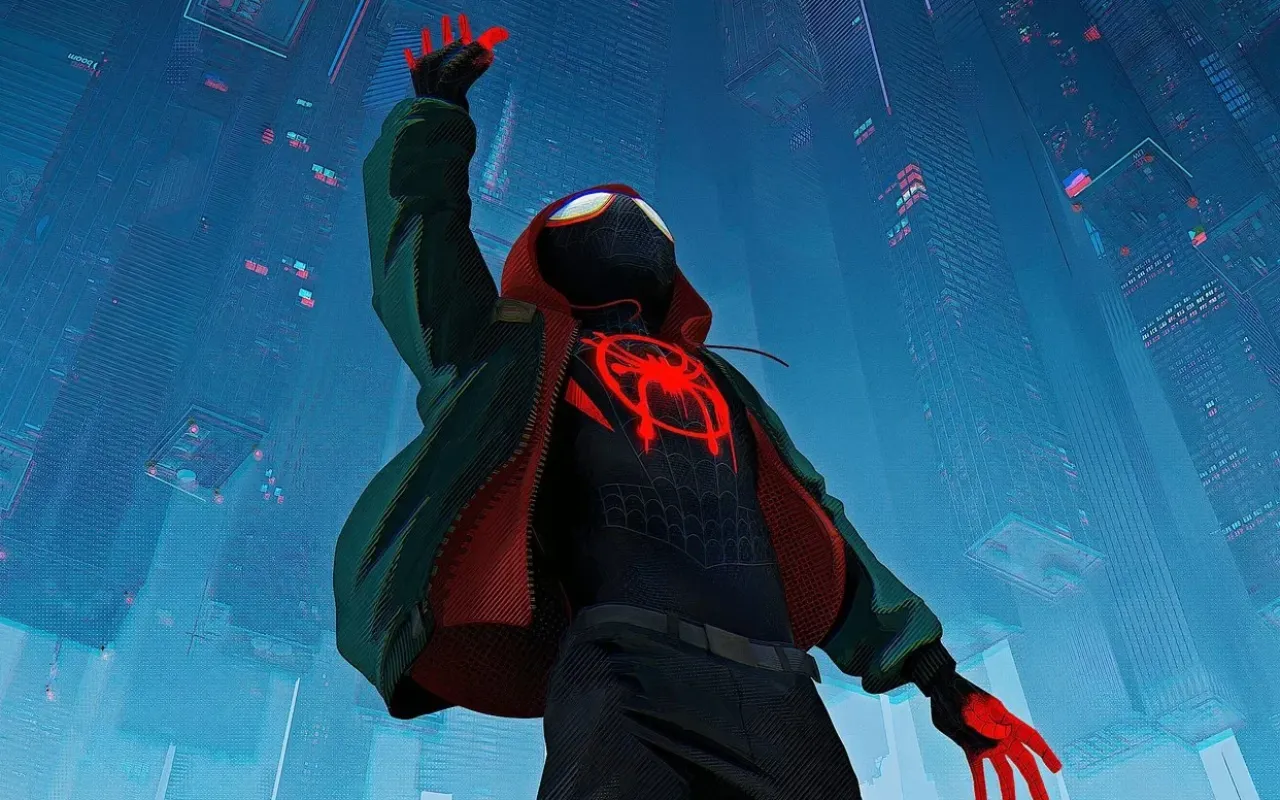
Spider-Man: Into the Spider-Verse uses 2D effects layered over 3D models to create a comic-inspired cinematic experience.
Commercials and Music Videos
Stylized 2D effects over 3D product renders or environments add visual flair, making hybrid animation popular in advertising.
Conclusion
Hybrid animation is a powerful tool for animators and developers. It combines the charm of 2D with the dimensional depth of 3D, creating visuals that are expressive, immersive, and visually distinct.
By planning carefully, maintaining consistent style, and integrating 2D and 3D thoughtfully, animators can create professional-quality hybrid animation for games, films, and commercials. Studying successful examples and practicing workflow integration ensures a polished, dynamic final result.


![1405,02,10 SnpLE[Cover HD] 1](https://pixune.com/wp-content/uploads/2026/08/14050210-SnpLECover-HD-1-768x431.jpg)