
CGI pricing is not as simple as asking, “How much does a CGI artist cost?”
The reason is simple: CGI is not one service. It is a broad production category that can include still product renders, 3D animation, visual effects, digital environments, simulations, character work, architectural visualization, game trailers, and more. CGI artist pricing in 2026 depends on the type of work, the level of realism, and whether the project involves rendering, animation, or VFX.
A CGI artist may spend one day creating a clean product render for an eCommerce page, or several weeks building a photorealistic animated sequence for a commercial. A VFX team may spend days on a single five-second shot if it involves camera tracking, cleanup, simulation, and compositing.
That is why CGI artist pricing in 2026 varies so widely. The real cost depends less on the word “CGI” and more on what the final output needs to do.
Before looking at prices, it is important to separate three related but different terms: CGI, 3D animation, and VFX.
CGI, Animation, and VFX Are Not the Same Thing
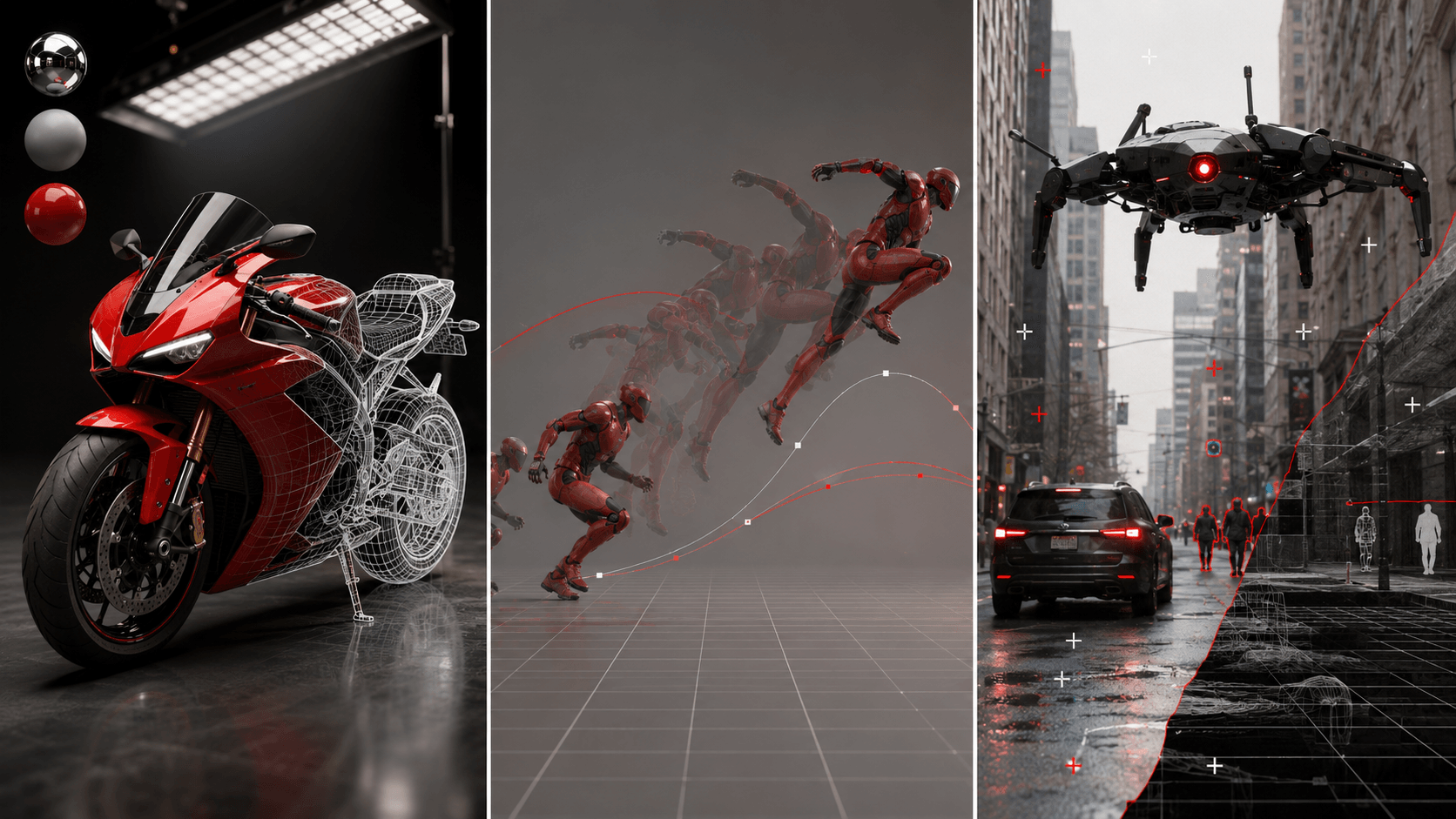
CGI stands for computer-generated imagery. It refers to visuals created digitally using 3D software. CGI videos can be still or animated. It can be used for product visuals, ads, games, films, architecture, explainer videos, and interactive experiences.
Animation is about movement. In 3D animation, digital assets move over time. This can include a product rotating, a character walking, a camera moving through a scene, or a machine showing its internal parts. If you want a deeper breakdown of animation pricing specifically, Pixune’s guide on how much 3D animation costs explains the production factors in more detail.
VFX, or visual effects, is usually about changing or enhancing live-action footage. VFX may use CGI, but it also includes tracking, rotoscoping, cleanup, keying, compositing, matte painting, simulations, and matching digital elements with real footage.
Think of it this way:
- CGI rendering creates a digital image.
- 3D animation makes digital elements move.
- VFX integrates, removes, changes, or enhances elements inside real footage.
Read More: CGI vs. 3D Animation
This distinction matters because each one is priced differently. A still product render might be priced per image. A 3D animation is often priced per second, per minute, or full project. A VFX is priced per shot, because one shot can be simple while another shot can require multiple artists and technical departments.
The Main CGI Pricing Ranges in 2026
The easiest way to understand CGI artist pricing is to separate still CGI renders, 3D animation, and VFX work. Here is a practical overview of common CGI pricing ranges in 2026:
| Service type | Common pricing range |
| Basic static CGI image | $150–$500 per image |
| Photorealistic hero render | $300–$1,000 per image |
| 360° product view | $500–$2,000 per product |
| AR-ready 3D model | $500–$5,000 |
| Interactive product configurator | $5,000–$30,000+ |
| Basic 3D animation | $2,000–$4,000 per minute |
| Mid-tier product animation | $5,000–$10,000 per minute |
| High-end cinematic 3D animation | $15,000–$30,000+ per minute |
| Freelance CGI artist | $25–$75 per hour |
| Small or mid-sized CGI/animation studio | $80–$150 per hour |
| High-end professional studio | $150–$200+ per hour |
These are not fixed prices. They are industry benchmarks. The final quote changes based on realism, cartoon style, deadline, revisions, 3D production pipeline, and whether the work is handled by a solo freelancer or a full studio team.
Why Static CGI Is Usually Cheaper
Static CGI is usually the most affordable type of CGI because the final output is a still image.
A basic product render may only need services like modeling, texturing, lighting, camera setup, and one final image. If the product is simple and the background is clean, the price can stay relatively low.
For example, a plain bottle, box, chair, cosmetic product, or electronic device on a white background may fall into the lower range. But the price rises when the image needs premium lighting, close-up realism, detailed materials, reflections, lifestyle styling, or custom environments.
This is why a simple eCommerce render and a luxury advertising hero image should not be priced the same. Both are CGI, but one is functional and the other is art-directed.
A product render for a marketplace listing might only need clarity and accuracy. A hero render for a campaign needs mood, depth, storytelling, material precision, and brand polish.
The same logic applies to 3D assets. A simple model is usually faster to produce than a complex character, creature, or hard-surface asset with detailed topology and textures. For a more focused look at asset creation budgets, you can read Pixune’s guide on 3D model cost.
Why 3D Animation Costs More Than CGI Rendering
3D animation adds time, movement, and continuity.
A still image only needs to look good from one angle at one moment. Animation needs every frame to work. A 30-second animation at 24 frames per second contains 720 frames. That means lighting, materials, animation, motion, camera movement, and rendering must hold up across the entire sequence.
This is why animation pricing is usually calculated differently from static CGI.
A short product animation may involve:
- Concept art and script
- Storyboard or animatic
- Product modeling
- Texturing and shading
- Rigging or object setup
- Camera animation
- Product movement
- Lighting
- Rendering
- Editing
- Compositing
- Music or sound effects
- Final delivery in multiple formats
The cost can stay moderate if the animation is simple: for example, a product rotating on a clean background with minimal movement. But it can increase quickly when the project includes complex camera moves, macro shots, liquid simulation, particles, transparent materials, internal mechanisms, or cinematic environments.
A basic explainer-style 3D animation may be closer to $2,000–$4,000 per minute. A more polished product demo often moves into the $5,000–$10,000 per minute range. High-end cinematic animation can reach $15,000–$30,000+ per minute when realism, storytelling, lighting, and post-production are more demanding.
For comparison, 2D animation follows a different cost structure because it depends more on illustration style, frame complexity, character count, and animation technique. Pixune’s article on how much 2D animation costs is useful if you want to compare 2D and 3D production budgets side by side.
Character Work Adds Another Layer of Cost
Character-based CGI is often more expensive than simple object-based CGI because it usually needs more artistic and technical stages.
A product render may only need accurate modeling and good materials. A character may require concept design, anatomy, costume design, facial expressions, topology, texturing, rigging, expressions, and animation controls.
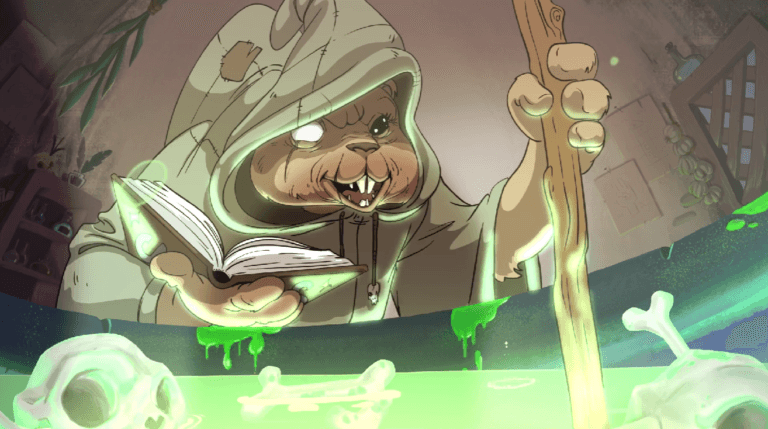
That means character projects are usually priced differently from simple product visuals. A mascot design for a commercial, a game character, or a stylized 3D hero character may need both design and production work before animation even begins.
This is also why character design should be separated from 3D character modeling. Character design defines the look, personality, silhouette, costume, and visual direction. 3D modeling turns that design into a usable production asset. Pixune’s guide on character design costs covers that earlier creative stage in more detail.
CGI in Game Trailers and Commercial Animation
CGI pricing also changes depending on the final use case.
A short CGI loop for social media is not the same as a full game trailer. A video game trailer production may require cinematic visual storytelling, gameplay-style camera work, character animation, environment design, effects, editing, sound design, and trailer pacing.
If the trailer is pre-rendered, the budget may lean more toward cinematic CGI and animation. If it uses in-game footage, the cost may involve capture, editing, motion graphics, UI treatment, and post-production. For a more specific breakdown, Pixune’s article on how much a video game trailer costs explains the pricing factors behind trailer production.
Commercial animation is another major category. A CGI commercial may need product visualization, brand storytelling, motion graphics, character animation, or VFX-style shots. The budget is often affected by usage, campaign scale, deadlines, and how polished the final video needs to look. You can compare those factors in Pixune’s guide on commercial animation cost.
Explainer videos also sit somewhere between motion design, animation, and marketing production. Some are mostly 2D motion graphics, while others use 3D products, UI animation, character scenes, or hybrid animation styles. Pixune’s guide on animated explainer video cost is a good reference for that specific format.
Where VFX Becomes Different
VFX should not be treated as just another form of animation.
In animation, the whole scene is usually built digitally. The team controls the camera, lighting, assets, timing, and environment from the beginning.
In the VFX, the VFX artist often starts with live-action footage. That means the digital work must match something that already exists. The CGI has to sit inside the real shot naturally.
VFX Pipeline can include matching:
- Camera movement
- Lens distortion
- Perspective
- Lighting direction
- Shadows
- Motion blur
- Grain
- Exposure
- Color
- Reflections
- Real-world scale
This is why VFX can become more technical than standard 3D animation. A VFX shot may look short on the timeline, but it can hide a lot of work behind the scenes.
For example, replacing a phone screen in a locked-off shot may be relatively simple. But adding a realistic creature into a handheld live-action shot is a very different project. The second one may require tracking, matchmove, roto, animation, lighting, rendering, and compositing.
Both may be five seconds long, but they should not cost the same.
Common VFX Tasks and How They Affect Pricing
VFX pricing is usually connected to shot complexity rather than video length alone.
Simple VFX tasks may include screen replacement, basic cleanup, object removal, or green screen keying.
Medium-complexity work may include set extensions, background replacement, digital matte painting, beauty work, or compositing CGI props into footage.
High-complexity VFX may include creature shots, explosions, destruction, smoke, water, fire, digital doubles, crowd duplication, or full CG environments integrated with live action.
The more realistic the shot needs to be, the higher the technical standard. A stylized animated video can get away with simplified lighting. A VFX shot in live action cannot. If the shadow is wrong, the grain does not match, or the camera track slips, the viewer notices immediately.
That is why VFX is often priced per shot, per artist day, or per project milestone.
For broader industry context, the U.S. Bureau of Labor Statistics groups many CGI, animation, and VFX professionals under Special Effects Artists and Animators, which is useful for understanding salary benchmarks and job outlook. For 3D software and workflow context, official resources from Autodesk Maya or Blender, and industry publications like 80 Level are also useful references.
Freelancers vs Studios: Why the Price Gap Exists
A freelance CGI artist is usually more affordable because they have lower overhead. For small tasks, this can be the best option.
A freelancer may be a good fit for:
- Simple 3D models
- Product renders
- Short animation loops
- Basic cleanup
- Limited compositing tasks
- Small social media content
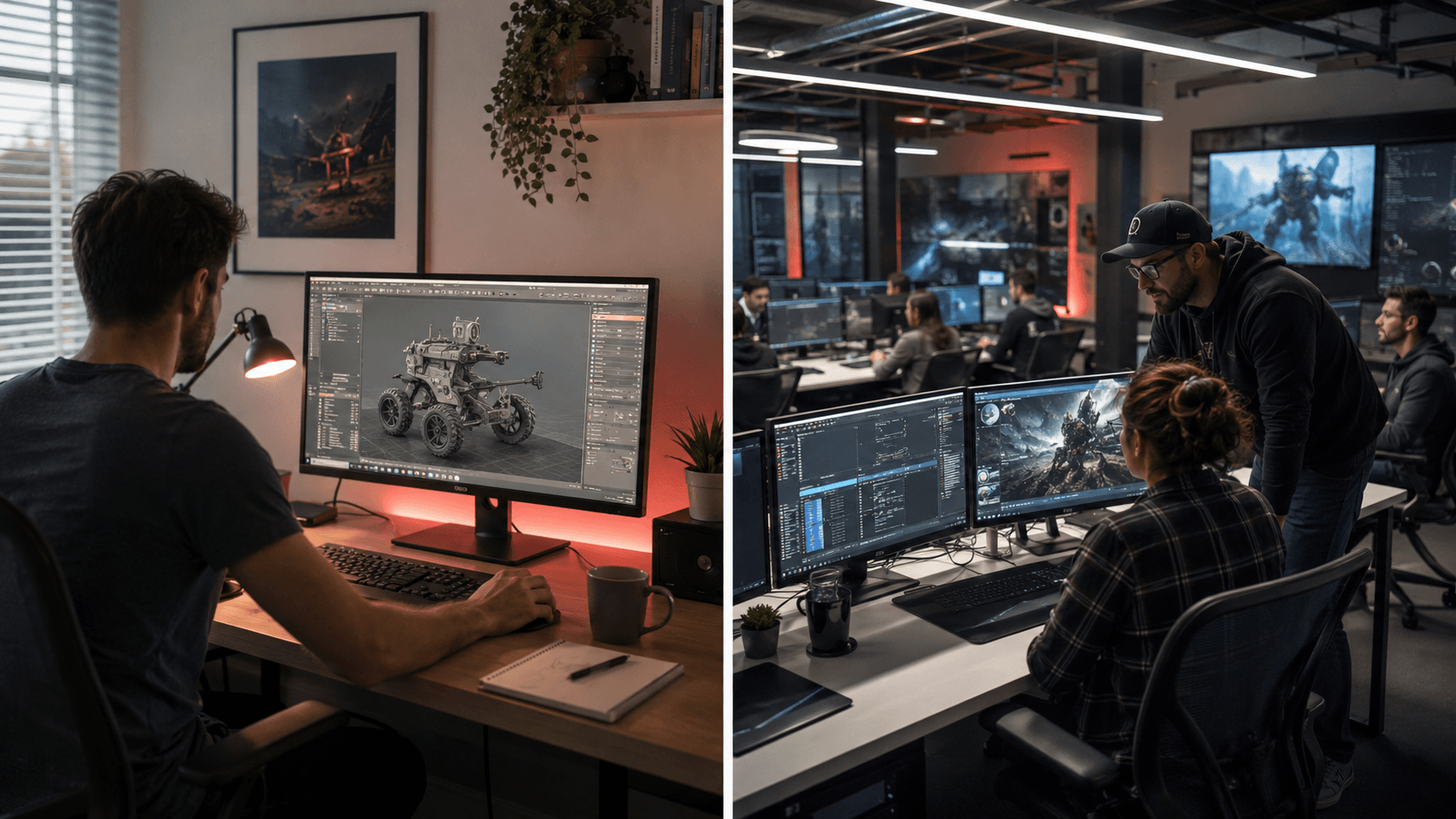
A 3D animation studio becomes more useful when the project requires several specialists. A polished animation or VFX project may need an art director, modeler, texture artist, 3D animator, lighting artist, technical artist, shader artist, compositor, rendering artist, editor, sound designer, and producer.
That team structure costs more, but it also reduces risk. Studios usually provide stronger quality control, project management, backup resources, and a more reliable pipeline.
So the difference is not only “freelancer is cheap, studio is expensive.” The difference is production scale.
For a single image, a freelancer may be enough. For a campaign with 20 deliverables, multiple revisions, tight deadlines, and brand-level quality control, a studio is usually safer.
What Actually Increases CGI Pricing?
Instead of thinking only in hourly rates, it is better to look at the cost drivers.
The biggest pricing factors are:
- Asset complexity
- Level of realism
- Number of deliverables
- Animation length
- Scene complexity
- Character or product rigging
- Simulation needs
- Rendering quality
- Deadline urgency
- Revision rounds
- Commercial usage rights
- Whether 3D files already exist
- Whether the project is still CGI, animation, or VFX
For example, a product render becomes cheaper if the client already has clean CAD files. It becomes more expensive if the artist must model everything from scratch based only on photos.
A product animation becomes cheaper if the product is simple and the motion is minimal. It becomes more expensive when the product has moving parts, transparent materials, particles, fluids, or a cinematic environment.
A VFX shot becomes cheaper if the footage is clean, stable, and shot with VFX in mind. It becomes more expensive if the footage needs heavy cleanup, difficult tracking, roto, or photorealistic integration.
Regional Pricing Differences
Location still affects CGI pricing, even though remote production is common.
Artists and animation studios in the U.S., Canada, the UK, and Western Europe usually charge more because of higher wages, taxes, software costs, and business overhead.
Eastern Europe, South America, and some parts of Asia often offer more affordable production while still providing strong technical quality.
Lower-cost regions can be useful for straightforward tasks, but price should not be the only factor. A low hourly rate can become expensive if the work requires too many revisions or does not meet the expected quality.
For CGI, animation, and VFX, the cheapest quote is not always the best quote. The better question is: can this artist or studio deliver the quality level the project actually needs?
How to Budget a CGI Project
The easiest way to budget CGI is to define the output first.
For static CGI, ask how many final images are needed, whether 3D models already exist, what background is required, and how realistic the render should be.
For animation, define the length, animation style, number of scenes, product movement, camera movement, and whether editing, sound, subtitles, or voiceover are included.
For VFX, break the project down shot by shot. One shot may need only cleanup, while another may need tracking, roto, simulation, lighting, and compositing. A single average price per second can be misleading for VFX. CGI artist pricing becomes easier to estimate when the client defines the final output before asking for a quote.
A good brief should answer:
- What is the final deliverable?
- How many images, seconds, or shots are needed?
- What level of realism is expected?
- Are 3D files available?
- How many revision rounds are included?
- What is the deadline?
- Where will the final content be used?
- Is it CGI rendering, 3D animation, or VFX?
The clearer the brief, the more accurate the quote.
How to Reduce CGI Costs Without Lowering Quality
The best way to reduce cost is to reduce uncertainty.
Clients can save money by preparing assets and decisions before production begins. Clean references, approved scripts, accurate CAD files, and clear feedback can prevent expensive rework.
Useful cost-saving steps include:
- Provide CAD files or accurate product references.
- Approve the visual style before full production.
- Lock the script before animation starts.
- Batch similar products together.
- Reuse models, materials, lighting setups, and environments.
- Avoid major creative changes after production begins.
- Keep revision rounds organized.
- Confirm final formats and aspect ratios early.
This is especially important for brands that need many product visuals. A reusable 3D asset can serve multiple purposes: still renders, product animations, AR previews, configurators, ads, and social media content.
In that case, the first CGI asset may cost more, but future deliverables become cheaper because the production foundation already exists.
Final Thoughts
CGI artist pricing in 2026 depends on the type of work, not just the artist’s hourly rate.
A simple static render can cost a few hundred dollars. Polished 3D product animation services can cost several thousand dollars per minute. A complex VFX shot can cost much more than expected because it may require tracking, roto, simulation, rendering, and compositing.
The most important distinction is this:
- CGI rendering is about creating digital still images.
- 3D animation is about creating movement with digital assets.
- VFX is about integrating or manipulating visuals inside live-action footage.
For businesses, CGI artist pricing should be judged by value, not only by the lowest hourly rate. Once that difference is clear, CGI pricing becomes easier to understand. The right budget depends on the amount of modeling, animation, simulation, rendering, compositing, revision, and technical precision required to make the final result look professional.



![1405,02,10 SnpLE[Cover HD] 1](https://pixune.com/wp-content/uploads/2026/08/14050210-SnpLECover-HD-1-768x431.jpg)