
3D animation is one of the most powerful tools in modern digital production. It is used across industries such as film, video games, advertising, and architecture to create realistic and engaging visuals. By working in a three-dimensional space, artists can produce animations that feel immersive, dynamic, and visually rich.
However, 3D animation is not a single technique. There are different types of 3D animation, each designed for specific purposes and workflows. Understanding these types helps creators choose the right approach for their project and achieve better results.
In this guide, we explore the most common types of 3D animation, how they work, and where they are used.
What Is 3D Animation?
3D animation is the process of creating movement in a three-dimensional digital environment. Artists build objects and characters using 3D models, then animate them by adjusting their position, rotation, and scale over time. Lighting, textures, and rendering are also applied to create the final visual output.
Unlike 2D animation, 3D animation services include depth and perspective, which makes scenes appear more realistic. This is why 3D animation is so popular, and it is widely used in industries that require high visual quality and realism.
Types of 3D Animation
There are several major types of 3D animation used in different industries and modern production. Each type has its own characteristics and is suited for specific applications.
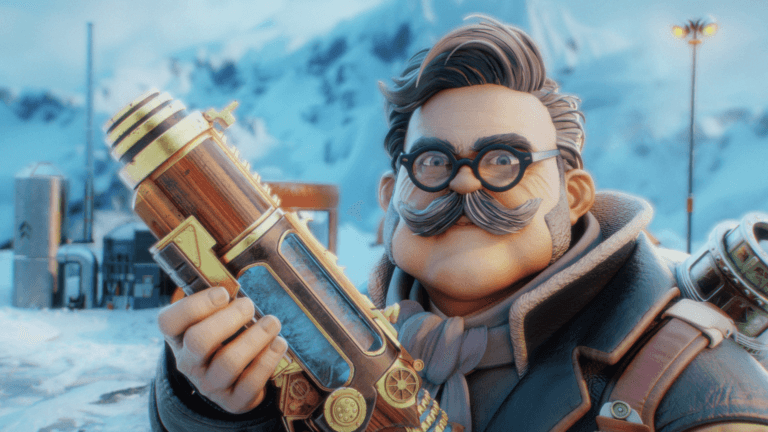
1. 3D Character Animation
Character animation focuses on bringing digital characters to life. Character animation focuses on bringing digital characters to life through movement and performance. This type of animation involves creating realistic or stylized motions such as walking, running, and facial expressions.
Key features:
- Facial expressions and body movement
- Rigging systems for control
- Acting and performance-based animation
Used in:
- Animated films
- Video games
- TV shows
This is one of the most complex types of animation because it requires both technical skill and an understanding of human movement.
2. 3D Mechanical Animation
Mechanical and technical 3D animation services focus on machines and technical systems. Mechanical animation focuses on animating mechanical parts with precise and accurate movement. This type of animation is used to show how devices and systems function in a clear and realistic way.
Key features:
- Precise movement
- Accurate simulation of parts
- Focus on functionality
Used in:
- Engineering
- Product design
- Industrial animation services
It is more technical than artistic, and accuracy is essential for creating believable results. Read more about the benefits of 3D modeling in engineering.
3. 3D Motion Graphics Animation
Motion graphics animation focuses on animated design elements. Motion graphics animation focuses on shapes, text, and visual elements in motion rather than characters. It is widely used to communicate ideas in a visually engaging and dynamic way.
Key features:
- Animated shapes and text
- Stylized visuals
- Strong focus on design and composition
Used in:
- Advertisements
- Brand videos like crypto branding
- Social media animated content
This type relies heavily on design principles such as timing, layout, and visual hierarchy.
4. 3D Product Visualization Animation
Product visualization animation focuses on showcasing products. 3D product visualization animation services focus on presenting products in a detailed and visually appealing way. It highlights materials, lighting, and design features to attract attention and many other advantages.
Key features:
- High-quality product rendering
- Smooth camera movement
- Focus on details and materials
Used in:
- Marketing and advertising
- E commerce
- Product launches
It is often used as an alternative to photography and allows products to be shown before they are manufactured.
5. 3D Architectural Animation
Architectural animation focuses on visualizing spaces and buildings. Architectural animation services focus on creating realistic walkthroughs and flythroughs of environments. It helps viewers understand how a space will look and feel before it is built.
Key features:
- Realistic environments
- Camera walkthroughs
- Lighting and material accuracy
Used in:
- Real estate
- Urban planning
- Interior design
This type is created using architectural visualization software, and it’s useful for presentations and helps clients make better design decisions.
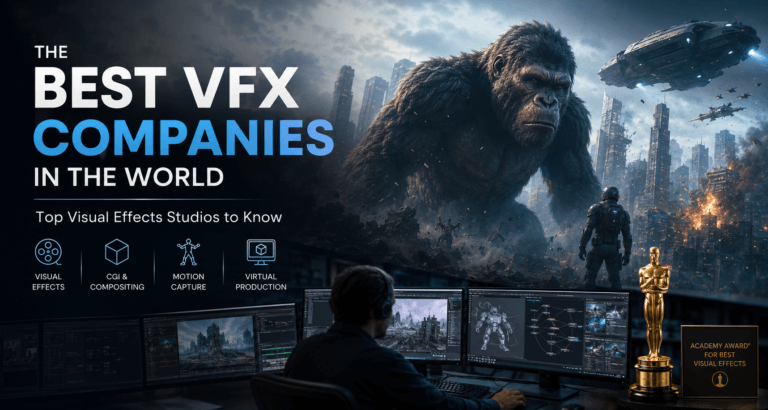
6. 3D Visual Effects Animation
Visual effects animation focuses on creating dynamic and natural simulations. Visual effects animation focuses on elements like fire, smoke, water, and explosions. It enhances scenes by adding realism and dramatic impact.
Key features:
- Fire, smoke, water, and explosions
- Physics-based simulations
- Integration with live action
Used in:
- Films
- TV productions
- Game cinematics
It requires advanced tools and technical knowledge to achieve realistic results.
7. 3D Real-Time Animation
Real-time animation focuses on real-time rendering and interaction. Real-time animation focuses on delivering animation that can be viewed immediately without long rendering times. It is essential for interactive experiences where performance matters.
Key features:
- Immediate feedback
- Interactive environments
- Optimized performance
Used in:
- Video games
- Virtual reality
- Simulations
Balancing visual quality and performance is a key challenge in this type of animation.
8. VR (Virtual Reality) Animation
VR animation focuses on creating fully immersive digital environments. VR animation focuses on placing the viewer inside a 3D world where they can look around and interact in real-time. It is designed to give a sense of presence and realism.
Key features:
- 360 degree environments
- Real-time rendering
- User interaction and immersion
Used in:
- Virtual reality storytelling
- Training simulations
- VR games
This type requires careful design to ensure comfort and avoid motion sickness while maintaining immersion.
9. AR (Augmented Reality) Animation
AR animation focuses on blending digital content with the real world. AR animation focuses on overlaying 3D elements onto real environments using devices like smartphones or AR glasses. It enhances reality rather than replacing it.
Key features:
- Real-world integration
- Camera-based tracking
- Interactive overlays
Used in:
- Mobile applications
- Marketing campaigns
- Retail experiences
It requires accurate tracking and alignment to make digital elements appear naturally in the real world.
10. MR (Mixed Reality) Animation
MR animation combines elements of both VR and AR. MR animation focuses on merging digital and physical environments where they can interact with each other in real time. It creates a more advanced and interactive experience than AR.
Key features:
- Real and virtual interaction
- Spatial awareness
- Advanced tracking systems
Used in:
- Advanced simulations
- Industrial applications
- Interactive training
This type requires powerful hardware and precise environment mapping to function effectively.
11. Interactive 3D Animation
Interactive 3D animation focuses on user-controlled experiences. Interactive art focuses on allowing users to influence animations through input and interaction. The animation changes based on user actions.
Key features:
- User input-driven motion
- Real-time feedback
- Dynamic environments
Used in:
- Video games
- Interactive websites
- Simulations
It requires careful design to ensure smooth interaction and responsiveness.
12. 3D Procedural Animation
Procedural animation focuses on generating motion automatically. Procedural animation focuses on using algorithms and rules to create animation instead of manually animating each movement. It is often used for complex or repetitive actions.
Key features:
- Algorithm-driven motion
- Reduced manual work
- Scalable animation systems
Used in:
- Games
- Simulations
- Crowd animation
This type improves efficiency but may require fine-tuning to achieve natural-looking results.
13. 3D Physics-Based Animation
Physics-based animation focuses on realistic movement using physical laws. Physics-based animation focuses on simulating gravity, collisions, and forces to create believable motion. It reduces the need for manual animation in dynamic scenes.
Key features:
- Realistic motion simulation
- Collision detection
- Gravity and force systems
Used in:
- Games
- Visual effects
- Simulations
It adds realism but can be computationally demanding depending on the complexity.
14. Stop-Motion Style (3D Simulated)
Stop-motion style animation recreates the look of traditional stop-motion using 3D tools. Stop-motion style animation focuses on mimicking frame-by-frame handcrafted movement with slight imperfections. It combines digital flexibility with a handmade aesthetic.
Key features:
- Stylized choppy motion
- Frame by frame feel
- Imperfect and tactile look
Used in:
- Animated films
- Commercials
- Artistic projects
This style is often used to create a nostalgic and unique visual identity while using modern tools.
Why Understanding 3D Animation Types Matters
Each type of 3D animation serves a different purpose. Some are focused on storytelling, while others are designed for technical visualization or marketing. Choosing the right type can improve efficiency, reduce production costs, and ensure that the final result matches your goals.
It also helps teams plan their workflow more effectively, since different animation types often require different animation tools and skill sets.
Comparing Types of 3D Animation
Each type of 3D animation serves a unique purpose and comes with different levels of complexity. Character animation and visual effects are often more complex because they require advanced skills and detailed work. Mechanical and product animations focus more on precision and clarity. Motion graphics and real-time animation balance creativity with performance and efficiency.
Understanding these differences helps teams choose the right approach based on their project requirements.
| Type | Focus | Industry | Complexity |
|---|---|---|---|
| Character Animation | Performance and acting | Film and games | High |
| Mechanical Animation | Function and precision | Engineering | Medium |
| Motion Graphics | Design and communication | Marketing | Medium |
| Product Animation | Presentation and detail | Advertising | Medium |
| Architectural Animation | Environment and space | Real estate | Medium |
| Visual Effects | Simulation and realism | Film | High |
| Real Time Animation | Interaction and speed | Games | High |
| VR Animation | Immersion and experience | VR industry | High |
| AR Animation | Real world enhancement | Mobile and retail | Medium |
| MR Animation | Real and virtual interaction | Enterprise and training | High |
| Interactive 3D Animation | User control | Games and web | High |
| Procedural Animation | Automation and systems | Games and simulation | Medium |
| Physics Based Animation | Realistic motion | Games and VFX | High |
| Stop Motion Style (3D) | Stylized movement | Film and advertising | Medium |
How to Choose the Right Type of 3D Animation
Choosing the right type depends on your project goals and target audience. If your focus is storytelling, character animation is usually the best option. For marketing and branding, motion graphics and product visualization are more effective.
Technical projects benefit from mechanical and architectural animation, while interactive experiences require real-time animation. By aligning the animation type with your goals, you can achieve better results and improve overall production efficiency.
3D Animation in Modern Production
Modern projects often combine multiple types of 3D animation to achieve better results. For example, a video game may use character animation along with real-time rendering. A commercial might combine motion graphics with product visualization to create a more engaging presentation.
This hybrid approach allows creators to take advantage of different techniques and create more dynamic and visually appealing content.
Conclusion
3D animation offers a wide range of possibilities, from storytelling and design to technical visualization and interactive experiences. Each type of 3D animation serves a specific purpose and requires different skills and tools.
By understanding these types, you can choose the right approach for your project and create more effective and visually compelling visuals.

![1405,02,10 SnpLE[Cover HD] 1](https://pixune.com/wp-content/uploads/2026/08/14050210-SnpLECover-HD-1-768x431.jpg)