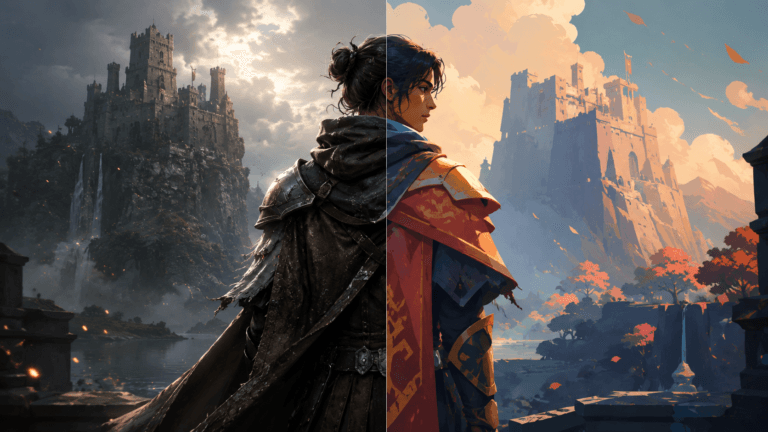
2D and 3D art are the foundation of modern visual media. Whether you’re playing a video game, watching an animated film, browsing a website, or viewing an advertisement, you’re likely experiencing artwork created using one of these two approaches.
While both 2D and 3D art aim to communicate ideas visually, they differ significantly in how they are created, how they look, and how they are used in industries such as game development, animation, film, marketing, architecture, and product design.
Some projects benefit from the artistic simplicity and speed of 2D art, while others require the realism, flexibility, and depth offered by 3D art. Understanding the differences between these art forms can help artists, businesses, and creators choose the right approach for their projects.
In this guide, we’ll explore what 2D and 3D art are, how they differ, their advantages and disadvantages, and where each style works best.
What is 2D Art?
2D art, or two-dimensional art, is artwork created using only height and width. It exists on a flat surface and does not contain actual depth.
Artists use perspective, lighting, shading, and composition to create the illusion of depth, but the artwork itself remains flat.
2D art services have been used for centuries in traditional painting, illustration, comics, and graphic design. Today, digital tools have expanded their applications across gaming, animation, advertising, and entertainment.
Because 2D art focuses on shapes, colors, and composition, it often allows artists to create highly stylized visuals that would be difficult to achieve in realistic 3D environments.
Common Types of 2D Art
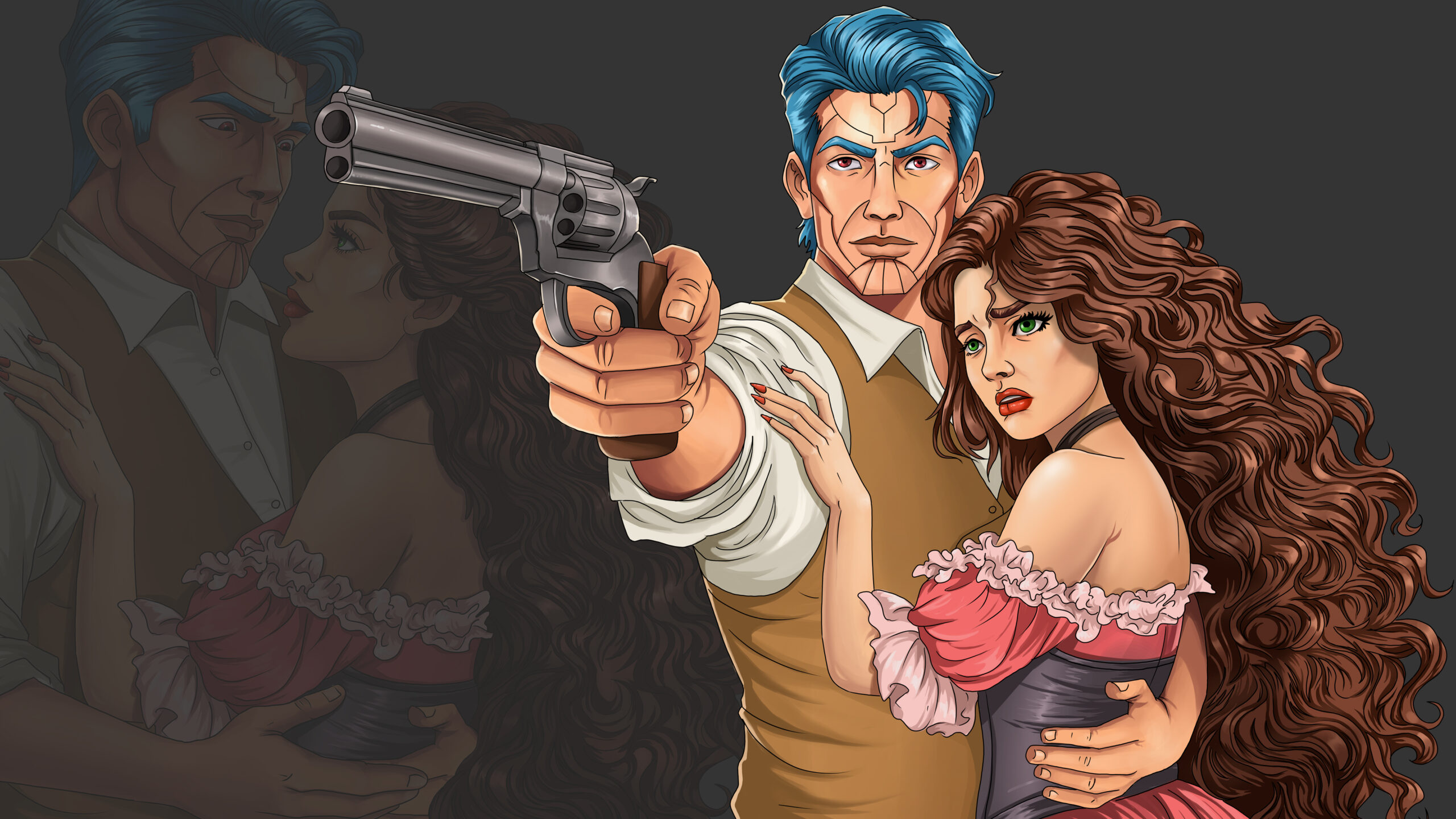
Digital illustration services are among the most popular forms of 2D art and are widely used in publishing, marketing, and entertainment.
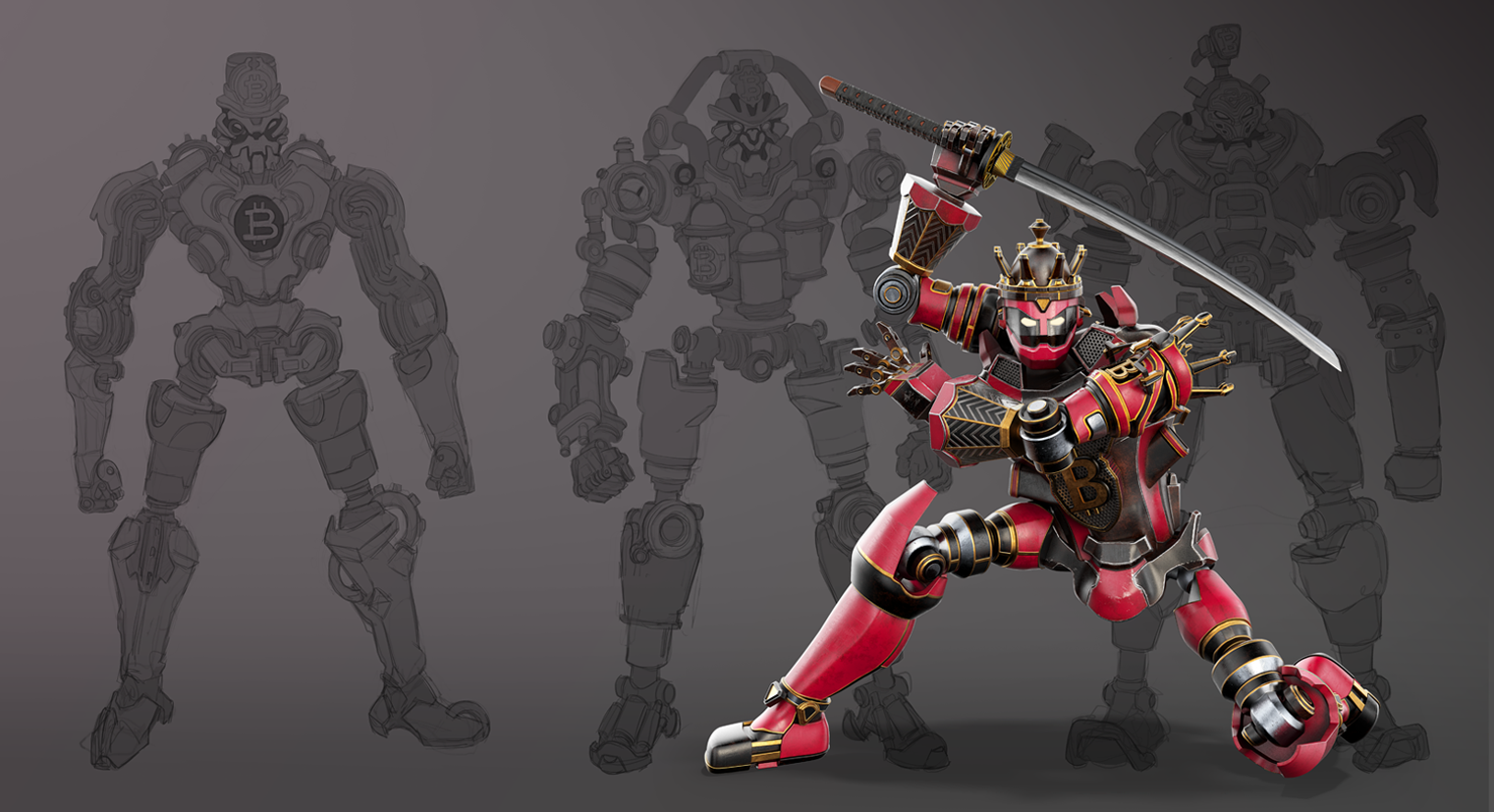
Concept art services help visualize characters, environments, and props before production begins.
Pixel art remains a popular choice for indie games and retro-inspired projects.
Vector art is commonly used for logos, icons, branding, and scalable graphics.
Digital painting is frequently used for promotional artwork, environment design, and cinematic illustrations.
Examples of 2D Artwork
Many forms of visual media rely heavily on 2D art.
Comic books use 2D illustrations to tell stories through sequential images.
Anime backgrounds often begin as detailed digital paintings.
Video game concept art helps establish the visual direction of characters and worlds.
Marketing illustrations, posters, and book covers frequently use 2D artwork because of its flexibility and visual appeal.
What is 3D Art?
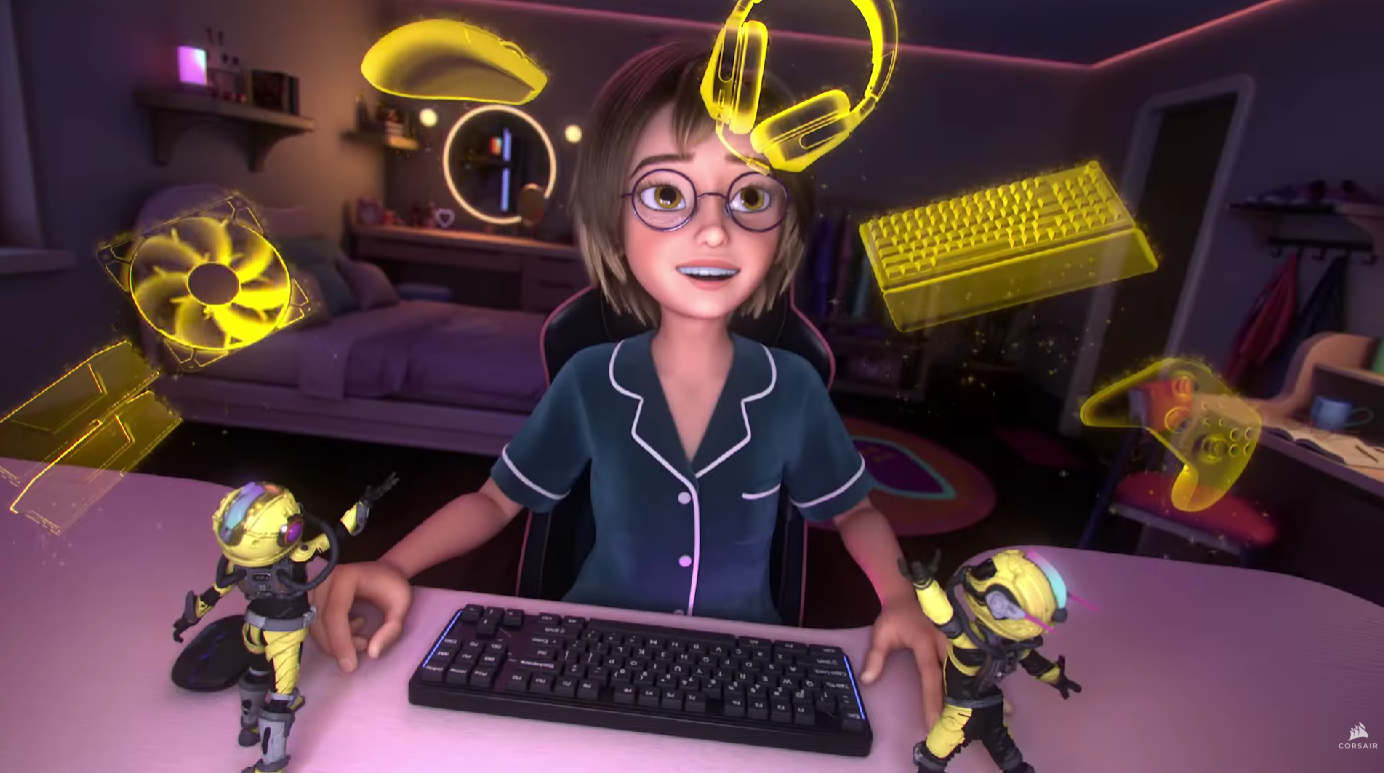
3D art, or three-dimensional art, exists within a digital space that includes height, width, and depth.
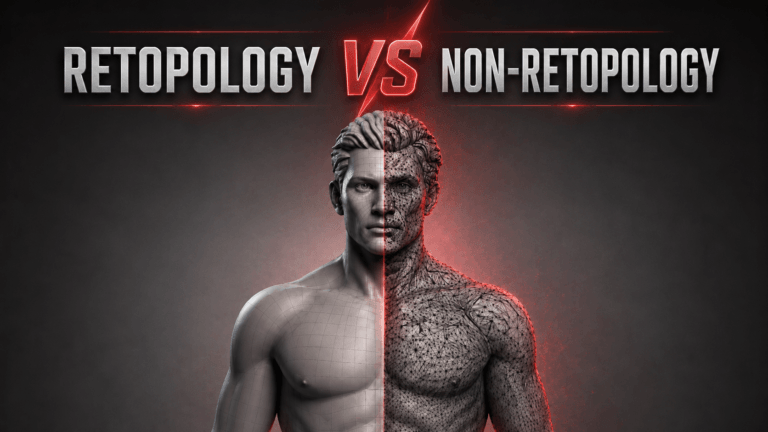
Unlike 2D artwork, 3D assets can be viewed from multiple angles and manipulated within virtual environments. Artists create 3D models by building digital objects that occupy space and can be rotated, animated, lit, and rendered.
Because 3D art simulates real-world dimensions, it is often used when realism, flexibility, or dynamic camera movement is required.
Today, 3D art services play a major role in video games, animated films, architecture, product visualization, virtual reality, and visual effects.
Common Types of 3D Art
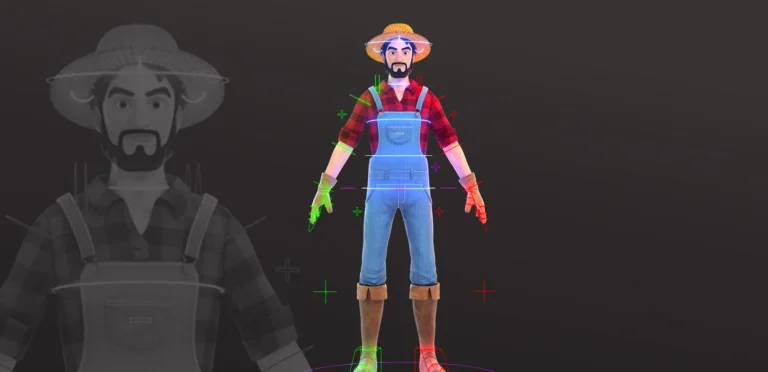
Character modeling services focus on creating people, creatures, and animated characters.
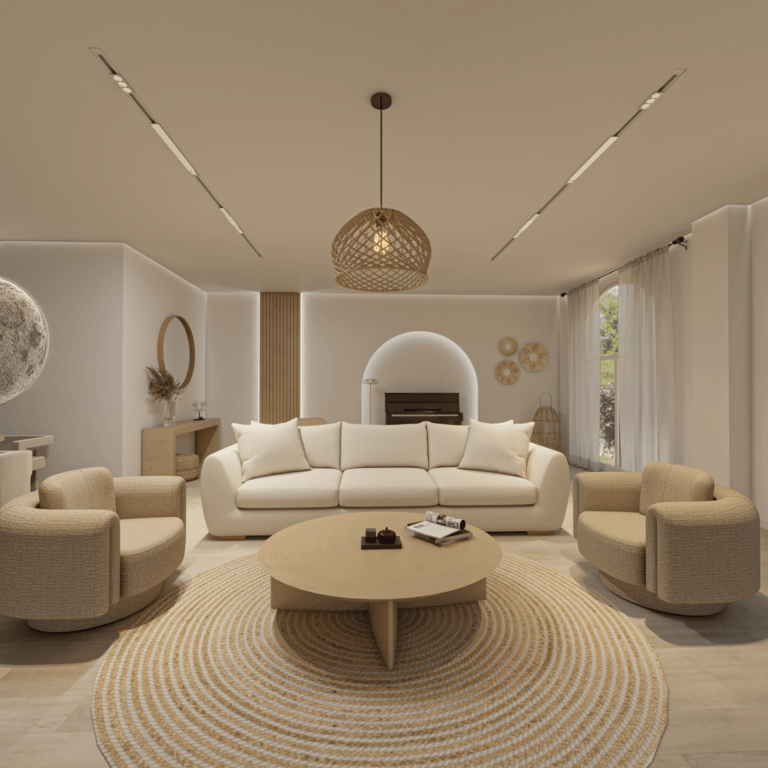
Environment art involves designing digital landscapes, cities, buildings, and worlds.
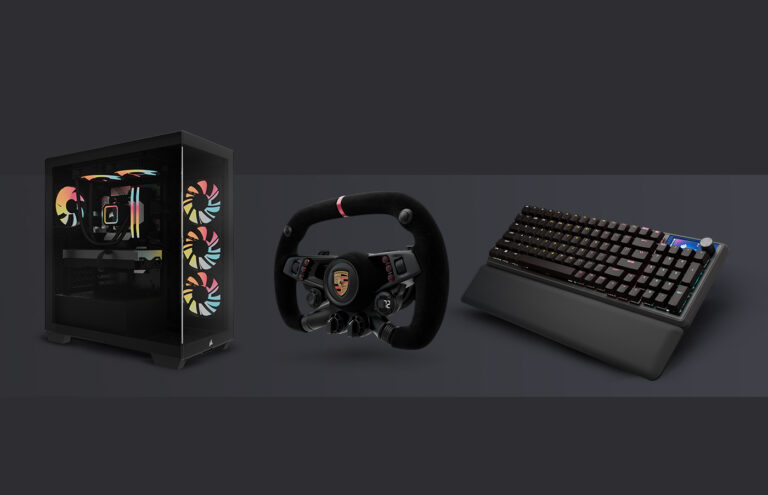
3D product animation services create realistic digital representations of products before manufacturing.
Digital sculpting services are used to create highly detailed characters and assets.
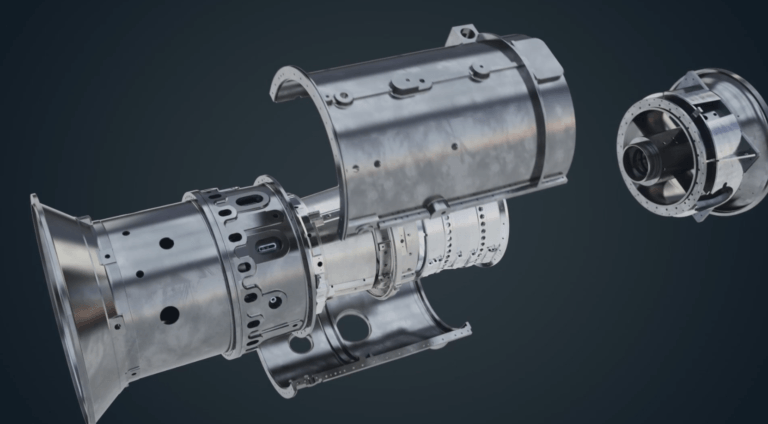
Hard-surface modeling services focus on mechanical objects, vehicles, weapons, and machinery.
Examples of 3D Artwork
Modern 3D animation studios rely heavily on 3D art for characters and environments.
Most AAA video games use 3D game assets to build interactive worlds.
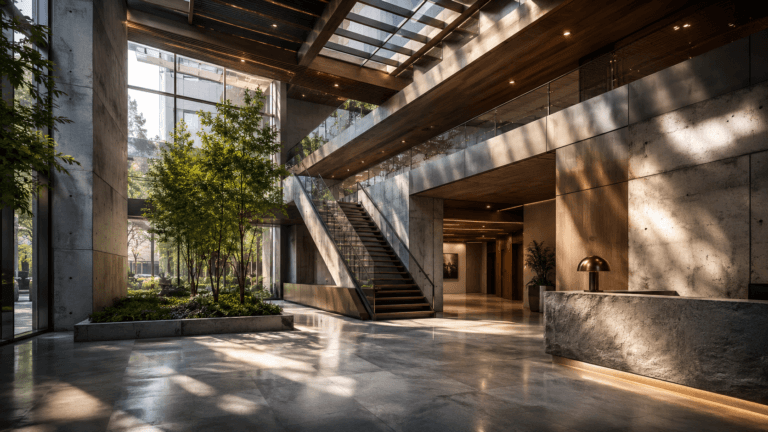
Architectural visualizations help clients explore buildings before construction.
Product rendering and modeling services allow companies to market products before they physically exist.
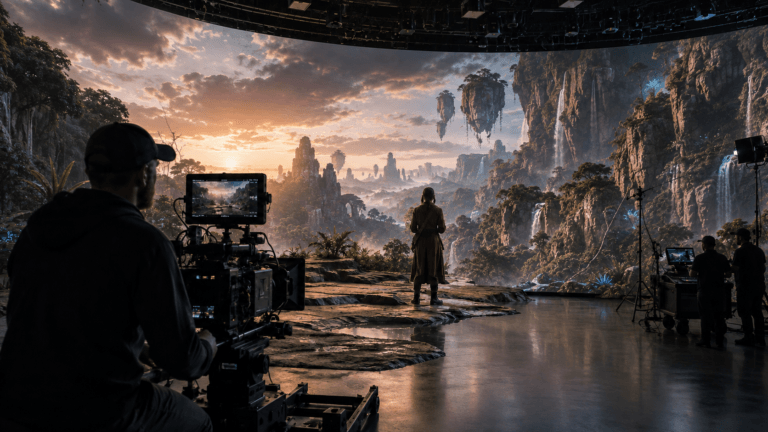
Visual effects studios use 3D art to create creatures, environments, and simulations for films and television.
Difference Between 2D and 3D Art
Although both forms of art communicate visual ideas, the creation process and final results differ significantly.
| Feature | 2D Art | 3D Art |
|---|---|---|
| Dimensions | Height and Width | Height, Width, and Depth |
| Creation Method | Drawing and Painting | Modeling and Sculpting |
| Perspective | Simulated | Real |
| Camera Angles | Must Be Redrawn | Can Be Reused |
| Animation | Drawn Frame by Frame or Rigged | Animated Using Rigs and Skeletons |
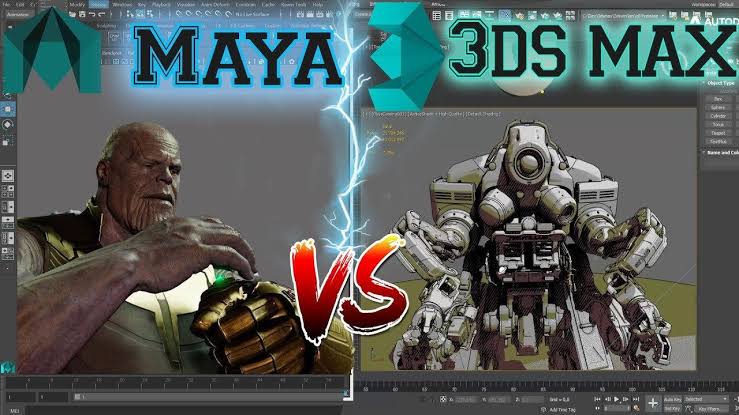
| Software | Photoshop, Illustrator, Procreate | Blender, Maya, 3ds Max, ZBrush |
| Visual Style | Stylized and Graphic | Realistic or Stylized |
The biggest difference is depth. A 2D image only exists on a flat plane, while a 3D model occupies virtual space and can be viewed from any angle.
This difference affects everything from production workflows to animation type and rendering methods.
How 3D Art Can Look Like 2D Art
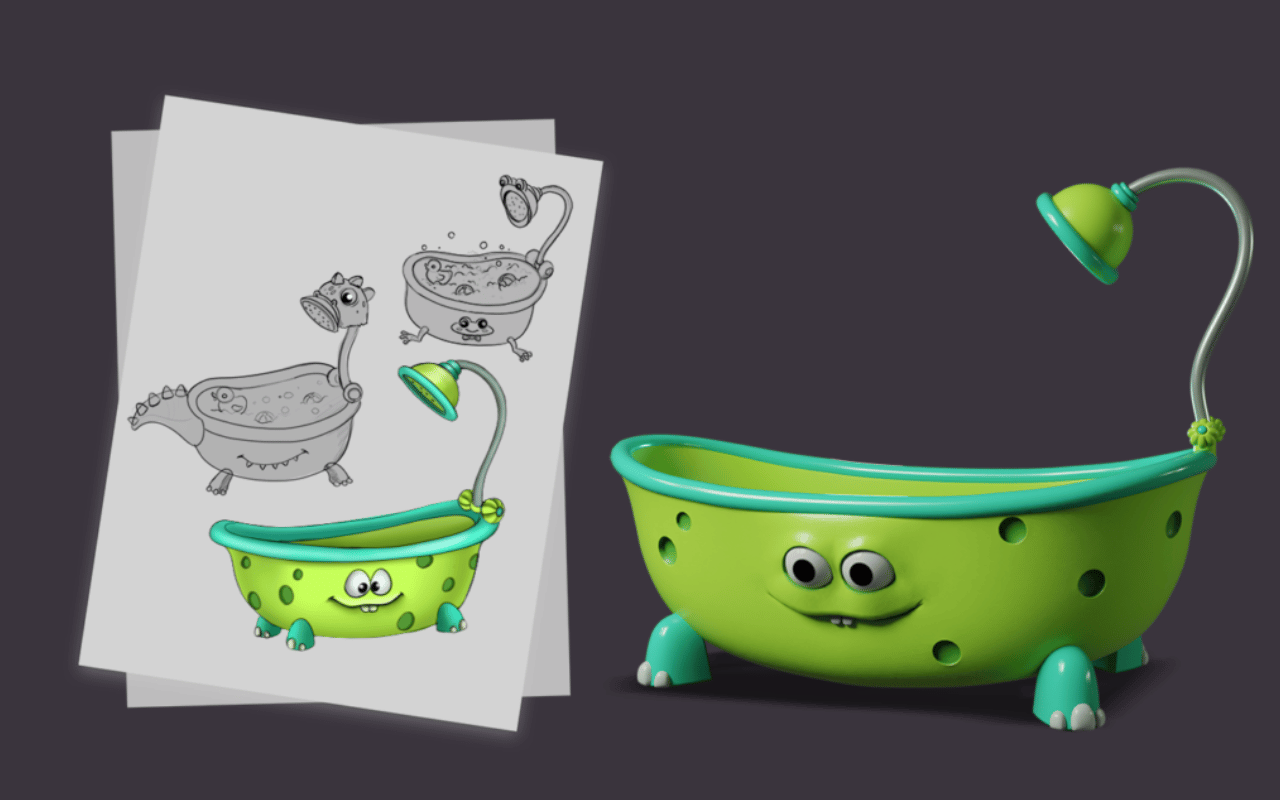
One of the most interesting developments in modern art production is the ability to make 3D artwork appear as if it were drawn in 2D.
This technique is often called Non-Photorealistic Rendering (NPR) or cel shading.
Instead of aiming for realism, artists use special shaders, lighting techniques, and textures to mimic hand-drawn artwork.
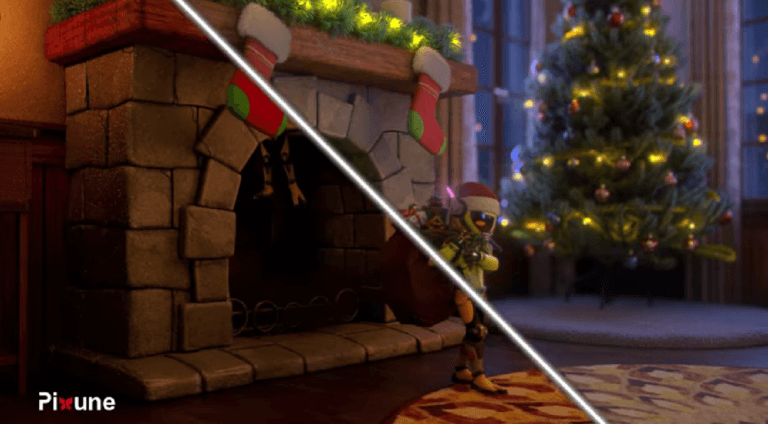
Many modern projects use this approach because it combines the flexibility of 3D production with the visual appeal of 2D art.
Popular examples include:
- Arcane
- Spider-Man: Into the Spider-Verse
- Guilty Gear Strive
- Dragon Ball FighterZ
- The Legend of Zelda: Breath of the Wild
2D vs 3D Art Workflow
Although the goals are often similar, the production pipelines are very different.
2D Art Process
The 2D workflow usually begins with research and reference gathering.
Artists then create sketches to explore ideas before developing line art and refining shapes.
After approval, colors are applied and the artwork is rendered with lighting, shadows, and effects.
The final result is exported for its intended use, whether that’s a game, animation, advertisement, or publication.
3D Art Process
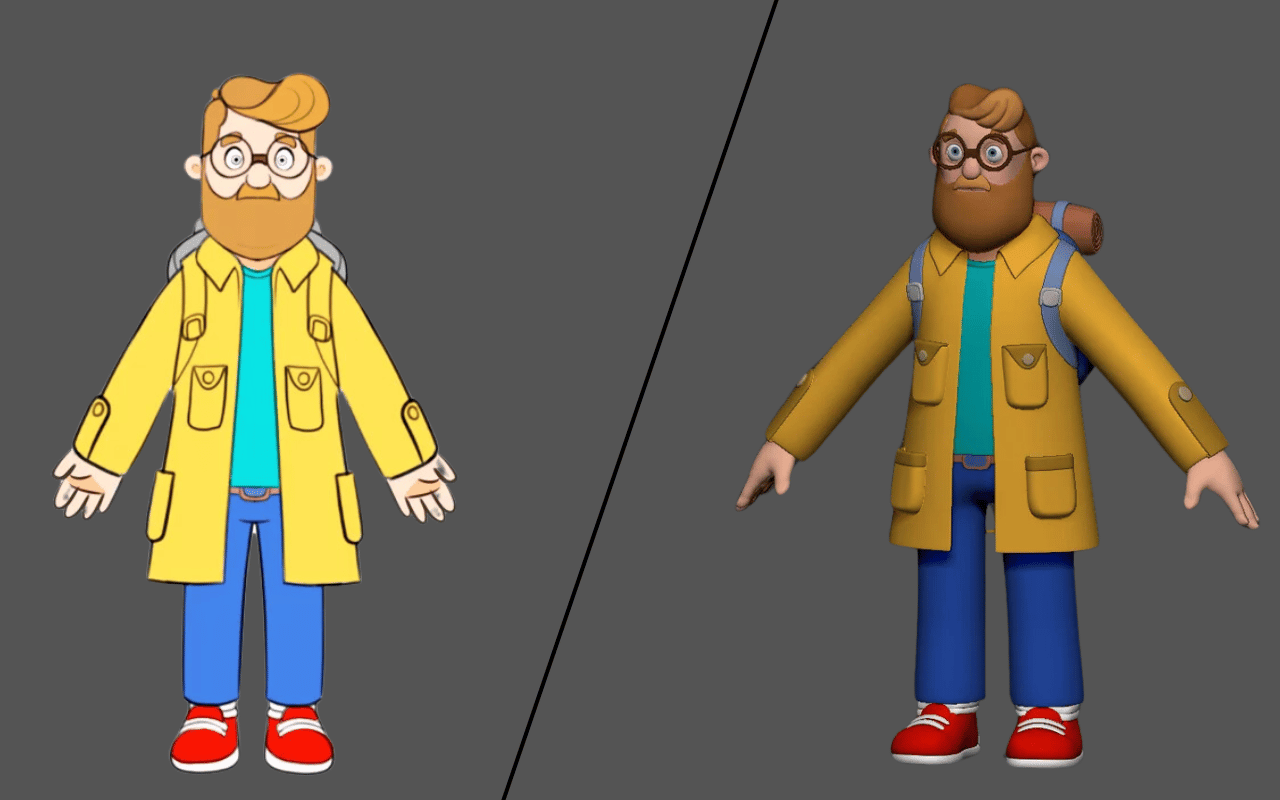
The 3D workflow often begins with concept art.
Artists then build a digital model using sculpting or 3D modeling software.
After modeling, UV mapping prepares the asset for texturing. Textures and materials are applied to define the asset’s appearance.
If the model will be animated, rigging adds a digital skeleton that controls movement.
Finally, lighting and rendering generate the finished image or animation.
2D vs 3D Art for Games
Both art styles are widely used in the gaming industry.
2D art styles are commonly found in platformers, puzzle games, visual novels, and indie projects. It often provides a distinctive visual identity while requiring fewer technical resources.
3D art styles dominate modern AAA games because it allows players to explore complex environments and interact with dynamic worlds.
However, many successful games combine both styles to create unique visual experiences.
Read More: Art Styles in Indie Games vs. AAA Games
2D vs 3D Art for Animations
Animation services have evolved dramatically over the past few decades.
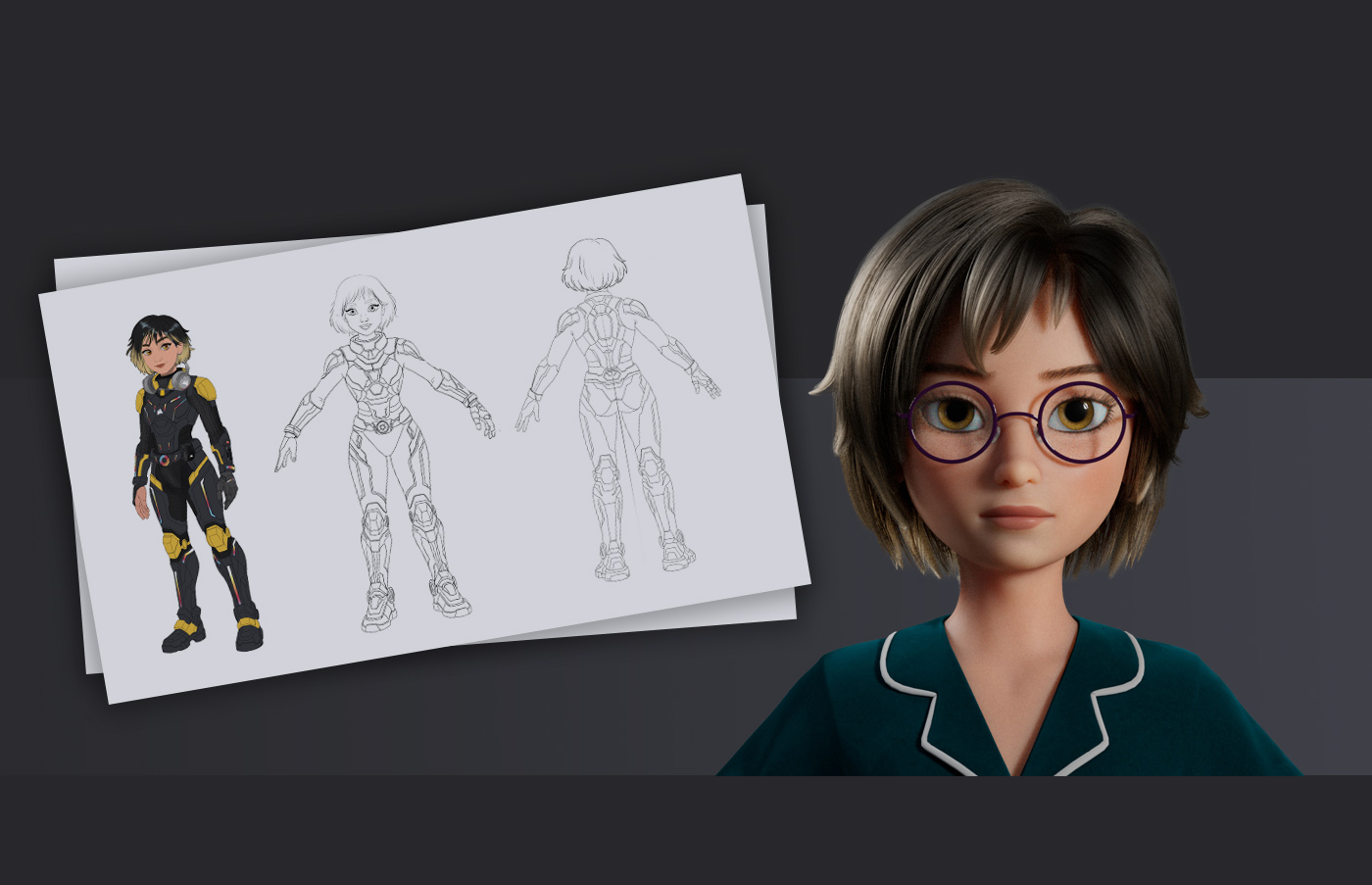
Traditional frame-by-frame animation relied almost entirely on 2D artwork. Every frame was drawn by hand to create motion.
Today, most major animated films use 3D characters and environments because they allow greater production efficiency and flexibility.
At the same time, many animation studios continue producing 2D animation because of its unique artistic qualities and expressive 2D animation style.
Hybrid productions are also becoming increasingly common, combining 2D aesthetics with 3D production techniques and 3D animation styles.
Advantages of 2D Art
One of the biggest advantages of 2D art is artistic freedom. Artists can create highly stylized visuals without worrying about physical realism.
2D workflows are often faster for concept development and illustration projects.
The style is also highly versatile, making it suitable for branding, marketing, publishing, and many types of game genres.
Because of its simplicity, 2D art can often be more affordable for smaller projects.
Advantages of 3D Art
3D art provides flexibility that is difficult to achieve with 2D artwork.
Assets can be reused across multiple scenes, viewed from any angle, and animated efficiently.
Lighting and camera systems allow artists to create highly realistic visuals.
3D assets are also essential for modern games, virtual reality experiences, architectural visualization, and product rendering.
For projects requiring realism or interactivity, 3D art often provides significant advantages.
Is 2D Art Easier Than 3D Art?
This is one of the most common questions among aspiring artists.
The truth is that neither discipline is inherently easier.
2D artists must master drawing fundamentals, composition, color theory, anatomy, and visual storytelling.
3D artists must learn modeling, sculpting, topology, UV mapping, texturing, lighting, rendering, and technical animation workflows.
Each discipline presents different challenges and requires years of practice to master.
Is 2D or 3D Art Better for Your Project?
The best choice depends on your goals.
If your project requires stylized visuals, illustrations, concept art, or a unique artistic identity, 2D art may be the better option.
If you need realistic visuals, animation, dynamic camera movement, or reusable assets, 3D art may be more suitable. Explore more about 3D art outsoucing price.
Budget, production schedule, target audience, and artistic direction should all influence the decision.
In many cases, the most effective solution is a combination of both approaches.
Read More: 2D vs. 3D Art Production Cost
Future of 2D and 3D Art
The line between 2D and 3D art continues to blur.
Real-time rendering technologies, advanced shaders, AI-assisted art tools, and hybrid production pipelines allow artists to combine techniques in ways that were previously impossible.
Modern productions increasingly mix 2D and 3D workflows to find unique visual styles while maintaining production efficiency.
Rather than competing with each other, 2D and 3D art are becoming complementary tools that artists can use together to create richer visual experiences.
AI is also becoming part of hybrid 2D and 3D production workflows. AI animation services can combine generated concepts and shots with traditional 2D artwork, 3D assets, compositing, and artist-led refinement to improve production speed while maintaining visual consistency and creative control.
Conclusion
2D and 3D art are both powerful creative disciplines with unique strengths, workflows, and applications. While 2D art excels at stylization, illustration, and visual storytelling, 3D art offers flexibility, realism, and dynamic production capabilities.
Neither style is universally better. The right choice depends on your project’s goals, budget, audience, and artistic vision. As technology continues evolving, the most exciting projects will likely combine the strengths of both 2D and 3D art to create experiences that are visually distinctive, efficient to produce, and engaging for audiences.