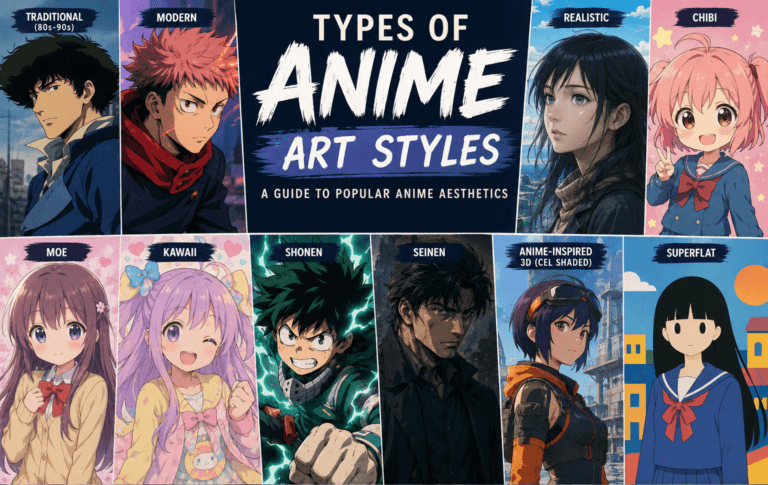

Animation is far more than just moving images, it is a vast creative language with its own techniques, aesthetics, and emotional impact. From the earliest hand-drawn experiments to immersive virtual reality experiences, animation styles have evolved alongside technology, culture, and storytelling itself. Each style carries its own visual identity, production method, and purpose, shaping how stories are told and how audiences connect with them.
In this guide, we explore 40 different types of cartoon styles, covering traditional, experimental, digital, and hybrid approaches. Whether you are a designer, lead animator, animation director, filmmaker, marketer, or simply curious about the art of animation, this list provides a clear, structured overview of the most important styles used across film, television, games, advertising, and interactive media today. Understanding these cartoon styles not only helps in choosing the right visual direction for a project, but also deepens appreciation for the craft behind animated storytelling.
40 Types of Cartoon Styles and Their Visual Characteristics
Cartoon styles are defined by their character proportions, line work, shapes, colors, textures, and overall visual language. Some styles originate from specific historical periods, while others are associated with particular media, audiences, or production methods.
Many cartoons combine several visual styles. For example, a project may use anime-inspired characters, flat vector environments, and a limited color palette.
1. Rubber Hose Cartoon Style
Rubber hose cartoons use highly flexible characters whose arms and legs bend without clearly defined joints. The style became popular during the early years of American animation.
- Visual Characteristics: Flexible limbs, pie-cut eyes, white gloves, rounded shapes, exaggerated movement.
- Color Palette: Originally black and white, although modern versions may use faded vintage colors.
- Mood: Playful, energetic, surreal, and nostalgic.
- Examples: Steamboat Willie, Felix the Cat, Betty Boop, and Cuphead.
2. Classic Disney-Inspired Cartoon Style
The classic Disney-inspired style combines simplified character designs with believable anatomy, expressive faces, and carefully controlled movement.
- Visual Characteristics: Rounded forms, expressive eyes, clean outlines, natural poses, and detailed backgrounds.
- Color Palette: Rich, balanced, and often inspired by storybook illustrations.
- Mood: Magical, emotional, adventurous, and family-friendly.
- Examples: Snow White and the Seven Dwarfs, Cinderella, The Little Mermaid, and Beauty and the Beast.
3. Fleischer-Inspired Cartoon Style
The Fleischer-inspired style combines rubber hose character design with surreal humor, urban settings, and strange visual transformations.
- Visual Characteristics: Rounded bodies, pie-cut eyes, elastic poses, mechanical environments, and exaggerated facial expressions.
- Color Palette: Black and white or dark, muted vintage colors.
- Mood: Chaotic, humorous, strange, and slightly dark.
- Examples: Betty Boop, Popeye, and the Fleischer Superman shorts.
4. UPA and Mid-Century Modern Cartoon Style
This style uses simplified geometric designs instead of realistic anatomy and detailed environments. It became influential in television animation and advertising during the mid-20th century.
- Visual Characteristics: Angular characters, abstract backgrounds, geometric forms, flat shapes, and minimal details.
- Color Palette: Limited palettes with bold and contrasting colors.
- Mood: Sophisticated, graphic, stylish, and playful.
- Examples: Gerald McBoing-Boing, Mr. Magoo, and mid-century advertising cartoons.
5. Hanna-Barbera Cartoon Style
The Hanna-Barbera style was developed for efficient television animation. It uses simple characters, reusable poses, and limited movement.
- Visual Characteristics: Thick outlines, flat colors, simple anatomy, strong silhouettes, and repeating backgrounds.
- Color Palette: Bright but limited television-friendly colors.
- Mood: Lighthearted, comedic, adventurous, and accessible.
- Examples: The Flintstones, Scooby-Doo, Yogi Bear, and The Jetsons.
6. Saturday Morning Cartoon Style
Saturday morning cartoons are colorful, action-oriented productions traditionally created for children and teenagers.
- Visual Characteristics: Clear heroes and villains, readable silhouettes, simplified anatomy, bold poses, and expressive action.
- Color Palette: Bright, saturated, and highly contrasting colors.
- Mood: Exciting, adventurous, heroic, and energetic.
- Examples: He-Man and the Masters of the Universe, ThunderCats, Teenage Mutant Ninja Turtles, and Transformers.
7. Minimalist Cartoon Style
Minimalist cartoons communicate characters and ideas using the fewest possible visual elements.
- Visual Characteristics: Simple shapes, limited facial animations, clean outlines, empty backgrounds, and reduced detail.
- Color Palette: Monochrome or a small selection of flat colors.
- Mood: Clean, modern, calm, and direct.
- Examples: Minimalist web animations, explainer videos, editorial cartoons, and icon-based characters.
8. Flat Vector Cartoon Style
Flat vector cartoons use clean digital shapes without realistic materials/textures, lighting, or dimensional shading.
- Visual Characteristics: Smooth outlines, flat shapes, simplified anatomy, consistent line weight, and scalable graphics.
- Color Palette: Bright brand colors, complementary palettes, or limited corporate colors.
- Mood: Friendly, modern, professional, and accessible.
- Examples: Explainer videos, mobile applications, corporate animation, and social media content.
9. Geometric Cartoon Style
Geometric cartoons construct characters and environments from circles, squares, triangles, and other basic shapes.
- Visual Characteristics: Strong silhouettes, angular bodies, modular forms, repeated shapes, and simplified anatomy.
- Color Palette: Bold flat colors with clear contrast in the use of shape language.
- Mood: Modern, playful, structured, and graphic.
- Examples: Educational animations, brand mascots, motion graphics, and modern children’s cartoons.
10. Doodle and Scribble Cartoon Style
Doodle cartoons resemble spontaneous drawings made in notebooks or sketchbooks.
- Visual Characteristics: Loose lines, uneven contours, handwritten elements, visible construction marks, and imperfect shapes.
- Color Palette: Black and white, monochrome, or limited accent colors.
- Mood: Casual, personal, humorous, and energetic.
- Examples: Whiteboard animation, notebook-style videos, social media cartoons, and hand-drawn animations.
11. Newspaper Comic Strip Style
Newspaper comic strip cartoons use compact compositions and readable character acting to communicate a story or joke within a small number of panels.
- Visual Characteristics: Clear outlines, simple backgrounds, speech bubbles, repeated framing, and expressive poses.
- Color Palette: Traditionally black and white, although modern strips may use flat colors.
- Mood: Humorous, observational, relatable, and conversational.
- Examples: Garfield, Peanuts, Calvin and Hobbes, and Dilbert.
12. Comic Book Cartoon Style
Comic book cartoons use dramatic poses, strong line work, and panel-based visual storytelling.
- Visual Characteristics: Bold outlines, dynamic anatomy, speed lines, halftone textures, dramatic shadows, and action poses.
- Color Palette: High-contrast colors with strong highlights and shadows.
- Mood: Dramatic, heroic, energetic, and intense.
- Examples: Marvel and DC animated adaptations, superhero cartoons, and motion comics.
13. Caricature Cartoon Style
Caricature exaggerates recognizable physical features or personality traits to create humorous or critical representations.
- Visual Characteristics: Oversized heads, exaggerated facial features, reduced bodies, strong expressions, and recognizable silhouettes.
- Color Palette: Flexible, ranging from monochrome sketches to fully rendered digital colors.
- Mood: Humorous, satirical, expressive, and sometimes critical.
- Examples: Political cartoons, celebrity caricatures, editorial illustrations, and event portraits.
14. Anime Cartoon Style
Anime art styles include a wide range of Japanese visual styles, but it is commonly recognized by expressive character designs, cinematic compositions, and stylized facial features.
- Visual Characteristics: Large expressive eyes, stylized hair, clean line work, controlled facial expressions, and cinematic framing.
- Color Palette: Wide-ranging palettes determined by the story, genre, and atmosphere.
- Mood: Emotional, dramatic, energetic, romantic, or adventurous.
- Examples: Naruto, One Piece, Demon Slayer, Sailor Moon, and My Hero Academia.
15. Chibi Cartoon Style
Chibi characters are small and cute versions of normal characters, typically used for comedy, merchandise, or emotional reactions.
- Visual Characteristics: Large heads, tiny bodies, short limbs, large eyes, and simplified facial features.
- Color Palette: Bright, soft, or pastel colors.
- Mood: Cute, cheerful, humorous, and affectionate.
- Examples: Chibi anime sequences, character stickers, mobile game avatars, and merchandise illustrations.
16. Super Deformed Cartoon Style
Super deformed characters use extreme proportion changes to parody or simplify an existing character design. The style is similar to chibi but may emphasize comedy more than cuteness.
- Visual Characteristics: Extremely large heads, compressed bodies, exaggerated expressions, and distorted anatomy.
- Color Palette: Usually based on the original character’s colors.
- Mood: Comedic, exaggerated, chaotic, and playful.
- Examples: Parody anime sequences, comedy spin-offs, game UI reaction icons, humorous character transformations, and anime-inspired videos.
17. Kawaii Cartoon Style
Kawaii is a Japanese-inspired style focused on creating maximum cuteness through simple shapes and innocent expressions.
- Visual Characteristics: Rounded forms, tiny mouths, dot-like eyes, soft proportions, simple faces, and decorative accessories.
- Color Palette: Pastel pink, blue, yellow, lavender, mint, and white.
- Mood: Sweet, comforting, innocent, and cheerful.
- Examples: Hello Kitty, Rilakkuma, Pusheen, and cute brand mascots.
18. Western Anime-Inspired Cartoon Style
Western anime-inspired cartoons combine visual elements from Japanese animation with Western storytelling, character acting, and production conventions.
- Visual Characteristics: Anime-inspired eyes and hair, simplified Western anatomy, dynamic action, and expressive posing.
- Color Palette: Bright cinematic palettes with strong lighting and atmosphere.
- Mood: Adventurous, emotional, energetic, and dramatic.
- Examples: Avatar: The Last Airbender, The Legend of Korra, Voltron: Legendary Defender, and The Boondocks.
19. Realistic Cartoon Style
Realistic cartoons maintain believable human or animal anatomy while simplifying textures, details, and facial structures.
- Visual Characteristics: Accurate proportions, believable anatomy, detailed clothing, natural poses, and controlled exaggeration.
- Color Palette: Natural colors with realistic lighting and shading.
- Mood: Serious, cinematic, mature, and immersive.
- Examples: Realistic graphic novels, historical animation, cinematic game trailers, and mature animated dramas.
20. Semi-Realistic Cartoon Style
Semi-realistic cartoons balance believable anatomy with stylized shapes and simplified facial features.
- Visual Characteristics: Accurate body proportions, enlarged eyes, simplified skin details, stylized hair, and polished shading.
- Color Palette: Natural base colors combined with stylized lighting.
- Mood: Attractive, cinematic, emotional, and approachable.
- Examples: Character concept art, fantasy illustrations, game cinematics, and modern animation services.
21. Exaggerated Cartoon Style
Exaggerated cartoons intentionally distort anatomy, movement, and facial expressions to increase comedy or visual impact.
- Visual Characteristics: Stretched poses, oversized features, extreme expressions, curved silhouettes, and dramatic movement.
- Color Palette: Bright and highly contrasting colors.
- Mood: Energetic, comedic, chaotic, and expressive.
- Examples: The Ren & Stimpy Show, The Mask: Animated Series, SpongeBob SquarePants, slapstick cartoons, and fighting games.
22. Grotesque Cartoon Style
Grotesque cartoons use strange, distorted, or unpleasant features to create discomfort, dark humor, or visual shock.
- Visual Characteristics: Uneven anatomy, distorted faces, unusual textures, visible imperfections, and unsettling expressions.
- Color Palette: Dirty, muted, sickly, or strongly contrasting colors.
- Mood: Disturbing, darkly humorous, uncomfortable, and surreal.
- Examples: Underground comics, horror-comedy animation, experimental cartoons, and satirical adult animation.
23. Gothic Cartoon Style
Gothic cartoons combine dark fantasy, dramatic silhouettes, and decorative visual elements.
- Visual Characteristics: Thin characters, elongated limbs, sharp shapes, dark clothing, dramatic eyes, and ornate environments.
- Color Palette: Black, gray, dark blue, purple, deep red, and pale skin tones.
- Mood: Mysterious, melancholic, romantic, and eerie.
- Examples: The Addams Family, Ruby Gloom, Lenore, the Cute Little Dead Girl, and gothic fantasy cartoons.
24. Retro Cartoon Style
Retro cartoons recreate the design language of past decades, particularly the 1950s through the 1990s.
- Visual Characteristics: Period-specific shapes, vintage typography, simplified characters, printed textures, and nostalgic compositions.
- Color Palette: Faded oranges, yellows, browns, greens, blues, and period-inspired combinations.
- Mood: Nostalgic, playful, warm, and familiar.
- Examples: Retro advertising animation, vintage-inspired animated music videos, and modern cartoons using historical visual references.
25. Vintage 1930s Cartoon Style
The vintage 1930s style recreates early theatrical cartoons with rubber hose characters and old-film presentation.
- Visual Characteristics: Pie-cut eyes, white gloves, flexible limbs, film grain, ink outlines, and theatrical backgrounds.
- Color Palette: Black and white, sepia, or heavily desaturated colors.
- Mood: Nostalgic, surreal, theatrical, and mischievous.
- Examples: Early Mickey Mouse shorts, Betty Boop, Bimbo, and modern games inspired by 1930s animation.
26. Pop Art Cartoon Style
Pop art cartoons borrow from commercial printing, comic books, advertising, and mass-media imagery.
- Visual Characteristics: Thick outlines, halftone dots, repeated images, speech balloons, graphic shadows, and bold typography.
- Color Palette: Highly saturated red, yellow, blue, pink, and black.
- Mood: Bold, energetic, ironic, and attention-grabbing.
- Examples: Roy Lichtenstein-inspired illustrations, advertising graphics, music videos, types of 2D animations, and comic-style motion graphics.
27. Graffiti Cartoon Style
Graffiti cartoons combine street art, lettering, bold characters, and urban visual culture.
- Visual Characteristics: Spray-painted lines, exaggerated lettering, rough textures, outlined characters, tags, and energetic poses.
- Color Palette: Neon colors, strong contrasts, black outlines, and layered spray-paint tones.
- Mood: Rebellious, urban, energetic, and expressive.
- Examples: Streetwear illustrations, hip-hop visuals, urban game art, and graffiti-inspired animated music videos.
28. Painterly Cartoon Style
Painterly cartoons imitate traditional painting through visible brushwork, blended colors, and textured surfaces.
- Visual Characteristics: Soft edges, visible brush strokes, textured shading, atmospheric backgrounds, and detailed lighting.
- Color Palette: Rich, layered, and influenced by traditional 2D painting techniques.
- Mood: Artistic, emotional, cinematic, and immersive.
- Examples: Painterly animated shorts, fantasy concept art, art-house animation, and illustrated cinematics.
29. Watercolor Cartoon Style
Watercolor cartoons use transparent pigments, soft color transitions, and organic edges.
- Visual Characteristics: Visible paper texture, color bleeding, soft outlines, transparent layers, and handmade imperfections.
- Color Palette: Soft, natural, pastel, or lightly desaturated colors.
- Mood: Gentle, emotional, dreamy, and peaceful.
- Examples: Children’s book animation, poetic short films, educational stories, and nature-themed cartoons.
30. Paper-Cut Cartoon Style
The paper-cut aesthetic makes characters and environments appear to be constructed from layered paper pieces.
- Visual Characteristics: Flat shapes, visible edges, layered elements, simple joints, subtle shadows, and craft-like textures.
- Color Palette: Flat colors, hand-painted textures, or handmade craft palettes.
- Mood: Playful, handmade, charming, and imaginative.
- Examples: Paper-cut explainer videos, craft-themed children’s animation, and digital cutout cartoons.
31. Collage Cartoon Style
Collage cartoons combine photographs, drawings, paper textures, printed materials, and unrelated visual elements.
- Visual Characteristics: Mixed materials, torn edges, mismatched proportions, photographic textures, and layered compositions.
- Color Palette: Varied and dependent on the collected source materials.
- Mood: Experimental, humorous, surreal, and unconventional.
- Examples: Monty Python’s Flying Circus, experimental music videos, editorial animation, and transmedia storytelling.
32. Pixel Art Cartoon Style
Pixel art cartoons use visible square pixels to create characters and environments inspired by early computer and console graphics.
- Visual Characteristics: Block-based forms, limited resolution, simplified details, frame-based movement, and tile-based environments.
- Color Palette: Limited palettes influenced by classic gaming hardware or modern retro aesthetics.
- Mood: Nostalgic, playful, energetic, and game-like.
- Examples: Sonic Mania, Shovel Knight, Celeste, Undertale, and retro game cinematics.
33. Low-Poly Cartoon Style
Low-poly cartoons use 3D models constructed from a relatively small number of polygons.
- Visual Characteristics: Angular surfaces, simplified geometry, faceted forms, reduced textures, and clean silhouettes.
- Color Palette: Flat colors, gradients, or simple stylized materials.
- Mood: Modern, playful, artistic, and lightweight.
- Examples: Stylized mobile games, indie games, architectural animation services, and minimalist 3D cartoons.
34. Cel-Shaded 3D Cartoon Style
Cel shading uses 3D models with flat lighting and hard shadow boundaries to imitate traditional 2D illustration.
- Visual Characteristics: Dark outlines, flat shadows, sharp lighting transitions, simplified textures, and comic-like rendering technique.
- Color Palette: Bold colors with limited shading levels.
- Mood: Dynamic, graphic, energetic, and game-like.
- Examples: The Legend of Zelda: The Wind Waker, Borderlands, Arcane-inspired game visuals, CGI, and anime-style 3D games.
35. Stylized 3D Cartoon Style
Stylized 3D cartoons use three-dimensional characters with exaggerated proportions, simplified materials, and appealing shapes.
- Visual Characteristics: Large eyes, expressive faces, rounded forms, exaggerated silhouettes, polished textures, and dimensional lighting.
- Color Palette: Bright, cinematic, and carefully coordinated colors.
- Mood: Appealing, emotional, adventurous, and family-friendly.
- Examples: Toy Story, Despicable Me, The Bad Guys, and modern 3D animation services.
36. Clay-Look Cartoon Style
Clay-look cartoons imitate characters and environments made from modeling clay, whether produced physically or digitally.
- Visual Characteristics: Rounded forms, fingerprints, handmade textures, soft edges, small imperfections, and sculpted surfaces.
- Color Palette: Warm, earthy, pastel, or highly saturated clay colors.
- Mood: Handmade, humorous, charming, and tactile.
- Examples: Wallace & Gromit, Shaun the Sheep, Chicken Run, and digital claymation commercials.
37. Children’s Book Cartoon Style
Children’s book cartoons resemble illustrated storybooks and prioritize simple, readable, and emotionally appealing imagery.
- Visual Characteristics: Soft shapes, friendly characters, simplified environments, visible textures, and expressive poses.
- Color Palette: Warm, bright, pastel, or nature-inspired colors.
- Mood: Safe, imaginative, comforting, and educational.
- Examples: Animated picture books, preschool cartoons, bedtime stories, Kids’s animation, and children’s educational applications.
38. Educational Cartoon Style
Educational cartoons use clear visuals and simplified characters to explain information to children, students, or general audiences.
- Visual Characteristics: Readable shapes, clear gestures, simple backgrounds, labeled objects, diagrams, and limited distractions.
- Color Palette: Bright, friendly, and organized colors that support visual clarity.
- Mood: Informative, encouraging, approachable, and positive.
- Examples: Classroom animation, science explainers, language-learning cartoons, and educational television programs.
39. Adult Sitcom Cartoon Style
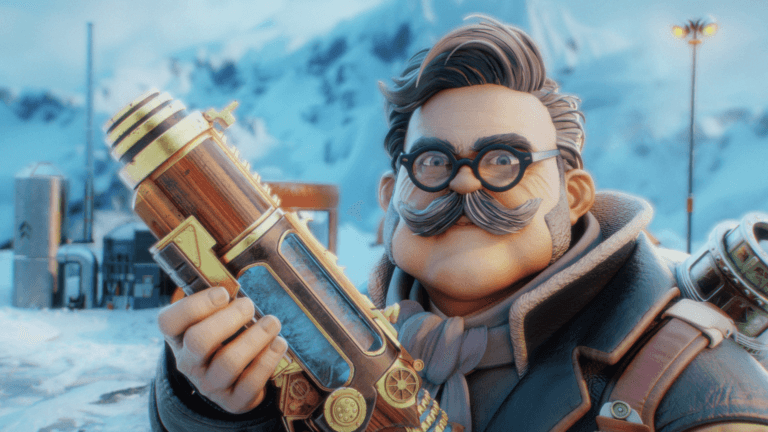
Adult sitcom cartoons use simple and repeatable character designs to support dialogue, social commentary, and comedic modern storytelling.
- Visual Characteristics: Simplified anatomy, reusable poses, clear facial expressions, limited movement, and familiar domestic settings.
- Color Palette: Flat, consistent, and generally moderate colors.
- Mood: Comedic, satirical, conversational, and sometimes provocative.
- Examples: The Simpsons, Family Guy, Bob’s Burgers, King of the Hill, and South Park.
40. Web Cartoon Style
Web cartoons are designed for digital platforms, short-form content, independent productions, and social media distribution.
- Visual Characteristics: Simplified characters, efficient animation, reusable assets, bold expressions, and screen-friendly compositions.
- Color Palette: Bright digital colors, limited brand palettes, or creator-specific combinations.
- Mood: Fast, humorous, relatable, experimental, and internet-focused.
- Examples: YouTube animation ideas, webcomics, animated social posts, short-form cartoons, and independent online animation.
Best Cartoon Styles for AI Image Generation
Many of the cartoon styles in this list can also be recreated or explored with AI image generators. However, some styles are easier to describe consistently because they have clear visual characteristics such as defined linework, proportions, shading, and color palettes.
Here are some of the most useful cartoon styles for AI animation services:
| Cartoon Style | Useful AI Prompt Characteristics |
|---|---|
| Anime | Clean linework, expressive eyes, cel shading, stylized proportions |
| Chibi | Oversized head, small body, simple shapes, cute expressions |
| Comic Book | Bold outlines, dramatic shadows, halftone textures, dynamic poses |
| 3D Cartoon | Rounded forms, soft materials, expressive characters, cinematic lighting |
| Flat Vector | Simple geometric shapes, solid colors, minimal shading, clean outlines |
| Retro Cartoon | Limited color palette, vintage linework, grain, mid-century shapes |
| Watercolor Cartoon | Soft edges, visible brush texture, light washes, illustrated appearance |
| Minimalist Cartoon | Simple silhouettes, limited details, clean shapes, restrained colors |
| Pixel Art | Low-resolution pixel shapes, limited palette, game-inspired design |
| Clay-Like Cartoon | Rounded handmade forms, tactile surfaces, miniature-set appearance |
How to Describe a Cartoon Style to AI
Instead of relying only on the name of a style, describe its visual characteristics. A useful prompt can specify:
- Character proportions
- Line thickness and line quality
- Color palette
- Shading method
- Material or texture
- Lighting
- Background complexity
- Camera and composition
- Mood
For example, instead of simply prompting “3D cartoon character,” a more useful description would be:
Stylized 3D cartoon character with rounded proportions, large expressive eyes, soft materials, simple shapes, clean textures, warm cinematic lighting, and a colorful minimal environment.
This gives the model more information about the visual language you actually want.
Pixune Studio Insights: Production Challenges Behind Different Cartoon Styles
At Pixune, our artists know that choosing a cartoon style affects not only the visual direction but also the production process. Each style requires different approaches to design, animation, backgrounds, and asset creation.
Simple cartoon styles are easier to produce and maintain but require strong shapes, colors, and visual decisions to create a memorable identity.
Detailed cartoon styles offer richer visuals but require more time for design consistency, asset creation, and animation.
Example: Balancing Visual Style and Production Requirements
For example, in one of Pixune’s projects, Homa Games Animated TikTok Dancing Videos, our team developed a stylized cartoon visual approach that focused on creating memorable designs while keeping the animation workflow efficient. The style was carefully planned to maintain consistency across characters, environments, and animated sequences.
During production, our artists considered factors such as character readability, scene complexity, and animation requirements to ensure the final style worked effectively throughout the project. This approach allowed us to create a unique cartoon identity while maintaining a practical production pipeline.
Conclusion
Animation continues to expand as one of the most versatile and expressive creative mediums. The 40 types of cartoon styles covered in this guide demonstrate how animation can range from handcrafted and tactile to highly technical and immersive, each offering unique strengths and creative possibilities. No single style is “better” than another; the true value lies in choosing the approach that best supports the story, message, and audience.
As technology advances and artistic boundaries continue to blur, new hybrid styles will emerge, building upon these foundations. Whether you are developing a brand animation, producing a short film, designing a game, or experimenting with personal projects, understanding these animation styles gives you a strong visual vocabulary to work with. By mastering the language of animation, you gain the freedom to communicate ideas more clearly, creatively, and memorably.


![1405,02,10 SnpLE[Cover HD] 1](https://pixune.com/wp-content/uploads/2026/08/14050210-SnpLECover-HD-1-768x431.jpg)