
The term “5D animation” is often misunderstood. Unlike 2D animation, 3D animation, or even 2.5D animation, 5D animation is not a specific production technique. Instead, it refers to an immersive entertainment experience that combines animated or filmed content with physical effects and audience interaction.
In a traditional movie theater, viewers only experience visuals and sound. A 5D attraction goes much further by incorporating motion seats, wind, water sprays, vibrations, lighting effects, scents, and even interactive gameplay elements. These additions make audiences feel as if they are part of the story rather than simply watching it.
Today, 5D experiences are widely used in theme parks, museums, entertainment centers, educational attractions, and simulation rides. By combining animation, technology, and sensory stimulation, they create a more engaging form of storytelling that continues to grow in popularity.
What Is 5D Animation?
5D animation refers to animated or filmed content that is presented through a multi-sensory system designed to create immersion. While the visuals are often created using standard 3D animation techniques, the final experience includes additional physical and environmental effects that engage more of the audience’s senses.
The “fifth dimension” does not represent an actual visual dimension. Instead, it refers to sensory enhancements beyond traditional sight and hearing.
Motion-Based Effects
Many 5D attractions use motion platforms or moving seats synchronized with the action on screen. When a vehicle accelerates, crashes, or drops, audiences physically feel those movements through their seats.
Environmental Effects
Wind machines, water sprayers, fog generators, smoke systems, scent dispensers, and lighting effects work together to create a more believable environment.
Interactive Experiences
Some advanced 5D attractions include interactive elements that allow visitors to influence outcomes, shoot targets, earn scores, or trigger events during the experience.
What Makes Something “5D”?
Many people assume that any attraction featuring 3D visuals automatically qualifies as a 5D experience. In reality, several technologies must work together to create a true 5D attraction. If one or more of these elements are missing, the experience is usually considered 3D or 4D instead.
A genuine 5D experience combines visual immersion, physical effects, environmental stimulation, and audience participation into a single synchronized system.
| Element | 3D Animation | 4D Experience | 5D Animation |
|---|---|---|---|
| Depth visuals | ✓ | ✓ | ✓ |
| Motion seats | ✗ | ✓ | ✓ |
| Environmental effects | ✗ | ✓ | ✓ |
| Smell / Temperature | ✗ | Sometimes | ✓ |
| Audience interaction | ✗ | ✗ | ✓ |
| Typical duration | 90+ minutes | 10–20 minutes | 5–15 minutes |
High-Quality 3D Visuals
The foundation of every 5D attraction is high-quality 3D content. Most systems rely on stereoscopic projection, which displays slightly different images to each eye to create the illusion of depth.
Without convincing visuals, the rest of the experience loses much of its impact.
Perfectly Synchronized Effects
The second requirement is the integration of physical effects that match what is happening on screen. If a character enters a storm, audiences may feel wind and water. If an explosion occurs, the seats may vibrate while lights flash around the theater.
Advanced systems can even release scents that correspond to specific scenes, such as flowers, forests, or baked goods.
Audience Participation
The feature that most clearly separates 5D from traditional 4D attractions is interactivity. Instead of simply watching, guests can participate through controllers, sensors, or other input devices.
For example, a zombie-themed attraction may allow visitors to shoot targets and compete for high scores while their seats react to nearby enemies.
How Does 5D Animation Work?
A successful 5D attraction relies on multiple technologies working together seamlessly. Every movement, effect, and interaction must be synchronized with the visual content.
Visual Content
The visual portion is typically created using 3D animation services, CGI, or live-action footage. Many attractions prefer animated content because it allows complete control over environments, characters, and camera movement.
Motion Simulation
Motion systems are programmed to mirror the events occurring on screen. If a roller coaster dives, audiences experience a similar sensation through the movement of their seats.
Environmental Systems
Wind, water, fog, lighting, scent, and vibration systems are activated at specific moments to strengthen immersion.
Control Software
Specialized 3D animation software coordinates all effects to ensure that visuals, sound, movement, and environmental cues occur at exactly the right time.
Difference Between 3D, 4D, and 5D Animation
The terms 3D, 4D, and 5D are often used interchangeably, but they describe different levels of immersion.
3D Animation
3D animation focuses on creating depth through computer-generated models and stereoscopic viewing technology. The audience experiences visual immersion but no physical interaction.
4D Experiences
4D attractions add physical effects such as moving seats, vibrations, and environmental stimulation to enhance the viewing experience.
5D Experiences
5D attractions build upon 4D technology by introducing interactive elements that allow audiences to participate in the experience rather than simply observe it.
5D Animation vs 5D Cinema
Although the terms are closely related, 5D animation and 5D cinema describe different parts of the experience.
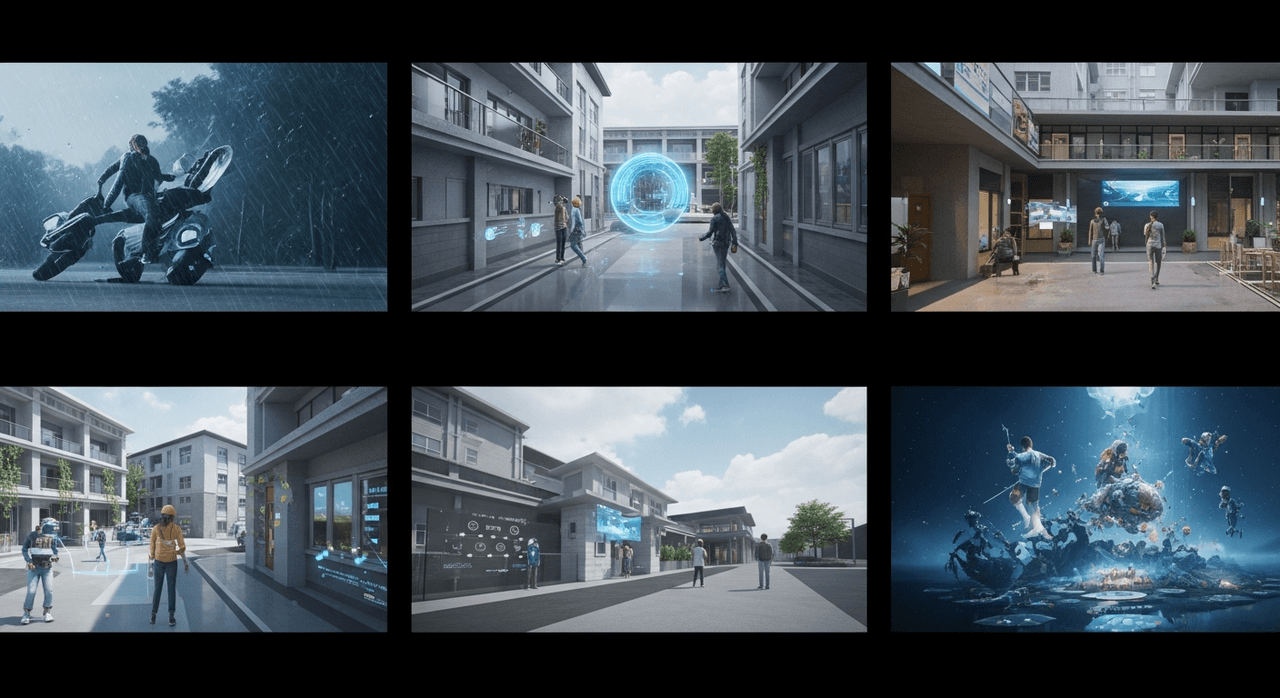
5D animation refers to the creation of the content itself, while 5D cinema refers to the technology and venue used to present that content to audiences.
What Is 5D Animation?
5D animation involves creating interactive content using animation and game development tools. Artists design characters, environments, visual effects, interactions, and story sequences that drive the experience.
What Is 5D Cinema?
5D cinema refers to the physical setup that delivers the experience. This includes motion seats, projection systems, water sprayers, scent machines, lighting rigs, and environmental hardware.
| Aspect | 5D Animation | 5D Cinema |
|---|---|---|
| Main Focus | Creating the experience | Delivering the experience |
| Tools Used | Unreal Engine, Unity, Maya, Blender | Motion seats, scent machines, projectors |
| Created By | Animation studios and developers | Theme parks and venue operators |
| Output | Interactive content | Immersive presentation |
Where Is 5D Animation Used?
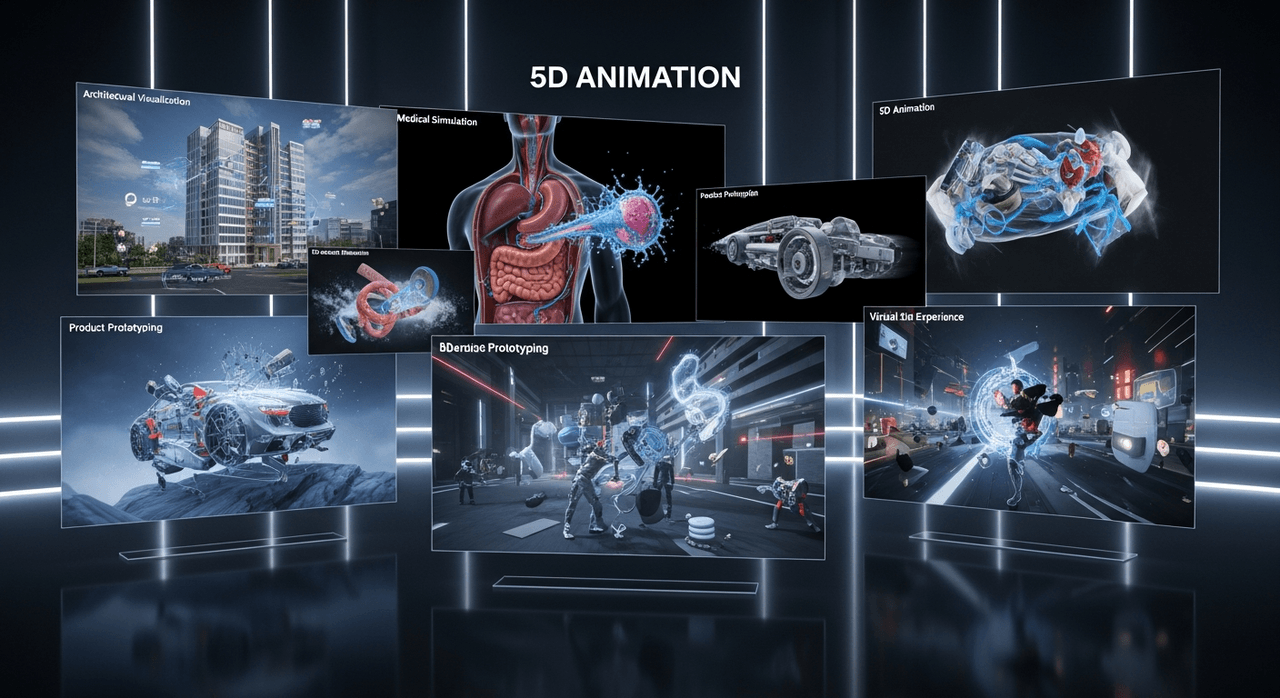
5D attractions are used across multiple industries because they offer a level of engagement that traditional media cannot match.
Theme Parks
Theme parks use 5D technology to create simulator rides, flying theaters, and immersive attractions that combine storytelling with physical sensations.
Museums
Museums often use 5D experiences to bring history, science, and culture to life through interactive storytelling.
Educational Attractions
Science centers and educational facilities use immersive experiences to make complex topics easier to understand and remember.
Family Entertainment Centers
Many entertainment venues offer short 5D films and interactive animations designed for visitors of all ages.
Types of Content Used in 5D Experiences
Not every type of story benefits equally from 5D technology. Certain genres naturally work better because they create opportunities for motion, effects, and interaction.
Animated Adventure Films
Adventure stories are among the most popular 5D attractions because they often involve action sequences, exploration, and dramatic environments.
Fantasy and Science Fiction
These genres allow creators to build visually spectacular worlds that fully utilize the capabilities of immersive technology.
Educational Content
Educational experiences use animation and simulation to teach scientific concepts, historical events, and natural phenomena.
Interactive Simulations
Flight simulators, driving simulators, and virtual tourism attractions are common examples of simulation-based 5D experiences.
How Do VR, AR, and MR Fit Into 5D?
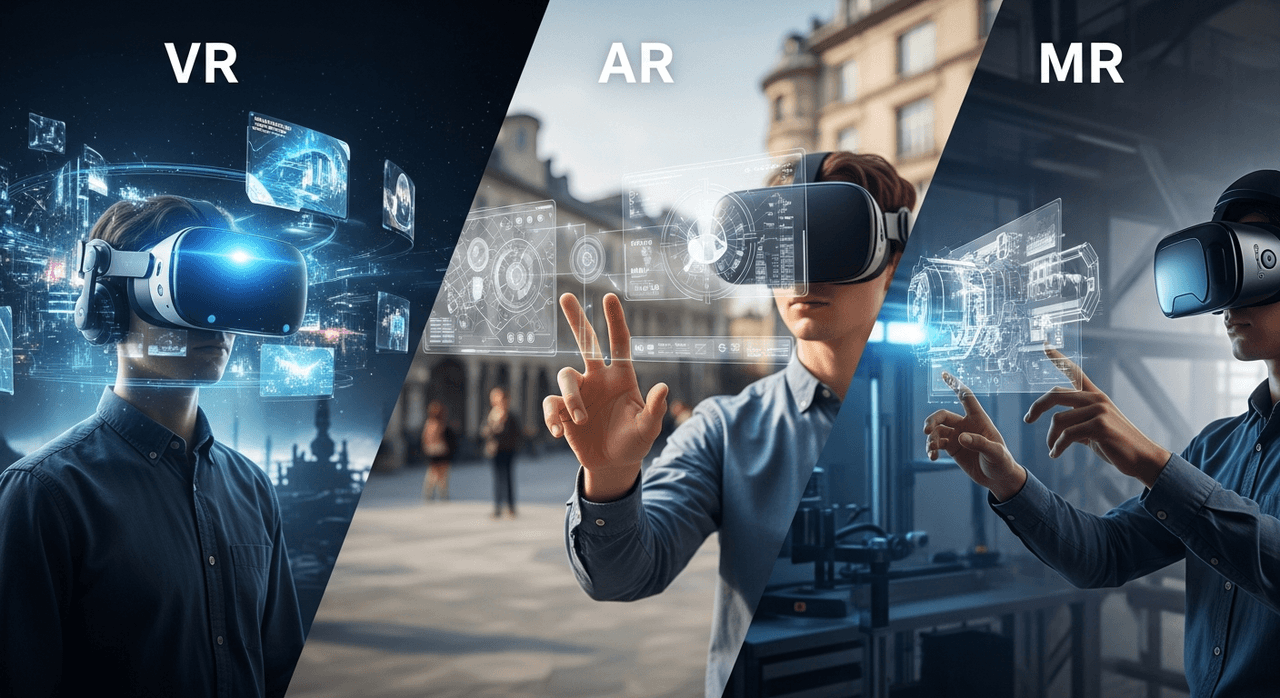
As immersive technology evolves, the lines between 5D attractions, virtual reality, augmented reality, and mixed reality continue to blur.
Virtual Reality (VR)
Virtual reality completely replaces the user’s surroundings with a digital environment viewed through a headset. Some modern attractions combine VR headsets with motion platforms and environmental effects to create hybrid experiences.
Augmented Reality (AR)
Augmented reality overlays digital content onto the real world using smartphones, tablets, or specialized glasses. While immersive, AR generally focuses on enhancing reality rather than replacing it.
Read More: AR and VR in Animation
Mixed Reality (MR)
Mixed reality combines aspects of both VR and AR, allowing digital objects to interact with physical environments in real time.
The Future of Immersive Entertainment
Future attractions will likely combine elements of 5D, VR, AR, and MR into unified experiences that offer even deeper levels of interaction and immersion.
How 5D Animation Is Created
Producing a 5D attraction requires expertise in animation, game development, engineering, and simulation technology.
Story Development
The production process begins with creating a story specifically designed for immersive experiences. Writers and directors consider how physical effects can support the narrative.
Concept Art and Visual Development
Concept artists establish the visual style of characters, environments, props, and effects before production begins.
3D Animation Production
3D animators create the visual content using standard CGI workflows. Camera movement and action sequences are carefully designed to maximize immersion.
Motion Programming
Engineers create motion profiles that control how seats and platforms move throughout the experience.
Effects Integration
Environmental systems are programmed to synchronize with the visuals, ensuring that wind, water, lighting, and other effects occur at the right moments.
Testing and Optimization
Extensive testing is required to ensure comfort, safety, and proper synchronization across all systems.
5D Animation Software
Creating 5D experiences requires many of the same 3D game engines and tools used in animation, visual effects, and game development.
Unreal Engine
Unreal Engine is one of the most popular platforms for creating real-time interactive experiences and simulation attractions.
Unity
Unity is widely used for educational experiences, interactive attractions, and location-based entertainment projects.
Read More: Unity vs Unreal Engine
Autodesk Maya
Maya remains an industry-standard tool for modeling, rigging, and animation.
Blender
Blender provides an affordable solution for modeling, animation, rendering, and visual development.
Read More: Maya vs Blender
Houdini
Houdini is frequently used for simulations such as destruction, explosions, smoke, fire, and procedural effects.
Substance Painter
Substance Painter allows artists to create highly detailed textures and realistic materials for characters and environments.
Benefits of 5D Animation
The growing popularity of 5D attractions is driven by several advantages over traditional entertainment formats.
Increased Immersion
By engaging multiple senses simultaneously, audiences feel more connected to the story and environment.
Higher Audience Engagement
Interactive experiences encourage participation and create stronger emotional connections.
Better Learning Experiences
Educational attractions often achieve higher information retention rates because visitors actively participate in the experience.
Unique Entertainment Value
5D attractions provide experiences that cannot be fully replicated through traditional cinema or home entertainment systems.
Challenges of Producing 5D Animation
Despite its advantages, 5D production presents several technical and creative challenges.
High Production Costs
Creating both the visual content and physical infrastructure requires significant investment.
Technical Complexity
Multiple technologies must function together flawlessly to create a convincing experience.
Synchronization Challenges
Even small timing errors between visuals and physical effects can break immersion.
Equipment Maintenance
Motion platforms, projectors, and environmental systems require regular maintenance and calibration.
Conclusion
5D animation is not a standalone animation style but rather an immersive entertainment format that combines animated or filmed content with synchronized physical effects and audience interaction. Through motion simulation, environmental stimulation, and real-time participation, 5D experiences create a level of engagement that traditional cinema cannot match.
As technologies such as VR, AR, MR, and real-time rendering continue to evolve, the future of 5D entertainment looks increasingly immersive. Whether used for theme park attractions, educational experiences, or interactive simulations, 5D animation demonstrates how storytelling and technology can work together to create unforgettable experiences.


![1405,02,10 SnpLE[Cover HD] 1](https://pixune.com/wp-content/uploads/2026/08/14050210-SnpLECover-HD-1-768x431.jpg)