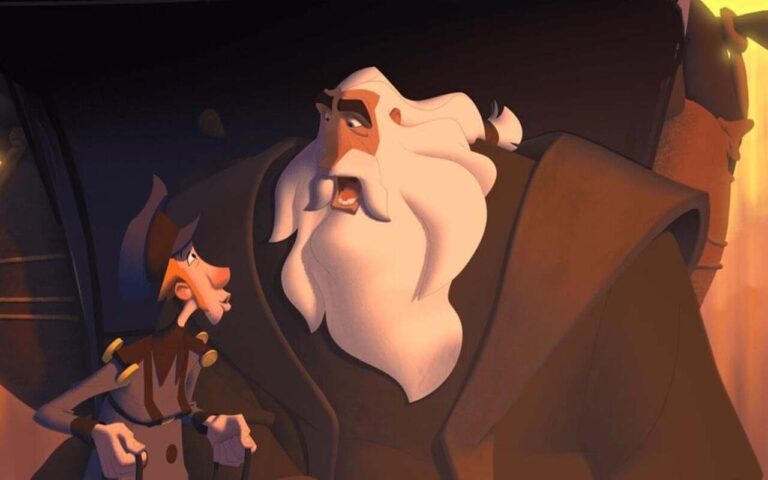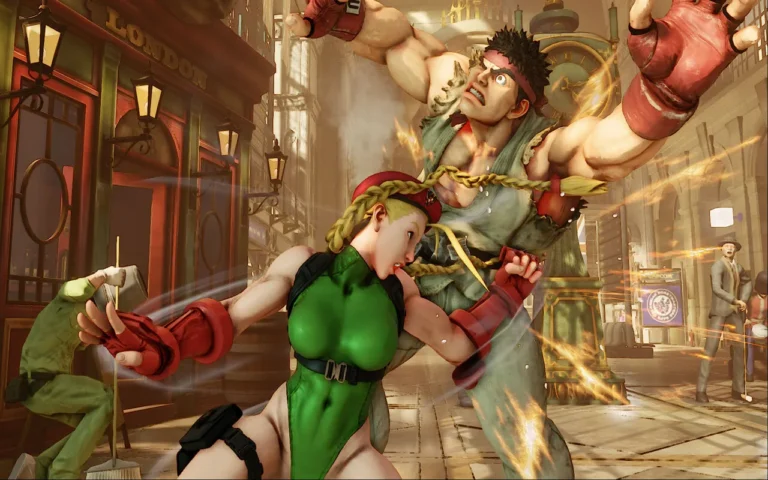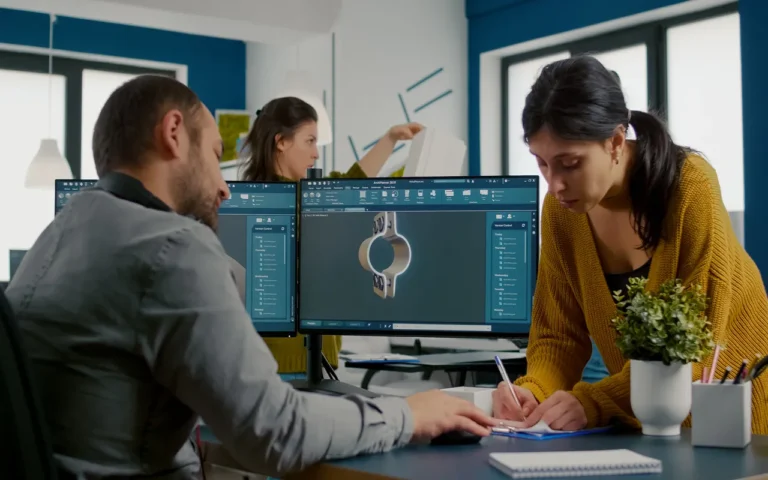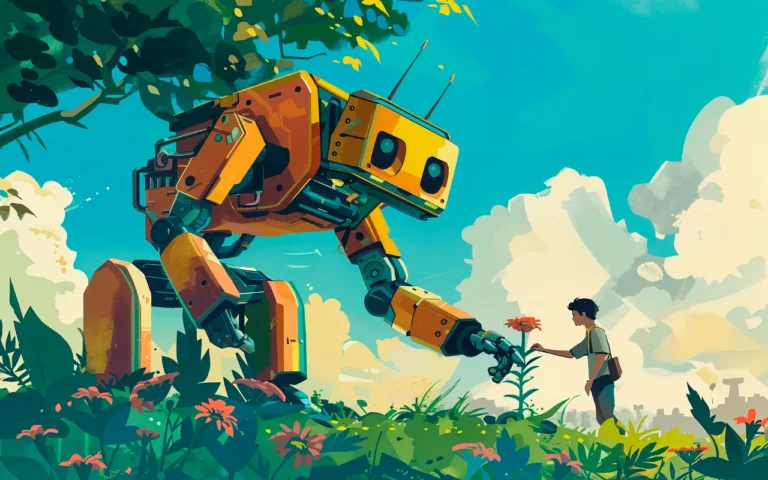

Animation is far more than just moving images, it is a vast creative language with its own techniques, aesthetics, and emotional impact. From the earliest hand-drawn experiments to immersive virtual reality experiences, animation styles have evolved alongside technology, culture, and storytelling itself. Each style carries its own visual identity, production method, and purpose, shaping how stories are told and how audiences connect with them.
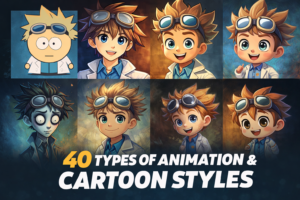
In this guide, we explore 40 different types of cartoon styles, covering traditional, experimental, digital, and hybrid approaches. Whether you are a designer, lead animator, animation director, filmmaker, marketer, or simply curious about the art of animation, this list provides a clear, structured overview of the most important styles used across film, television, games, advertising, and interactive media today. Understanding these cartoon styles not only helps in choosing the right visual direction for a project, but also deepens appreciation for the craft behind animated storytelling.
Here is the list:
- Traditional Hand-Drawn Animation
- Stop-Motion Animation
- Claymation
- Cutout Animation
- Paper Cutout Animation
- Flipbook Animation
- Rotoscope Animation
- Erasure Animation
- Sand Animation
- Paint-on-Glass Animation
- Drawn-on-Film Animation
- Zoetrope Animation
- Pinscreen Animation
- Puppetry Animation
- Mechanical / Animatronics Animation
- Experimental Animation
- Abstract Animation
- Minimalist Animation
- Scribble / Doodle Animation
- Whiteboard Animation
- Motion Graphics Animation
- Typography (Kinetic Type) Animation
- HUD / UI Animation
- Plexus Animation
- Motion Capture Animation
- Computer Animation (CGI)
- 3D Cartoon Animation
- Low-Poly Animation
- Augmented Reality Animation
- Virtual Reality Animation
- Anime Style
- Japanese Classic Manga Style
- Chibi Style
- Super Deformed (SD) Style
- Realistic Cartoon Style
- Cartoon Exaggeration Style
- Oil Painting Animation
- Painterly Digital Animation
- South Park–Style Cutout Animation
- Tim Burton–Inspired Gothic Cartoon Style
1- Traditional Hand-Drawn Animation
One of the earliest animation styles is hand-drawn animation, created by drawing each frame by hand on paper or cels.
- Visual Characteristics: Fluid motion, expressive characters, visible line work.
- Color Palette: Hand-painted or flat colors depending on era.
- Mood: Timeless, expressive, and artistic.
Example: Classic animated films and early theatrical cartoons.
Read More: What Do Traditional and Digital Animation Have in Common?
2- Stop-Motion Animation
Stop motion animation is a physical animation technique where the stop motion artist moves real objects frame by frame.
- Visual Characteristics: Tangible textures, slight jitter, handcrafted feel.
- Color Palette: Natural or stylized, depending on materials used.
- Mood: Whimsical and tactile.
Example: Animated films using puppets or objects photographed frame by frame.
3- Claymation
Claymation is a subtype of stop-motion animation using clay or plasticine characters.
- Visual Characteristics: Soft shapes, fingerprint textures, squashable forms.
- Color Palette: Earthy or vibrant depending on design.
- Mood: Playful and quirky.
Example: Stop-motion films made with clay characters.
4- Cutout Animation
Cutout animators create the characters and elements from flat pieces and animated in layers.
- Visual Characteristics: Flat shapes, limited movement, joint-based motion.
- Color Palette: Bold and simple.
- Mood: Humorous and stylized.
Example: Paper-based or digital cutout animations.
5- Paper Cutout Animation
Paper cutout animation is a physical version of cutout animation using real paper elements.
- Visual Characteristics: Visible layers, shadows, paper textures.
- Color Palette: Matte and handcrafted.
- Mood: Charming and handmade.
Example: Educational or artistic short animations.
6- Flipbook Animation
An early animation form created by rapidly flipping sequential drawings is flipbook animation.
- Visual Characteristics: Simple drawings, motion jumps.
- Color Palette: Usually monochrome.
- Mood: Nostalgic and playful.
Example: Hand-drawn flipbooks.
7- Rotoscope Animation
Rotoscope animation is an animation created by tracing over live-action footage.
- Visual Characteristics: Realistic movement, stylized outlines.
- Color Palette: Depends on artistic direction.
- Mood: Realistic yet artistic.
Example: Stylized animated films based on live-action reference.
8- Erasure Animation
Erasure animation is a type of cartoon style and a technique where a single drawing is repeatedly erased and redrawn.
- Visual Characteristics: Smudges, evolving images, visible transitions.
- Color Palette: Usually monochrome.
- Mood: Experimental and raw.
Example: Short experimental animation pieces.
9- Sand Animation
Sand animation is made by manipulating sand on a surface.
- Visual Characteristics: Grainy textures, flowing shapes.
- Color Palette: Monochrome or earth tones.
- Mood: Poetic and atmospheric.
Example: Live sand animation performances.
10- Paint-on-Glass Animation
When each frame is painted on glass and modified gradually, it is called paint-on-glass animation.
- Visual Characteristics: Soft transitions, painterly motion.
- Color Palette: Rich and blended.
- Mood: Dreamlike and emotional.
Example: Art-house animated films.
11- Drawn-on-Film Animation
In drawn-on-film animation, images are drawn or scratched directly onto film stock.
- Visual Characteristics: Abstract shapes, raw visuals.
- Color Palette: High contrast.
- Mood: Experimental and intense.
Example: Avant-garde animation works.
12- Zoetrope Animation
Zoetrope animation is an early animation technique using spinning image sequences.
- Visual Characteristics: Looping motion, repeated frames.
- Color Palette: Simple and graphic.
- Mood: Mechanical and mesmerizing.
Example: Pre-cinema animation devices.
13- Pinscreen Animation
In pinscreen animation, images are formed by pushing pins in and out of a screen.
- Visual Characteristics: Soft shadows, grayscale imagery.
- Color Palette: Black, white, and gray.
- Mood: Surreal and atmospheric.
Example: Experimental animation films.
14- Puppetry Animation
Puppetry animation is created using puppets manipulated frame by frame or live.
- Visual Characteristics: Fabric textures, physical joints.
- Color Palette: Material-based.
- Mood: Theatrical and tactile.
Example: Puppet-based animated shows.
Read More: What is Frame-by-Frame Animation?
15- Mechanical / Animatronics Animation
Mechanical animation focuses on machines and mechanical movement.
- Visual Characteristics: Rigid motion, gears, pistons.
- Color Palette: Metallic and industrial.
- Mood: Technical and precise.
Example: Engineering visualizations and sci-fi animation.
16- Experimental Animation
Experimental animation is a broad category that breaks traditional animation rules.
- Visual Characteristics: Non-standard forms and motion.
- Color Palette: Varies widely.
- Mood: Artistic and unconventional.
Example: Independent animation projects.
17- Abstract Animation
Abstract animation uses shapes and motion instead of characters.
- Visual Characteristics: Geometric or organic shapes.
- Color Palette: Experimental.
- Mood: Conceptual and emotional.
Example: Music visualizations.
18- Minimalist Animation
Minimalist animation focuses on simplicity and clarity.
- Visual Characteristics: Clean lines, minimal detail.
- Color Palette: Limited and neutral.
- Mood: Calm and modern.
Example: UI animations and branding videos.
19- Scribble / Doodle Animation
Doodle animation looks hand-drawn and spontaneous.
- Visual Characteristics: Rough lines, sketchy motion.
- Color Palette: Limited.
- Mood: Energetic and playful.
Example: Explainer videos and shorts.
20- Whiteboard Animation
In whiteboard animation, drawings appear as if created live on a whiteboard, and this is one type of 2D animation.
- Visual Characteristics: Line art, hand-drawn motion.
- Color Palette: Black and white with accents.
- Mood: Educational and friendly.
Example: Educational explainer videos.
21- Motion Graphics Animation
Motion graphic animation is a design-driven animation using shapes and typography.
- Visual Characteristics: Smooth transitions, graphic elements.
- Color Palette: Brand-focused.
- Mood: Professional and modern.
Example: Commercials, explainer videos, and crypto branding.
22- Typography (Kinetic Type) Animation
Typography animation is where text is the main visual element.
- Visual Characteristics: Moving letters, dynamic layouts.
- Color Palette: High contrast.
- Mood: Expressive and informative.
Example: Title sequences and lyric videos.
23- HUD / UI Animation
HUD/UI animation is inspired by digital interfaces and dashboards.
- Visual Characteristics: Lines, grids, data elements.
- Color Palette: Neon or tech-inspired.
- Mood: Futuristic and analytical.
Example: Sci-fi interfaces and tech videos.
24- Plexus Animation
Plexus animation uses connected points and lines to form networks.
- Visual Characteristics: Particle systems, connections.
- Color Palette: Dark backgrounds with glowing accents.
- Mood: Futuristic and abstract.
Example: Technology brand visuals.
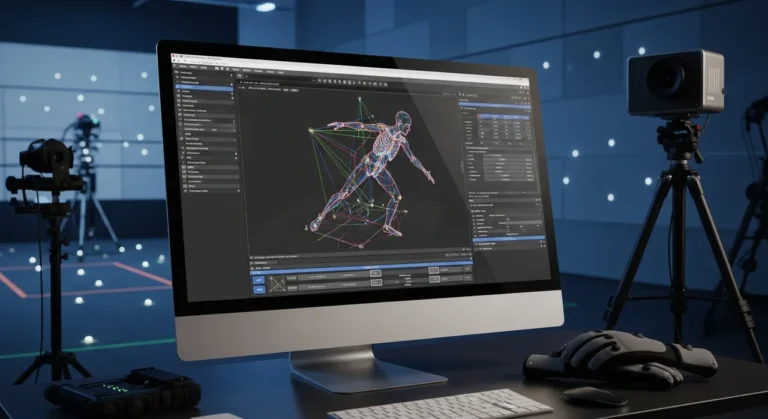
25- Motion Capture Animation
Real human motion is recorded and applied to digital characters in motion capture animation.
- Visual Characteristics: Natural movement, realistic timing.
- Color Palette: Depends on rendering style.
- Mood: Immersive and lifelike.
Example: Games and cinematic animations.
26- Computer Animation (CGI)
CGI is an animation created entirely using computers.
- Visual Characteristics: 3D models, digital lighting.
- Color Palette: Flexible and controllable.
- Mood: Varies widely.
Example: Films, games, and 3D animated ads.
Read More: CGI vs. 3D Animation
27- 3D Cartoon Animation
This type of cartoon style is a stylized 3D animation with exaggerated characters.
- Visual Characteristics: Rounded forms, expressive faces.
- Color Palette: Vibrant and cinematic.
- Mood: Fun and emotional.
Example: Family-friendly and kids’ animations.
28- Low-Poly Animation
Low-poly animarion uses simplified geometry for stylized visuals.
- Visual Characteristics: Faceted shapes, minimal detail.
- Color Palette: Flat and bold.
- Mood: Playful and modern.
Example: Indie game art services and motion graphics.
Read More: High-Poly vs. Low-Poly Modeling
29- Augmented Reality Animation
Augmented reality animation is a Digital animation layered onto the real world.
- Visual Characteristics: Real-time interaction.
- Color Palette: Depends on environment.
- Mood: Immersive and innovative.
Example: AR apps and filters.
30- Virtual Reality Animation
Virtual reality animation is designed for immersive 3D environments.
- Visual Characteristics: 360-degree visuals, spatial depth.
- Color Palette: Environment-based.
- Mood: Immersive and experiential.
Example: VR experiences and simulations.
Read More: AR and VR in Animation
31- Anime Style
Anime is a Japanese animation style known for expressive visuals and storytelling.
- Visual Characteristics: Large eyes, stylized anatomy.
- Color Palette: Vibrant and varied.
- Mood: Ranges from playful to dramatic.
Example: Action, fantasy, and slice-of-life series.
Read More: Anime Style Animation Services
32- Japanese Classic Manga Style
Japanese classic manga style is based on traditional manga illustration techniques.
- Visual Characteristics: Strong line work, speed lines.
- Color Palette: Mostly black and white.
- Mood: Dramatic and expressive.
Example: Printed manga comics.
33- Chibi Style
Chibi style is a cute, exaggerated anime style.
- Visual Characteristics: Large heads, tiny bodies.
- Color Palette: Bright and pastel.
- Mood: Cute and humorous.
Example: Anime spin-offs and stickers.
Read More: Character Color Palette
34- Super Deformed (SD) Style
Super deformed (SD) style is an extreme exaggeration of proportions.
- Visual Characteristics: Oversized heads, tiny limbs.
- Color Palette: Vibrant.
- Mood: Comedic and lighthearted.
Example: Anime parody animations.
35- Realistic Cartoon Style
In this type of cartoon style, realistic anatomy and cartoon exaggeration are combined.
- Visual Characteristics: Semi-realistic proportions.
- Color Palette: Natural with stylized accents.
- Mood: Relatable and cinematic.
Example: Modern animation services.
36- Cartoon Exaggeration Style
Cartoon exaggeration style pushes expressions and motion beyond realism.
- Visual Characteristics: Extreme poses, squash and stretch.
- Color Palette: Bold.
- Mood: Energetic and comedic.
Example: Comedy-focused cartoons.
37- Oil Painting Animation
In oil painting animation, each animation frame resembles an oil painting.
- Visual Characteristics: Visible brush strokes.
- Color Palette: Rich and textured.
- Mood: Emotional and artistic.
Example: Painterly animated films.
38- Painterly Digital Animation
Painterly digital animation is a digitally painted animation with traditional art feel.
- Visual Characteristics: Soft shading, textured surfaces.
- Color Palette: Layered and atmospheric.
- Mood: Artistic and immersive.
Example: Cinematic animated shorts.
39- South Park–Style Cutout Animation
South Park style cutout animation is a deliberately crude digital cutout style.
- Visual Characteristics: Flat shapes, stiff motion.
- Color Palette: Bright and simple.
- Mood: Satirical and irreverent.
Example: Adult animated comedies.
40- Tim Burton–Inspired Gothic Cartoon Style
Tim Burton–inspired gothic cartoon Style is a dark, whimsical cartoon aesthetic.
- Visual Characteristics: Elongated shapes, sharp angles.
- Color Palette: Dark and muted.
- Mood: Gothic and whimsical.
Example: Stylized gothic animated films.
Conclusion
Animation continues to expand as one of the most versatile and expressive creative mediums. The 40 types of cartoon styles covered in this guide demonstrate how animation can range from handcrafted and tactile to highly technical and immersive, each offering unique strengths and creative possibilities. No single style is “better” than another; the true value lies in choosing the approach that best supports the story, message, and audience.
As technology advances and artistic boundaries continue to blur, new hybrid styles will emerge, building upon these foundations. Whether you are developing a brand animation, producing a short film, designing a game, or experimenting with personal projects, understanding these animation styles gives you a strong visual vocabulary to work with. By mastering the language of animation, you gain the freedom to communicate ideas more clearly, creatively, and memorably.