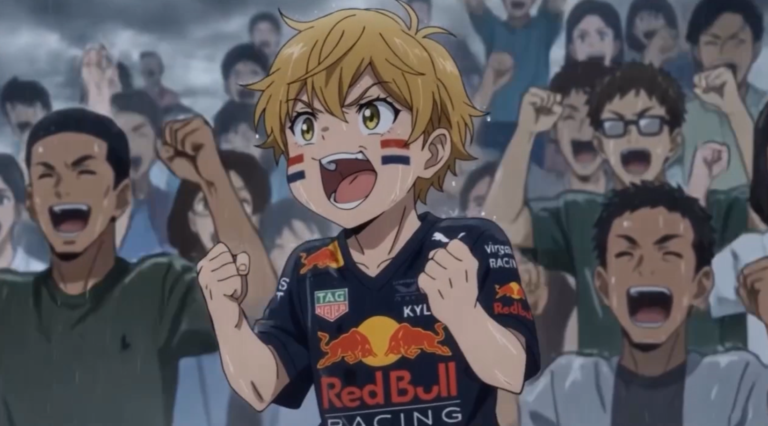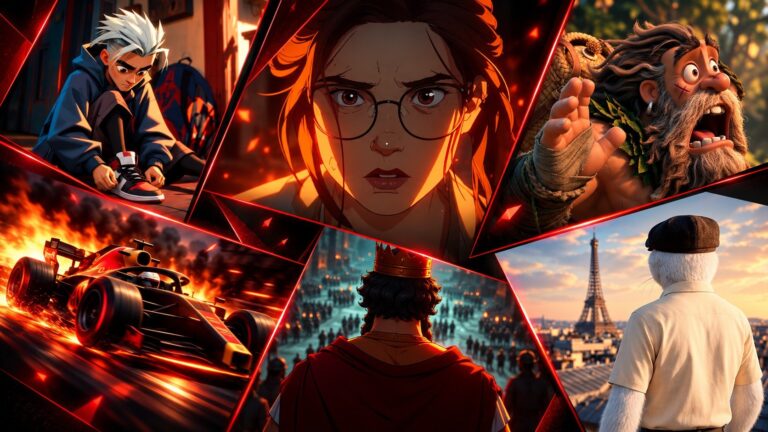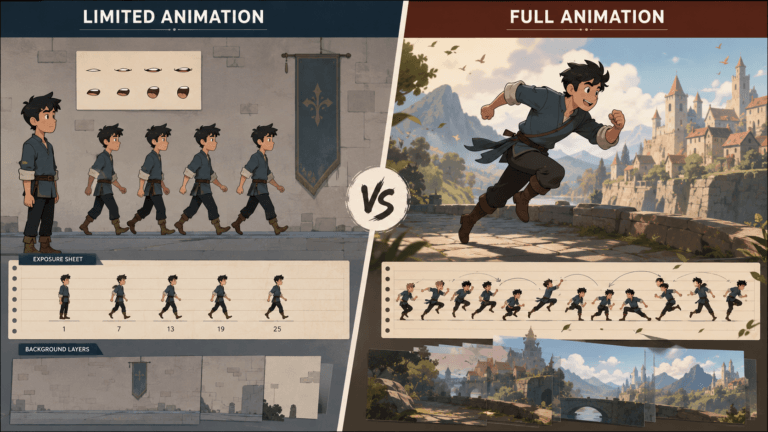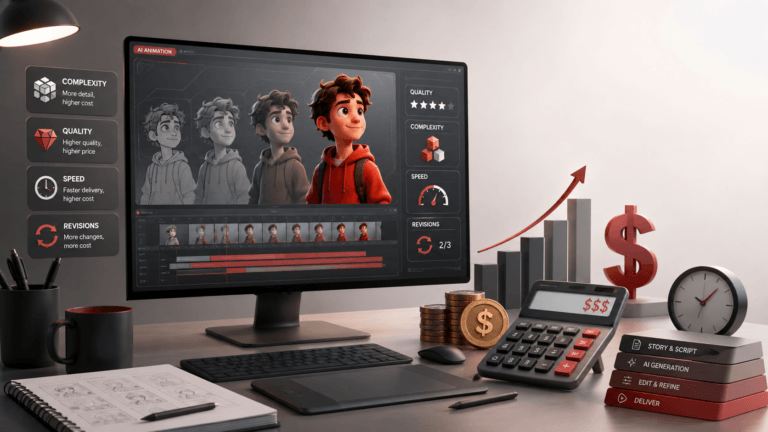

Artificial intelligence is changing the animation industry by introducing new tools that can assist with concept development, visual creation, motion generation, and production workflows. AI animation services allow creators and businesses to produce animated content faster and explore ideas that previously required significant time and resources.
However, AI animation also comes with limitations. While these tools can improve efficiency and support creative processes, they do not completely replace the artistic judgment, storytelling ability, and technical expertise required for professional animation production.
Understanding the advantages and disadvantages of AI animation services helps businesses decide when AI tools are suitable and when traditional animation workflows provide better results.
What Are AI Animation Services?
AI animation services use artificial intelligence technologies to assist in creating animated content. These services can generate images, animate characters, create visual effects, assist with story development, and automate certain production tasks.
Depending on the workflow, AI can be used as a complete production tool or as part of a larger animation pipeline where artists use AI to accelerate specific stages. AI can also improve or hurt animation quality.
Common applications of AI in animation include:
- Concept and visual development
- Character design assistance
- Background generation
- Motion generation
- Lip synchronization
- Video enhancement
- Style exploration
- Production automation
Advantages of AI Animation Services
AI in animation services provides several benefits for creators and businesses, especially when speed, experimentation, and production efficiency are important factors.
1. Faster Production Process
AI animation tools can significantly reduce the time required for certain stages of animation production. By automating repetitive tasks and assisting with content generation, creators can move from ideas to visual results faster.
2. Lower Production Costs
AI animation services can reduce the resources required for some projects by minimizing manual work and allowing smaller teams to produce animated content.
Read More: AI Animation Production Cost
3. Faster Concept Development
AI tools help artists and creative teams quickly explore ideas, generate references, and test different visual directions before starting full production.
4. Increased Creative Experimentation
AI allows creators to explore different animation styles, character concepts, environments, and visual approaches that may require more time through traditional methods.
5. Easier Production of Short-Form Content
AI animation is useful for advertising, social media videos, and other short-form content where speed and frequent updates are important.
6. Improved Workflow Efficiency
AI can assist with repetitive production tasks, allowing animators and designers to focus on more creative and technical decisions.
7. Accessibility for Small Teams and Independent Creators
AI animation tools lower the entry barrier for creators who may not have access to large production teams or expensive animation pipelines.
8. Rapid Prototyping and Testing
Businesses can use AI animation to create early versions of concepts, test ideas, and gather feedback before investing in a full production.
9. Easy Style Exploration
AI tools allow creators to experiment with different visual styles, color palettes, and artistic directions during the early stages of development.
Disadvantages of AI Animation Services
Although AI animation offers many opportunities, it also has limitations that should be considered before using it for professional projects.
1. Limited Creative Control
AI-generated animation can sometimes produce unexpected results that do not fully match the creator’s original vision.
2. Character Consistency Problems
Maintaining consistent characters across multiple scenes remains one of the biggest challenges in AI animation workflows.
3. Inconsistent Animation Quality
AI-generated motion may include unnatural movements, incorrect poses, or visual errors that require manual correction.
4. Limited Understanding of Storytelling
AI can generate visuals and motion, but it does not fully understand emotions, character acting, pacing, and narrative decisions like experienced animators, so AI can’t replace animators.
5. Difficulty Creating Unique Visual Styles
AI models often generate results based on existing patterns, which can make it harder to achieve a completely original artistic identity.
6. Challenges With Complex Character Animation
Advanced animation involving detailed acting, facial expressions, and realistic body mechanics still requires human expertise.
7. Lack of Human Artistic Direction
Professional animation depends on decisions from directors, animators, and designers who understand the project’s goals and audience.
8. Copyright and Ownership Concerns
AI-generated content raises questions about training data, licensing, and commercial ownership that businesses need to consider.
9. Limited Client Communication and Adaptation
AI tools follow prompts but may not fully understand client feedback, brand requirements, or complex creative instructions.
10. Post-Production Requirements
AI-generated animation often requires additional editing, cleanup, compositing, and refinement before reaching professional quality.
11. Dependency on AI Tools
Over-reliance on AI can limit the development of traditional artistic skills and reduce creative control over the final outcome.
When Should You Use AI Animation Services?
AI is transforming animation, they are useful for projects that require speed, experimentation, or a limited production scope.
They can be a good choice for:
- Social media animations
- Early concept development
- Simple promotional videos
- Visual experiments
- Content variations
The Future of AI Animation Services
AI will continue to influence the animation industry by improving automation, assisting artists, and creating new production possibilities.
Future AI art generator tools will likely become better at maintaining consistency, understanding creative direction, and integrating into professional animation pipelines.
However, storytelling, artistic vision, and creative decision-making will remain essential parts of animation production. The most effective workflows will likely combine AI technology with human creativity and expertise.
Final Thoughts
AI animation services provide significant advantages, including faster production, lower costs, and easier creative exploration. They offer valuable opportunities for businesses, marketers, and creators who need efficient ways to produce animated content.
At the same time, AI has limitations related to creative control, consistency, originality, and complex animation requirements.
The best approach is to understand where AI can improve the workflow and where professional animation expertise is still necessary. By combining technology with human creativity, creators can achieve more efficient and effective animation production.