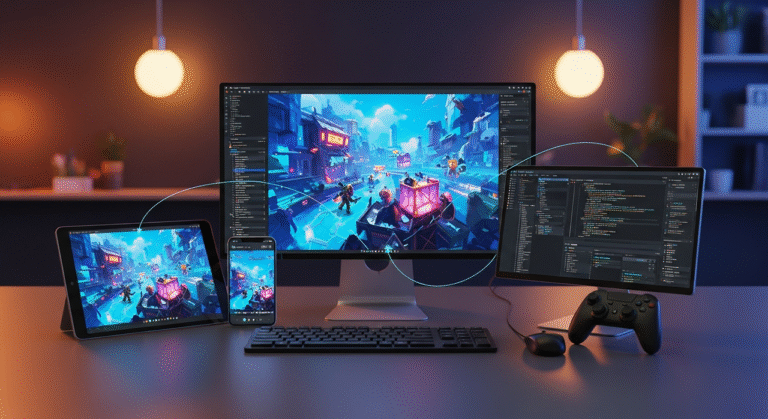

The gaming industry is evolving faster than ever, driven by technology, creative innovation, and changing player expectations. In 2026, trends such as mobile gaming, free-to-play, VR, cross-platform play, cloud gaming, indie games, esports, live services, and streaming are defining the way games are developed and experienced.
Understanding these trends helps developers, publishers, and players anticipate changes and plan accordingly.
1. Mobile Gaming
Mobile gaming and mobile game companies continue to dominate due to their unmatched accessibility, global reach, and the widespread availability of smartphones. With billions of users worldwide, mobile platforms allow players to engage with games anytime and anywhere, making gaming more inclusive than ever before.
Expansion of Mobile Platforms
Smartphones and tablets have become capable of running complex, graphically rich games. Mobile devices allow developers to reach millions of players worldwide, enabling social features, multiplayer gameplay, publishing casual games, and frequent content updates.
Mobile Game Monetization
Mobile games often rely on in-app purchases and microtransactions, which allow developers to monetize free-to-play titles while keeping games accessible. Read more about the evolution of mobile game ads.
Popular Mobile Games
Top mobile games such as Genshin Impact, PUBG Mobile, and Clash Royale illustrate how mobile platforms can support deep gameplay, competitive multiplayer, and large-scale events.

2. Free-to-Play (F2P) Models
The F2P model continues to grow as one of the most influential game monetization strategies, reshaping how games are distributed, played, and sustained over time. By lowering the barrier to entry, it attracts a wider audience while relying on ongoing player engagement and optional purchases to generate revenue.
Mechanics Behind Free-to-Play
Players can access games at no cost, while developers generate revenue through in-game purchases, battle passes, and cosmetic items. This model encourages long-term engagement and recurring spending.
Popular Free-to-Play Titles
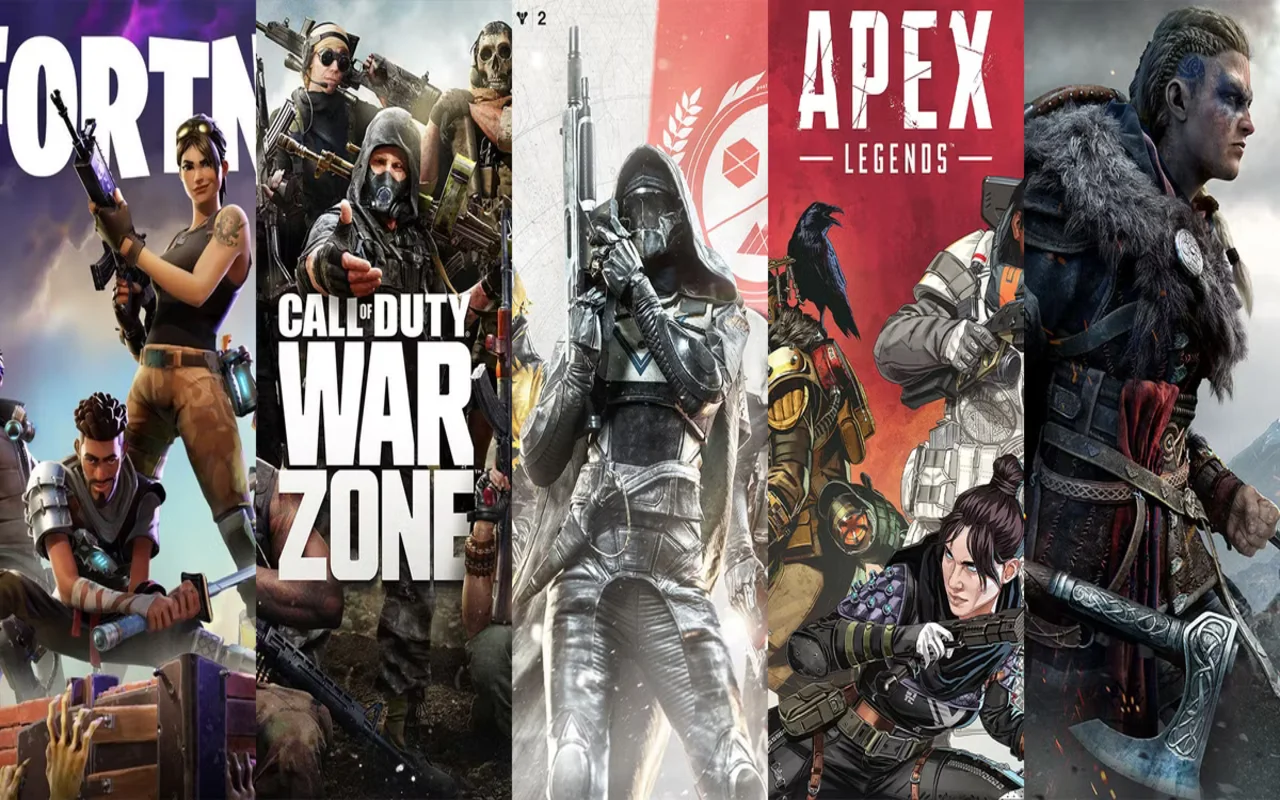
Fortnite, Apex Legends, and League of Legends demonstrate how free-to-play games can generate millions in revenue while maintaining a large active player base.
Challenges and Balance
Maintaining fairness while monetizing is critical. Developers must avoid “pay-to-win” mechanics to preserve player trust and engagement.
3. Virtual Reality (VR)
VR is transforming gaming by offering immersive, three-dimensional experiences that place players directly inside virtual worlds, allowing them to interact with environments and characters in ways that traditional gaming cannot replicate.
Immersion and Interaction
VR enables players to interact with game worlds using motion tracking and spatial awareness. VR game art allows for more realistic combat, exploration, and puzzle-solving experiences.
Notable VR Titles
Half-Life: Alyx, Beat Saber, and The Walking Dead: Saints & Sinners showcase how VR can create deeply engaging, immersive worlds.
Industry Impact
VR pushes developers to innovate in level design, movement mechanics, and environmental storytelling. It also expands markets for simulation, education, and interactive entertainment.

4. Cross-Platform Play
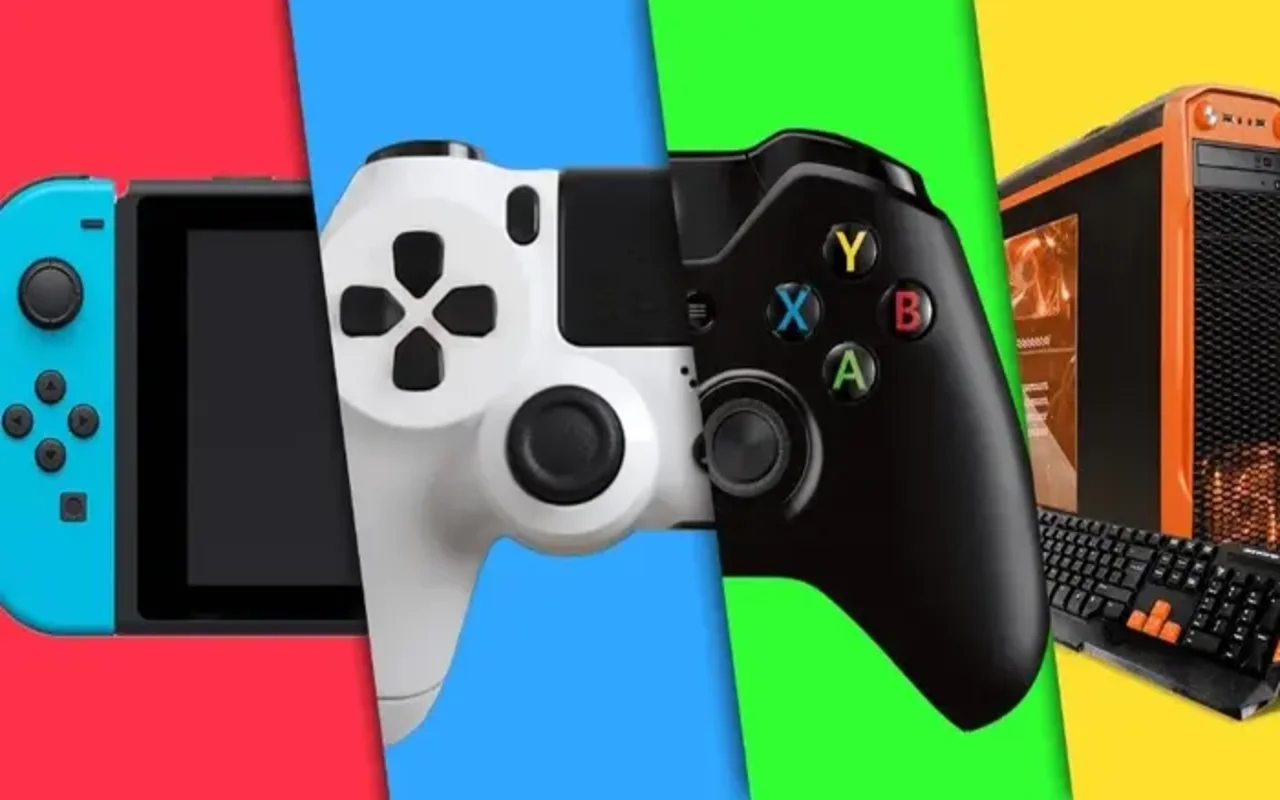
Cross-platform play removes barriers between devices, allowing players on PC, consoles, and mobile devices to interact in the same game world. This trend has become increasingly important as gaming communities grow more interconnected, enabling friends to play together regardless of their chosen platform. It also helps unify player bases, ensuring that games remain active and competitive by reducing fragmentation across different systems.
Benefits for Players
Cross-play enlarges player communities, reduces matchmaking wait times, and allows friends to play together across different devices.
Popular Cross-Platform Games
Titles like Minecraft, Call of Duty: Warzone, and Fortnite leverage cross-play to unify communities and increase engagement.
Challenges for Developers
Maintaining gameplay balance, performance parity, and feature consistency across platforms requires careful planning and optimization.
5. Cloud Gaming
Cloud gaming allows players to access high-quality titles without high-end hardware, making gaming more accessible to a broader audience. By streaming games directly from powerful remote servers, players can enjoy advanced graphics and performance on devices such as smartphones, tablets, and low-spec PCs without needing expensive consoles or gaming rigs.
How Cloud Gaming Works
Games are streamed from remote servers directly to a player’s device. Players can enjoy graphically intensive games on low-spec devices, from laptops to smartphones.
Key Platforms
Services like NVIDIA GeForce Now, Xbox Cloud Gaming, and PlayStation Now are leading the cloud gaming trend, expanding accessibility worldwide and also in the future of the gaming industry.
Industry Implications
Cloud gaming shifts focus from hardware to service-based engagement. It enables subscription models and larger game libraries while reducing hardware limitations for players.

6. Indie Games
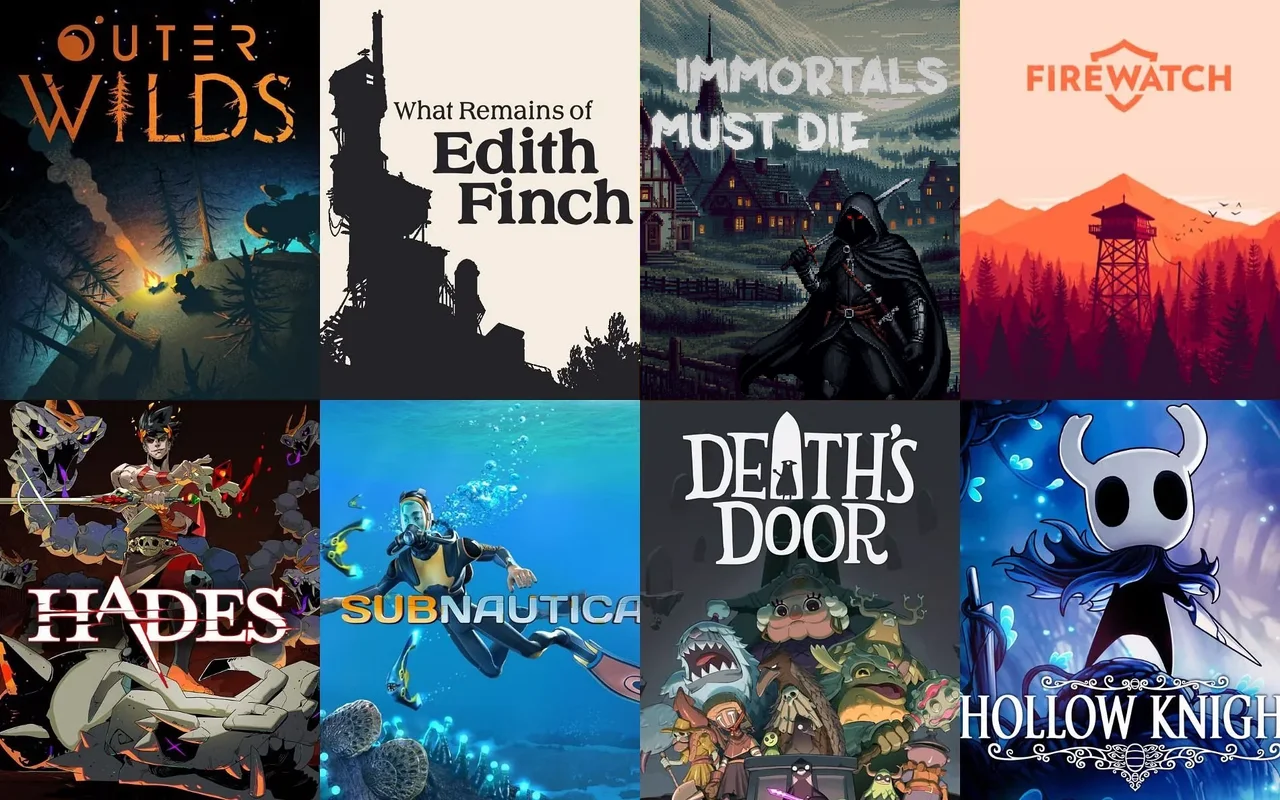
Indie developers continue to innovate with unique art styles, gameplay mechanics, and narratives, often pushing creative boundaries that larger game art studios may avoid due to budget or market constraints. These developers frequently experiment with unconventional visual storytelling, minimalist design, and niche genres, resulting in fresh and memorable gaming experiences that resonate with diverse audiences.
Creative Freedom
Small teams can experiment with game genres, storylines, and artistic direction, often producing innovative gameplay experiences.
Notable Indie Titles
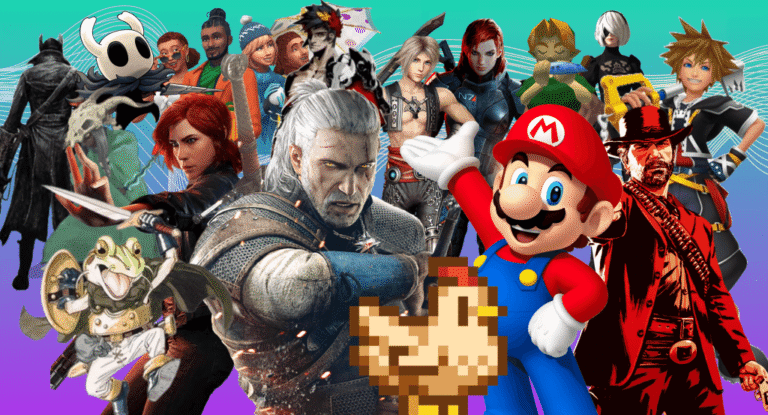
Hollow Knight, Stardew Valley, and Celeste demonstrate how indie games can achieve both critical acclaim and commercial success.
Influence on the Industry
Indie games push mainstream trends, inspiring AAA studios to explore new mechanics, indie art styles, and narrative approaches.
7. Esports
Esports has grown into a global competitive ecosystem, combining professional leagues, live events, streaming platforms, sponsorships, and massive international tournaments that attract millions of viewers and participants worldwide.
Competitive Growth
Online tournaments attract millions of viewers, and sponsorships have turned esports into a billion-dollar industry.
Popular Esports Titles
Games such as League of Legends, Dota 2, and Valorant dominate professional play and shape competitive gaming trends.
Long-Term Impact
Esports encourages longer game lifecycles, deeper player engagement, and the development of spectator-friendly features.

8. Live Services
Live service games provide continuous updates, events, seasonal content, and evolving gameplay systems to maintain player interest over long periods.
Retention and Engagement
Regular content updates and events increase player retention and encourage repeat spending.
Successful Examples
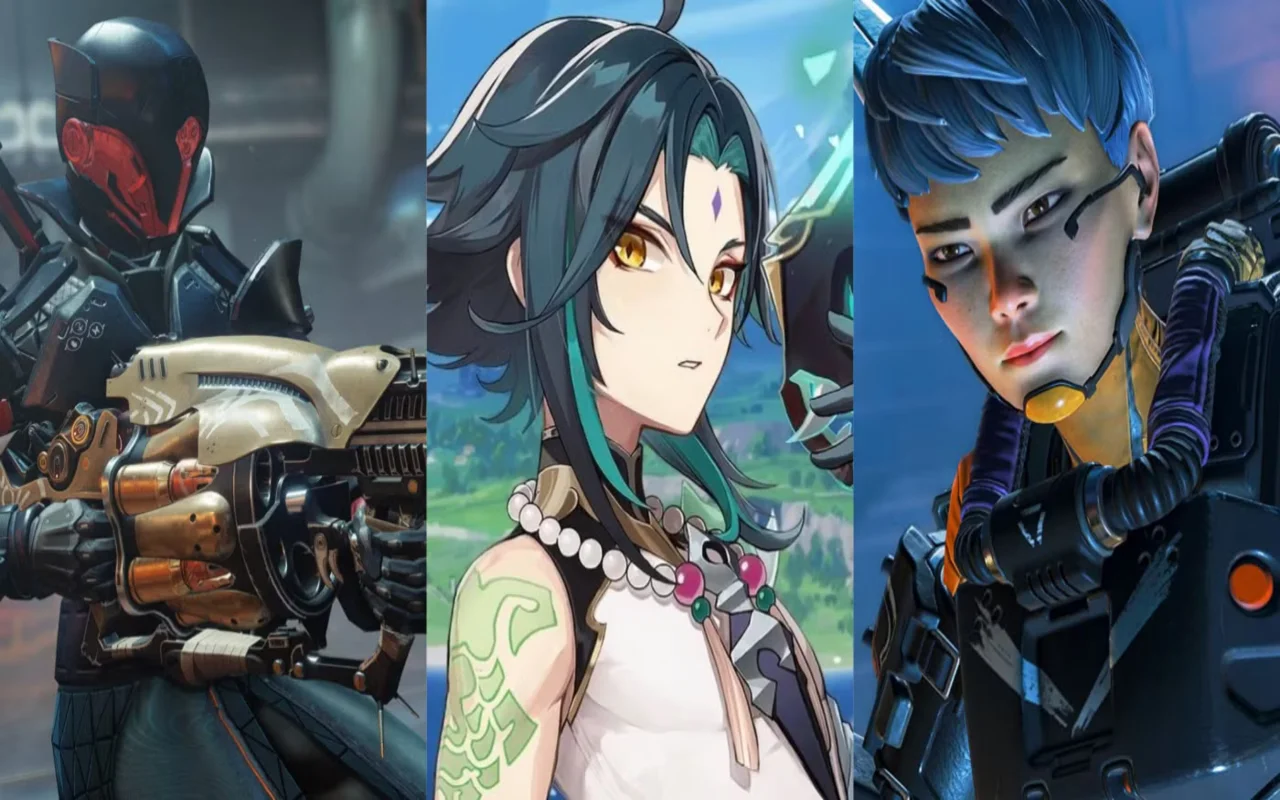
Fortnite, Apex Legends, and Genshin Impact use live services to keep communities active and engaged over multiple years.
Developer Advantages
Live services allow studios to respond to player feedback, introduce new content quickly, and maintain relevance in a crowded market.
9. Game Streaming
Game streaming allows viewers to watch live gameplay, influencing popularity and driving engagement.
Platforms and Reach
Twitch, YouTube Gaming, and Facebook Gaming dominate the streaming scene, reaching millions of viewers worldwide.
Influence on Gaming Trends
Streaming has turned influencers into tastemakers. Viewers often try games based on streamer recommendations, boosting game visibility and engagement.
Interactive Features
Some games now integrate features that allow viewers to influence gameplay, vote on outcomes, or interact with streamers in real time, creating a participatory experience.

Conclusion
The gaming industry in 2026 is shaped by innovation, accessibility, and global community engagement. Mobile gaming, free-to-play, VR, cross-platform play, cloud gaming, indie games, esports, live services, and streaming are defining how games are made and experienced.
By understanding these trends, developers and players can anticipate industry shifts, adopt new technologies, and enjoy the evolving landscape of gaming.