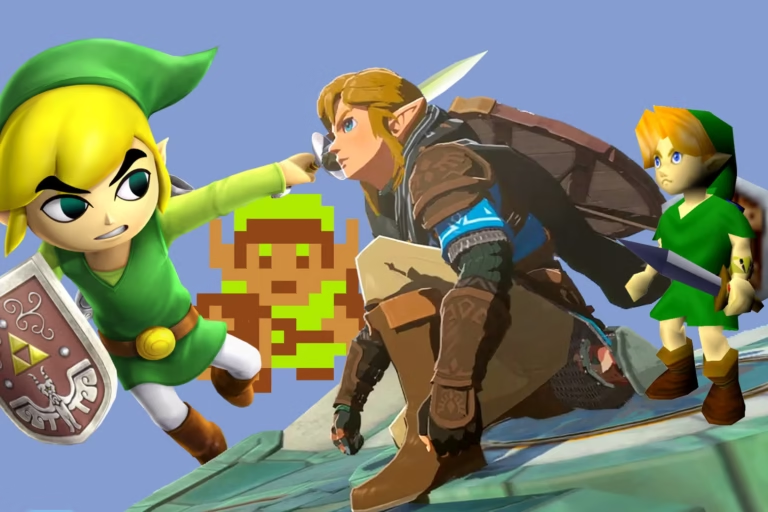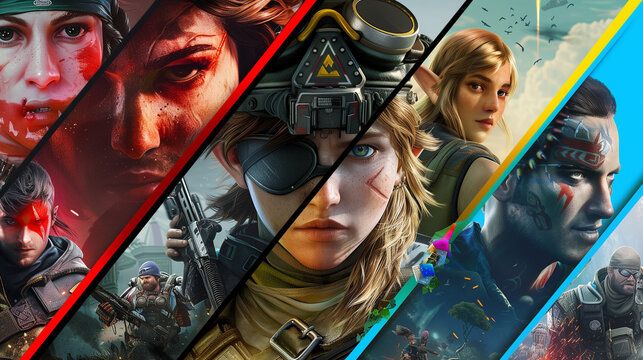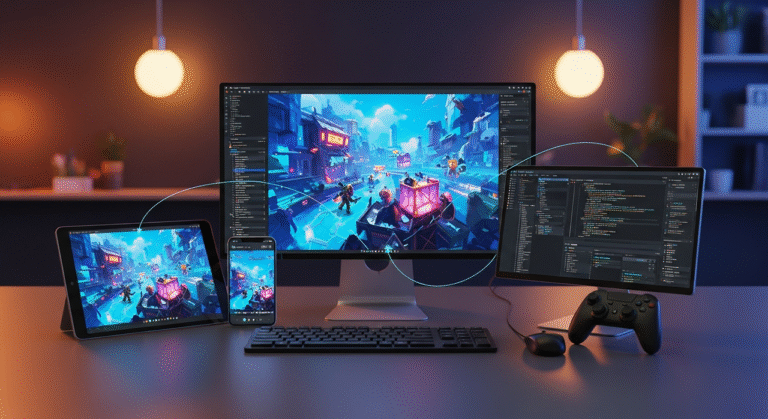

Indie games often stand out because of their unique visual styles. Unlike AAA titles, indie developers can experiment freely, creating visuals that enhance gameplay, storytelling, and player experience. The art style can define a game’s identity, attract players, and communicate tone without words.
This article explores the most common indie game art styles, their characteristics, examples, and tips for developers. Whether you are an artist, designer, or fan, understanding these styles can deepen your appreciation of indie games.
These books, references, and examples also show how art shapes perception, engagement, and community culture. From pixel nostalgia to painterly worlds, indie games demonstrate that aesthetics are just as important as gameplay.
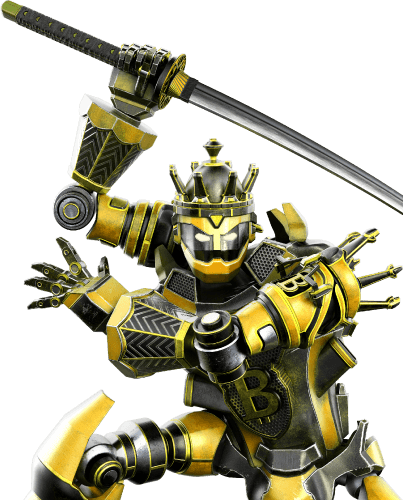
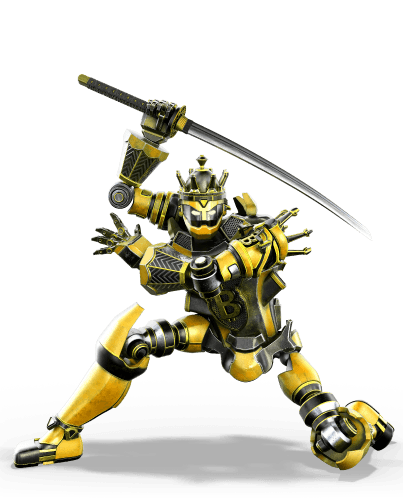
Need Game Art Services?
Visit our Game Art Service page to see how we can help bring your ideas to life!
What Defines an Indie Game Art Style?
An indie game art style is the visual aesthetic chosen by developers to represent the game world. It includes character and environment design, color theory, cartoon style, and visual effects.
Indie art styles often prioritize creativity, expressiveness, or minimalism, rather than photorealism. The style communicates a game’s tone and theme. For example:
- Pixel art evokes nostalgia and simplicity.
- Hand-painted styles suggest a storybook or artistic feel.
- Low-poly and stylized 3D prioritize readability and performance while maintaining charm.
Popular Indie Game Art Styles
The indie gaming scene bursts with various art styles, each adding its distinctive flair to the games that capture players’ imaginations.
Here, we will take a closer look at some of these art styles:
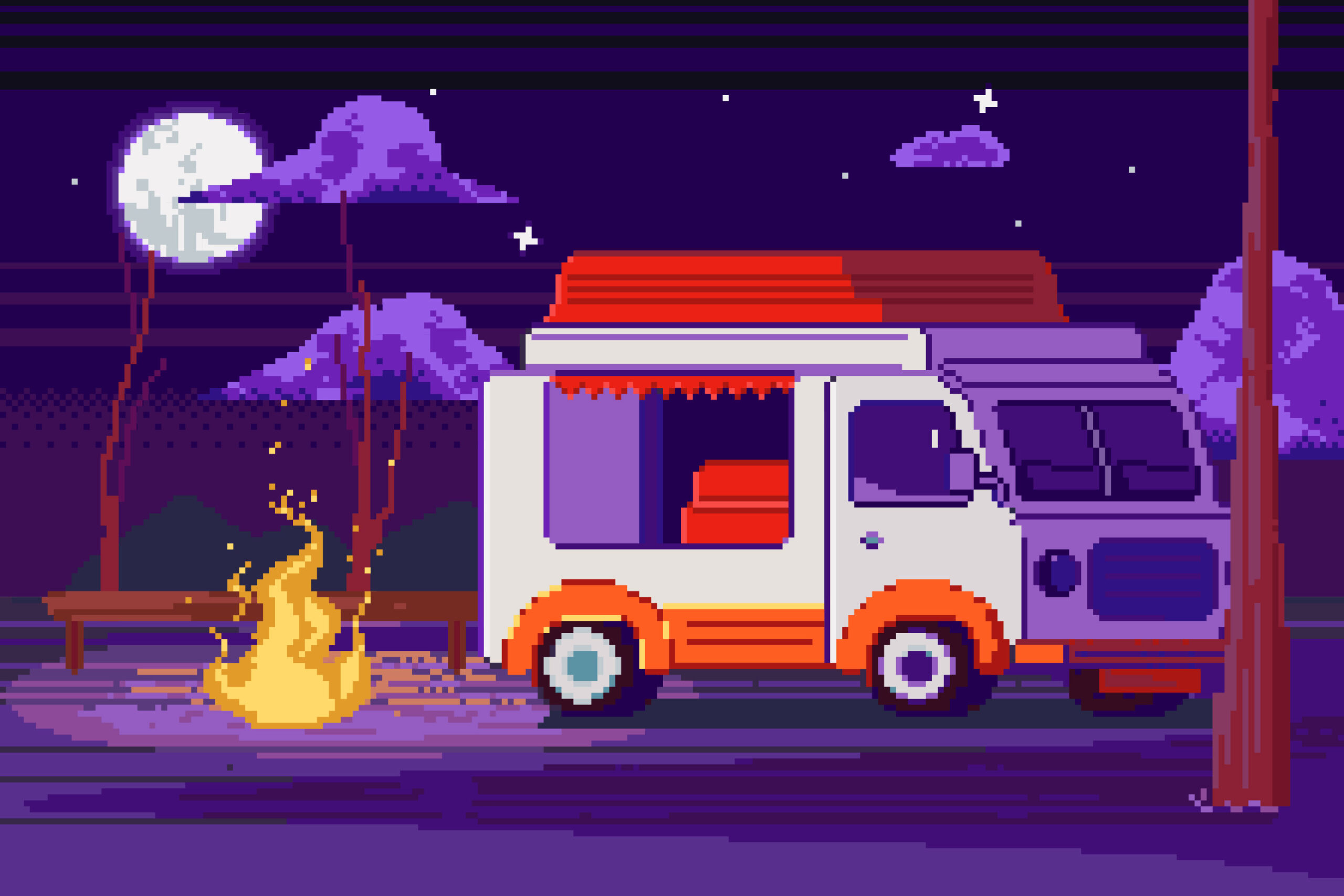
1. Pixel Art
Pixel art uses small, discrete pixels to create characters, objects, and environments. It conveys nostalgia and simplicity while allowing designers to focus on gameplay clarity. Games with unique art styles like Celeste and Stardew Valley demonstrate how pixel art can evoke emotion, build atmosphere, and tell a story with limited resources.
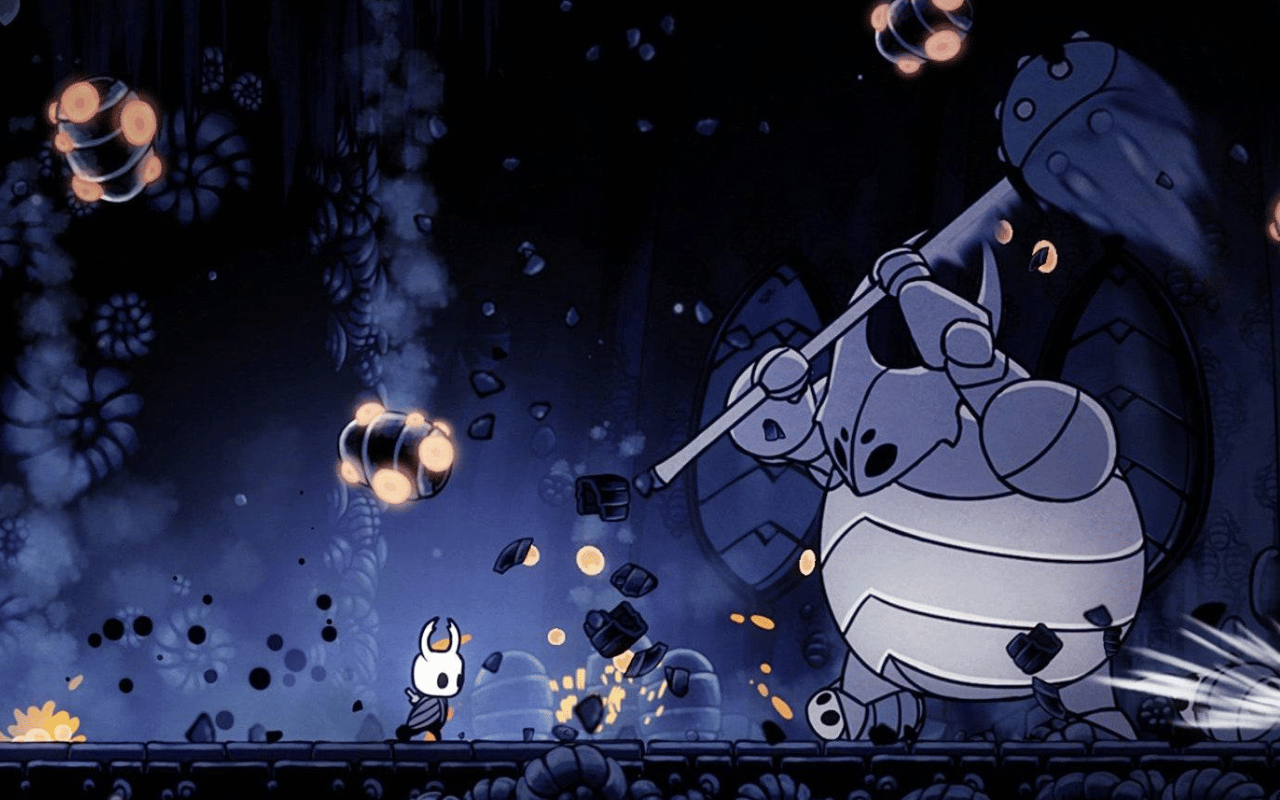
2. Hand-Painted / Painterly
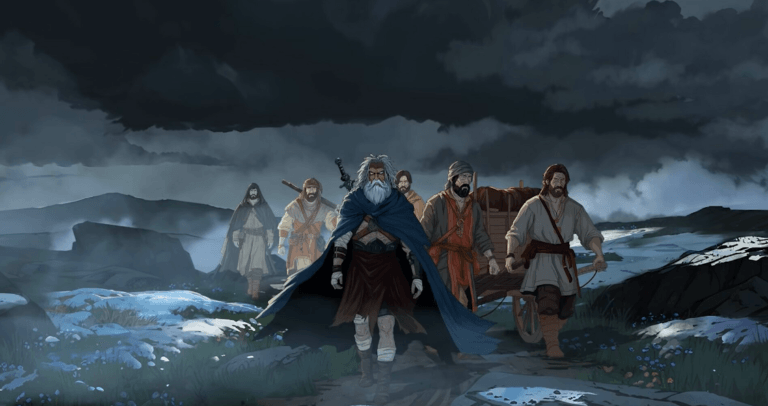
Hand-painted art style or painterly styles use brush-like textures, gradients, and soft color palettes. Titles like Ori and the Blind Forest and Hollow Knight illustrate immersive worlds with emotional depth. The 2D art style emphasizes lighting, mood, and narrative, making players feel part of a living world.
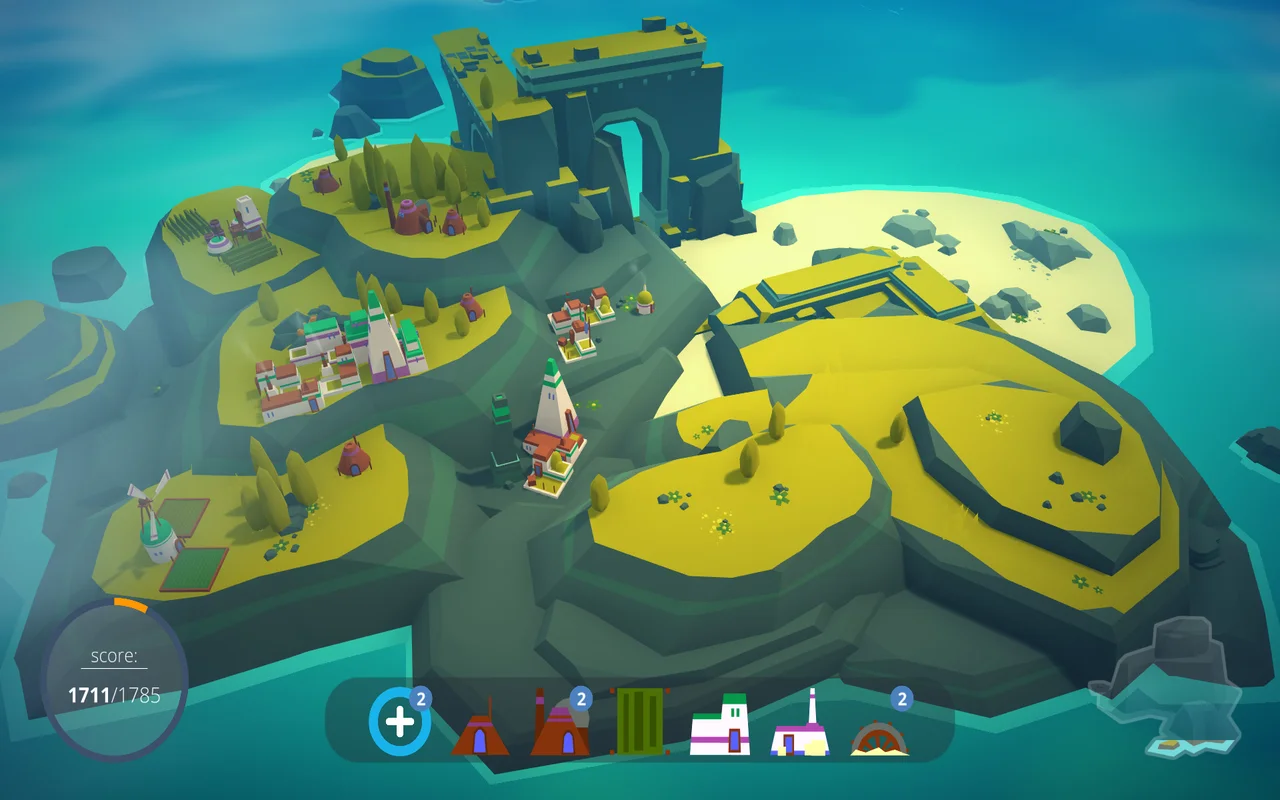
3. Low-Poly
Low-poly art simplifies geometry to create stylized worlds. Journey and Superhot use this approach to highlight shapes, color, and lighting rather than textures. This style is visually distinct, reduces production costs, and supports smoother performance on diverse hardware.
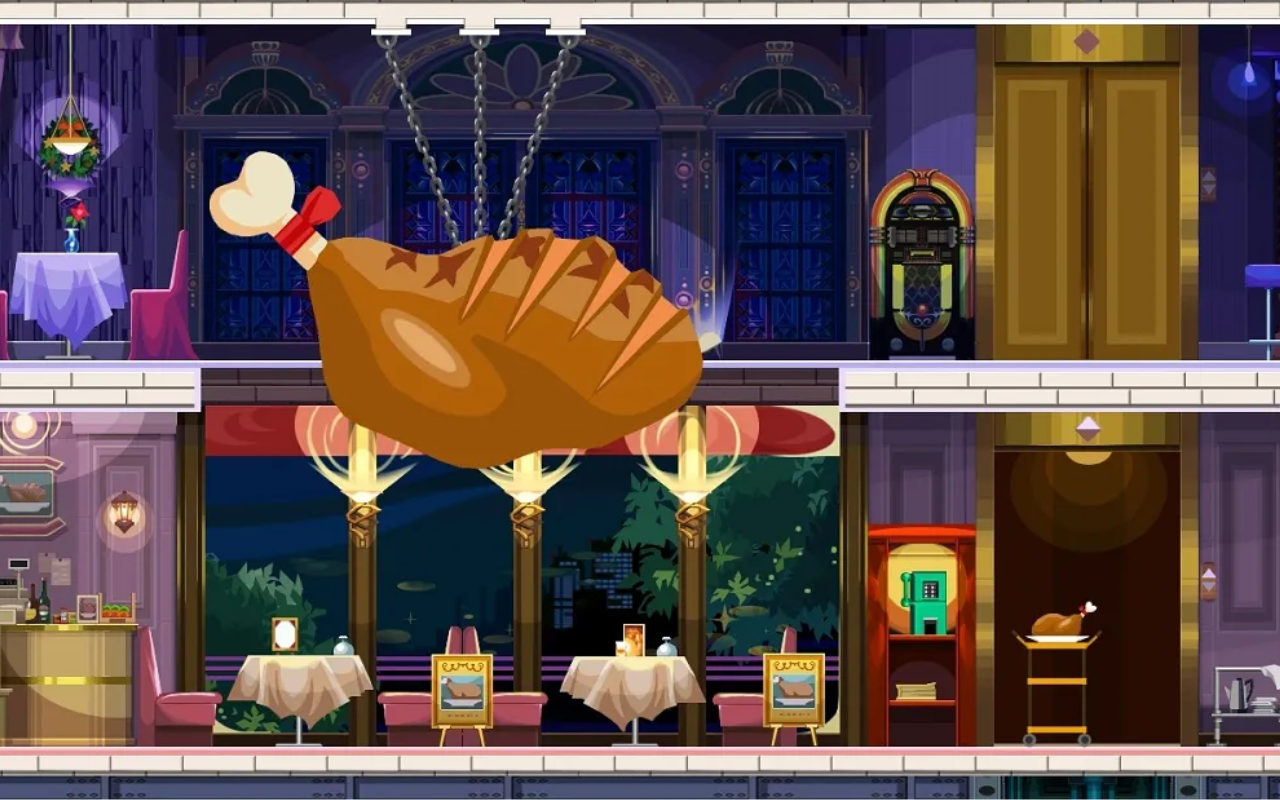
4. Vector / Flat Art
Vector art or flat art relies on clean lines, geometric shapes, and minimalistic color palettes. Monument Valley and Thomas Was Alone demonstrate how simplicity can produce elegance and clarity. Flat art focuses on readability, user interface integration, and a cohesive visual experience.
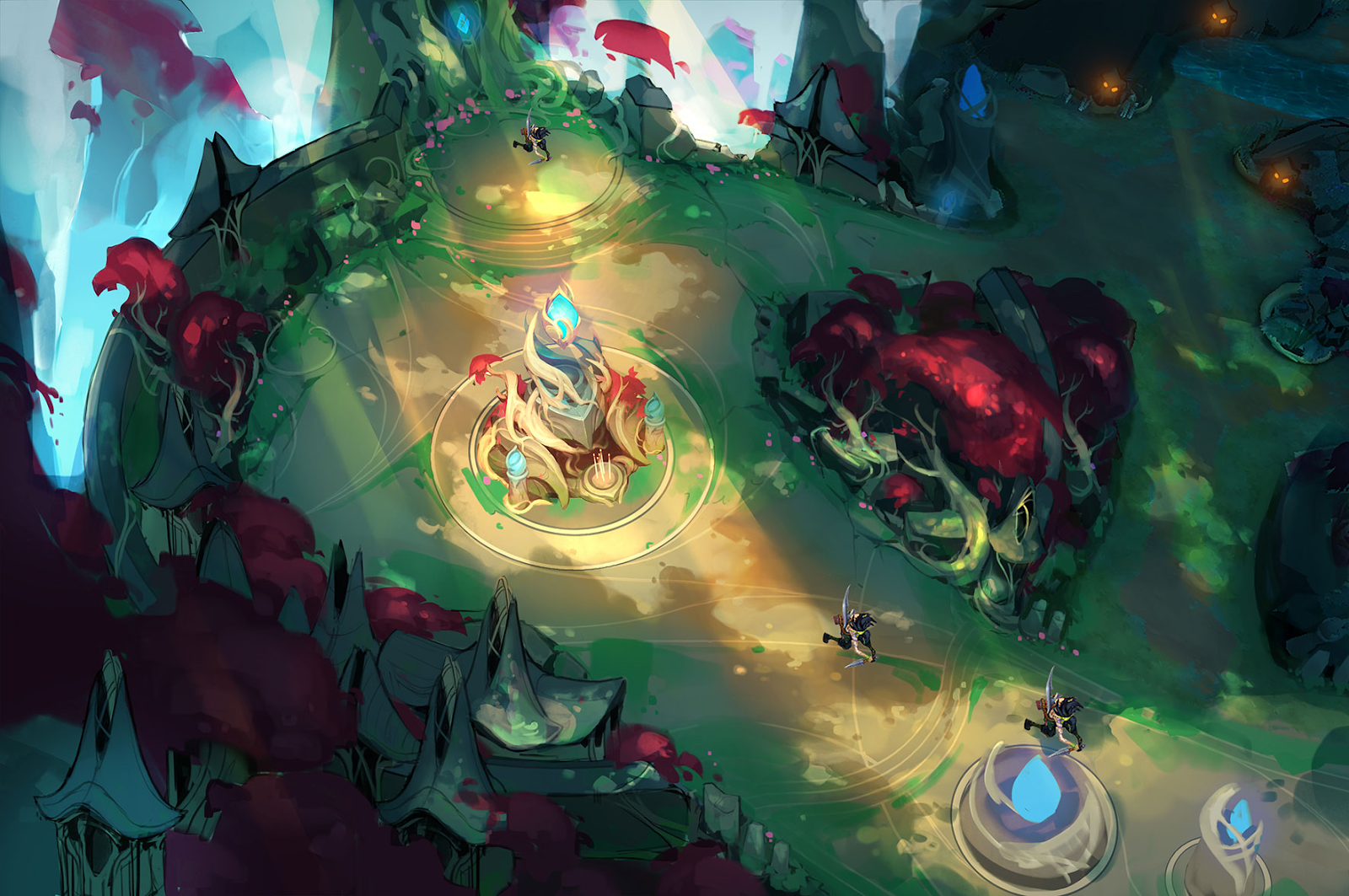
5. 3D Stylized
3D stylized games use exaggerated forms, proportions, or colors to create playful, imaginative worlds. Examples include Cuphead and Totally Accurate Battle Simulator. This 3D art style balances 3D depth with artistic expression and allows developers to stand out visually.
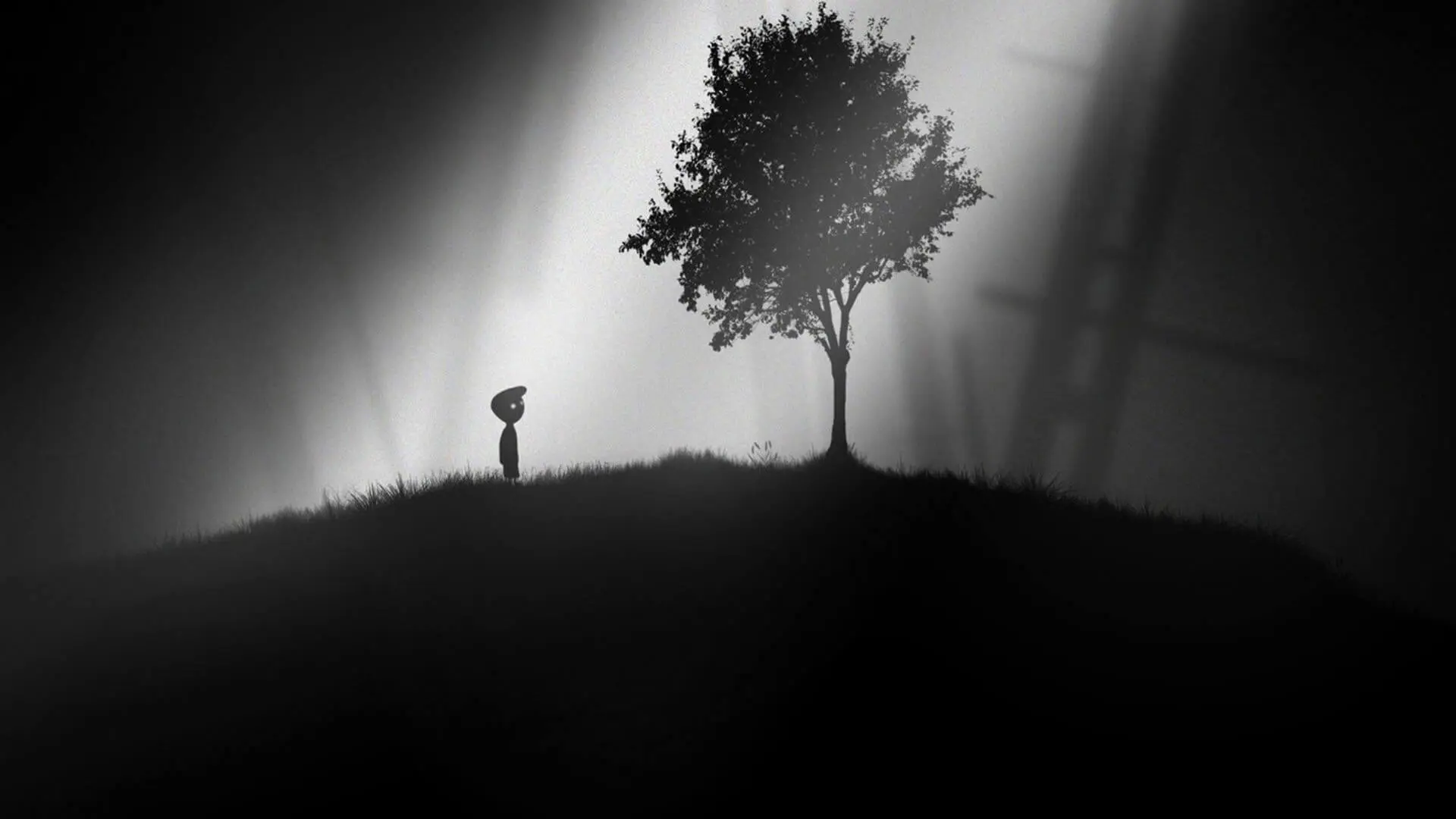
6. Monochrome / Limited Palette
Monochrome or limited color palettes create mood and focus. Limbo and Inside use minimal color to emphasize contrast and narrative tone. Limited palettes make storytelling more impactful and give the game a distinct identity.
7. Hybrid / Mixed Styles
Hybrid styles combine multiple aesthetics, such as pixel art with hand-painted backgrounds or low-poly 3D with painterly textures. Hybrid approaches allow developers to experiment and craft a unique visual identity that reflects the game’s theme and mechanics.
Why Art Style Matters in Indie Games
Art style affects immersion, readability, emotional impact, and brand identity. It communicates tone, story, and gameplay elements. A strong visual identity attracts players, builds community, and helps a game stand out on digital storefronts.
Influence on Player Experience
- Guides gameplay understanding (e.g., silhouette clarity for characters)
- Sets emotional tone and atmosphere
- Enhances storytelling without text or dialogue
Influence on Marketing and Community
- Unique visuals help game marketing campaigns stand out
- Recognizable style fosters fan communities
- Strong aesthetics increase shareability on social media
Tips for Choosing an Indie Game Art Style
1. Consider Gameplay:
Choose an art style that complements your game mechanics. Fast-paced games need clarity and strong silhouettes. Story-driven games may benefit from painterly or cinematic visuals.
2. Match Tone and Theme:
Art should reflect the game’s world. Horror games may use monochrome or muted palettes. Fantasy games can embrace rich, vibrant colors.
3. Balance Team and Budget:
Complex styles require more time and resources. Small teams may prefer pixel, low-poly, or flat designs. Painterly or 3D stylized approaches may require additional staff or tools.
4. Prototype and Iterate:
Test styles with mockups early. Evaluate readability, immersion, and player reaction before committing to a final style.
5. Leverage References:
Study other indie games and concept art. Identify what works visually and what resonates with your audience. Learn from successful examples to inform your aesthetic choices.
Examples of Indie Games by Style
- Pixel Art: Celeste, Stardew Valley
- Hand-Painted: Ori and the Blind Forest, Hollow Knight
- Low-Poly: Journey, Superhot
- Vector / Flat Art: Monument Valley, Thomas Was Alone
- 3D Stylized: Cuphead, Totally Accurate Battle Simulator
- Monochrome / Limited Palette: Limbo, Inside
Final Words
Indie game art styles are diverse, expressive, and essential for identity. They shape gameplay, tone, and community perception. Developers should balance creativity with clarity and technical constraints. Players and artists gain a deeper appreciation when they understand the aesthetic choices behind these games.
Whether it’s pixel art, painterly worlds, or stylized 3D, the right visual approach can define a game’s personality and leave a lasting impression on players.