
For decades, many people viewed animation as something made mainly for children. Saturday morning cartoons, family friendly movies, and colorful animated mascots helped build the stereotype that animation was only meant for younger audiences. Even today, some adults still assume animated content is childish simply because it is animated.
But animation is not a genre. It is a medium of storytelling.
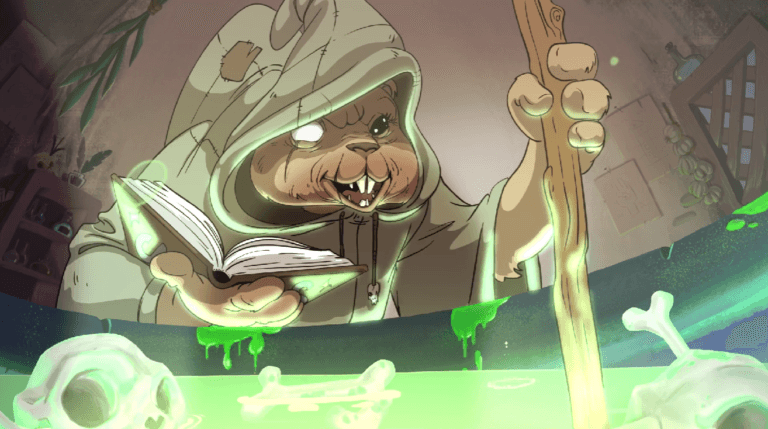
Just like live action films, animation can tell horror stories, emotional dramas, psychological thrillers, sci fi adventures, documentaries, and mature character driven narratives. Over the years, animation has evolved into one of the most creative and expressive forms of entertainment for audiences of all ages.
In this article, we explore why animation is not just for kids and why the medium deserves far more recognition among adult audiences.
1. Animation Is a Medium, Not a Genre
One of the biggest misconceptions about animation is that it belongs to a single category. In reality, animation works the same way as live action filmmaking. It is simply a way of presenting a story visually.
Animation can include:
- Action
- Horror
- Romance
- Drama
- Comedy
- Science fiction
- Documentary storytelling
Director Brad Bird famously explained that animation is not a genre but a form of transmedia storytelling that can express ideas impossible to achieve in live action. This perspective has become increasingly important as modern animation services continue to push creative boundaries.
2. Animation Can Explore Mature Themes
Modern animated films and series often deal with serious emotional and psychological subjects. Many projects explore themes that are specifically aimed at adult audiences.
These themes may include:
- Mental health
- War and trauma
- Identity and self discovery
- Politics and social issues
- Grief and relationships
Animation gives creators the freedom to visualize emotions and abstract ideas in ways that live action sometimes cannot. Through stylized visuals and exaggerated motion, animated stories can become even more emotionally powerful.
Films like Spider-Man: Into the Spider-Verse and shows like Arcane demonstrate how animation can combine artistic visuals with deep animation storytelling for older audiences.
3. Animation Offers Unlimited Creativity
One reason adults are drawn to animation is its limitless creative freedom. Unlike live action productions, animation is not restricted by physical sets, actors, or real world limitations.
Creators can design:
- Entire fantasy worlds
- Impossible creatures
- Unique animation styles
- Surreal environments
- Stylized action sequences
This freedom allows animation to communicate ideas visually in ways that feel imaginative and emotionally unique.
Many animated productions use visual metaphors, exaggerated movement, and symbolic imagery to tell stories more effectively than traditional filmmaking.
Read More: Is Animation Cheaper than Live Action?
4. Adult Animation Has Grown Rapidly
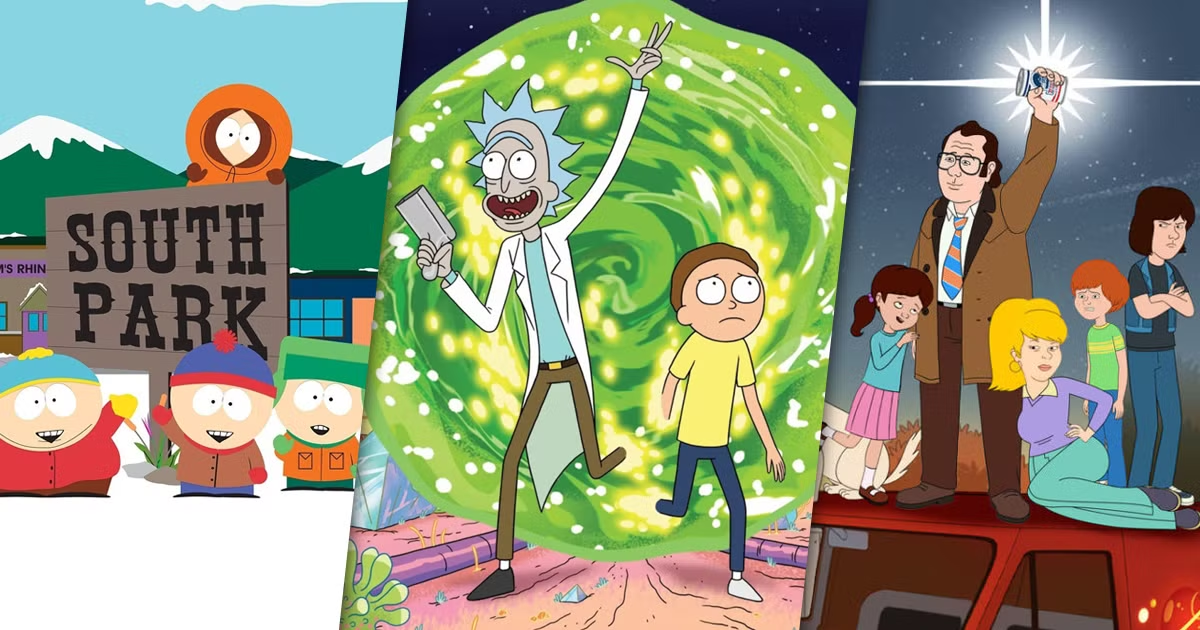
In recent years, adult animation has become far more mainstream. Streaming platforms and studios now invest heavily in animated content aimed at mature audiences.
Adult oriented animation now includes:
- Psychological thrillers
- Dark fantasy stories
- Cyberpunk series
- Animated sitcoms
- Experimental films
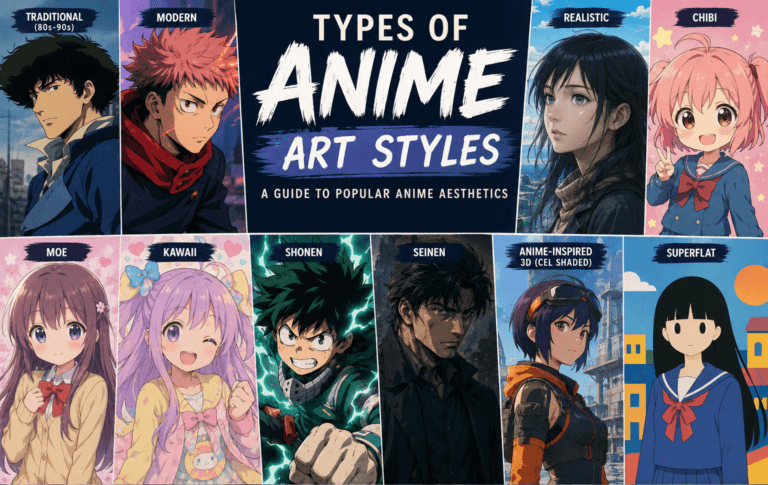
Japanese anime has also played a major role in changing global perceptions of animation. Films like Akira and Grave of the Fireflies showed international audiences that animation could tell emotional and deeply mature stories.
As audiences become more open minded, animated projects are increasingly being treated with the same artistic respect as live action productions.
5. Animation Can Visualize the Impossible
Some ideas are difficult or impossible to create convincingly in live action. Animation allows creators to visualize dreams, abstract concepts, fantasy worlds, and surreal experiences without creative limitations.
This makes animation especially powerful for science fiction, fantasy, and psychological storytelling where imagination plays a major role.
6. Animation Appeals to Different Age Groups Simultaneously
Many animated films are designed with layered storytelling that both children and adults can enjoy. Younger viewers may enjoy the visuals and humor, while adults connect with deeper themes, emotional moments, and hidden details.
This multi layered approach is one reason animated films often remain timeless across generations.
7. Animation Encourages Artistic Experimentation
Animation gives artists more freedom to experiment with visual cartoon styles and storytelling techniques. Creators can use exaggerated proportions, stylized motion, and unconventional color palettes to create unique artistic identities.
This level of experimentation is harder to achieve in live action productions, where realism often limits creative choices.
8. Animation Creates Stronger Visual Symbolism
Animated storytelling often uses symbolic imagery and visual metaphors to communicate emotions and themes. Colors, shapes, and movement can represent psychological states or narrative ideas in subtle but powerful ways.
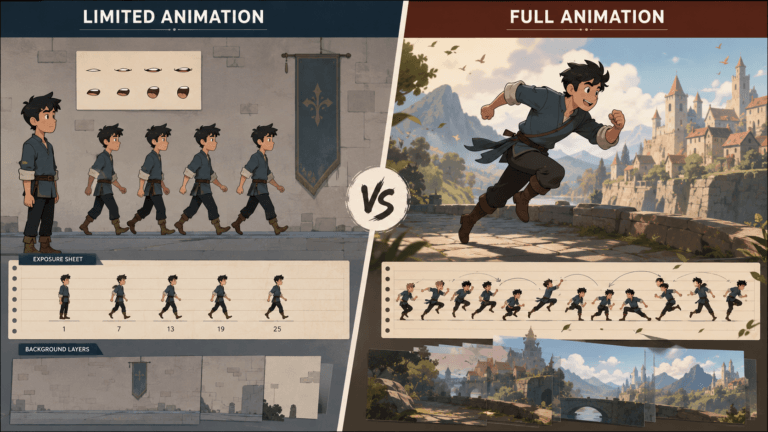
Because animation is fully designed frame by frame, every visual element can contribute to the story intentionally.
9. Animation Has Influenced Modern Cinema
Many techniques first explored in the animation pipeline now influence live action filmmaking, visual effects, and cinematography. Storyboarding, stylized camera movement, and digital environments are heavily inspired by animation workflows.
Modern entertainment industries increasingly combine animation and live action techniques together, showing how important animation has become in visual storytelling.
10. Animation Builds Emotional Connection Through Design
Character design plays a major role in how audiences emotionally connect with animated stories. Animators can exaggerate facial expressions and body language to make emotions feel clearer and more impactful.
This ability to simplify and stylize emotion often creates stronger audience attachment to characters.
11. Animation Continues to Evolve With Technology
Technologies like real time rendering, virtual reality, and AI assisted production are expanding what animation can achieve. These advancements allow creators to produce more immersive and visually advanced experiences.
As technology evolves, animation continues to grow beyond traditional cartoons and becomes an even more important part of modern media and entertainment.
12. Animation Is Used Beyond Entertainment
Another reason animation is not just for kids is because it is widely used outside of entertainment across different industries.
Education and Training
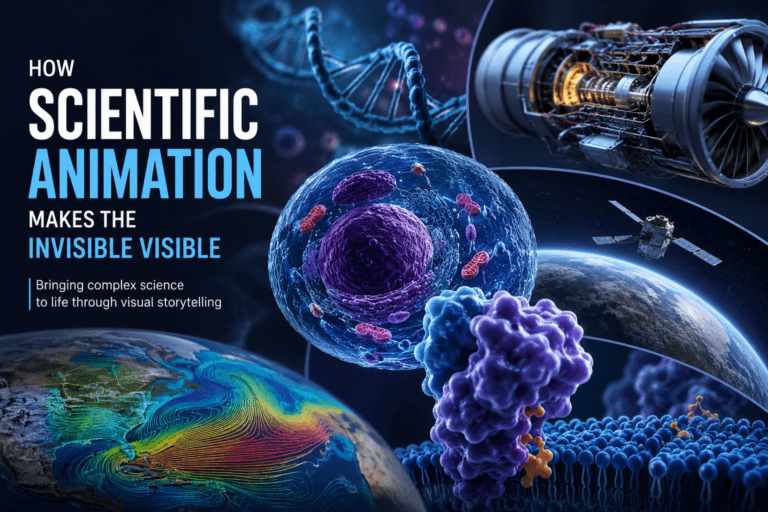
Animation helps explain complex topics in industries like medicine, engineering, and technology.
Video Games
Modern video games rely heavily on animation for storytelling, immersion, and realistic character movement.
Architecture and Product Design
3D animation is often used to showcase products and buildings before they physically exist. These industries demonstrate that animation is a professional communication tool, not simply children’s entertainment.
Marketing and Advertising
Brands use animation to create commercials, explainer videos, and social media animated content that appeal to all age groups.
13. Adults Appreciate Animation Differently
Adults often connect with animation for reasons that go beyond nostalgia.
Artistic Appreciation
Animation combines multiple art forms including:
- Design
- Cinematography
- Music
- Acting
- Storytelling
- Visual effects
This makes animation one of the most creatively demanding mediums in entertainment.
Emotional Storytelling
Animation can exaggerate emotions and visual symbolism in ways that create stronger emotional impact.
Unique Visual Experiences
Animated worlds often feel more imaginative and visually memorable than live action environments. Many adult viewers appreciate animation because it offers experiences they cannot find elsewhere.
Why the Stereotype Still Exists
Despite the growth of adult animation, the stereotype still exists largely because many Western animated productions historically targeted children and families. This created a cultural association between cartoons and childhood entertainment.
The word “cartoon” itself is often linked to children’s programming, even though animation has evolved far beyond that perception.
However, the success of mature animated films, streaming series, and international animation continues to challenge this outdated idea.
Conclusion
Animation is far more than entertainment for children. It is a storytelling medium capable of expressing complex emotions, mature themes, and imaginative worlds. From films and games to advertising and education, animation continues to influence modern visual culture across every age group.
As the industry evolves, more audiences are recognizing animation as a serious artistic and professional medium. Whether it is a stylized fantasy film, a mature animated drama, or a cinematic video game, animation has proven that it can connect with viewers of all ages.


![1405,02,10 SnpLE[Cover HD] 1](https://pixune.com/wp-content/uploads/2026/08/14050210-SnpLECover-HD-1-768x431.jpg)