
Animation and live action are two of the most popular ways to tell stories, create marketing videos, and produce entertainment content. While both formats can achieve incredible results, they differ significantly in cost, production workflow, creative flexibility, and long-term value.
One of the most common questions producers ask is whether animation is cheaper than live action. The answer depends on the project’s scope, style, and production requirements. A simple live-action video may cost less than a high-end animation, while a complex live-action production can quickly become more expensive than animation due to actors, locations, equipment, and logistics.
In this guide, we’ll compare animation and live action across cost, production time, creative possibilities, and use cases to help you choose the right approach for your project.

Need Animation Services?
Visit our Animation Service page to see how we can help bring your ideas to life!
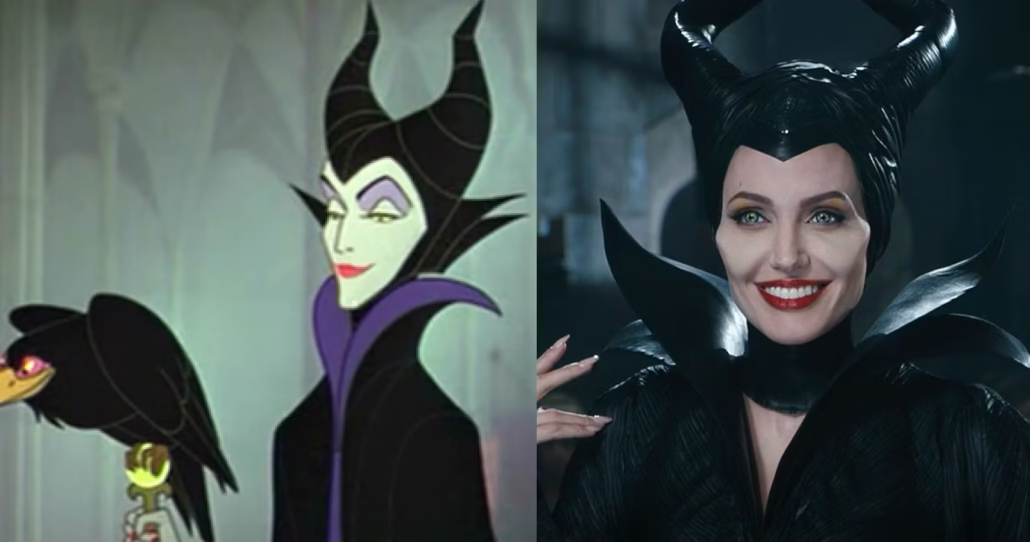
Animation vs Live Action: What Is the Difference?
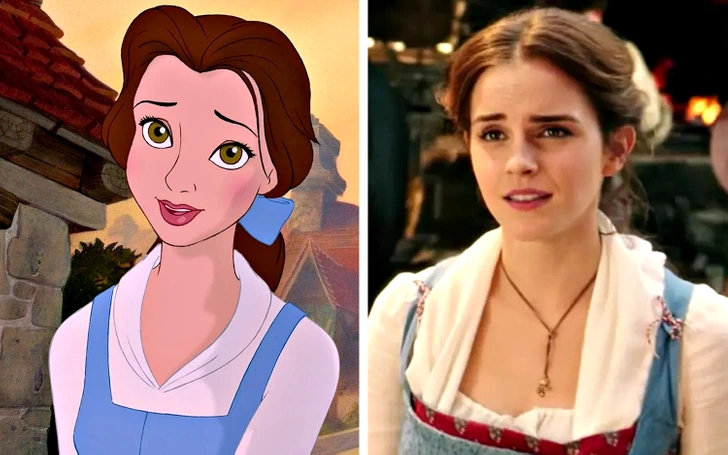
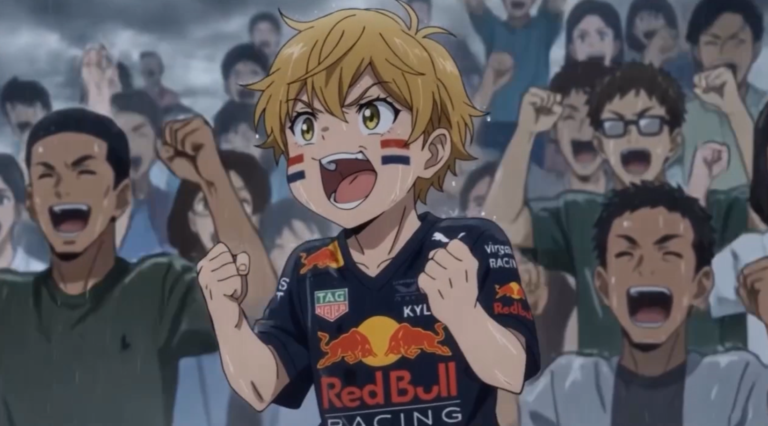
Animation creates every visual element from scratch, whether through 2D animation, 3D animation, motion graphics, or visual effects. Characters, environments, lighting, and camera movements are all designed and controlled by artists.
Live-action productions capture real people, real locations, and physical objects using cameras. While visual effects can be added later, the foundation of the project comes from filmed footage rather than created assets.
Because of this fundamental difference, animation services offer virtually unlimited creative freedom, while live action often provides a stronger sense of realism and human connection.
Is Animation More Expensive Than Live Action?
In many cases, no.
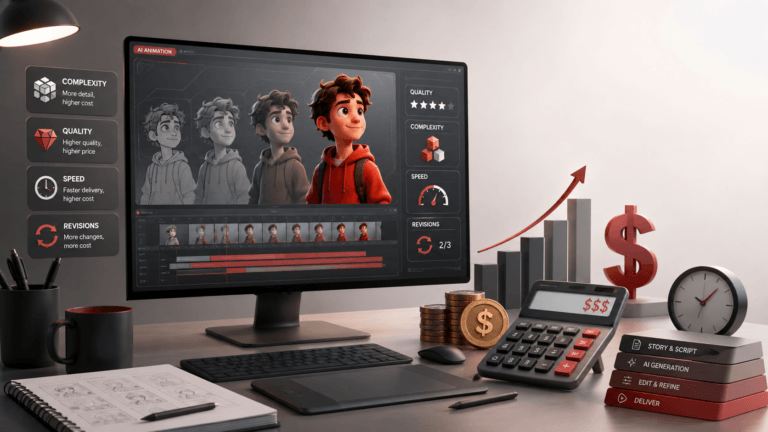
For short-form content such as commercials, explainers, and marketing videos, animation can often be more cost-effective than live action. A professional two-minute animated video typically costs between $15,000 and $35,000, while a comparable live-action production can range from $17,000 to more than $100,000 depending on crew size, locations, talent, and production complexity.
However, large-scale animated films can become extremely expensive. Major animated features from studios such as Pixar and Disney often exceed $100 million and can reach over $200 million in production costs.
The key takeaway is that animation is not automatically cheaper or more expensive. The production requirements determine the final budget.
In Pixune website, we have covered the pricing guide for different types of animation projects. Here is the list of articles you can read to get more information about animation pricing:
Animation vs Live Action Cost Breakdown
Each one has its own strengths and weaknesses that producers need to know about.
Pre-Production Costs
Both animation and live action require planning before production begins. This stage includes scriptwriting, storyboarding, concept development, scheduling, and creative direction.
In an animation production pipeline, more time is spent on concept art, character design, and visual development. Live action spends more on location scouting, casting, permits, and production logistics.
Production Costs
This is where the largest differences appear.
Animation production primarily involves artists, animators, designers, voice actors, software licenses, and computer hardware.
Live action requires cameras, lighting equipment, sound recording systems, actors, directors, makeup artists, transportation, locations, and large production crews. Even small professional productions often require 15 to 20 people on set.
Post-Production Costs
Animation projects typically move into compositing, sound design, editing, rendering, and visual effects.
Live-action projects often require editing, color grading, sound mixing, visual effects integration, and sometimes expensive reshoots if changes are needed.
In Pixune website, we have covered the pricing guide for different stages of animation production. Here is the list of articles you can read to get more information about the cost of each stage:
Why Does Animation Cost Money?
Every Visual Element Must Be Created
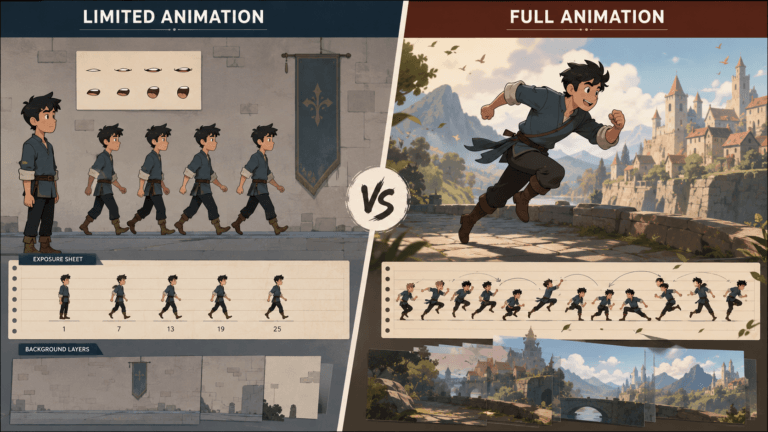
Unlike live action, nothing exists automatically in animation. Every character, environment, object, effect, and movement must be designed and produced.
Animation Requires Specialized Artists
Professional productions rely on concept artists, modelers, riggers, lead animators, compositors, lighting artists, and technical specialists.
Revisions Take Time
Although animation revisions are often easier than reshoots, changes still require artists to update scenes, assets, and animation work.
Rendering and Technical Production
Modern 3D animation services often require rendering, simulation, compositing, and technical processing that add to the overall budget.
Why Live Action Can Be Expensive?
Locations and Sets
Filming locations often require permits, rentals, insurance, transportation, and setup costs.
Actors and Crew
Professional productions require art directors, camera operators, lighting technicians, makeup artists, sound engineers, and performers.
Equipment Costs
Camera packages, lighting setups, sound gear, and production equipment can cost thousands of dollars per day.
Reshoots and Logistics
Weather, scheduling conflicts, travel requirements, and production delays can significantly increase budgets.
Are Animated Movies Cheaper to Make?
Generally, no.
Animated feature films are often among the most expensive productions in the entertainment industry, despite animation across other industries. Movies such as Tangled, The Lion King (2019), Toy Story 3, Finding Dory, and Incredibles 2 all had production budgets around $200 million or more.
However, animation costs are usually more predictable because they are less affected by weather, locations, travel, and physical production challenges.
When Animation Is More Cost-Effective?
Animation is often the better choice when projects require fantasy worlds, impossible environments, heavy visual effects, complex product animation, educational content, or highly stylized branding.
Because everything is created digitally, adding explosions, creatures, magical effects, or futuristic environments is usually much easier than filming them in real life.
When Live Action Is More Cost-Effective?
Live action is often more affordable when projects involve simple real-world situations, interviews, testimonials, product demonstrations, or content that benefits from real human performances.
For straightforward productions with minimal visual effects, live action can sometimes be completed faster and at a lower cost.
Animation vs Live Action for Marketing Videos
Animation is not just for kids, and for marketing, both formats can be highly effective.
Animation is ideal for explaining products, visualizing abstract concepts, creating branded characters, and maintaining a consistent visual identity.
Live action works particularly well when building trust, showcasing real people, demonstrating products, or creating emotional connections with audiences.
Pros and Cons of Animation
Animation offers many advantages, including unlimited creative freedom, complete visual control, strong brand consistency, and long-lasting visual appeal. It also eliminates many of the logistical challenges associated with filming.
The primary drawbacks are production time and the need to create every visual element from scratch.
Pros and Cons of Live Action
Live action provides realism, authentic performances, and strong emotional connections with viewers. It can also be faster for simple productions.
However, it often involves larger crews, more complex logistics, higher risk, and less flexibility when major changes are required.
Which One Should You Choose?
The right choice depends on your goals, budget, audience, and creative vision.
Choose animation if you need creative freedom, stylized visuals, educational content, product visualization, or worlds that would be difficult to film in reality.
Choose live action if realism, human connection, and authentic performances are central to the project.
In many cases, the most effective productions combine both approaches, using animation and visual effects to enhance live-action footage.
In Pixune website, we have covered the production timeline guide for different types of animation projects. Here is the list of articles you can read to get more information about animation production length:
Conclusion
Animation and live action each offer unique advantages. Animation provides unmatched creative freedom, consistent visuals, and easier control over complex scenes, while live action delivers realism and authentic performances.
Neither format is always cheaper. Small live-action projects can cost less than animation, while large-scale live-action productions can quickly exceed animation budgets. The best choice depends on the story you want to tell, the audience you want to reach, and the resources available for production.



![1405,02,10 SnpLE[Cover HD] 1](https://pixune.com/wp-content/uploads/2026/08/14050210-SnpLECover-HD-1-768x431.jpg)