
Lighting is one of the most important elements in 3D art and animation. While modeling and texturing define the appearance of objects, lighting determines how audiences perceive shapes, materials, atmosphere, and emotions.
Professional 3D lighting techniques help artists create realistic environments, guide viewers’ attention, establish mood, and enhance storytelling. From cinematic animation and video games to architectural visualization and product rendering, effective lighting can completely transform a scene.
In this guide, we explore the most important 3D lighting techniques, how they work, and when artists use them in professional workflows.
What Is 3D Lighting?
3D lighting is the process of creating, placing, and controlling virtual light sources inside a three-dimensional environment to influence how objects, characters, and scenes appear. Similar to real-world photography and cinematography, lighting in 3D determines how surfaces react, how shadows are formed, and how the overall mood of a scene is perceived.
Unlike traditional photography, where artists work with existing light conditions, 3D artists have complete control over every aspect of the lighting pipeline. They can adjust the position, intensity, color, direction, and behaviour of light sources to achieve a specific visual cartoon style or level of realism.
Lighting plays a crucial role throughout the 3D production pipeline because it affects more than visibility. It helps define shapes, enhance materials, create depth, guide the viewer’s attention, and support storytelling.
12 Main 3D Lighting Techniques
3D lighting techniques are essential for creating realistic, visually appealing, and emotionally engaging digital scenes. In 3D production, lighting is not only used to make objects visible but also to define shapes, enhance materials, create atmosphere, and guide the viewer’s attention.
Professional 3D lighting artists combine different lighting methods depending on the project’s requirements. A realistic architectural visualization may require physically accurate lighting, while a cinematic animation may use more stylized techniques to support storytelling.
From basic setups such as three-point lighting to advanced methods like global illumination and ray tracing, each technique plays an important role in modern 3D workflows.
1. Three-Point Lighting
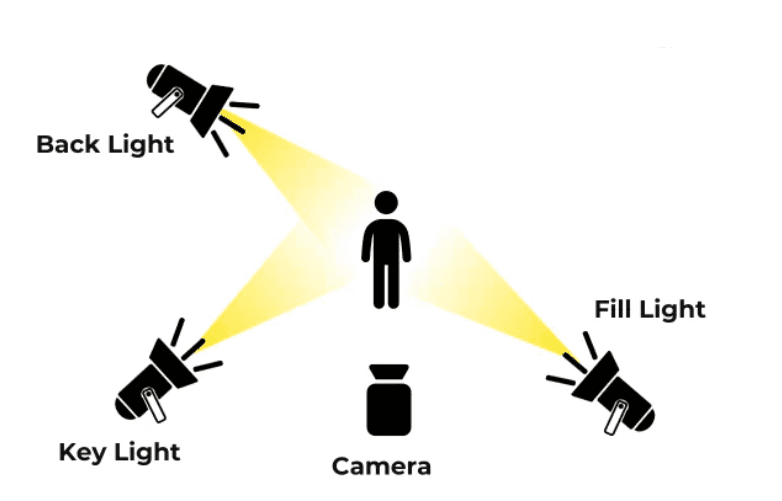
Three-point lighting is one of the most fundamental lighting setups used in 3D animation services and 3D product visualization services. It creates a balanced look by using three main light sources: the key light, fill light, and rim light.
1. The key light is the primary source that defines the direction and intensity of the scene. It creates the main highlights and shadows that shape the subject.
2. The fill light reduces harsh shadows created by the key light and helps reveal details in darker areas. By adjusting the intensity of the fill light, artists can control how dramatic or soft the scene appears.
3. The rim light is placed behind the subject to create separation from the background. It highlights the edges of characters or objects and helps create a stronger silhouette.
Three-point lighting remains popular because it provides artists with a simple but effective way to control depth, focus, and visual balance.
2. Global Illumination (GI)
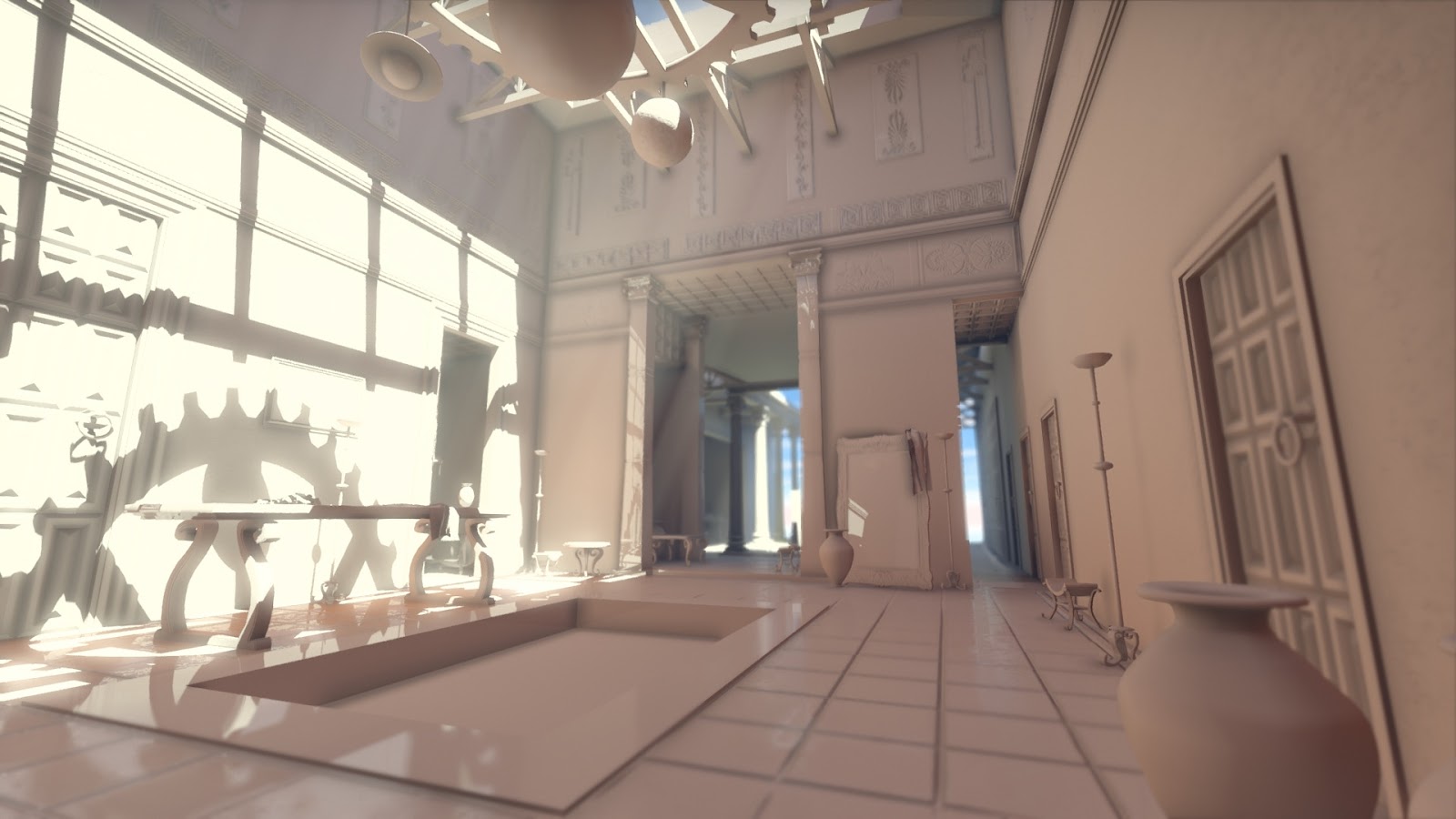
Global illumination is an advanced rendering technique that calculates how light interacts with surfaces throughout a scene. Instead of only considering direct light from a source, GI also simulates indirect light that bounces between objects.
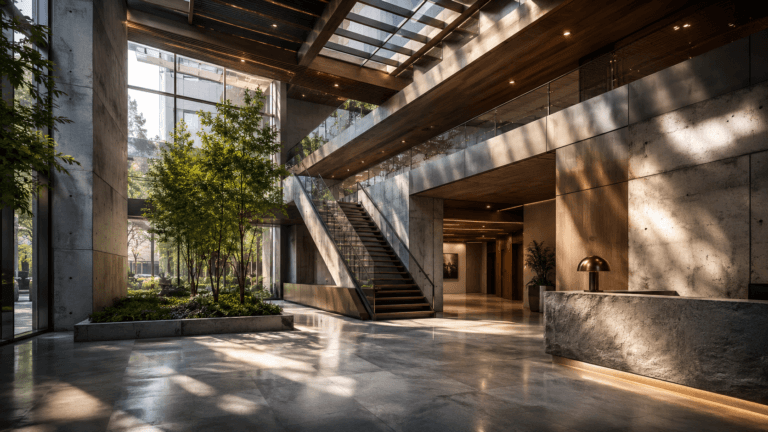
For example, sunlight entering a room reflects from walls, floors, and furniture, creating natural secondary illumination. This makes environments feel more realistic because objects receive light from their surroundings.
Global illumination is widely used in architectural visualization, animation, product rendering, and realistic game environments where accurate lighting is important.
3. Physically Based Lighting (PBR Lighting)
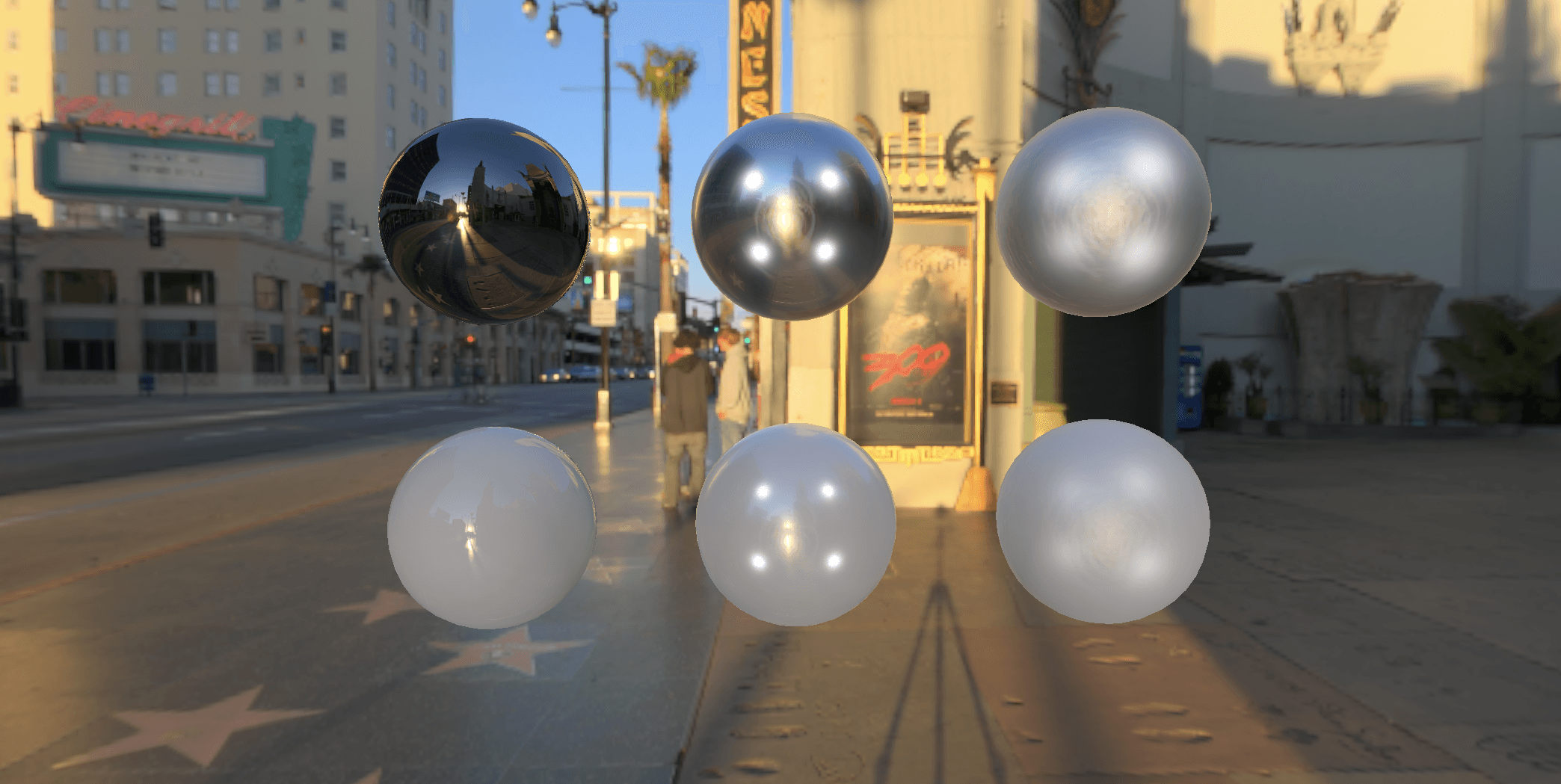
Physically based lighting recreates the behavior of real-world light by following physical principles. It works together with physically based rendering materials or shaders to ensure that surfaces respond realistically to different lighting conditions.
This technique considers factors such as reflections, roughness, material properties, and light intensity. As a result, objects maintain a consistent appearance across different environments.
PBR lighting has become a standard approach in modern game development, animation, and visualization because it allows artists to create realistic materials and predictable lighting results.
4. Ambient Lighting
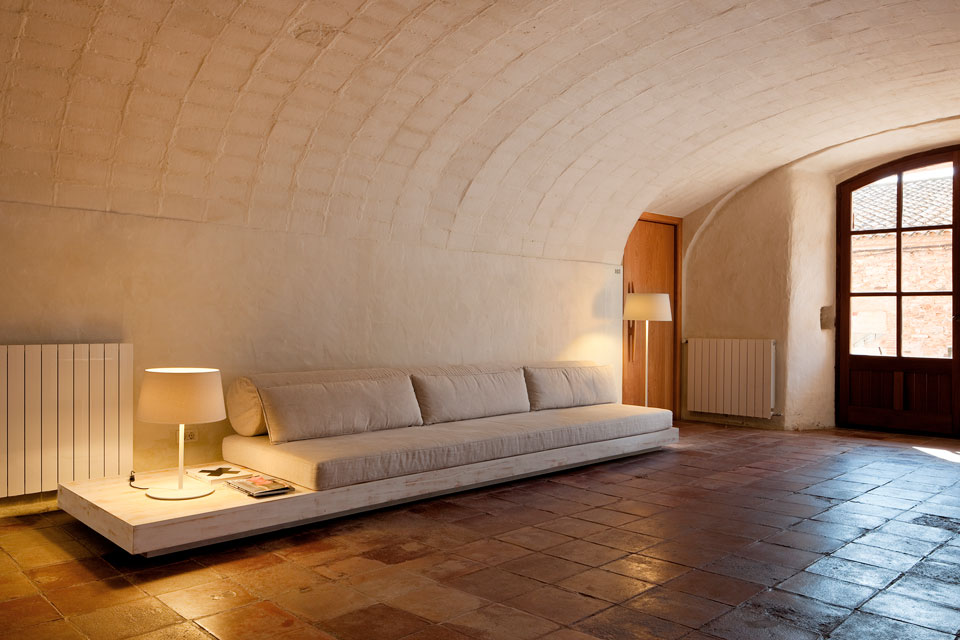
Ambient lighting provides general illumination across a scene and helps prevent areas from becoming completely dark.
It is often used as a foundation layer before adding more specific light sources. In realistic workflows, ambient lighting can represent indirect environmental illumination, while in stylized projects it can create a soft and clean visual appearance.
Ambient lighting is especially useful for maintaining overall scene readability and balancing stronger light sources.
5. Image-Based Lighting (IBL)
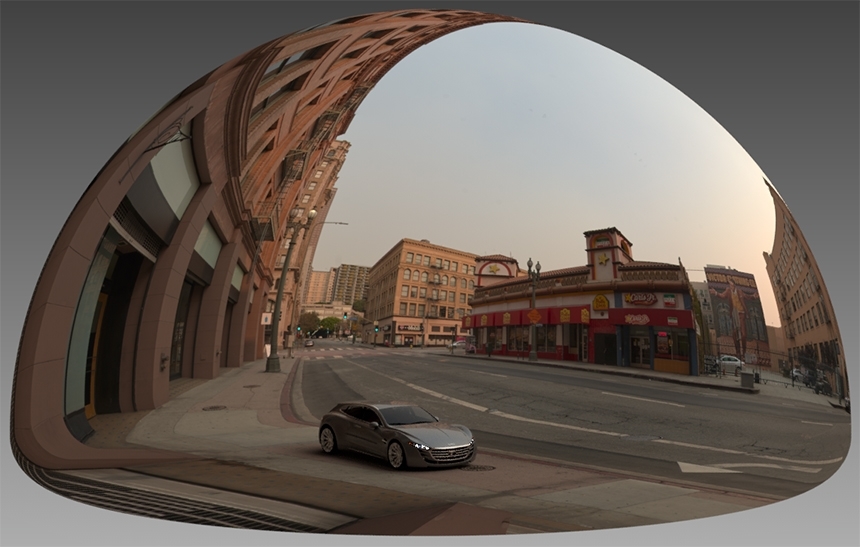
Image-based lighting uses high dynamic range images (HDRIs) to illuminate a 3D scene. Instead of manually creating every light source, artists use a captured environment map that provides realistic lighting information.
IBL is commonly used for product visualization, automotive rendering, character rendering, realistic environment creation, and industrial 3D animation services because it produces natural reflections and accurate color information.
This technique is especially effective when artists need realistic studio lighting or want to quickly match the lighting conditions of a real-world location.
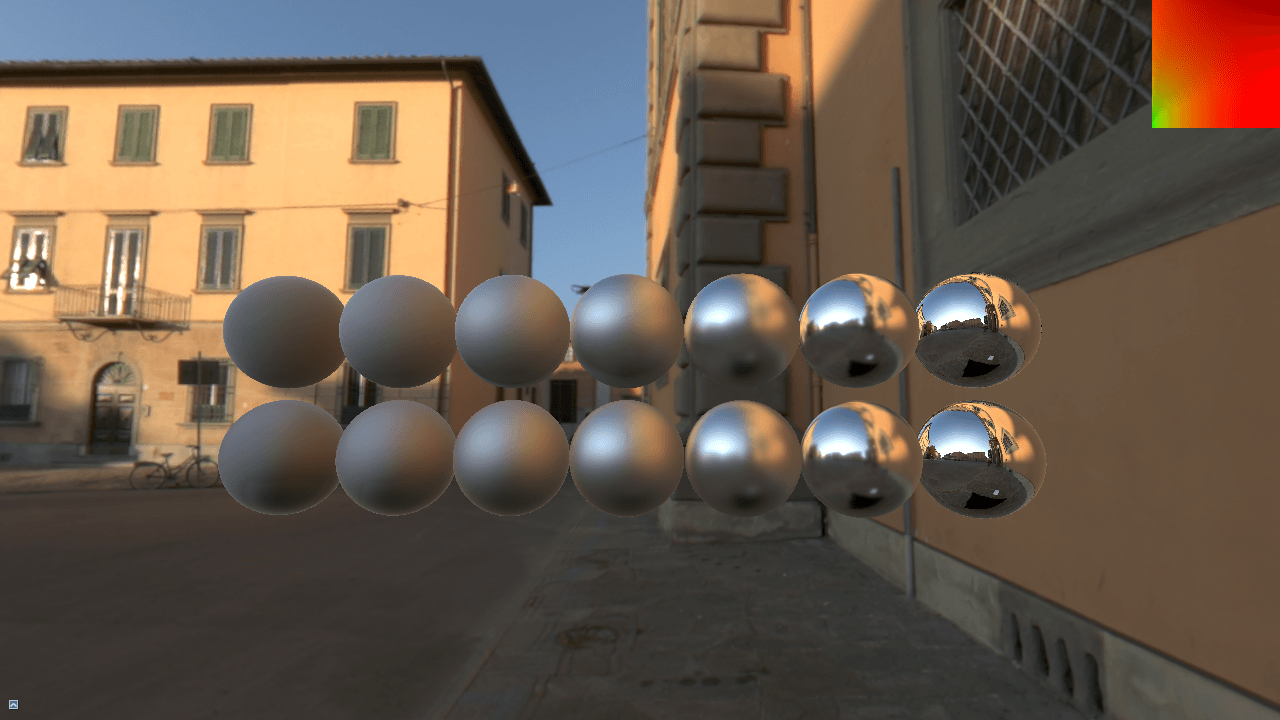
6. HDR Lighting
HDR lighting uses high dynamic range images to provide a wider range of brightness values compared to standard images. This allows 3D scenes to contain both very bright highlights and detailed shadows.
HDR lighting helps create realistic reflections, accurate material responses, and more natural illumination. It is frequently used in technical animation services, product renders, architectural visualization, and automotive visualization.
7. Volumetric Lighting
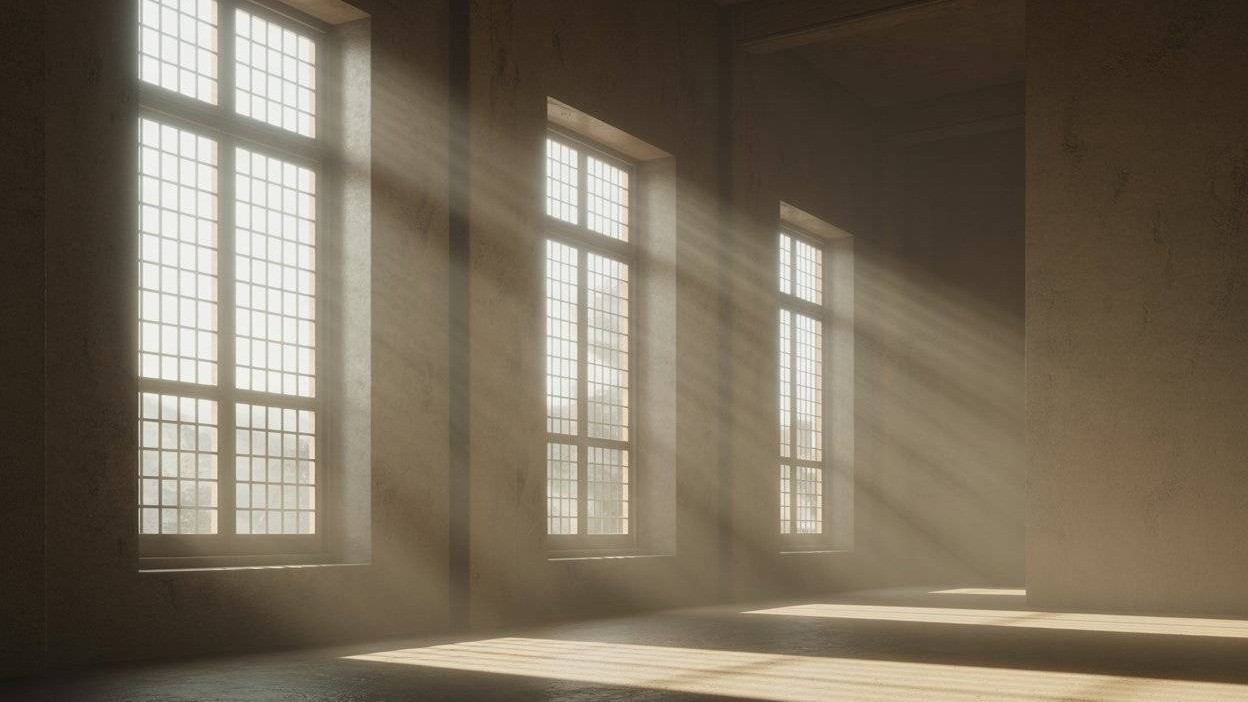
Volumetric lighting simulates the interaction between light and particles in the air, such as fog, smoke, or dust. This creates visible light beams and adds depth to digital environments.
This lighting technique is commonly used for cinematic scenes, animated films, and games. Examples include sunlight passing through windows, headlights cutting through fog, or dramatic atmospheric effects.
Beyond realism, volumetric lighting is an important visual storytelling tool because it can create specific moods and direct attention toward important elements in a scene.
8. Light Baking
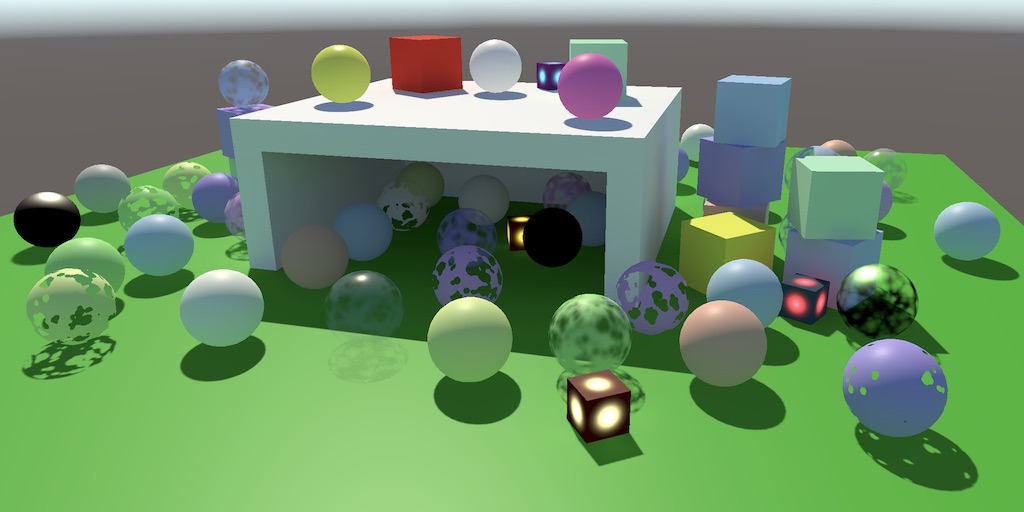
Light baking is a technique where lighting calculations are processed in advance and stored in textures or light maps instead of being calculated in real time.
This method is widely used in game art services and interactive applications because it improves performance while maintaining high-quality lighting.
Baked lighting is useful for environments with fixed lighting conditions, but it provides less flexibility when lights or objects need to change dynamically.
9. Dynamic Lighting
Dynamic lighting allows light sources to change during animation or runtime. Unlike baked lighting, dynamic lights can move, change intensity, and respond to objects in the scene.
This technique is essential for video games, virtual reality experiences, and interactive applications where lighting needs to react to user actions or environmental storytelling changes.
Although dynamic lighting provides more flexibility, it requires optimization because real-time calculations can affect performance.
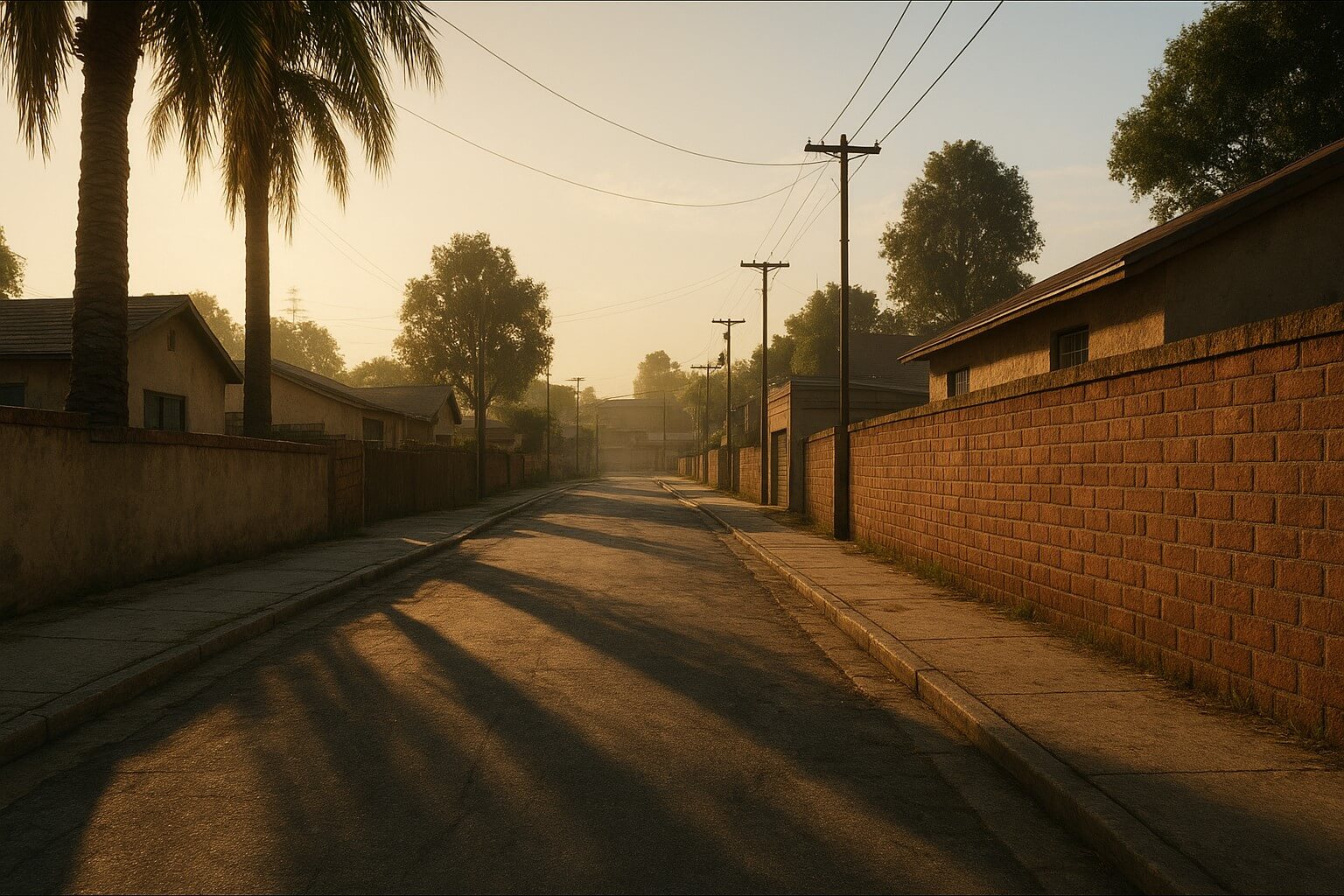
10. Advanced Shadow Techniques
Shadows are a crucial part of realistic 3D lighting because they define depth, scale, and relationships between objects.
Soft shadows are created by larger light sources and produce gradual transitions between light and dark areas. They are commonly used in realistic renders, interior scenes, and 3D product animation services.
Hard shadows are created by direct light sources and have sharper edges. They are often used for dramatic scenes or stylized visual effects.
Ambient occlusion enhances small contact shadows where objects meet, such as corners, gaps, and intersections. This technique adds depth and helps objects appear more naturally connected to their environment.
11. Cinematic Lighting
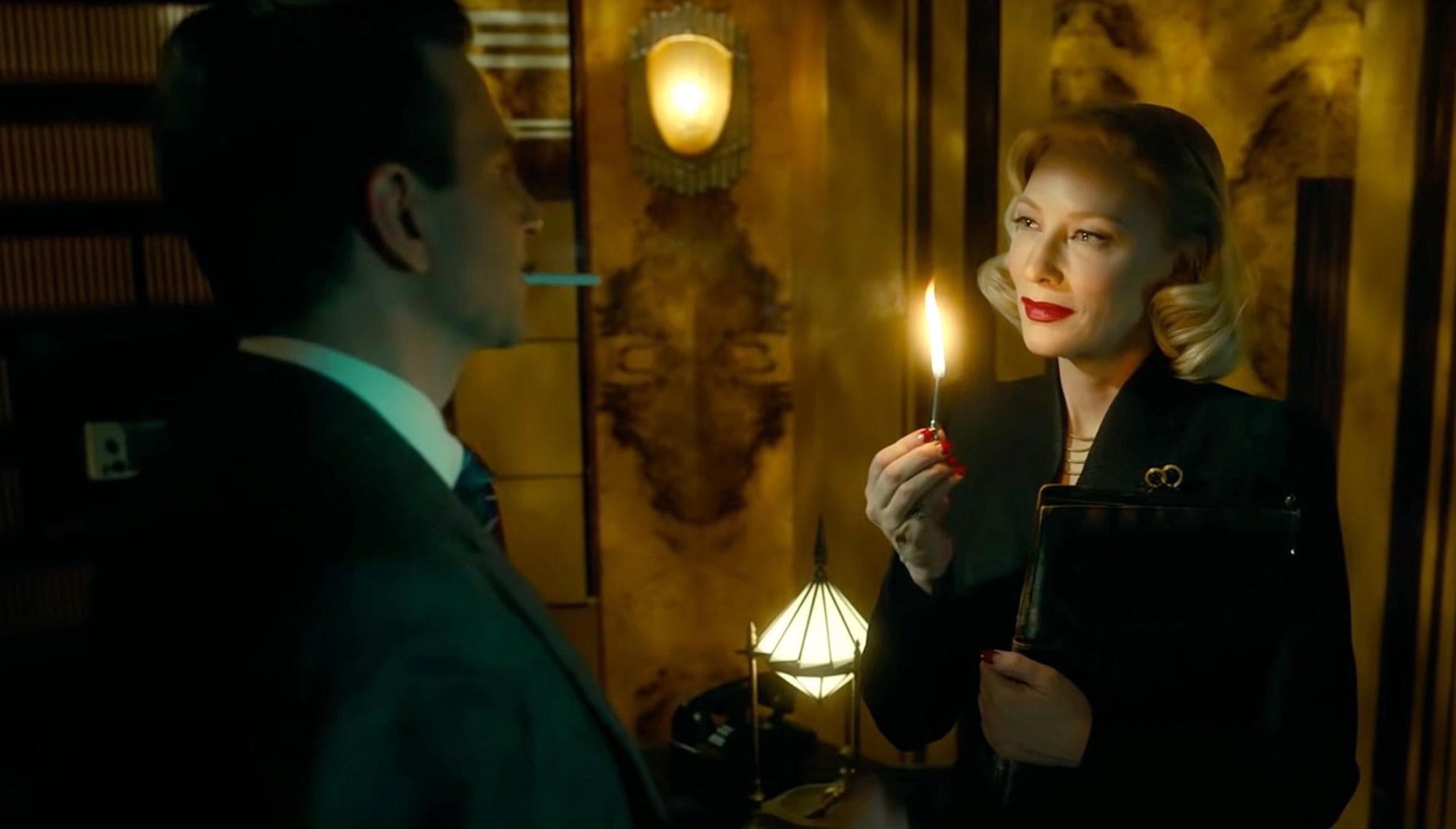
Cinematic lighting focuses on using light as an animation storytelling tool. Instead of only creating realistic illumination, artists use lighting to influence emotions, highlight important elements, and establish the visual style of a project.
Cinematic lighting often combines contrast, color grading, rim lighting, and carefully controlled shadows to create a specific atmosphere.
This approach is widely used in animated films, game cinematics, commercials, and visual effects productions.
12. Real-Time Ray Tracing
Real-time ray tracing is an advanced lighting technique that simulates the physical path of light as it interacts with objects.
Unlike traditional rendering methods, ray tracing calculates reflections, shadows, transparency, and global illumination more accurately by following individual light rays.
Modern game engines, architectural visualization software, and visualization platforms use real-time ray tracing to achieve cinematic-quality visuals while maintaining interactive performance.

3D Lighting Techniques in Different Industries
3D lighting plays an important role across multiple industries by improving realism, enhancing storytelling, and helping audiences better understand digital environments. While the technical principles remain similar, lighting approaches change depending on the purpose of the project.
3D Animation and Film
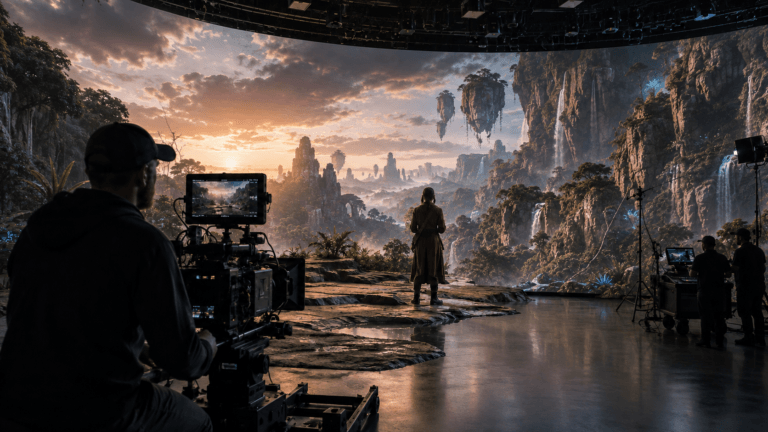
Lighting is used to support storytelling in animation, character emotions, and cinematic composition. Artists carefully control shadows, highlights, and color palettes to create specific moods.
Video Games
Game lighting must balance visual quality and performance. Real-time 3D game engines use techniques such as baked lighting, dynamic lighting, and global illumination.
Architectural Visualization
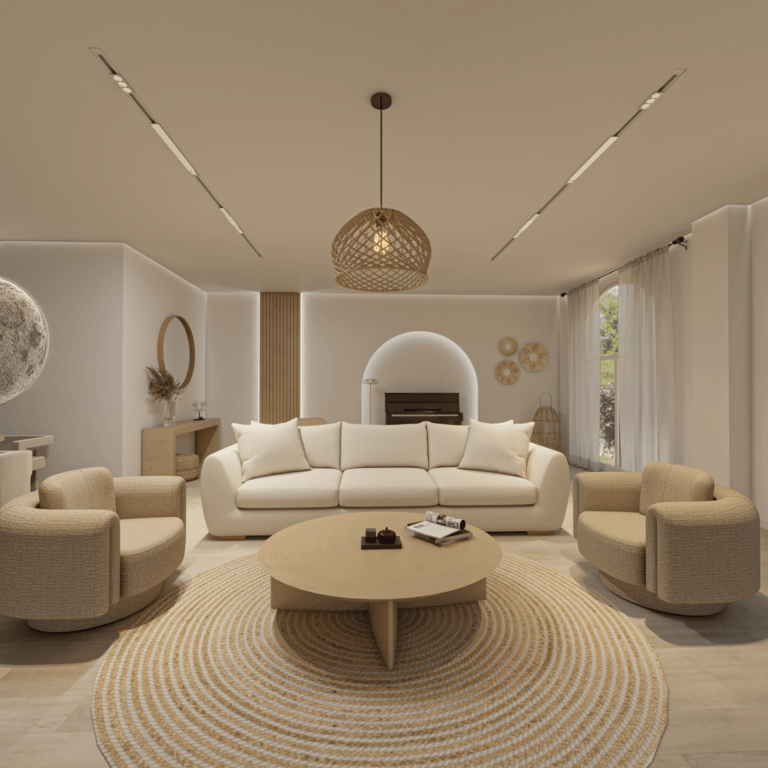
In Architectural animation services, lighting helps architects and clients understand how spaces will look under different conditions. Artists simulate sunlight, interior lighting, and materials to create realistic presentations.
Product Visualization
Lighting highlights product features, materials, and details. Professional product renders often use controlled studio lighting similar to photography.
Why Is Lighting Important in 3D Art?
Lighting is not only about making objects visible. It is a storytelling tool that controls how audiences experience a scene.
Enhances Realism
Realistic lighting helps create believable environments by simulating how light interacts with surfaces. Shadows, reflections, and indirect lighting make objects feel grounded within their surroundings.
Creates Mood and Atmosphere
Lighting can completely change the emotional impact of a scene. Warm lighting can create a comfortable and inviting feeling, while cold or high-contrast lighting can create tension and drama.
Guides Viewer Attention
Artists use lighting to direct the audience’s focus toward important characters, objects, or areas of a scene. For example, a bright light on a character’s face can immediately draw attention, while darker areas can remain visually secondary.
How to Improve Your 3D Lighting Skills
Developing strong 3D lighting skills requires both technical knowledge and artistic observation. Professional lighting artists study real-world light behavior while also understanding how to use digital tools effectively.
Study Real-World Lighting
The best way to improve as a lighting artist is to observe how light behaves in real environments. Studying photography, cinematography, and real-world references helps artists create more believable digital lighting.
Pay attention to:
- How sunlight changes throughout the day
- How shadows are created by different objects
- How materials react to different light sources
- How color theory changes under different lighting conditions
Learn Photography Fundamentals
Many 3D lighting principles come directly from photography. Understanding concepts such as exposure, contrast, focal points, and color temperature helps artists make better lighting decisions. These principles apply directly to 3D rendering workflows.
Analyze Lighting in Movies and Games
Professional films, animated movies, and games are excellent learning resources for understanding lighting decisions. Breaking down professional scenes helps artists understand how lighting supports storytelling.
Instead of only watching the visuals, analyze:
- Where the key light is placed
- How shadows affect the mood
- How color is used in animation emotionally
- How characters are separated from backgrounds
Practice Different Lighting Setups
Experimenting with different lighting arrangements is one of the fastest ways to improve. Testing different approaches helps develop a stronger understanding of how light changes the appearance of a scene.
Understand Materials and Rendering Engines
Lighting quality depends heavily on how materials interact with light. A strong lighting artist needs to understand concepts such as reflections, roughness, transparency, and physically based rendering. Learning rendering engines like V-Ray, Arnold, Cycles, Redshift, and Unreal Engine helps artists understand how different lighting systems produce final images.
Build Lighting Studies and Portfolios
Creating dedicated lighting studies is an effective way to improve skills and demonstrate ability. Artists can recreate scenes from movies, create different moods using the same environment, or experiment with various lighting styles.
Conclusion
3D lighting is a fundamental part of creating professional-quality digital content. Whether the goal is realism, stylization, or cinematic storytelling, lighting determines how audiences experience a scene.
Techniques such as three-point lighting, global illumination, HDR lighting, volumetric lighting, and physically based rendering allow artists to create visually compelling results across animation, games, architecture, and product visualization.
Mastering 3D lighting requires both technical knowledge and artistic judgment, but it remains one of the most powerful tools for bringing digital worlds to life.