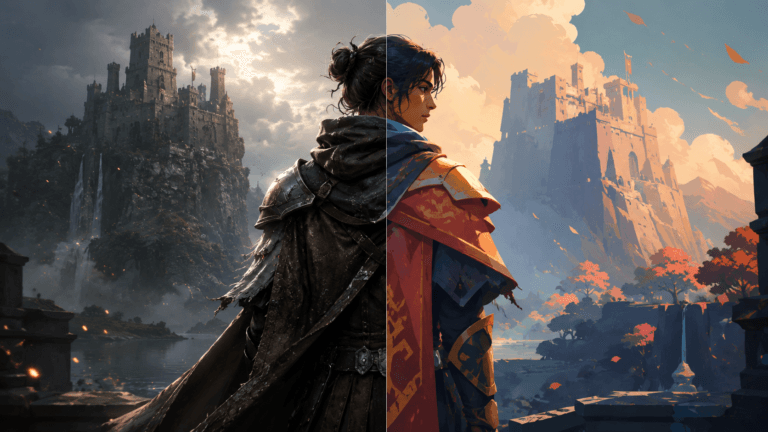
3D modeling covers a wide range of subjects. A weapon, a car, a robot, a human character, and a tree are all 3D models, but they require very different approaches. One of the most common ways to divide 3D modeling is into hard surface modeling and organic modeling.
Hard surface modeling is generally used for manufactured or mechanical objects with defined surfaces and edges. Organic modeling is used for natural forms such as characters, creatures, animals, plants, and other living or naturally occurring subjects.
The distinction sounds simple, but the workflows can overlap. A character may wear hard surface armor. A robot may have soft, organic-looking components. A game environment can contain both architectural structures and natural landscapes.
Understanding the difference helps artists choose the right modeling techniques and software for each project.
What Is Hard Surface Modeling?
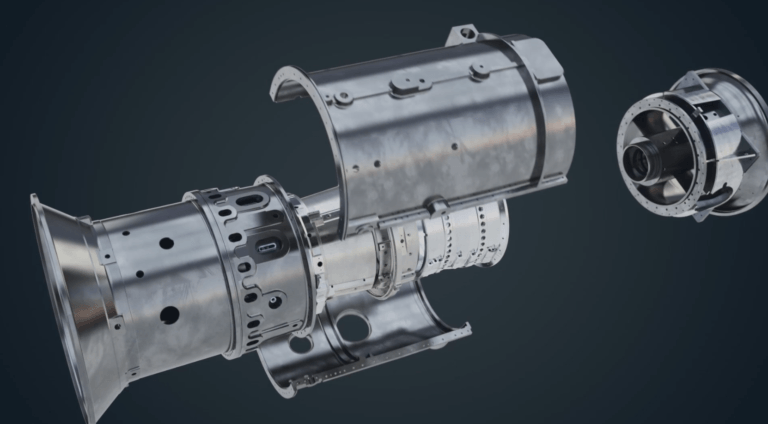
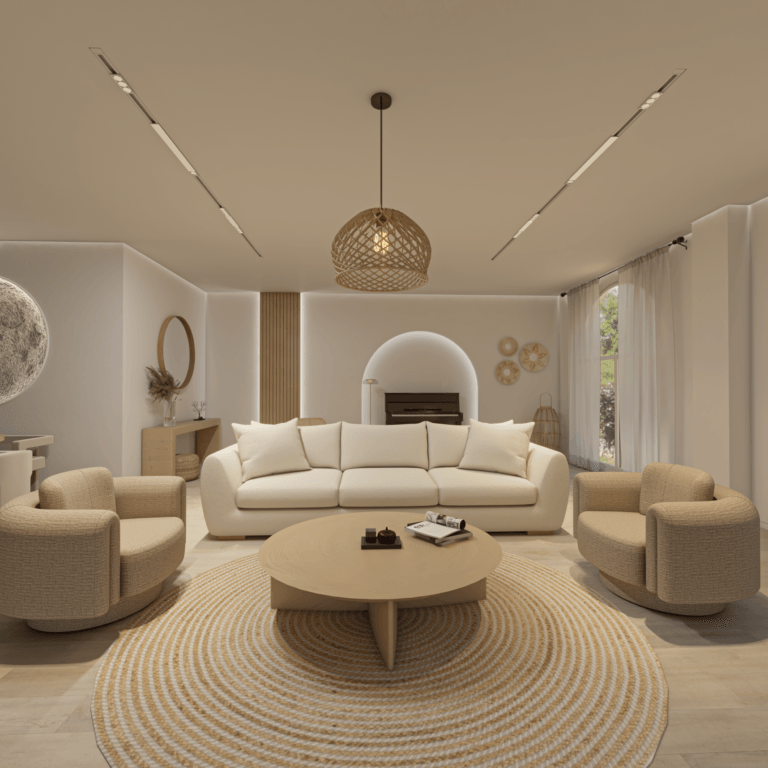
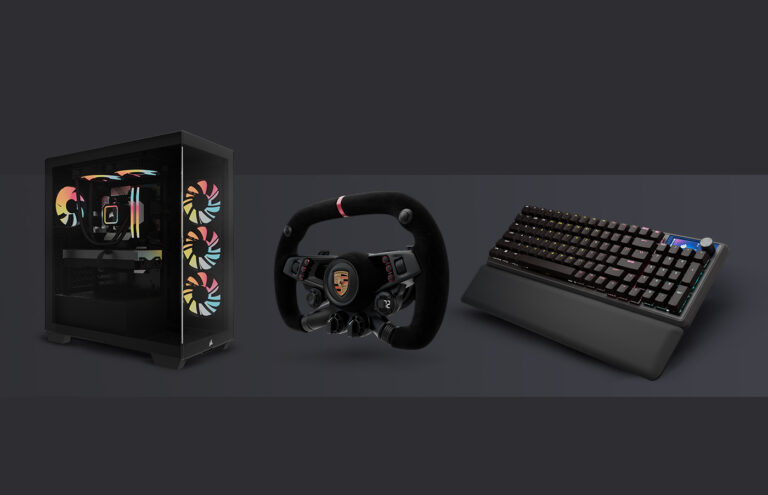
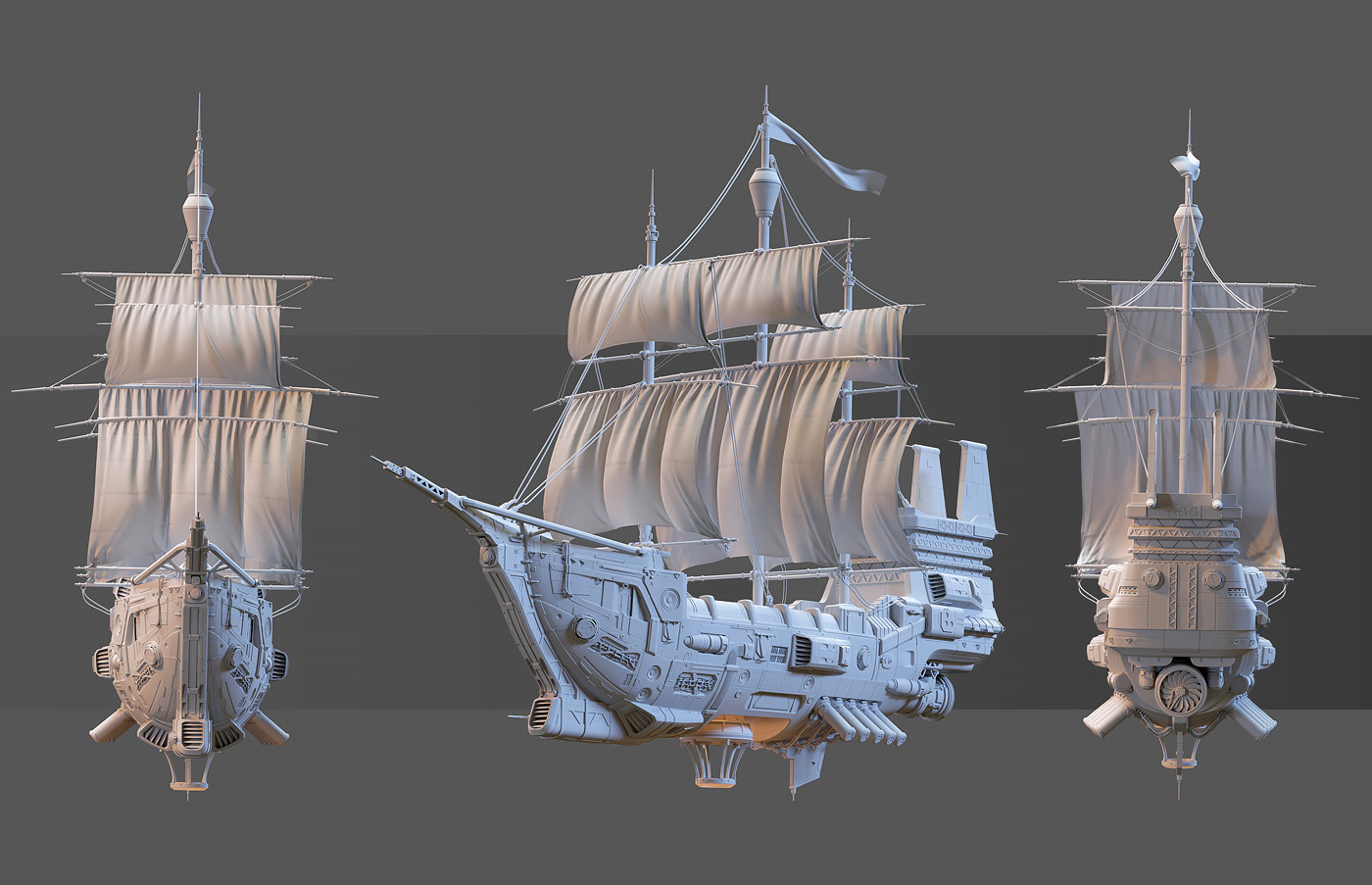
Hard surface modeling is the process of creating 3D objects with relatively rigid and manufactured forms. Common examples include weapons, vehicles, machinery, buildings, furniture, robots, electronics, tools, and industrial equipment.
These objects are usually defined by their surfaces, edges, mechanical components, and construction details. A hard surface model needs to look like something that could realistically be manufactured or assembled.
For example, when modeling a sci-fi weapon, the artist needs to think about the shape of the main body, the placement of panels, screws, handles, mechanical components, seams, and other details. The model is not only about making the object visually attractive. Its geometry should communicate how the object is constructed.
What Is Organic Modeling?
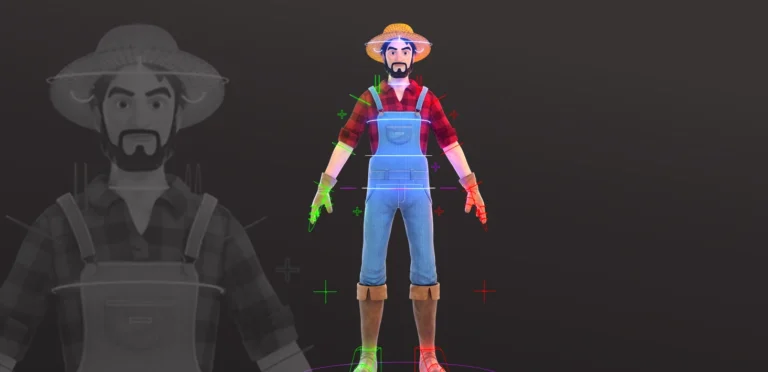
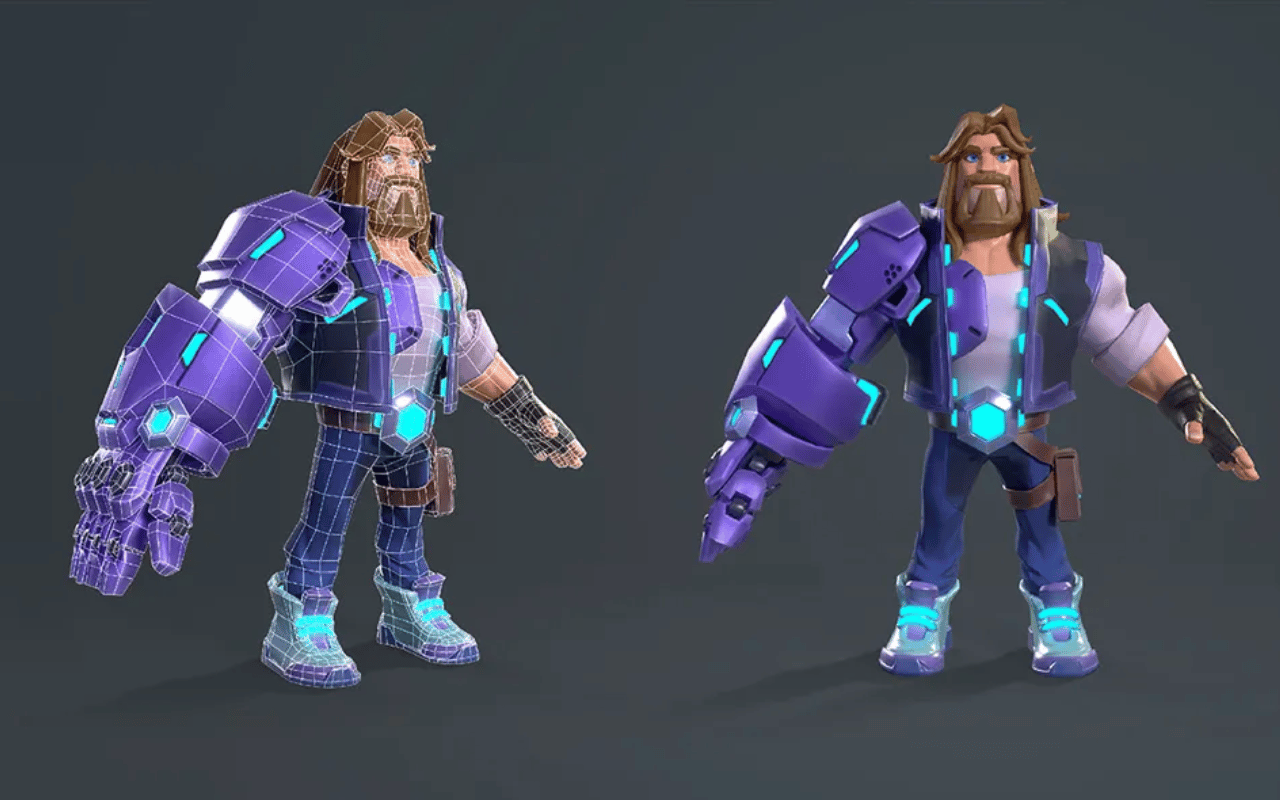
Organic modeling focuses on natural and flexible forms. Characters, animals, creatures, plants, muscles, faces, and other biological subjects are common examples.
Unlike a manufactured object, an organic subject rarely has perfectly straight edges or predictable geometric construction. Its shape is usually influenced by anatomy, movement, weight, and natural variation.
When creating a human character, for example, the artist needs to understand the underlying anatomy. The shape of the skull affects the face. The structure of the muscles affects the body. Joints need to bend naturally, and the proportions need to remain believable when the character moves. Organic modeling is therefore closely connected to anatomy and sculpting.
Hard Surface vs. Organic Modeling
The biggest difference is the type of form being created. Hard surface modeling services are generally concerned with rigid forms, defined edges, mechanical construction, and manufactured surfaces. Organic 3D modeling services focus more on curves, anatomy, deformation, natural shapes, and surface transitions.
This difference affects almost every part of the workflow.
| Feature | Hard Surface Modeling | Organic Modeling |
|---|---|---|
| Common subjects | Weapons, vehicles, machines, buildings | Characters, creatures, animals, plants |
| Main focus | Shape, edges, construction | Form, anatomy, deformation |
| Typical workflow | Polygon modeling, Boolean, beveling | Sculpting, retopology, polygon modeling |
| Surface | Often rigid and controlled | Often curved and irregular |
| Edge definition | Very important | Usually softer and more natural |
| Anatomy knowledge | Usually not required | Often essential |
| Deformation | Usually limited | Very important |
| Common software | Maya, Blender, 3ds Max | ZBrush, Blender, Maya |
| Game applications | Props, weapons, vehicles, environments | Characters, creatures, organic assets |
The categories are useful, but they are not strict rules. Many professional assets combine both approaches.
Hard Surface Modeling Techniques
Hard surface modeling often relies on techniques that give artists precise control over edges and surfaces.
1. Polygon Modeling
Polygon modeling is one of the most common approaches. Artists manipulate vertices, edges, and faces to construct the object.
For a manufactured asset, topology needs to support the intended shape while maintaining clean surfaces. A simple object may only require relatively basic geometry. A detailed game weapon can require much more careful topology because every panel, bevel, and mechanical feature needs to work correctly.
2. Beveling
Bevels are extremely important in hard surface modeling. In the real world, most manufactured objects do not have perfectly sharp mathematical edges. Even a small bevel can catch light and make a model look more realistic.
Without bevels, a model can look unnaturally sharp or computer-generated. The size of the bevel depends on the scale and material of the object. A large metal machine may have substantial rounded edges, while a precision component may use much smaller bevels.
3. Boolean Modeling
Boolean operations allow artists to combine or subtract geometry. For example, a cylinder can be used to cut a hole into a metal panel. A box can be subtracted from another object to create a slot or opening.
Booleans can significantly speed up hard surface modeling, especially when creating complex mechanical shapes. However, the resulting topology may need cleanup depending on how the model will be used.
4. Edge Control
Hard surface models depend heavily on edge control. The artist needs to decide where edges should remain sharp, where they should be softened, and how different surfaces transition into one another. This becomes particularly important during rendering because lighting reveals even small changes in surface curvature.
5. Surface Details
Hard surface assets often include details such as panels, screws, seams, vents, bolts, grooves, and mechanical components. These details can be modeled directly or represented through normal maps, height maps, or other texture-based techniques depending on the project’s requirements. For game assets, this distinction is particularly important because adding every small detail to the geometry can increase the polygon count unnecessarily.
Organic Modeling Techniques
Organic modeling usually requires a different mindset. Instead of thinking primarily about mechanical construction, the artist needs to think about form, anatomy, volume, and deformation.
Read More: 10 Top 3D Modeling Techniques
1. Digital Sculpting
Digital sculpting is one of the most common techniques for organic modeling. Programs such as ZBrush and Blender allow artists to manipulate a digital surface almost like clay. The artist can build up large forms first and then gradually refine smaller details.
For a character, the modeling process might begin with the overall body proportions. The artist can then establish the muscles and major forms before moving into facial features, wrinkles, skin details, and other secondary forms.
Read More: 3D Modeling vs 3D Sculpting
2. Anatomy
Anatomy is particularly important for character and creature modeling. An artist does not necessarily need to reproduce every anatomical structure. What matters is understanding how the underlying structure affects the visible form.
For example, the shape of the shoulders changes depending on the position of the arms. The knees and elbows have specific structural characteristics. Muscles create different surface forms depending on their attachment and movement. Without this understanding, a model can look technically detailed while still feeling anatomically incorrect.
3. Retopology
High-resolution sculpts often contain far more geometry than is practical for animation or real-time applications. Retopology is the process of creating a new, cleaner mesh that follows the important forms of the original sculpt.
This is particularly important for characters because the topology needs to support deformation. A face, for example, requires carefully placed edge loops around the eyes and mouth so that the model can produce believable expressions.
4. Deformation
Organic models usually need to move. A character may walk, run, jump, fight, speak, or make facial expressions. The geometry therefore needs to deform without producing obvious problems. This makes topology particularly important. A model that looks excellent in a neutral pose can still fail once it is rigged and animated if the topology does not support the required movements.
Hard Surface Modeling for Games
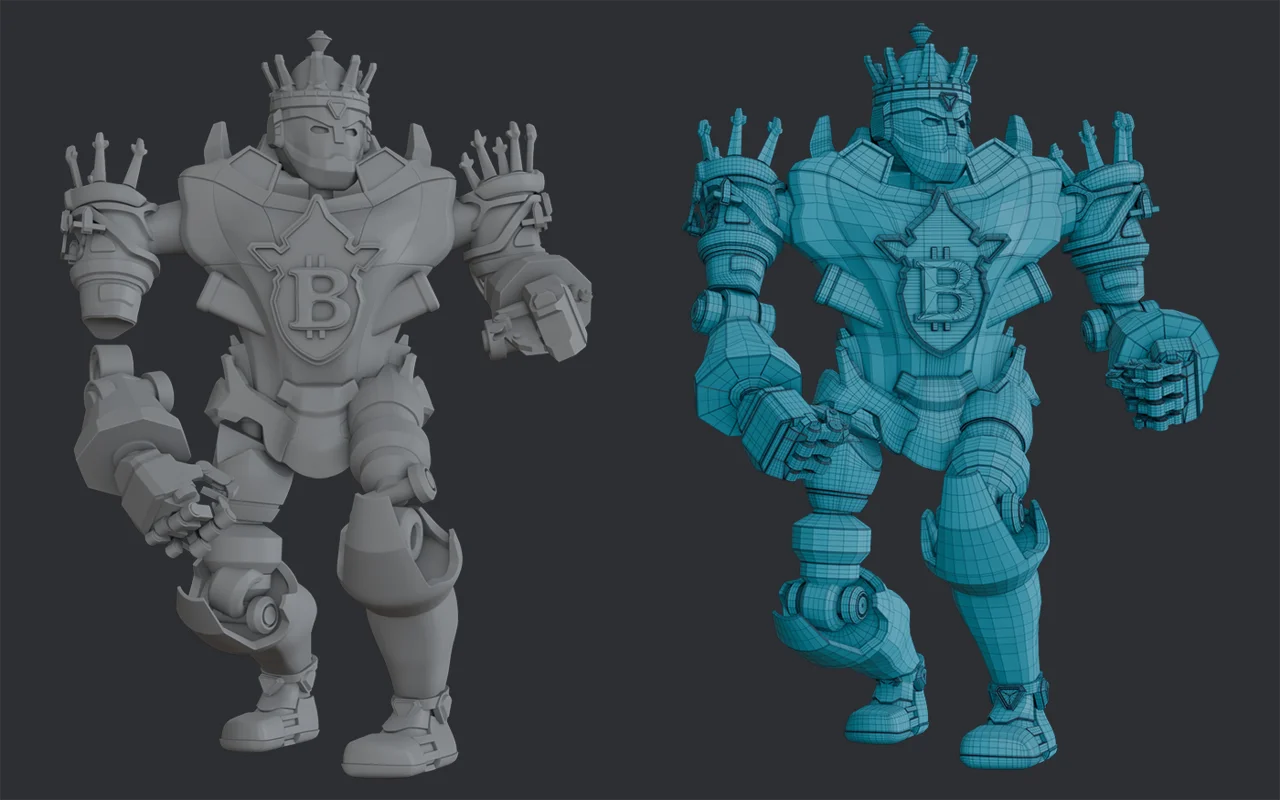
Hard surface assets are everywhere in games. Weapons, vehicles, buildings, furniture, machinery, armor, tools, and environmental props all require hard surface modeling. Game artists need to think about both visual quality and performance.
A model may need to work within a specific polygon budget. UVs need to be organized for texturing. Materials need to be optimized. Level-of-detail versions may be required for objects that appear at different distances.
The final asset also needs to function correctly inside the game engine. This means game-ready hard surface modeling is not simply about creating a detailed model. It is about creating a model that looks good and performs efficiently.
Organic Modeling for Games
Organic modeling is particularly important for characters and creatures. A game character needs to look good from many angles and deform properly during gameplay.
The workflow often starts with concept art or a character design. The artist creates a high-resolution sculpt and then develops a production-ready version. The final model may then go through retopology, UV mapping, texturing, rigging, skinning, and animation.
For games, the artist also needs to consider performance. A highly detailed sculpt may be used to create texture information for a lower-resolution game model. This allows the final asset to retain visual detail without requiring the game engine to render the entire high-resolution sculpt.

Hard Surface vs. Organic Modeling Software
There is no single modeling software package that is exclusively for one type of modeling.
Maya
Maya is widely used for both hard surface and organic modeling. It is particularly useful in professional pipelines that also require rigging, animation, and other production tasks.
Read More: Maya vs Houdini
Blender
Blender can handle both workflows and provides polygon modeling, sculpting, UV tools, animation, rendering, and many other features within one application. Its flexibility makes it popular with both independent artists and studios.
Read More: Blender vs Maya
3ds Max
3ds Max has a long history in hard surface modeling and architectural visualization. It is commonly used for props, environments, industrial objects, and other manufactured forms. The best software depends less on the category itself and more on the artist’s workflow and the requirements of the production.
Read More: 3ds Max vs Maya
ZBrush
ZBrush is particularly well known for digital sculpting and is widely used for organic modeling. It is especially useful for characters, creatures, anatomy, and high-resolution detail.
Can Hard Surface and Organic Modeling Be Combined?
Absolutely. Many modern 3D assets contain both types of modeling. Consider a fantasy character wearing metal armor. The body is an organic model while the armor is hard surface.
A robot might contain rigid metal panels combined with flexible cables and rubber components. A vehicle could have a hard exterior but include seats, tires, and other materials that require more organic forms.
Game environments are another good example. A scene might contain buildings, vehicles, rocks, trees, and characters. Professional artists therefore often need to understand both approaches, even if they specialize in one.
Which Is Harder: Hard Surface or Organic Modeling?
Neither is universally harder. They require different skills. Hard surface modeling can become extremely complex when an asset contains intricate mechanical structures, precise surfaces, and large amounts of detail. Organic modeling can be challenging because it requires a strong understanding of anatomy, proportions, sculpting, and deformation.
For a beginner, the difficulty often depends on what they are trying to create. A simple crate is easier to model than a realistic human character. A basic human character is easier than a highly detailed creature with complex anatomy. A simple weapon is easier than a realistic vehicle with hundreds of mechanical components. The complexity of the asset matters more than the category itself.
How to Choose Between Hard Surface and Organic Modeling
The easiest way to decide is to look at the subject. If you are modeling a weapon, vehicle, machine, building, piece of furniture, or manufactured prop, hard surface techniques are usually the right starting point. If you are modeling a person, animal, creature, plant, or other natural form, organic techniques are generally more appropriate.
Your 3D career goals can also influence the decision. Artists interested in game props, weapons, vehicles, environments, or industrial design may want to specialize in hard surface modeling. Artists interested in characters, creatures, anatomy, or animation may find organic modeling more relevant. However, learning the fundamentals of both can make you a more versatile 3D artist.
Tips for Learning Hard Surface Modeling
If you are starting with hard surface modeling, focus on understanding basic forms before trying to create extremely detailed assets.
Learn how to control topology, create clean edges, use bevels, and work with modifiers or Boolean operations. Pay attention to how light interacts with surfaces because even small problems in geometry can become obvious when the model is rendered. It is also useful to study real objects.
Take apart the visual structure of a camera, weapon, vehicle, chair, or electronic device. Look at how the parts connect and where the manufacturer would realistically place seams, screws, joints, and panels. The goal is to understand how the object is constructed, not just how it looks.
Tips for Learning Organic Modeling
- For organic modeling, start with anatomy and large forms rather than surface details.
- When working on a character, focus on proportions and silhouette first. Make sure the model looks correct before spending time on pores, wrinkles, hair, or other fine details.
- Digital sculpting becomes much easier when you understand what you are sculpting.
- Study anatomy references and practice blocking out bodies from simple forms. Learn how muscles affect the surface and how joints change shape when they move.
- Once the large forms are correct, gradually add secondary and tertiary details.
Conclusion
Hard surface and organic modeling may use many of the same 3D tools, but they require different ways of thinking.
Hard surface modeling is primarily about controlled forms, edges, surfaces, and manufactured construction. Organic modeling is more concerned with anatomy, curves, natural forms, and deformation. Neither approach is better than the other. The right choice depends on what you are creating and how the final asset will be used.
For game development, animation, VFX, and other professional 3D work, understanding both approaches can be extremely valuable. Even if you specialize in one, knowing how the other works can help you collaborate more effectively and choose the right workflow for each project.