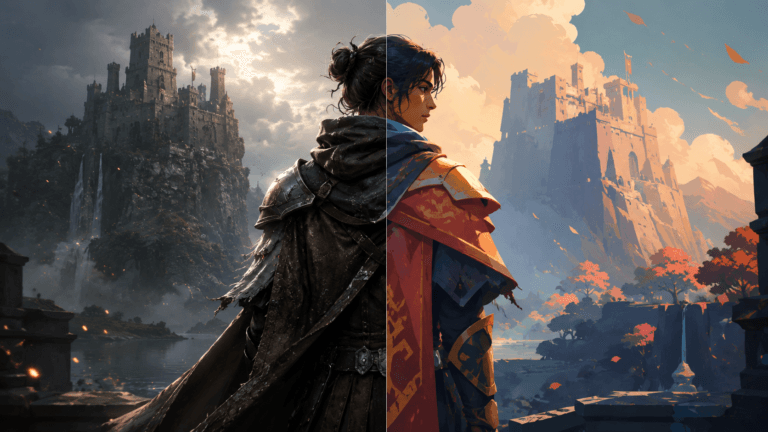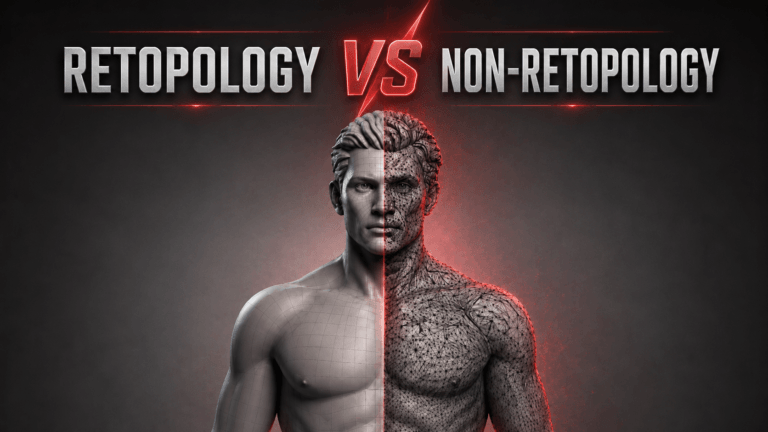

Illustration is the art of visually representing ideas, concepts, or stories through images. Unlike photography, illustrations are created manually or digitally to convey specific messages, evoke emotions, or enhance textual content. From book covers to advertising campaigns, illustration plays a crucial role in communication and design. In this guide, we explore the meaning of illustration, its types, practical applications, and why it remains a powerful tool in visual storytelling.
Definition and Purpose of Illustration
Illustration is a form of visual communication used to clarify, explain, or decorate ideas. It can be hand-drawn, digitally created, or a combination of both, serving purposes that range from artistic expression to functional communication.
What Illustration Means
Illustration is not just artwork; it is intentional design that conveys a concept. For example, a diagram explaining a scientific process or a stylized character on a book cover both qualify as illustrations.
Why Illustration Matters
Illustration services enhance understanding, capture attention, and evoke emotion. They bridge the gap between complex ideas and audience comprehension, making them essential in publishing, marketing, education, and entertainment.
Digital Illustration vs. Traditional Illustration
Illustration today can be created using either traditional methods or digital tools. Both approaches have advantages and challenges.
Traditional Illustration
Traditional illustration uses physical mediums such as pencils, pens, paints, and paper or canvas.
Advantages:
- Tangible, hands-on experience
- Unique textures and natural artistic imperfections
- Strong foundation for learning visual principles
Challenges:
- Harder to make edits or revisions
- Requires physical storage of artwork
- Time-consuming for mass reproduction
Use Cases:
Book illustrations, original artwork, gallery pieces, hand-painted animation cells.
Digital Illustration
Digital illustration is created using software and tablets, providing a modern workflow with flexibility.
Advantages:
- Easy editing and undo options
- Fast reproduction and scalability
- Integration with animation, 3D, and design workflows
Challenges:
- May lack natural textures unless simulated
- Requires learning software tools
- Over-reliance on digital shortcuts can reduce traditional skill development
Use Cases:
Web graphics, concept art, video game assets, social media visuals, commercial illustration.
Different Types of Illustration
Illustration encompasses a wide range of cartoon styles and techniques, each suited to different purposes.
1. Editorial Illustration
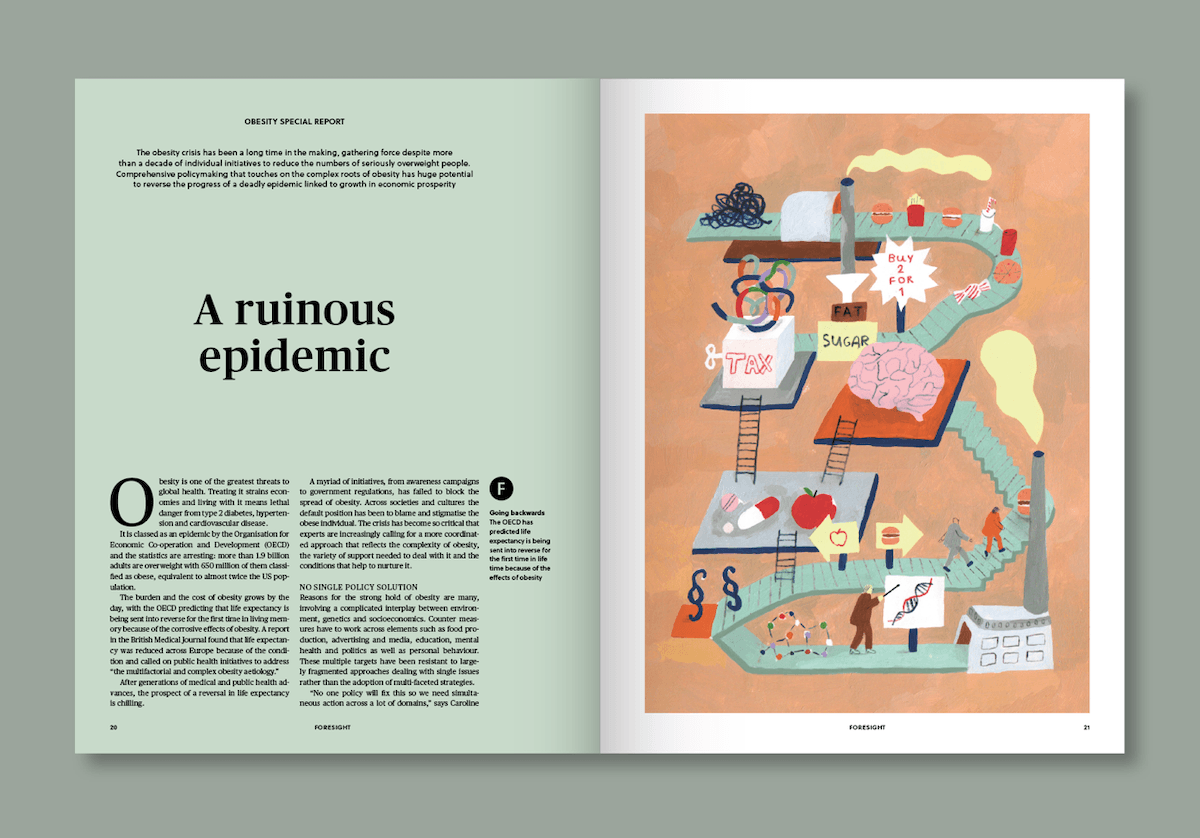
Used in magazines, newspapers, and online media, editorial illustrations visually support articles, adding context or emphasizing key points. Editorial illustrations often combine creativity with information delivery. Artists translate complex stories, abstract concepts, or humor into visuals that make articles more engaging and memorable. The style can range from realistic renderings to exaggerated caricatures, depending on the publication’s tone. Illustrators often work closely with editors to ensure the visual aligns with the story’s message.
2. Concept Art and Character Illustration
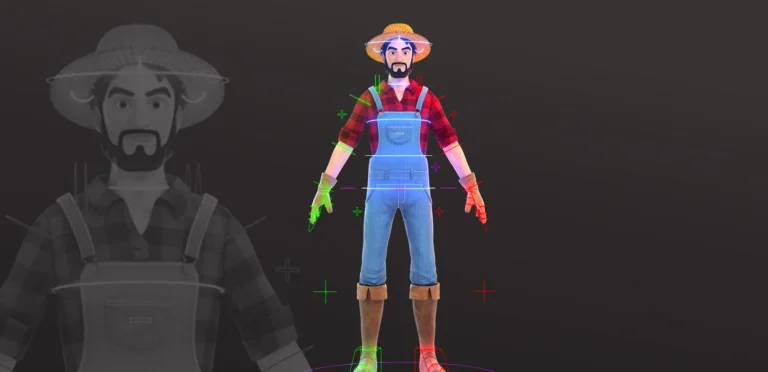
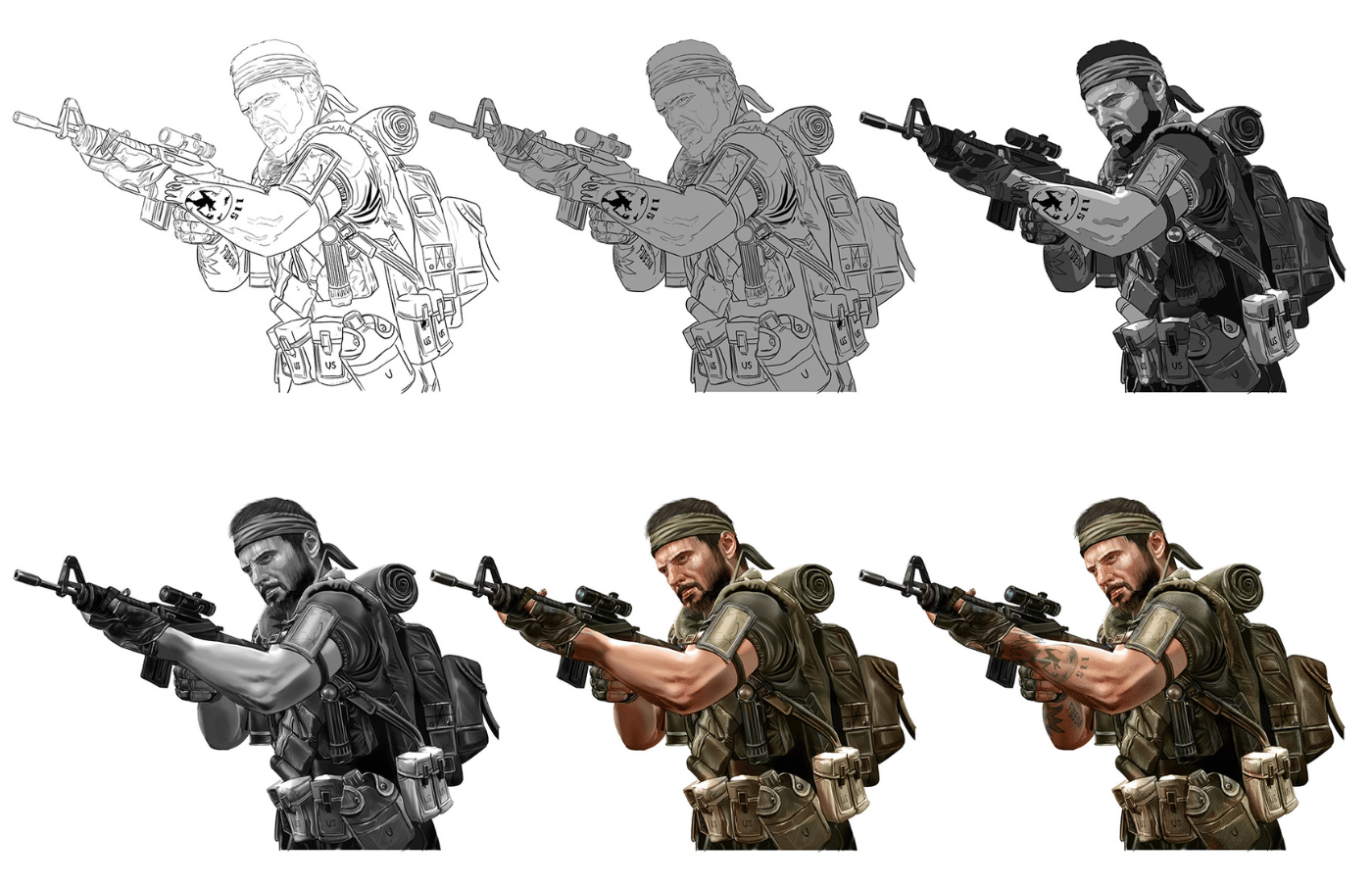
Common in games, films, and animation, these illustrations define the look, mood, and style of characters, environments, or objects before production. Concept art services serve as a blueprint for production teams. Artists create multiple iterations, exploring lighting, perspective, and design elements to ensure feasibility and artistic consistency. In character design process, character illustrations often include expression sheets, poses, and costume details. This stage saves time during modeling and animation by providing clear visual references for developers.
3. Technical and Scientific Illustration
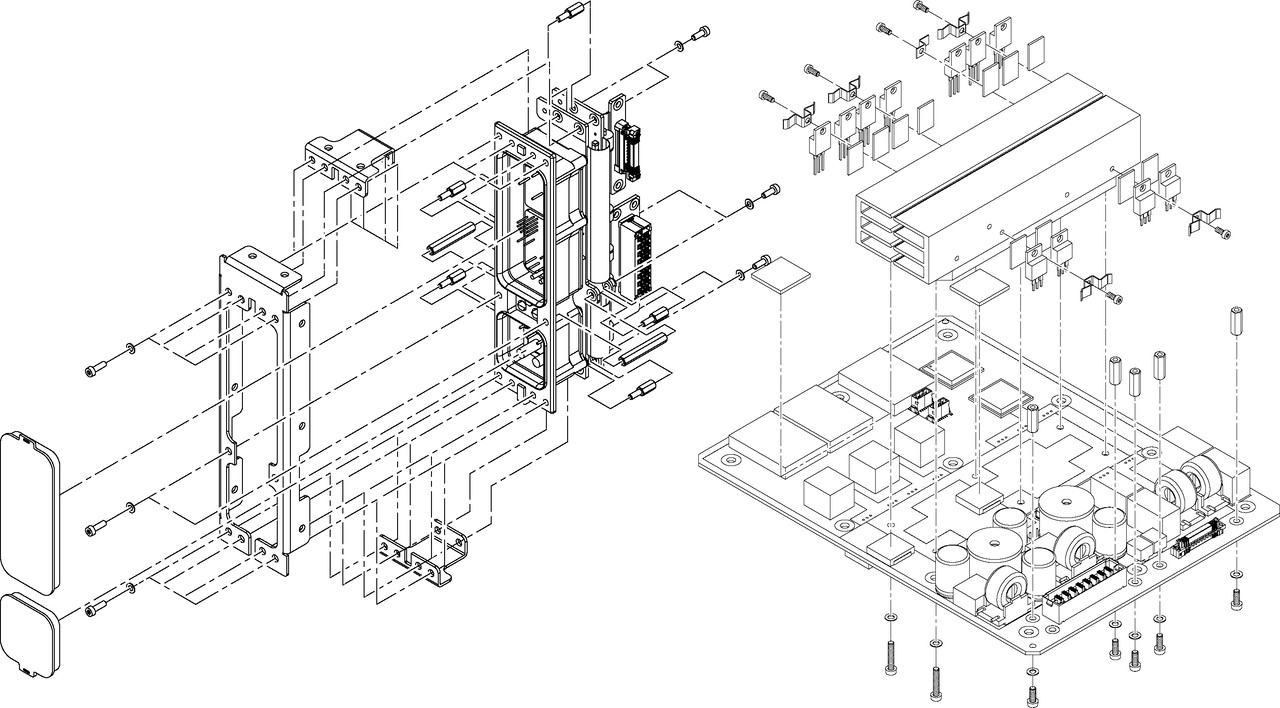
Technical illustrations explain processes, structures, or machinery with precision. Scientific illustrations communicate complex information in fields like medicine, engineering, or biology. These illustrations focus on accuracy and clarity. In technical animation services, they often employ exploded views, cross-sections, or diagrams to show internal structures and relationships. Scientific illustrators combine artistic skills with technical knowledge to ensure that visuals are both correct and easy to interpret. They are essential in textbooks, manuals, and research publications.
4. Commercial Illustration
Used in advertising, packaging, branding, and transmedia storytelling, commercial illustrations aim to attract attention and promote products. Commercial illustration merges creativity with marketing strategy. Artists craft visuals that communicate brand identity, product benefits, or emotional appeal. This includes packaging designs, social media graphics, and campaign visuals. Effective commercial illustrations can be the commercial winning formula and significantly increase consumer engagement and brand recognition.

5. Digital Illustration
With modern tools like Adobe Illustrator, Photoshop, and Procreate, digital illustration allows artists to create scalable, editable, and easily distributable artwork across multiple media. Digital illustration enables rapid iteration, layer-based editing, and seamless integration with animation or 3D workflows. It supports vector graphics for crisp designs, as well as raster textures for painterly effects. Digital tools also allow for easy collaboration, asset reuse, and distribution across web, print, and social platforms.

6. Stylized and Minimalist Illustration
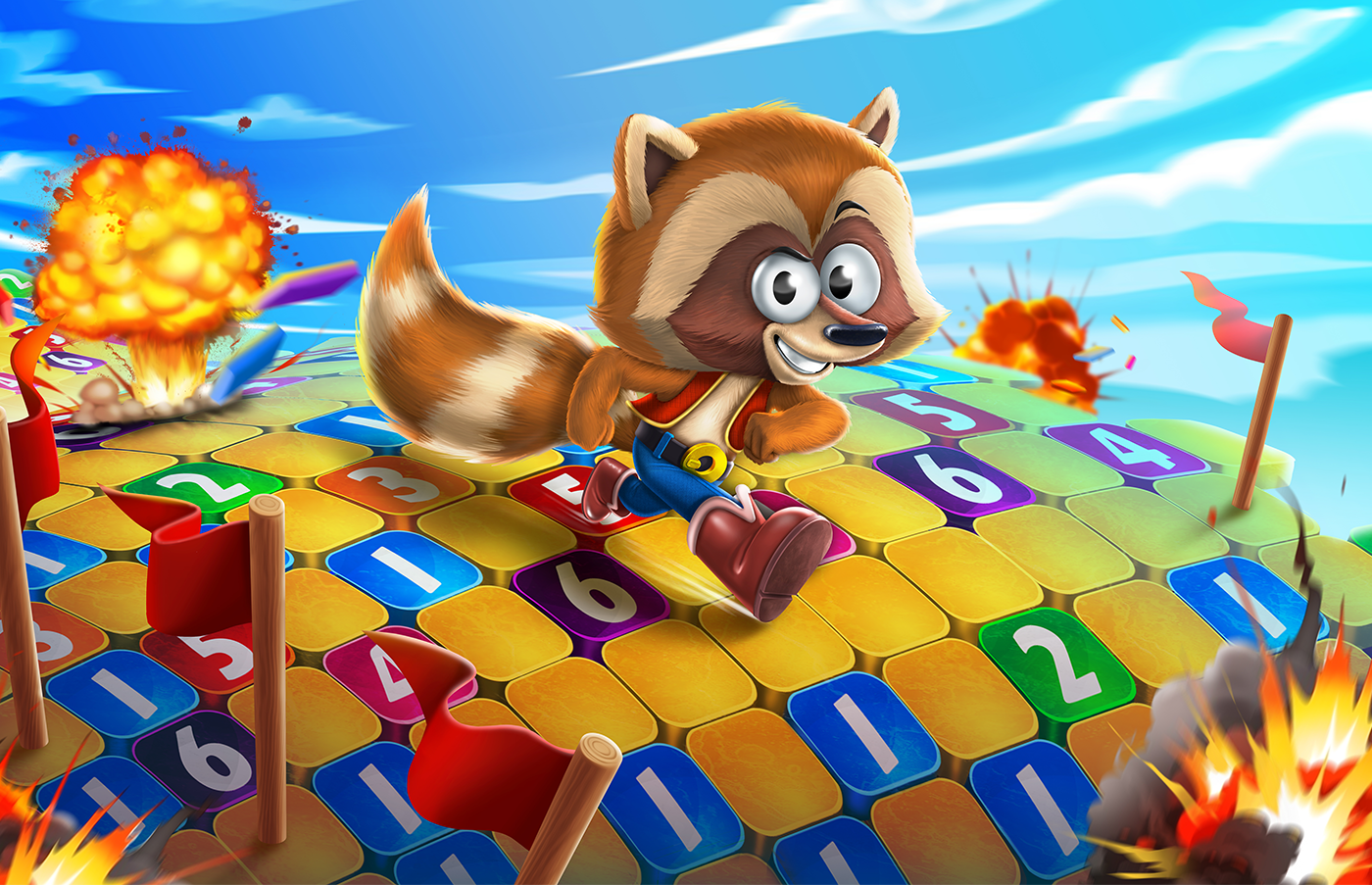
Stylized or minimalist illustrations emphasize clarity, exaggeration, or simplicity over realism. Stylized illustrations exaggerate features, colors, and proportions to create a unique identity, while minimalist approaches strip visuals down to essential forms. These styles are commonly used in UI/UX design, mobile apps, game art services, and infographic visuals. They are effective in guiding focus, improving readability, and creating a recognizable visual style for brands or games.
Applications of Illustration
Illustration is used across almost every industry to inform, entertain, and engage audiences.
Publishing and Books
Illustrations enhance storytelling in novels, children’s books, and educational materials. They provide visual context and stimulate imagination, helping readers understand narratives and concepts more easily.
Advertising and Marketing
Illustrations attract attention in campaigns, packaging, and social media. Unique artistic styles can make brands stand out, increase recognition, and convey messages more memorably than text alone.
Game and Animation
Concept art, storyboarding, and character illustrations guide visual development in games and films, helping designers and animators create cohesive worlds, characters, and props. Illustrations also serve as references for modeling, rigging, and animation pipelines.
Education and Science
Illustrations simplify complex ideas in textbooks, manuals, and scientific publications. They improve comprehension and retention by visually explaining processes, structures, or phenomena.
How Illustration Enhances Communication
Illustration conveys ideas that may be difficult to express with text alone. It combines visual shape language, emotion, and design to engage viewers and make information more memorable. In professional workflows, illustration bridges the gap between creativity and functionality, allowing concepts to be communicated clearly and effectively.
How to Become a Professional Illustrator
Becoming a professional illustrator requires a mix of artistic skill, technical knowledge, and industry understanding. Success depends not only on talent but also on continuous learning and building a strong portfolio.
Develop Strong Artistic Foundations
A professional illustrator starts with mastering fundamentals such as anatomy, perspective, color theory, and composition. Practicing sketches, studying visual references, and experimenting with different art styles help build a versatile skill set.
Learn Both Traditional and Digital Techniques
Understanding traditional mediums like pencil, ink, and watercolor can enhance artistic sensibility. Simultaneously, learning digital tools such as Adobe Illustrator, Photoshop, Procreate, or Corel Painter is essential for modern illustration workflows.
Build a Portfolio
A curated illustration portfolio showcasing your best work is critical. Include a variety of styles and projects that highlight your strengths. Tailor your portfolio for potential clients or employers to demonstrate versatility and professionalism.
Gain Industry Experience
Work on freelance projects, internships, or collaborations to gain real-world experience. Networking with other illustrators, attending workshops, and participating in online communities can help you understand client expectations and industry standards.
Stay Updated and Keep Learning
The illustration field evolves rapidly with new software, tools, and styles. Staying current through tutorials, courses, and experimentation ensures your skills remain relevant and competitive.
Conclusion
Illustration is more than art; it is a critical form of visual communication. Whether for editorial, commercial, educational, or entertainment purposes, illustrations clarify ideas, enhance engagement, and enrich storytelling. By understanding its types, techniques, and applications, creators can leverage illustration to convey messages effectively and creatively, making ideas tangible and visually compelling.