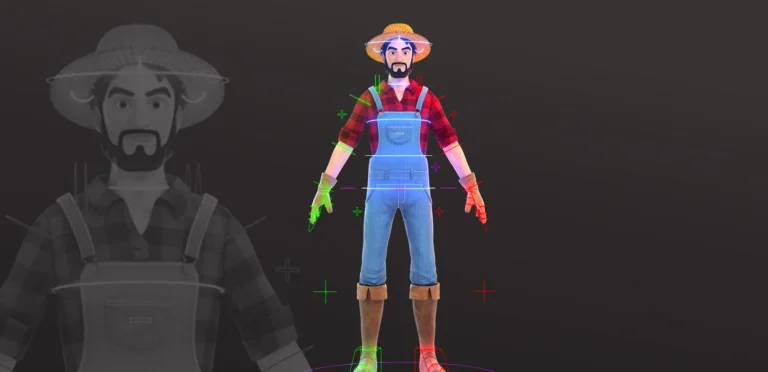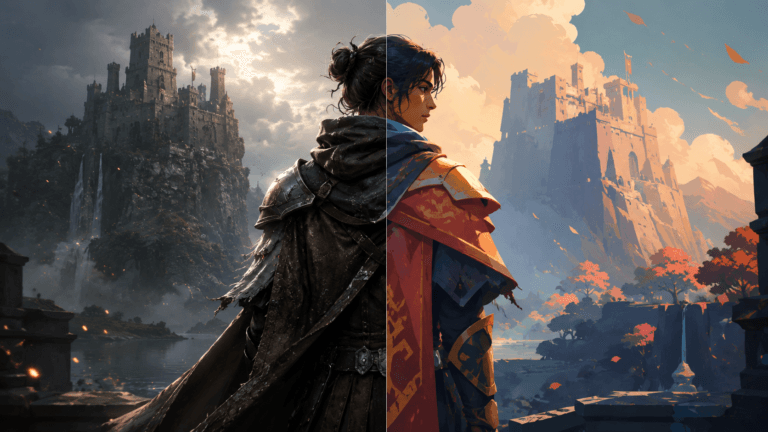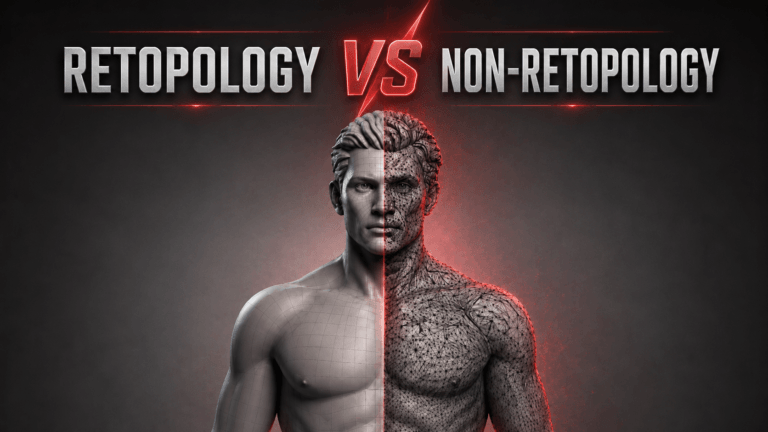

Character art style defines how a character looks, feels, and communicates with the audience. It affects the character’s anatomy, proportions, facial features, shape language, clothing, colors, textures, and level of detail.
Choosing the right character style is not only an artistic decision. It also affects modelling time, animation complexity, game performance, production costs, marketing, and the number of characters a team can create.
A realistic character may require detailed anatomy, materials, hair, and facial animation. A stylized or low-poly character may use simpler geometry but require stronger silhouettes and more intentional shape design.
In this guide, we explain the most common character art styles, their visual characteristics, ideal uses, production requirements, and popular examples.
What Is a Character Art Style?
A character art style is the visual language used to design and present a character. It determines how realistic or exaggerated the character appears and how artists handle elements such as:
- Anatomy and body proportions
- Facial expressions and features
- Silhouette and shape language
- Clothing and accessories
- Colors and materials/shaders
- Textures and surface details
- Lighting and rendering
- Animation and movement
Some character styles describe the overall design direction, such as realistic, cartoon, or anime. Others describe how the character is produced or rendered, such as low-poly, pixel art, or cel shading.
A character can therefore belong to several categories at the same time. For example, a character may be:
- Anime-inspired
- Low-poly
- Cel-shaded
- Stylized
Why Is Character Art Style Important?
Character art style influences how players or viewers understand a character before the character speaks or moves.
Large rounded shapes may communicate friendliness. Sharp angles may suggest danger or aggression. Realistic anatomy can create seriousness, while exaggerated proportions can support comedy or fantasy.
The style also affects practical production decisions and the character design process, including:
- How long does the character take to design
- How much does the character cost to design
- The complexity of 3D modelling and texturing
- The number of required animations
- Facial rigging requirements
- Performance on mobile, PC, console, or VR
- Compatibility with the environment and UI
- The number of skins and customisation options
- Consistency across a large cast
Types of Character Art Styles
Character art style plays a major role in how audiences connect with a character. From realistic designs to stylized and cartoon approaches, each style creates a different emotional impact and suits different types of projects. Here is the list of different character art styles:
Read More: Most Popular Video Game Characters
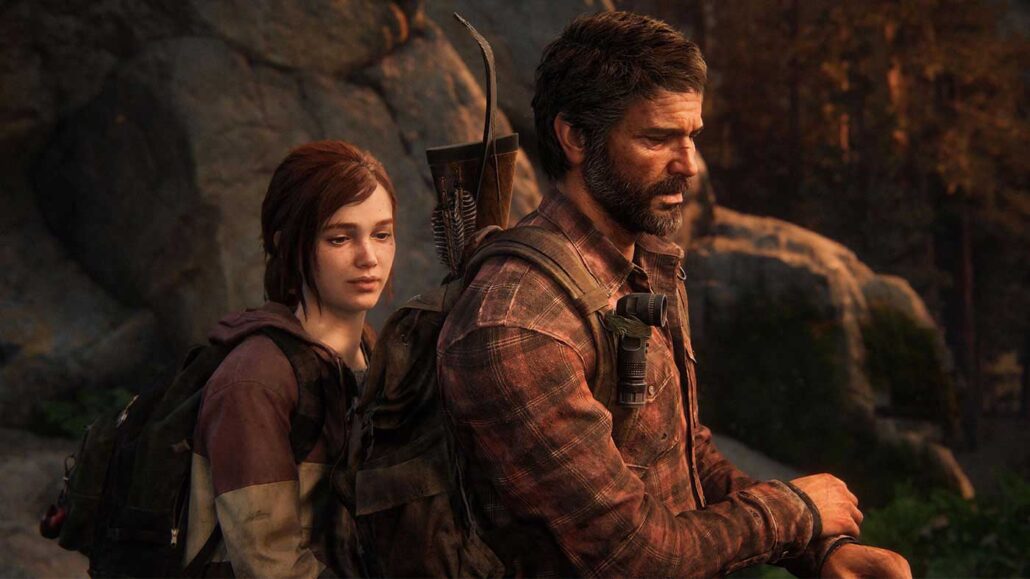
1. Realistic Character Art Style
Realistic character art attempts to represent believable human or animal anatomy, materials, clothing, and physical proportions.
Artists study real references to create accurate muscles, skin, hair, facial structures, fabrics, and movement. Small imperfections such as wrinkles, pores, scars, and asymmetry are often included to make the character feel authentic.
- Visual Characteristics: Accurate anatomy, natural proportions, detailed materials, realistic facial features, and believable clothing.
- Color Palette: Natural skin tones, realistic material colors, and environment-based lighting.
- Mood: Serious, cinematic, immersive, and believable.
- Best For: AAA games, cinematic trailers, historical projects, military games, and realistic simulations.
- Production Notes: Requires strong anatomy knowledge, detailed modelling, high-quality 3D texturing, advanced shaders, and complex facial animation.
- Examples: The Last of Us Part II, Red Dead Redemption 2, Call of Duty, and Death Stranding.
2. Hyperrealistic Character Art Style
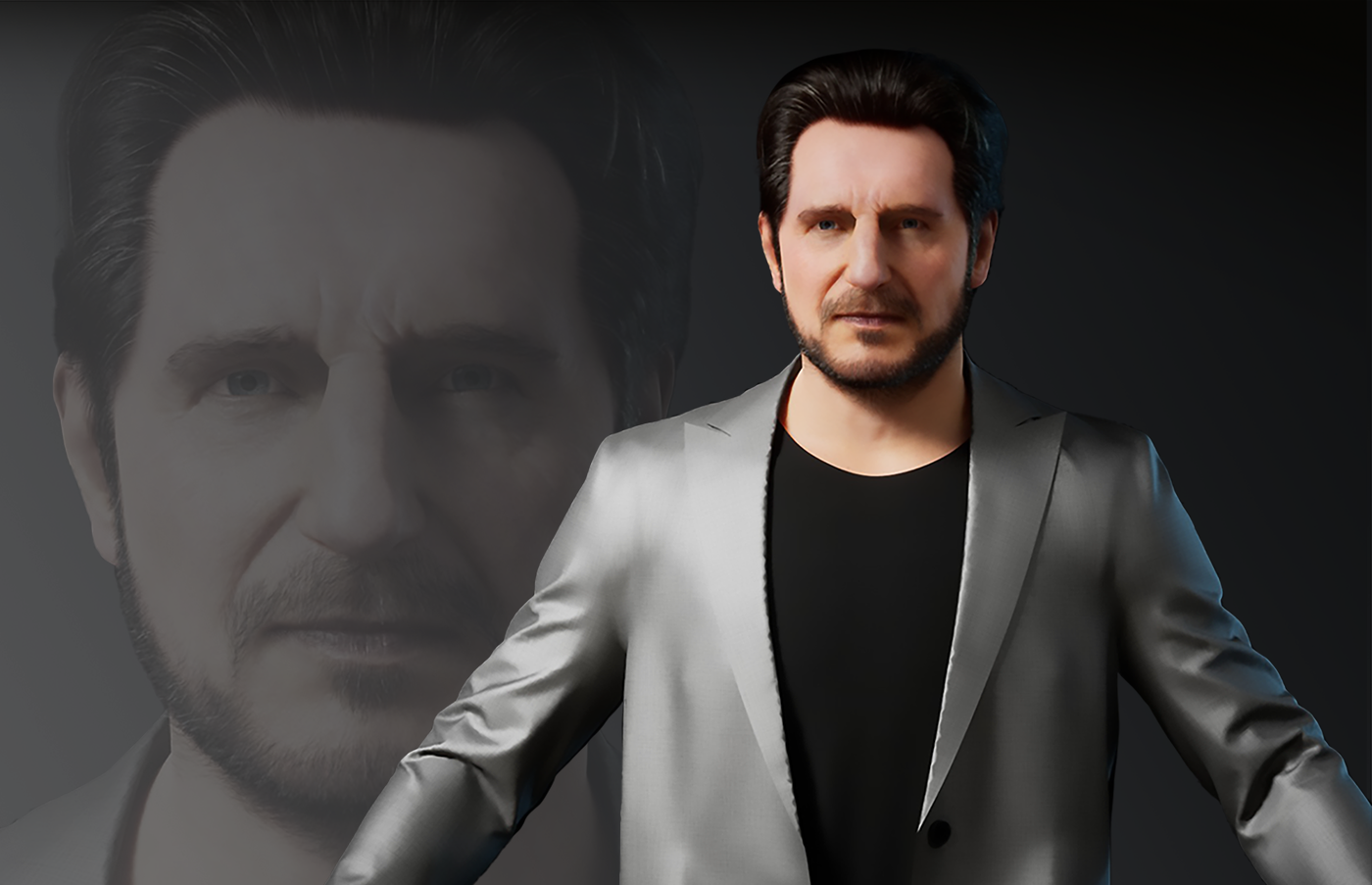
Hyperrealistic characters attempt to reproduce reality with extremely high levels of visual detail. The objective is often to make the viewer question whether the character is digital or filmed.
This style goes beyond general realism by focusing on micro-details such as individual skin pores, peach fuzz, eye moisture, cloth fibres, wrinkles, and physically accurate light interaction.
- Visual Characteristics: Extremely detailed skin, realistic eyes, individual hair strands, high-resolution textures, and physically accurate materials.
- Color Palette: Natural colors influenced by realistic lighting and camera exposure.
- Mood: Cinematic, intense, dramatic, and highly immersive.
- Best For: Feature-film and game VFX, premium cinematics, digital humans, close-up advertisements, CGI videos, and high-end visualisations.
- Production Notes: Requires scanning, high-resolution sculpting, advanced grooming, complex shaders, facial capture, and significant rendering resources.
- Examples: Digital humans in film VFX, MetaHuman productions, and high-end game cinematics.
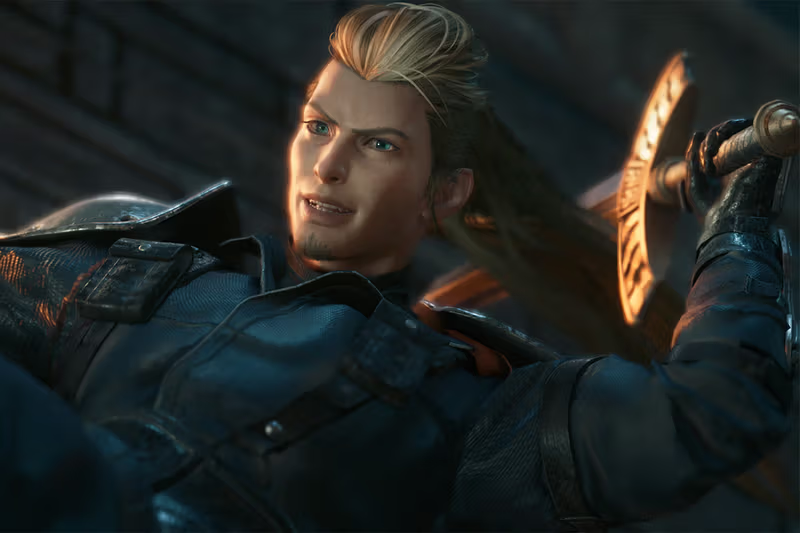
3. Semi-Realistic Character Art Style
Semi-realistic character art combines believable anatomy with simplified or exaggerated visual features.
The character may have realistic body proportions but larger eyes, cleaner skin, more graphic hair, or idealised facial features. This style offers emotional appeal without requiring full photorealism.
- Visual Characteristics: Believable anatomy, polished faces, simplified textures, stylised hair, and controlled exaggeration.
- Color Palette: Natural base colors combined with more artistic lighting and saturation.
- Mood: Attractive, cinematic, emotional, and approachable.
- Best For: Games with RPGs game genre, fantasy games, mobile games, animated series, and character-focused marketing.
- Production Notes: More flexible than realism and usually easier to keep visually consistent across a large cast.
- Examples: Final Fantasy VII Remake, Black Desert Online, League of Legends cinematics, and many fantasy RPGs.
4. Stylized Realism
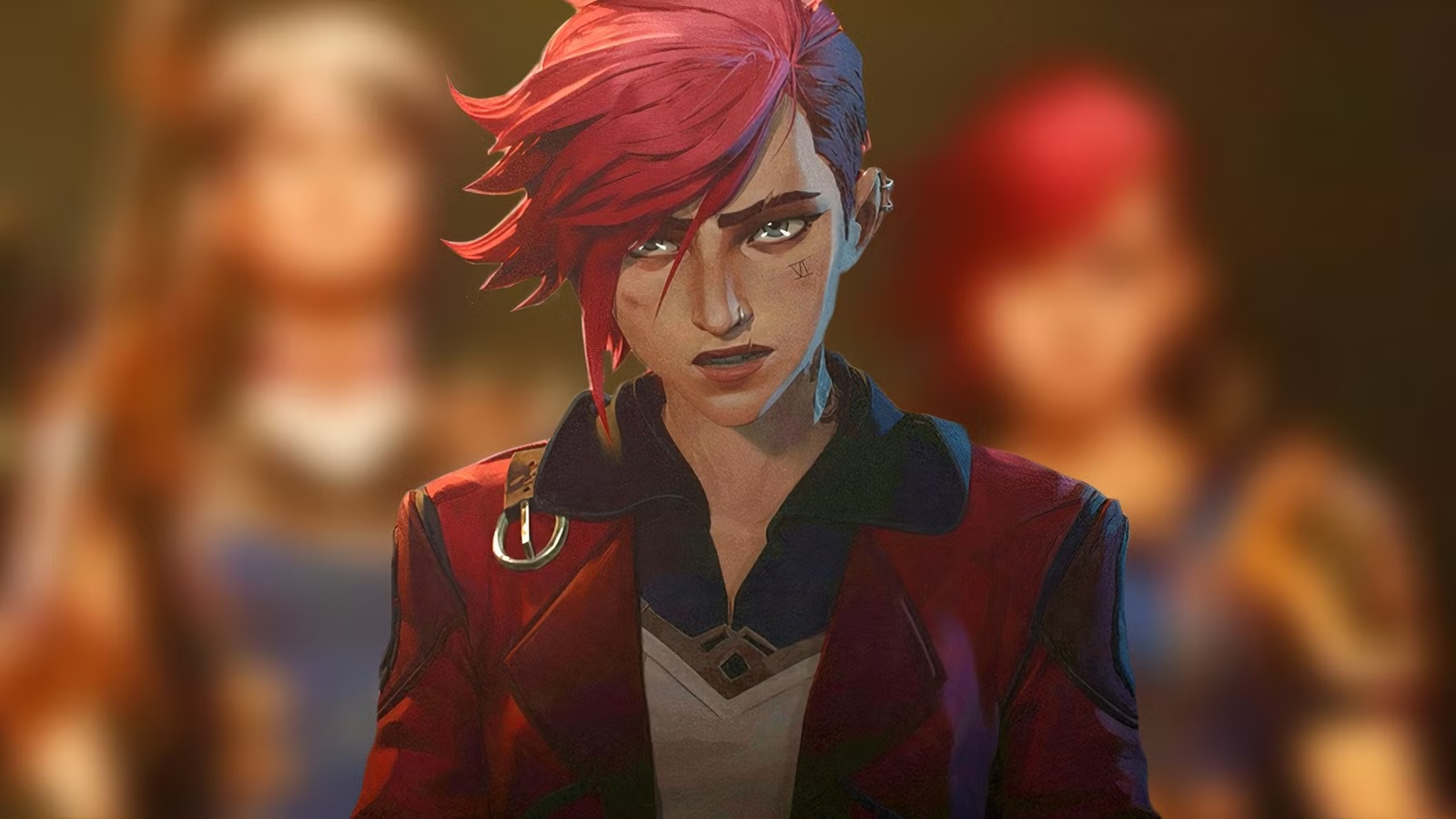
Stylized realism preserves believable anatomy and materials while intentionally exaggerating shapes, silhouettes, colors, or facial structures.
Unlike semi-realism, which often softens realism, stylized realism actively redesigns reality. Artists may enlarge hands, simplify muscles, sharpen cheekbones, or exaggerate costume shapes while maintaining believable construction.
- Visual Characteristics: Realistic foundations, strong silhouettes, simplified details, exaggerated shapes, and controlled proportions.
- Color Palette: Natural or cinematic colors with stronger artistic control.
- Mood: Heroic, polished, expressive, and cinematic.
- Best For: Fantasy games, game art services, animated series, game trailers, hero-based games, and premium mobile titles.
- Production Notes: Requires a strong understanding of realism before shapes can be exaggerated effectively.
- Examples: Arcane, Dishonored, Overwatch, and many modern fantasy game cinematics.
5. Stylized Character Art Style
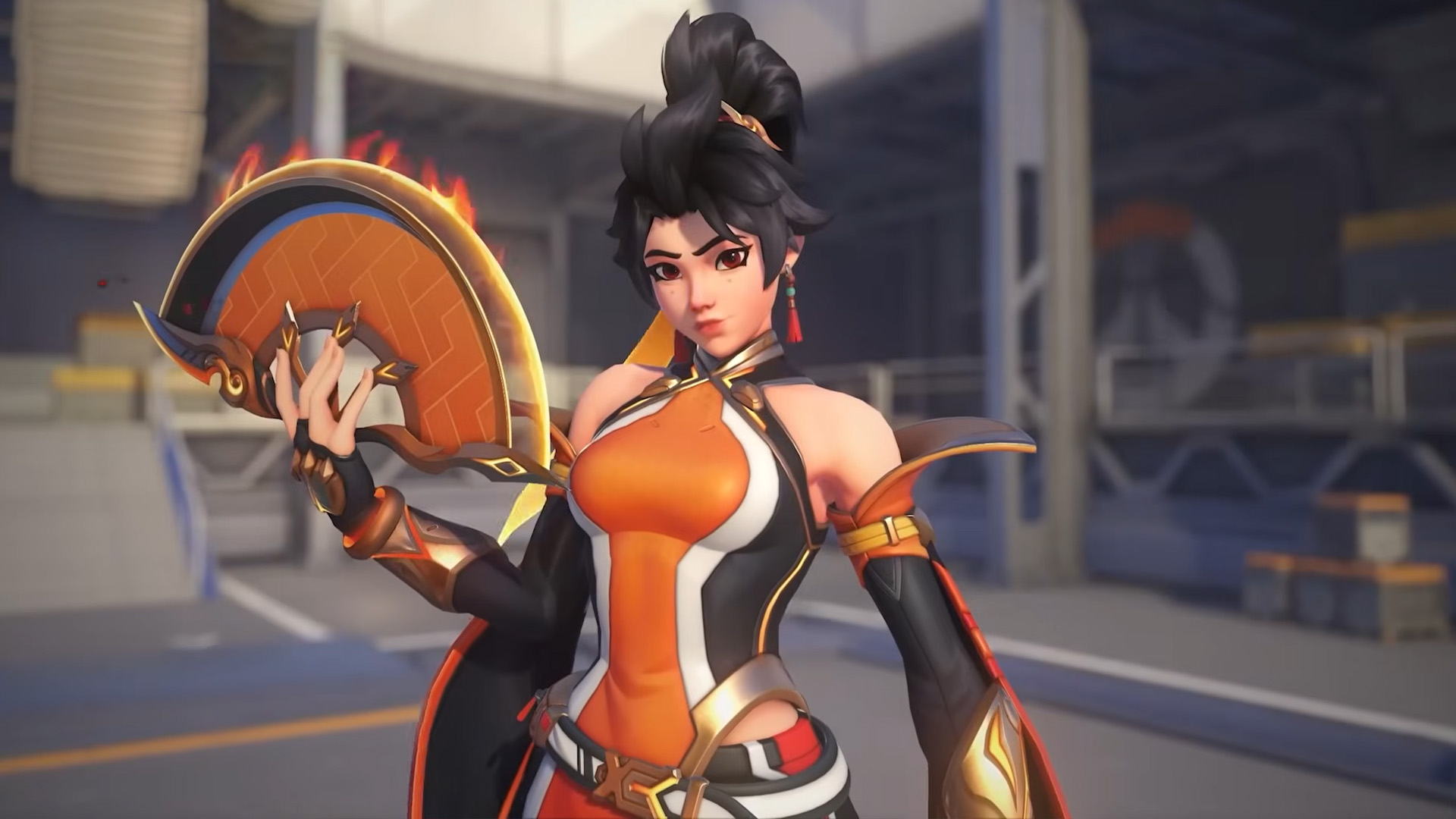
Stylized character art deliberately changes real anatomy, materials, or proportions to create a distinctive visual identity.
There are no fixed rules for stylization. Characters may have long legs, tiny heads, oversized hands, angular faces, simplified clothing, or unusual materials. The most important requirement is visual consistency.
- Visual Characteristics: Designed proportions, simplified anatomy, strong shape language, recognisable silhouettes, and selective detail.
- Color Palette: Flexible, often bold and carefully controlled.
- Mood: Creative, expressive, memorable, and imaginative.
- Best For: Games, animation, advertising, mascot design, cinematic projects, and branded animated content.
- Production Notes: Stylized does not mean easy. Strong design decisions and consistency are required throughout the entire cast.
- Examples: Overwatch, Fortnite, Sea of Thieves, and Team Fortress 2.
6. Cartoon Character Art Style
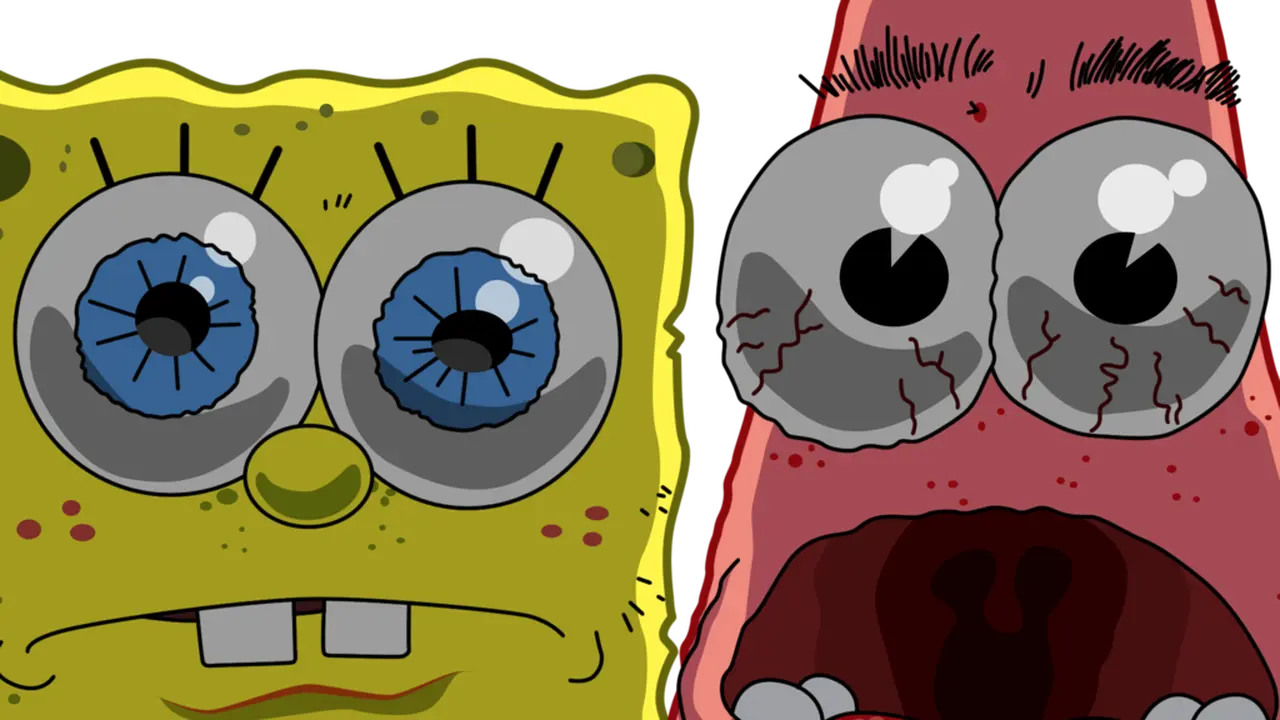
Cartoon characters simplify anatomy and exaggerate expressions, poses, and proportions.
This style prioritises readability and personality rather than anatomical accuracy. Cartoon characters often use clear silhouettes, rounded shapes, large eyes, flexible faces, and simplified clothing.
- Visual Characteristics: Simplified anatomy, expressive faces, exaggerated poses, clean outlines, and readable silhouettes.
- Color Palette: Bright, flat, and highly recognisable colors.
- Mood: Friendly, humorous, energetic, and accessible.
- Best For: Children’s content, casual games, kid’s animation services, mascots, commercials, mobile games, and comedy.
- Production Notes: Efficient designs can be easier to animate, but strong facial expressions and poses are essential.
- Examples: The Simpsons, SpongeBob SquarePants, Rayman, many animated mascots, and animations with cartoon styles.
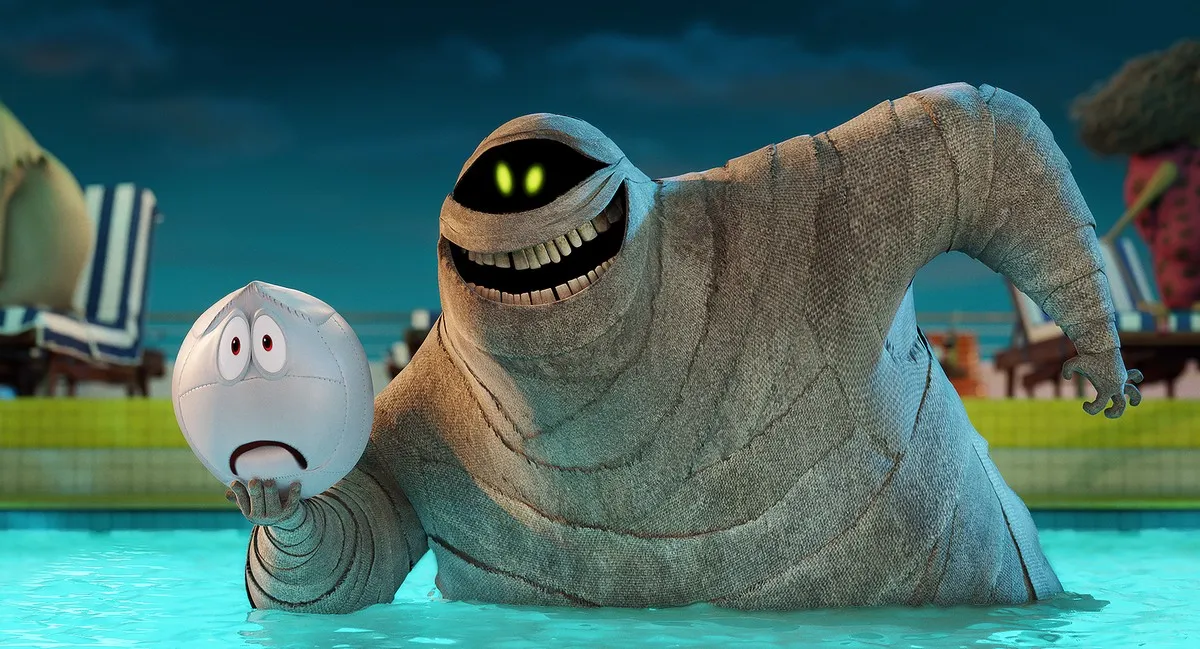
7. Exaggerated Character Art Style
Exaggerated character art pushes body proportions, poses, expressions, and shapes beyond normal cartoon simplification.
A strong character may have extremely large shoulders and tiny legs. A nervous character may have a thin body, long fingers, and wide eyes. Exaggeration is used to communicate personality immediately.
- Visual Characteristics: Extreme proportions, oversized features, stretched poses, dramatic expressions, and bold shape language.
- Color Palette: Strong, saturated, and high-contrast colors.
- Mood: Comedic, chaotic, expressive, and energetic.
- Best For: Comedy, action games, animated series, villain design, and memorable mascots.
- Production Notes: The rig and animation system must support large deformations and extreme poses.
- Examples: Crash Bandicoot, The Ren & Stimpy Show, Hotel Transylvania, and The Mask.
8. Anime Character Art Style
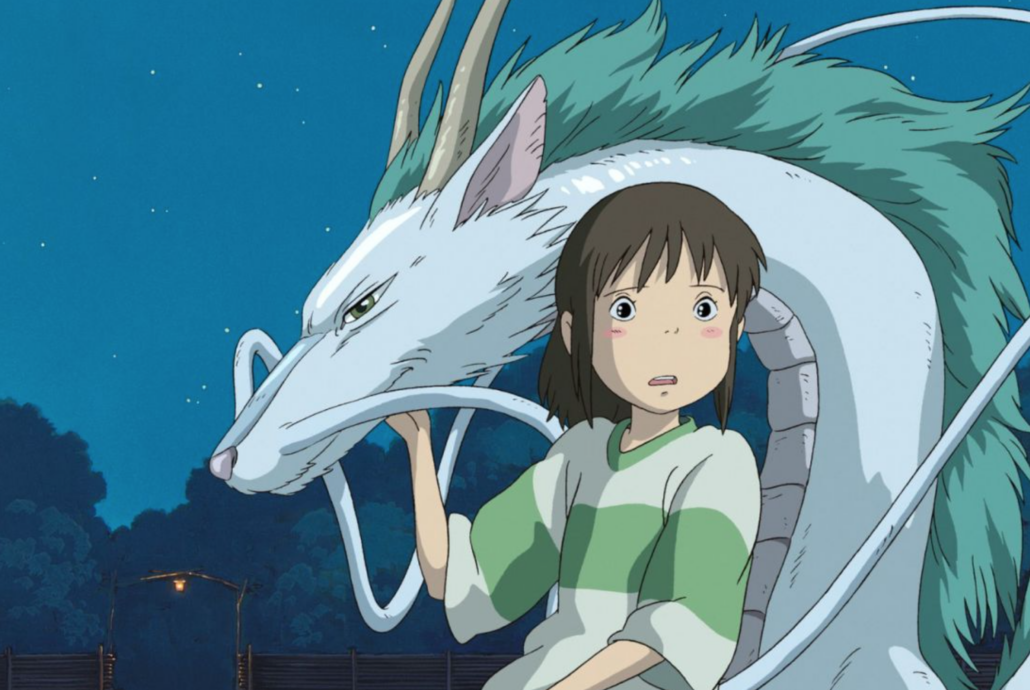
Anime character art is associated with Japanese animation and manga, although it includes many different visual directions.
Common features include expressive eyes, simplified noses and mouths, stylised hair, clean line art, and carefully designed facial expressions. Anime-inspired services may range from highly realistic to extremely simplified.
- Visual Characteristics: Expressive eyes, stylised hair, clean anatomy, graphic shadows, and recognisable facial designs.
- Color Palette: Flexible, ranging from bright fantasy colors to muted cinematic palettes.
- Mood: Emotional, dramatic, adventurous, romantic, or energetic.
- Best For: RPGs, visual novels, mobile games, animated series, and character-driven stories.
- Production Notes: Hair, facial expressions, and silhouette consistency are especially important.
- Examples: Genshin Impact, Persona 5, Naruto, Demon Slayer, and Dragon Ball.
9. Chibi Character Art Style
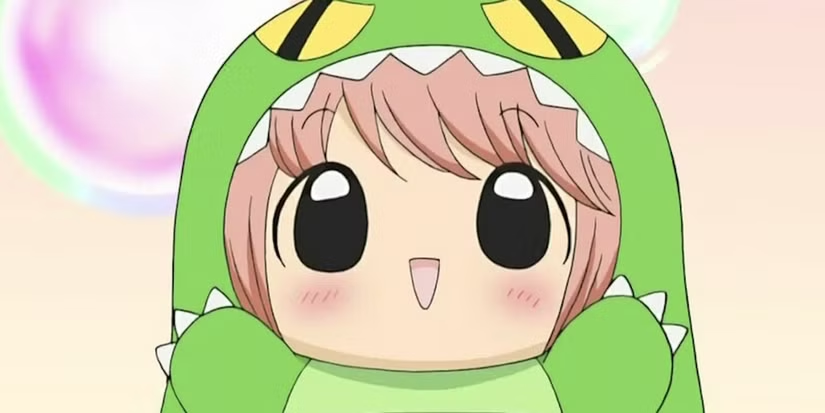
Chibi characters use extremely large heads, small bodies, short limbs, and simplified features.
The type of anime art style is mainly designed to make characters appear cute, humorous, or emotionally expressive. Existing realistic or anime characters are often converted into chibi versions for stickers, merchandise, or mobile games.
- Visual Characteristics: Large heads, tiny bodies, short limbs, oversized eyes, and minimal facial details.
- Color Palette: Bright, pastel, soft, or based on the original character design.
- Mood: Cute, cheerful, humorous, and friendly.
- Best For: Mobile games, stickers, emojis, merchandise, children’s content, and social media.
- Production Notes: Small body proportions can limit complex movements but make expressions highly readable.
- Examples: Chibi anime sequences, collectible mobile-game characters, and character stickers.
10. Comic-Book Character Art Style
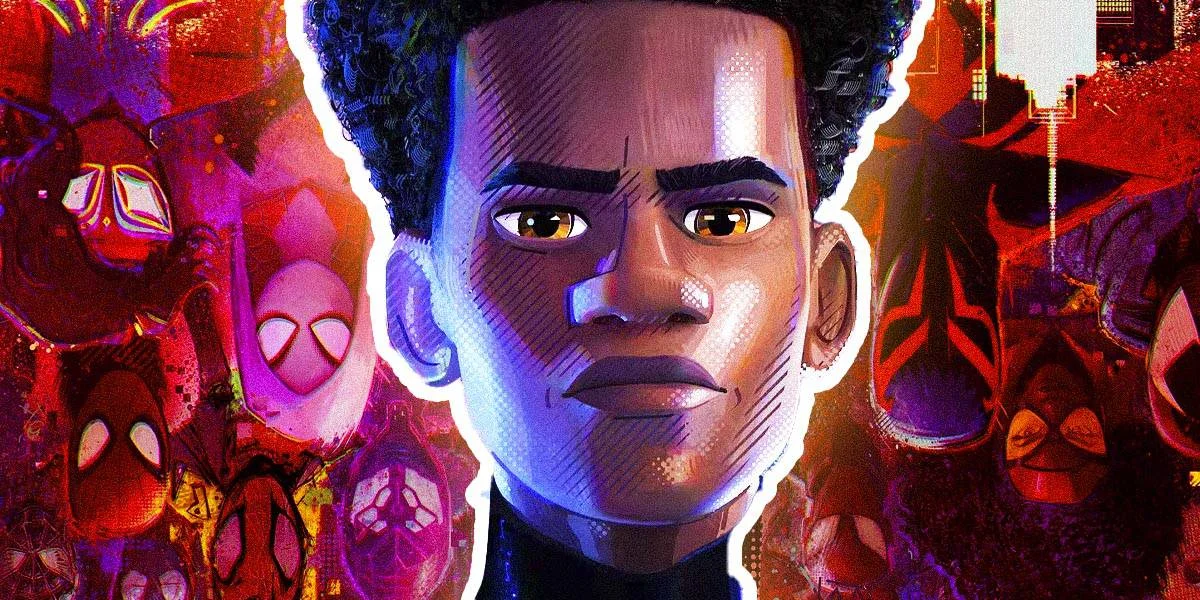
Comic-book character art uses bold line work, strong anatomy, graphic shading, and dramatic poses.
The style is influenced by printed comics and may use inked outlines, halftone patterns, cross-hatching, speed lines, or highly controlled shadows.
- Visual Characteristics: Bold outlines, dynamic anatomy, dramatic poses, inked shadows, and graphic textures.
- Color Palette: High-contrast colors, limited printed palettes, or dark cinematic tones.
- Mood: Heroic, dramatic, intense, and energetic.
- Best For: Superhero games, action projects, motion comics, fighting games, and animated adaptations.
- Production Notes: Clear silhouettes and readable action poses are more important than subtle movements.
- Examples: Spider-Man: Into the Spider-Verse, Marvel’s Midnight Suns, The Wolf Among Us, and superhero comics.
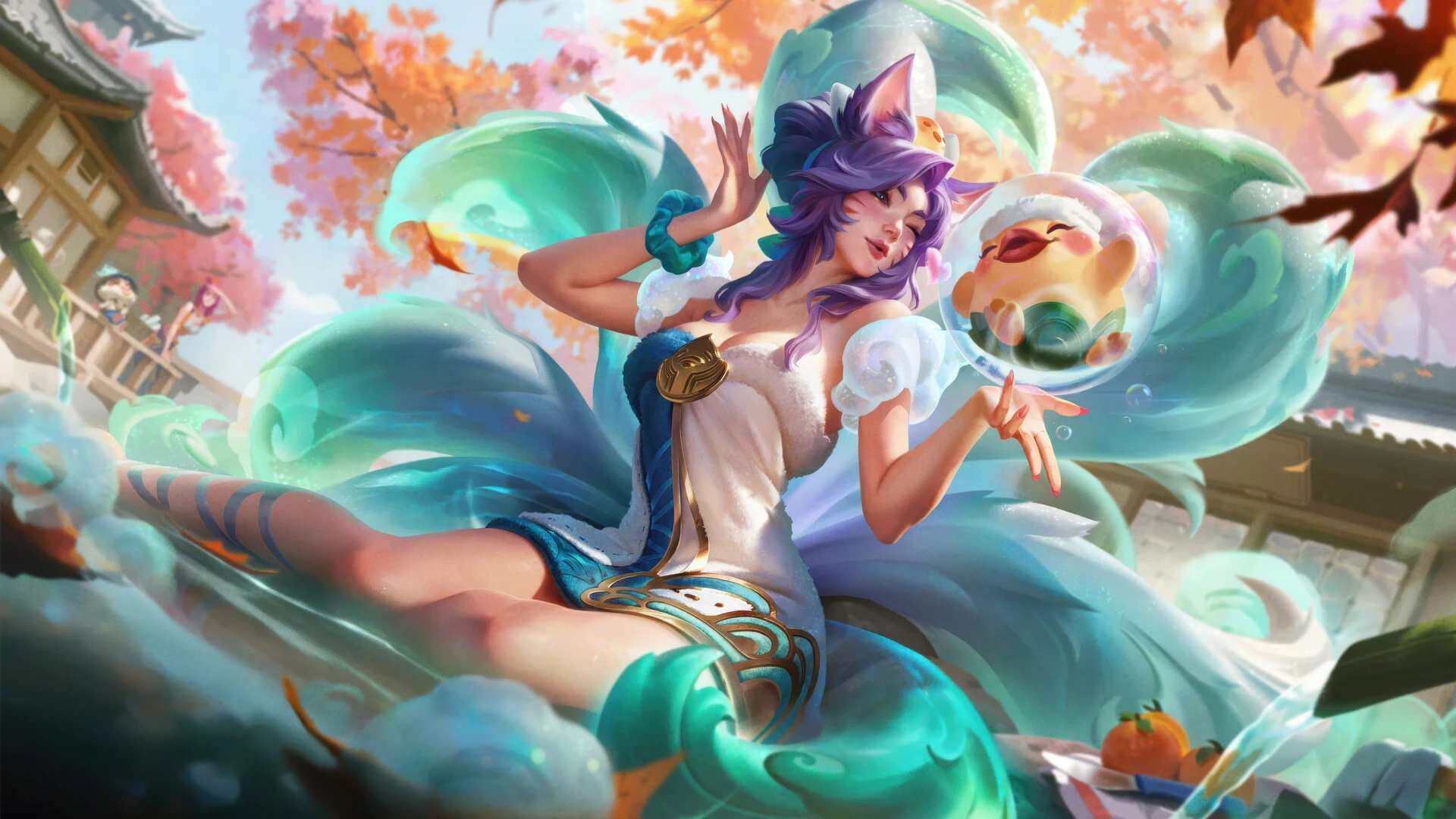
11. Painterly Character Art Style
Painterly character art imitates traditional painting through visible brushwork, textured shading, and soft transitions.
The character may look like a concept painting, illustrated book cover, or animated canvas rather than a clean digital model.
- Visual Characteristics: Visible brush strokes, textured surfaces, soft edges, rich lighting, and layered colors.
- Color Palette: Complex, atmospheric, and influenced by traditional painting.
- Mood: Artistic, emotional, cinematic, and immersive.
- Best For: Fantasy games, concept art, creating card games, visual development, and cinematic illustration.
- Production Notes: Maintaining consistent brushwork across multiple characters can be challenging.
- Examples: Fantasy card illustrations, League of Legends splash art, and painterly game cinematics.
12. Hand-Painted Character Art Style
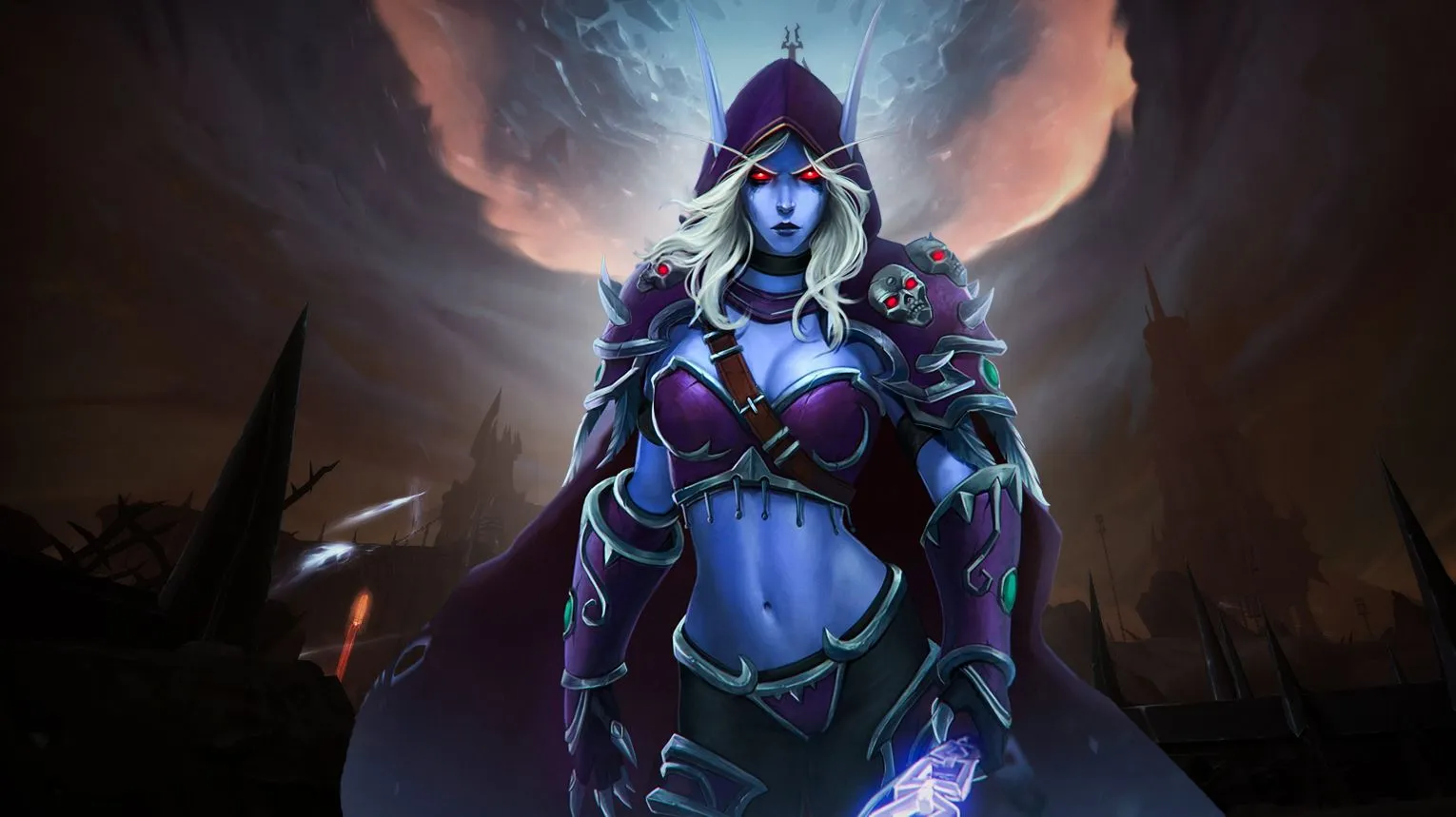
Hand-painted characters use manually painted textures instead of relying heavily on physically based materials and realistic lighting.
Artists paint shadows, highlights, fabric folds, skin variation, and surface details directly into the textures. The character keeps a readable look even under simple lighting.
- Visual Characteristics: Painted lighting, visible brushwork, simplified materials, controlled details, and clear color separation.
- Color Palette: Rich, stylised, and intentionally painted.
- Mood: Fantasy-driven, handcrafted, colourful, and expressive.
- Best For: Stylized games, mobile games, fantasy RPGs, and projects with controlled lighting.
- Production Notes: Requires strong painting skills but can reduce shader and lighting complexity.
- Examples: World of Warcraft, older stylized RPGs, and hand-painted animations and mobile game characters.
13. Flat Vector Character Art Style
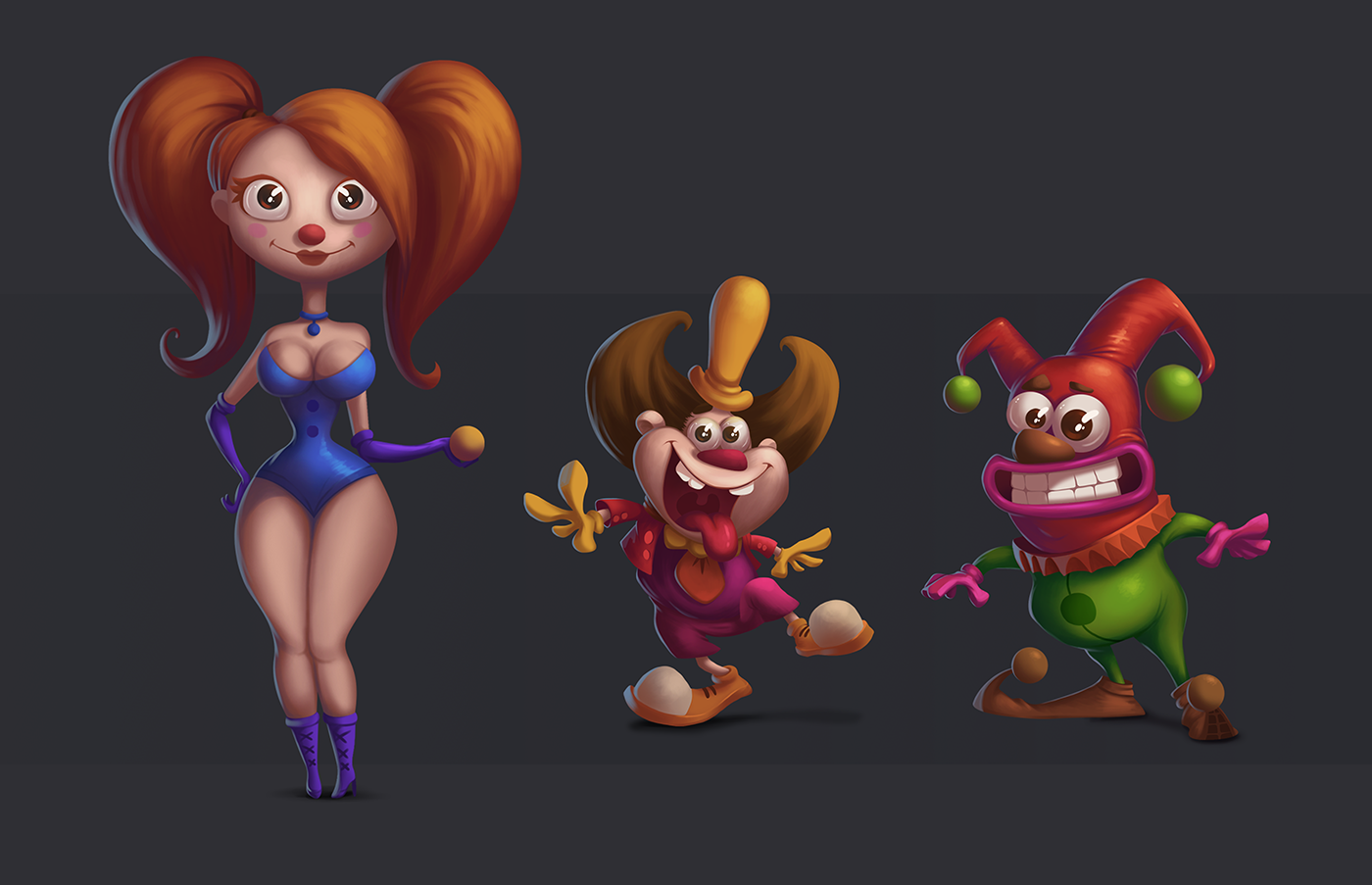
Flat vector characters are built from clean digital shapes, solid colors, and simple outlines.
The designs are easy to scale and adapt for animation, websites, applications, advertising, and branded content.
- Visual Characteristics: Flat shapes, clean outlines, simplified anatomy, limited shading, and modular body parts.
- Color Palette: Brand-based, bright, limited, and highly controlled.
- Mood: Modern, friendly, professional, and accessible.
- Best For: Explainer videos, advertisements, educational content, apps, and corporate animation.
- Production Notes: Efficient for rigging, asset reuse, and creating large numbers of characters.
- Examples: Corporate explainer characters, app illustrations, and modern brand mascots.
14. Pixel-Art Character Style
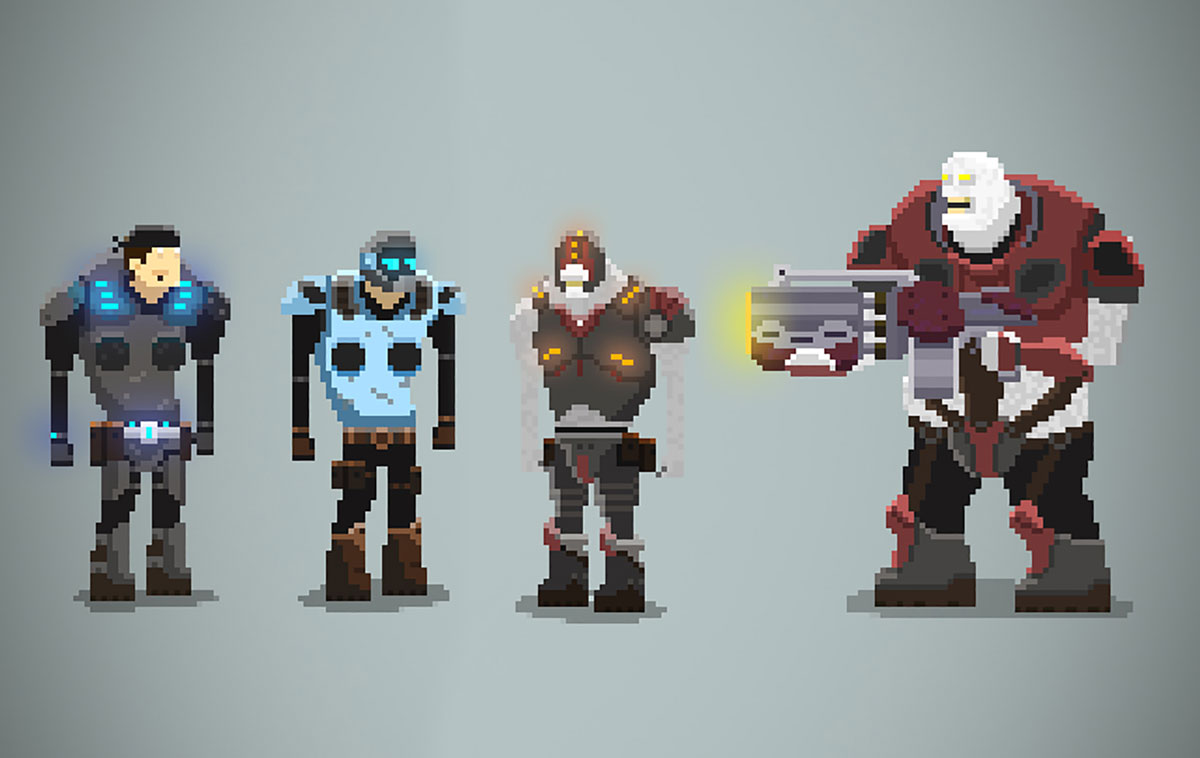
Pixel-art characters are designed using visible square pixels and limited resolutions.
Every pixel must contribute to the silhouette, expression, clothing, or animation. Pixel artists need to simplify the character while keeping it recognisable.
- Visual Characteristics: Block-based shapes, limited resolution, readable silhouettes, frame-by-frame animation, and simplified details.
- Color Palette: Limited colors inspired by classic hardware or modern retro design.
- Mood: Nostalgic, playful, game-focused, and energetic.
- Best For: Indie games, retro games, platformers, RPGs, and mobile projects.
- Production Notes: Lower resolution does not always mean less work. Creating smooth pixel animation requires careful frame design.
- Examples: Celeste, Stardew Valley, Dead Cells, Hyper Light Drifter, and Octopath Traveler.
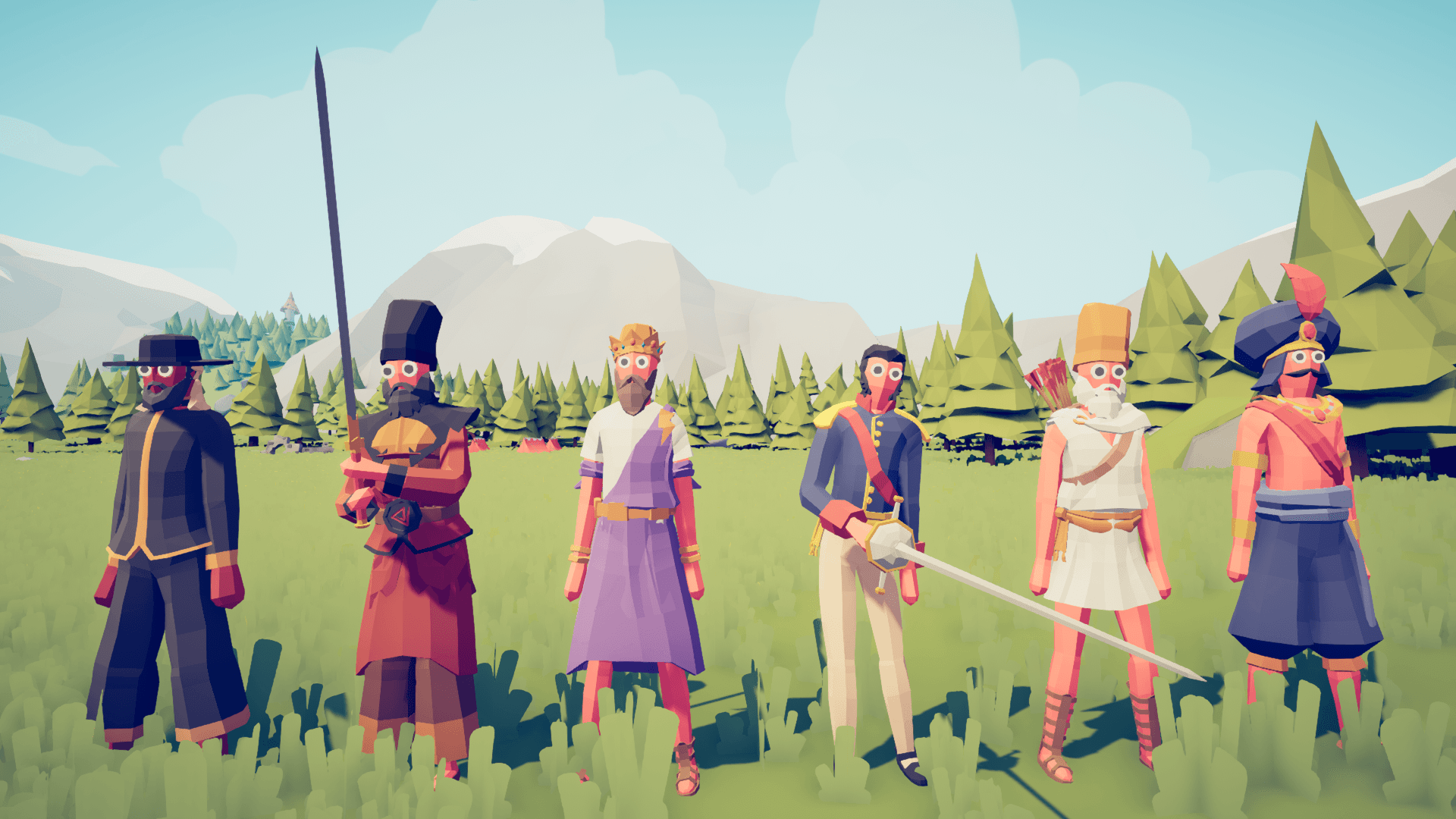
15. Low-Poly Character Art Style
Low-poly characters use a limited number of polygons to create simplified 3D forms.
Some low-poly characters intentionally display their faceted geometry. Others use smooth shading and textures to create a polished appearance while remaining performance-friendly.
- Visual Characteristics: Simplified geometry, angular forms, reduced details, clean silhouettes, and lightweight models.
- Color Palette: Flat colors, gradients, or simple stylised materials.
- Mood: Modern, artistic, playful, and minimal.
- Best For: Mobile games, VR games, indie games, simulations, and projects with large numbers of characters.
- Production Notes: Strong silhouettes and shape design are essential because small surface details are limited.
- Examples: Astroneer, Totally Accurate Battle Simulator, low-poly mobile games, and stylised VR experiences.
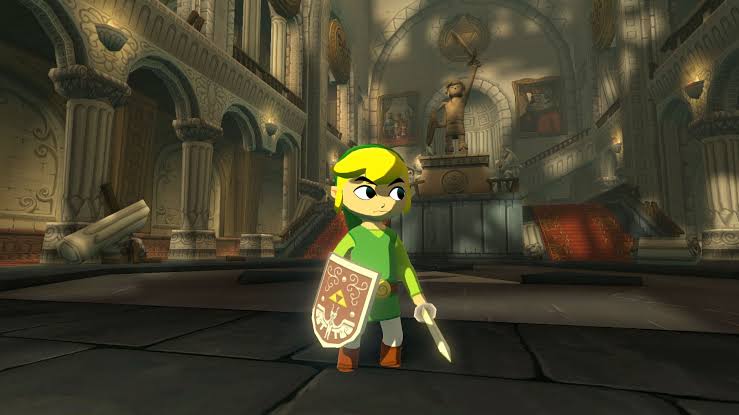
16. Cel-Shaded Character Art Style
Cel shading is a rendering method that makes 3D characters resemble 2D illustrations or anime.
Instead of smooth light transitions, cel-shaded characters use flat lighting zones, hard shadow edges, simplified highlights, and sometimes dark outlines.
- Visual Characteristics: Flat shadows, limited lighting levels, graphic highlights, clean outlines, and illustrated surfaces.
- Color Palette: Bold colors with clearly separated light and shadow areas.
- Mood: Graphic, energetic, stylish, and animated.
- Best For: Anime games, comic-book games, action games, and stylized 3D productions.
- Production Notes: The character model, textures, lighting, and shader must all support the same visual language.
- Examples: The Legend of Zelda: The Wind Waker, Guilty Gear Strive, Dragon Ball FighterZ, and Borderlands.
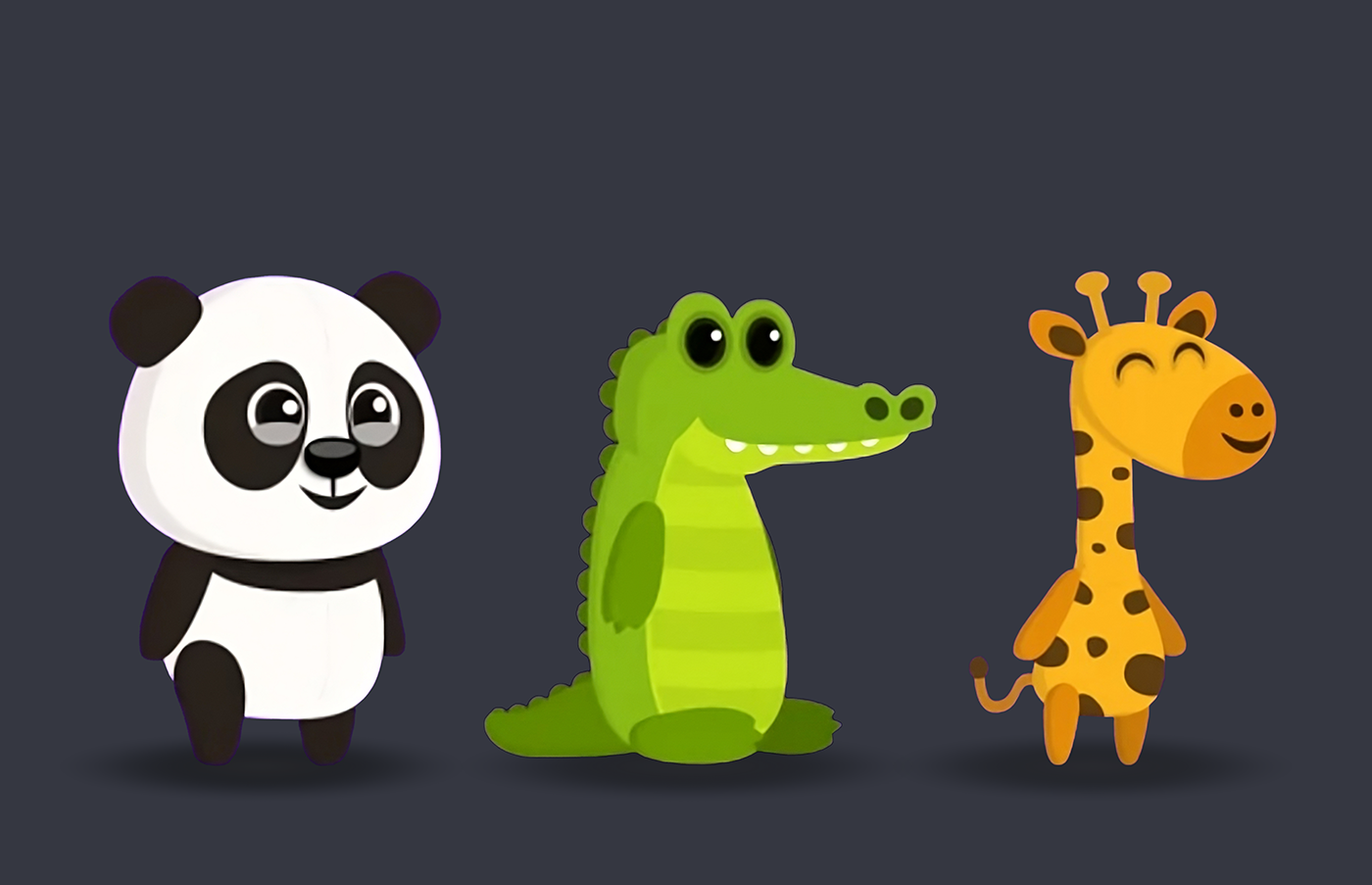
17. Minimalist Character Art Style
Minimalist characters use a small number of shapes, lines, and visual details.
The design focuses on immediate recognition rather than complex anatomy, clothing, or surface materials. Minimalist characters can still communicate strong emotions through posture, silhouette, and simple facial changes.
- Visual Characteristics: Basic shapes, limited facial features, clean silhouettes, and reduced detail.
- Color Palette: Monochrome or a limited number of flat colors.
- Mood: Clean, modern, calm, and direct.
- Best For: Mobile games, icons, instructional content, interface characters, and simple character animation services.
- Production Notes: Every shape must have a clear purpose because there are few details available to hide weak design.
- Examples: Simple mobile-game characters, icon-based mascots, social media content, and minimalist animated shorts.
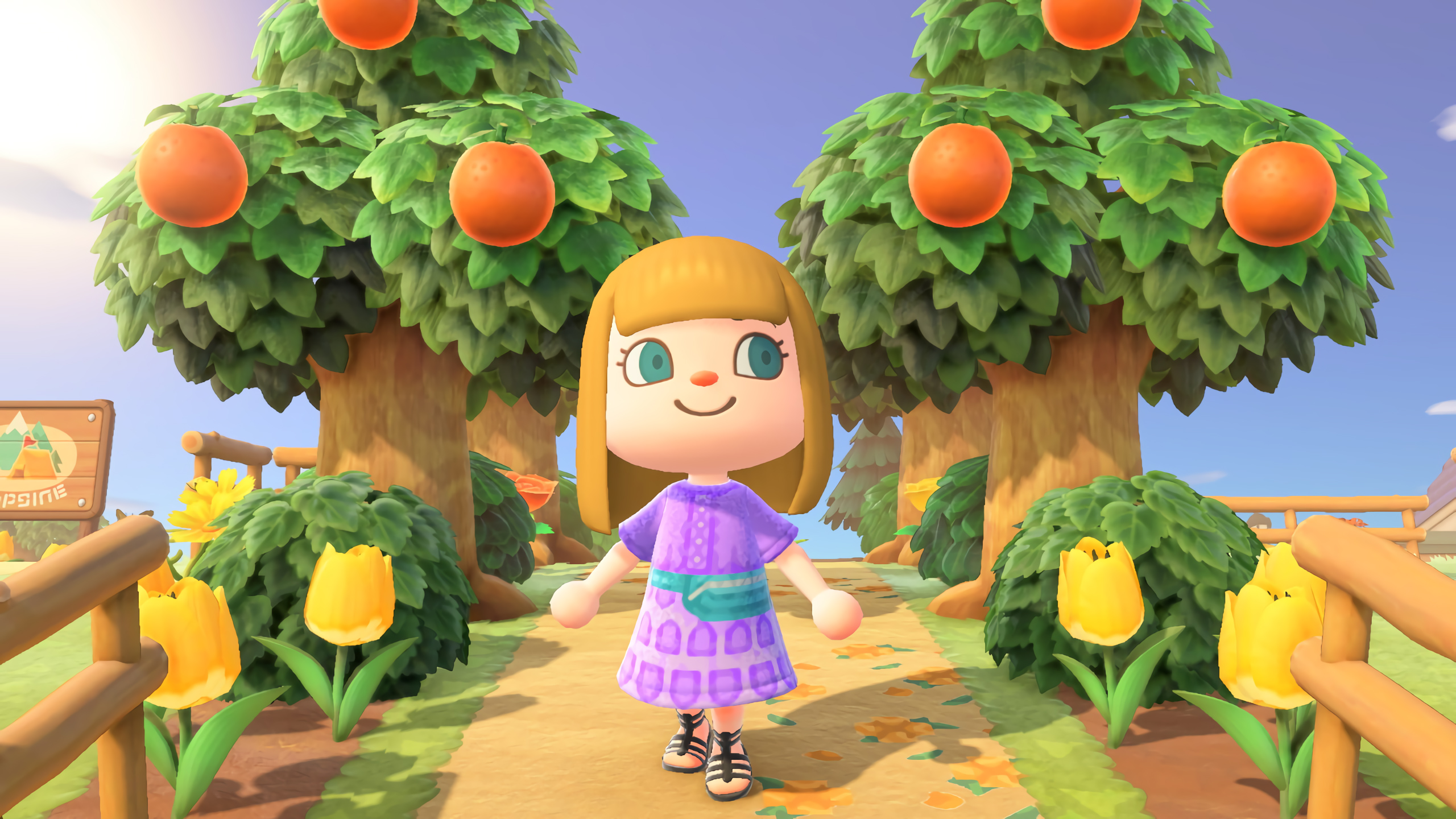
18. Cute and Casual Character Art Style
Cute and casual character design services are offered to appear friendly, appealing, and easy to understand.
They commonly use rounded silhouettes, large heads, small hands, simplified clothing, and positive expressions. The style is often used in games designed for broad or non-technical audiences.
- Visual Characteristics: Rounded shapes, large heads, soft features, simple clothing, and friendly expressions.
- Color Palette: Bright, pastel, warm, and highly approachable.
- Mood: Cheerful, relaxing, safe, and welcoming.
- Best For: Casual games, mobile games, children’s projects, social games, and brand mascots.
- Production Notes: Designs should remain readable on small screens and support many skins or costume variations.
- Examples: Animal Crossing, Fall Guys, Kingdom Hearts: Unchained χ, and many casual mobile game art.
How to Choose the Right Character Art Style
The right character art style should match the project’s audience, genre, platform, budget, and production requirements. Consistency becomes especially important when characters are used across multiple animated shots. In AI-assisted production, clear references for proportions, facial features, colors, clothing, and lighting help reduce visual changes between scenes. Our AI animation services combine these references with production workflows designed to maintain a consistent visual direction.
Consider these main factors while finding your unique art style:
- Target Audience: Use friendly, simple designs for younger or casual audiences and more realistic or detailed styles for mature audiences.
- Game or Story Genre: The style should support the project’s mood, whether it is humorous, dark, realistic, educational, or adventurous.
- Camera Distance: Close-up characters need more facial and texture detail, while distant characters need strong silhouettes and clear colors.
- Platform: Mobile and VR projects usually require optimized models, textures, and shaders, while PC and console projects can support more detail.
- Budget and Timeline: Realistic characters normally require more modelling, texturing, rigging, and animation work than simpler styles.
- Animation Needs: Consider facial animation, lip-sync, cloth, hair, combat movements, and exaggerated poses.
- Number of Characters: Large casts benefit from shared rigs, modular clothing, reusable animations, and controlled detail.
- Customization: Games with skins and equipment need flexible designs that support interchangeable assets.
- Visual Consistency: Characters should match the environments, UI, lighting, and overall art direction.
- Team Experience: Choose a style that the art and animation teams can produce consistently within the available schedule.
Read More: The Evolution of Video Game Graphics
How to Create a Consistent Character Art Style
A strong character style should remain consistent across every character in the project.
For creating a unique character art style, create a visual style guide that defines:
- Body proportions
- Head-to-body ratios
- Eye and facial construction
- Hand and foot sizes
- Line thickness
- Shape language
- Character color palette rules
- Texture density
- Material types
- Lighting and rendering
- Costume complexity
- Approved exaggeration levels
Common Character Art Style Mistakes
Mixing Incompatible Visual Rules
A project may feel inconsistent when one character has realistic anatomy while another uses extreme cartoon proportions without a clear narrative reason.
Hybrid styles can work, but the combination must follow intentional rules.
Adding Too Much Detail
More detail does not automatically create a better design. Small accessories, surface noise, and complex clothing can reduce readability and increase production costs.
Important design elements should remain visible from the game’s normal camera distance.
Ignoring Silhouette
A strong character should often remain recognisable when displayed as a solid black shape.
Weak silhouettes make it difficult to distinguish characters, classes, enemies, and abilities during gameplay.
Copying References Too Closely
References should help define anatomy, clothing, mood, and production quality. They should not be copied directly.
Successful character designs combine research with original shape language, personality, and storytelling.
Choosing a Style Only Because It Is Popular
Popular styles can attract attention, but they may not fit the project’s audience, gameplay, budget, or team.
A strong and consistent style is usually more valuable than following a temporary visual trend.
Pixune Studio Insights: How Pixune Develops a Character Art Style
At Pixune Studios, developing a character art style starts with understanding the project’s world, audience, and purpose. Our artists focus on creating designs that communicate personality while ensuring the characters work effectively for animation, games, and other production needs.
The process usually begins with exploring different visual directions, including shapes, proportions, colors, and design details. We consider factors such as character readability, silhouette, expressions, and how the design will perform across different poses and scenes.
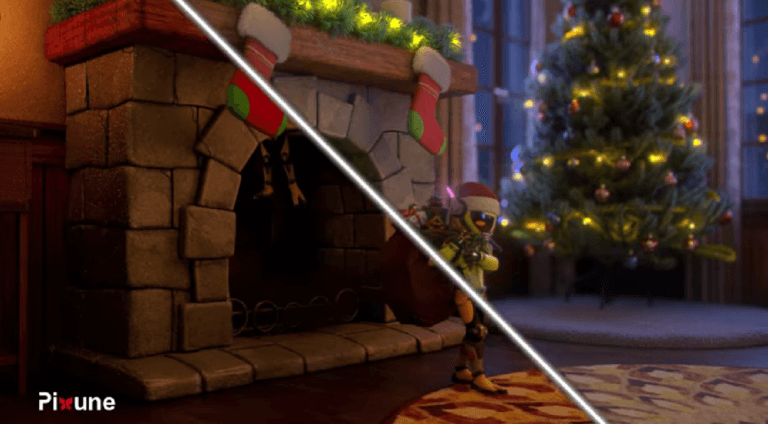
Example: Iron Robots Character Design
For Iron Robots, Pixune developed stylized robotic characters with distinct personalities and visual identities. The designs focused on combining mechanical details with appealing shapes and expressive features, creating characters that feel unique while remaining suitable for animation and interactive use.
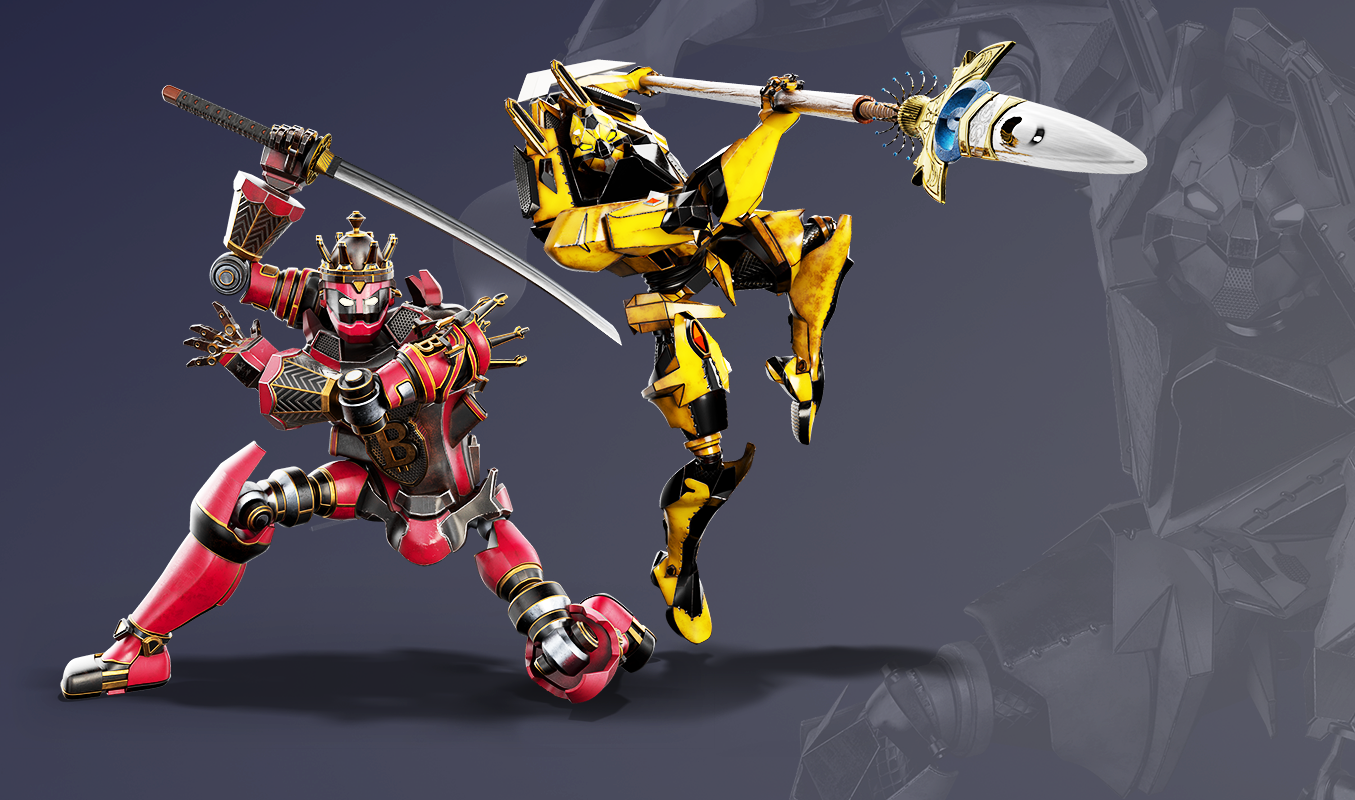
This project shows how character design requires balancing creativity with production considerations. A successful character style should not only look impressive but also support storytelling, movement, and consistency throughout the project.
Based on our experience creating characters for games and animation, we believe the strongest character styles are those that combine a memorable visual identity with practical production requirements.
Conclusion
Character art style influences much more than appearance. It affects gameplay readability, storytelling, animation, technical performance, marketing, and the entire production pipeline.
Realistic and hyperrealistic styles can create immersion but require significant time and resources. Stylized, cartoon, and anime characters can create strong visual identities while offering more flexibility. Low-poly, vector, and minimalist characters can support efficient production when designed carefully.