
3D animation has become popular because it allows creators to produce visually impressive, flexible, and highly detailed content for almost any industry. It can create realistic products, imaginary worlds, animated characters, technical demonstrations, and cinematic effects that would be difficult or impossible to film in real life.
Another major advantage is control. In a 3D production, artists can adjust the camera, lighting, materials, environments, and character movements without being limited by physical locations or filming conditions. Digital models and environments can also be reused in future videos, advertisements, games, and presentations.
These advantages have made 3D animation an important part of films, video games, advertising, product visualisation, architecture, education, healthcare, and industrial communication.
In this article, we explain why 3D animation is so popular, where it is commonly used, and when it may be the right choice for a project.
Why Is 3D Animation So Popular? 10 Key Reasons
3D animation has become a dominant force in entertainment, advertising, and digital media. Its popularity has grown due to its ability to create realistic visuals, immersive experiences, and dynamic storytelling that traditional 2D animation or live-action alone cannot achieve. From blockbuster films to video games and commercials, 3D animation services allow creators to bring imaginative worlds and characters to life in ways that captivate audiences across the globe.
1. 3D Animation Creates Visually Impressive Experiences
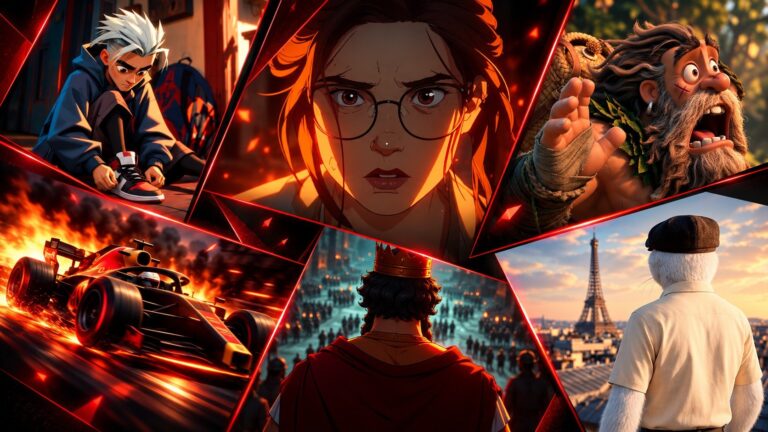
One of the main reasons for the popularity of different types of 3D animation is its visual impact. Three-dimensional scenes can include realistic depth, lighting, shadows, textures, reflections, and camera movement.
These elements help create immersive experiences that attract attention and keep viewers engaged. 3D animators can produce detailed characters, large fantasy environments, realistic machinery, product demonstrations, and cinematic visual effects.
The camera can also move freely through a digital scene. It can pass through objects, fly above an environment, enter a machine, or show a product from an angle that would be difficult to capture with a physical camera.
This makes 3D animation particularly valuable for films, commercials, product animations, game trailers, and technical animations where visual clarity and impact are important.
2. It Can Look Realistic or Highly Stylised
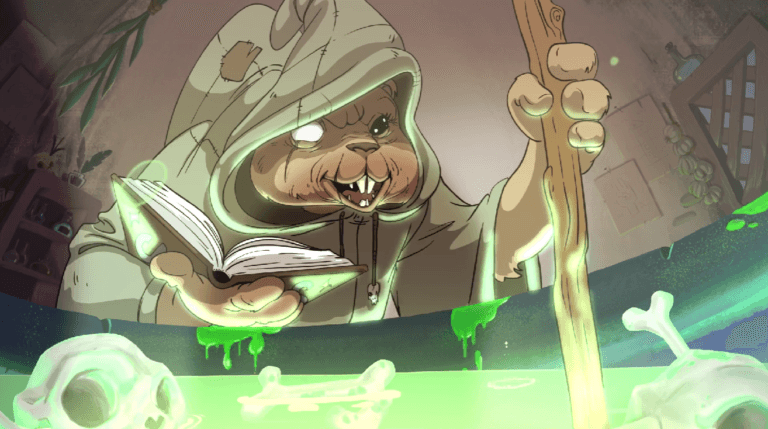
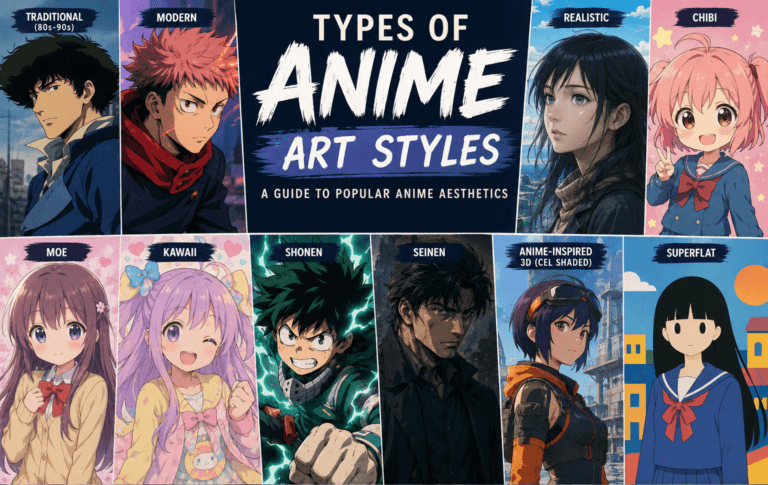
3D animation is not limited to photorealistic visuals. It can support many different art directions and cartoon styles, including realistic, low-poly, cel-shaded, anime-inspired, clay-like, minimalist, and abstract styles.
This flexibility allows creators to choose a visual direction that matches the project’s message and audience.
For example, a technology company may use realistic materials/textures and lighting to present a new product. A children’s brand for a kid’s animation may choose colourful cartoon characters with exaggerated proportions. A video game trailer may combine realistic environments with stylised characters and visual effects.
Because 3D animation can adapt to many visual styles, it is suitable for both serious and entertaining content.
3. It Is Widely Used in Films and Television
Films and television have helped make 3D animation familiar to audiences around the world.
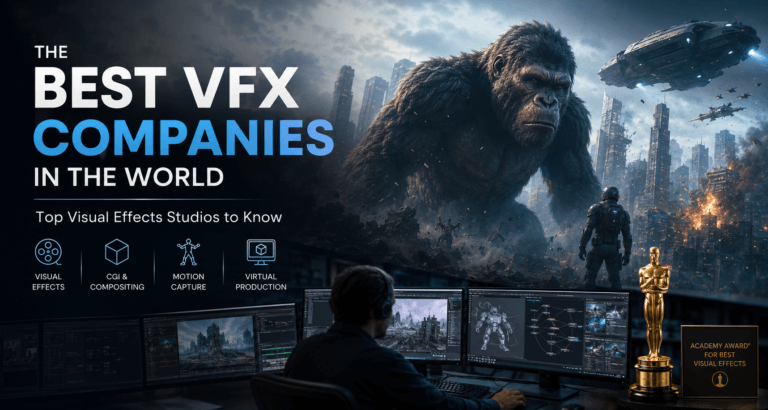
Fully animated films use 3D modeling services for characters, environments, props, lighting, effects, and camera movement. Live-action productions also use 3D animation to create digital creatures, imaginary locations, dangerous action scenes, large crowds, vehicles, and environmental effects.
This allows filmmakers to show events that would be too dangerous, expensive, or physically impossible to produce on set.
For example, 3D animation can be used to create a fantasy city, simulate a building collapse, show a fictional creature, or extend a physical film set into a much larger digital environment.
As audiences have become more familiar with these visuals, expectations for high-quality 3D content have also increased.
4. It Is Essential to the Video Game Industry
Video games are another major reason why 3D animation has become so popular.
In 3D game art, characters, creatures, weapons, vehicles, and environments are created as digital models. Characters are then rigged and animated so they can walk, run, fight, speak, react, and interact with the game world.
Unlike animation created for films, game animation must often respond instantly to the player. A character may need to change direction, interrupt an attack, switch weapons, or transition between different movements at any moment.
This requires animation systems that are visually appealing but also responsive and technically efficient.
3D animation is also used in game cinematics and trailers. Different types of game trailers help introduce the story, promote the game, present characters, and create excitement before release.
5. It Helps Brands Present Products More Clearly
There are many advantages of 3D visualization that make different industries use them. Companies use 3D animation because it allows them to present products in a clean, controlled, and visually attractive way.
In 3D product visualization services, a product can be rotated, opened, separated into parts, or placed inside a fully digital environment. Its materials, colours, labels, and internal components can be shown clearly without requiring a physical studio setup.
This is especially useful when the product is still being developed or has not yet been manufactured. A company can create a commercial or presentation using design files and accurate product references before the final product becomes available.
3D animation can also demonstrate how a product works. It can show the movement of internal parts, explain the assembly process, compare different versions, or highlight important features.
This level of control is one reason 3D product animation is widely used in technology, manufacturing, healthcare, automotive marketing, and consumer advertising.
6. It Makes Complex Ideas Easier to Understand
Some subjects are difficult to explain through text, photography, or live-action footage. 3D animation can make them easier to understand by showing each stage of a process visually.
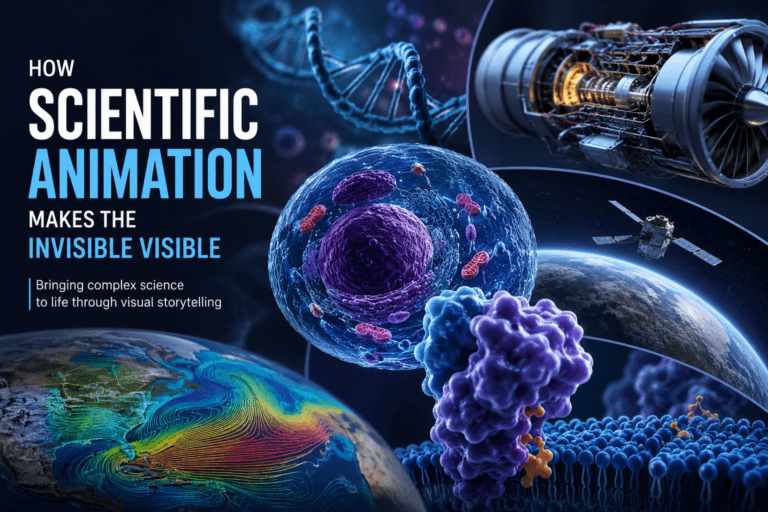
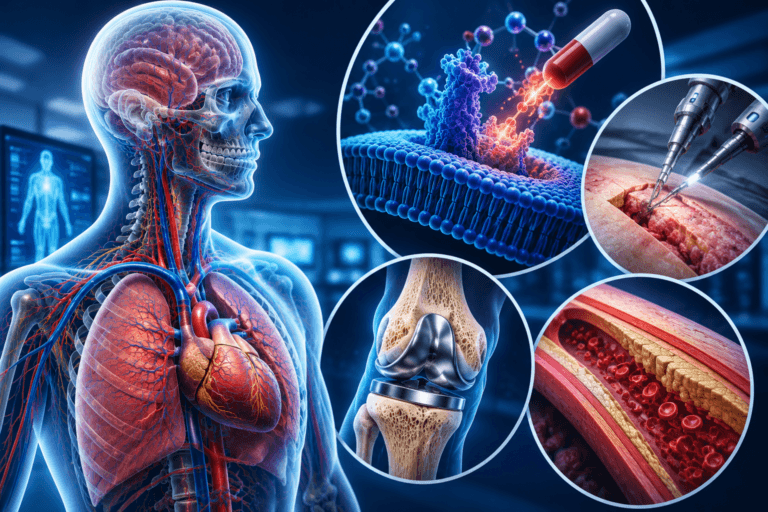
For example, 3D industrial animation services can demonstrate how materials move through a machine. A medical animation can show how a treatment affects the human body. 3D architectural animation services can guide viewers through a building before construction begins.
Artists can make objects transparent, remove external covers, enlarge small components, or move the camera inside a system.
This makes 3D animation particularly useful for explaining machinery, manufacturing processes, medical procedures, scientific concepts, engineering systems, and construction projects.
Instead of asking viewers to imagine a complex process, 3D animation allows them to see it directly.
Read More: Benefits of 3D Modeling in Engineering
7. It Gives Creators More Visual Control
Live-action filming depends on many physical conditions, including locations, actors, weather, lighting, props, equipment, and camera access.
3D animation gives the production team more control over these elements. The camera angle, lighting direction, material appearance, character movement, environment, scale, and timing can all be adjusted digitally.
A production team can change the time of day, modify a character’s clothing, replace a material, or create a new camera angle without rebuilding the entire scene.
However, this flexibility does not mean 3D animation is always quick or inexpensive. High-quality animation services still require planning, design, modelling, rigging, texturing, lighting, animation, rendering, sound, and quality control.
The advantage is that creators have fewer physical restrictions and can make precise changes throughout the 3D animation production pipeline.
8. Digital Assets Can Be Reused
A major business advantage of 3D animation is the ability to reuse digital assets.
Once a character has been modelled, textured, and rigged, it may be used in multiple advertisements, episodes, trailers, social media animated videos, or interactive experiences.
The same applies to product models, environments, props, vehicles, materials, and animation cycles.
For example, a company may create a 3D brand mascot for one commercial and later reuse it for marketing, website videos, social media posts, presentations, seasonal campaigns, and product launches.
A product model can also be updated when the packaging, colour, label, or materials change.
The initial asset creation may require significant time and investment, but properly prepared assets can make future production more efficient.
9. Technology Has Made 3D Animation More Accessible
3D animation was once mainly available to major film studios and large game art studios. Today, more independent artists, agencies, and smaller production teams can use professional 3D animation software and rendering tools.
Modern workflows may include digital sculpting, motion capture, procedural animation, rendering techniques, character libraries, physics simulation, and real-time engines.
Real-time rendering has been especially important because it allows artists to preview lighting, materials, animation, and environments more quickly. This can make experimentation and creative decision-making more efficient.
Online education and digital asset marketplaces have also made it easier for artists to learn new techniques and access production resources.
AI animation tools do not replace artistic or technical expertise. Successful 3D animation still requires experienced 3d artists and a structured production process. However, technology has increased access and expanded the range of projects that can use 3D animation.
10. Audiences Are Familiar With 3D Content
People now regularly see 3D visuals in films, games, advertisements, websites, mobile applications, product launches, and social media.
This has made 3D animation a familiar visual language. Viewers understand digital camera movements, animated products, virtual environments, and stylised 3D characters without needing additional explanation.
Familiarity also creates higher expectations. Audiences are less likely to be impressed by 3D animation simply because it is three-dimensional. The content still needs a strong idea, clear art direction, effective storytelling, and polished execution.
The most successful 3D animation uses its technical possibilities to communicate something clearly rather than adding unnecessary visual complexity.
Where Is 3D Animation Most Commonly Used?
3D animation is used across many industries. In film and television, it is used for fully animated productions, visual effects, creatures, environments, and title sequences. In video games, it supports character movement, combat, gameplay interactions, cinematics, and trailers.
Advertising agencies use 3D animation to present products, build brand worlds, and create visuals that cannot be filmed. Architects and property developers use it to show buildings and interiors before construction is complete.
Industrial companies rely on 3D animation to explain machinery, manufacturing processes, maintenance, and safety procedures. Healthcare and scientific organisations use it to visualise anatomy, medical treatments, and complex research.
It is also used in training and simulation when real-world practice would be expensive, dangerous, or difficult to organise.
Is 3D Animation More Popular Than 2D Animation?
3D animation is more common in certain industries, but it has not replaced 2D animation.
3D is particularly important in video games, product visualisation, architectural presentations, film visual effects, industrial animation, and realistic simulations.
Types of 2D animation remain popular in anime-inspired videos, television cartoons, explainer videos, motion graphics, mobile games, educational content, and social media.
The right choice depends on the project’s message and visual direction. A 2D style may be more suitable for illustrative, graphic, or handmade content. A 3D style may work better when the project requires depth, product accuracy, realistic movement, flexible cameras, or reusable digital assets.
Many productions combine both methods and use hybrid animation. A project may use 3D characters with 2D visual effects, hand-drawn textures, or cel-shaded rendering.
Read More: 2D Animation vs 3D Animation Production Cost
2D Animation vs. 3D Animation vs. Live Action
| Factor | 2D animation | 3D animation | Live action |
|---|---|---|---|
| Visual depth | Created through drawing and composition | Built naturally into the digital scene | Captured from physical reality |
| Camera flexibility | New angles may require redrawing | Cameras can move freely inside the scene | Limited by locations and equipment |
| Asset reuse | Possible with rigs and reusable artwork | Strong reuse potential for models and environments | Usually limited to existing footage and sets |
| Product presentation | More illustrative | Suitable for accurate product visualisation | Requires access to the physical product |
| Internal processes | Can explain them graphically | Can show detailed internal systems | Often difficult to film |
| Major revisions | May require redrawing | Assets can often be modified and re-rendered | May require reshooting |
| Best use | Graphic and illustrative content | Dimensional, technical, and immersive content | Human performance and real-world authenticity |
None of these formats is universally better. The most effective option depends on the audience, creative direction, timeline, budget, and communication goal.
When Should a Business Use 3D Animation?
3D animation is used across many industries. A business should consider 3D animation when the subject cannot be presented clearly through normal filming.
This may include presenting a product before manufacturing, showing internal components, explaining technical processes, visualising an architectural project, or demonstrating situations that are dangerous or inaccessible.
It can also be a strong choice when the company needs reusable characters, environments, or product assets for a long-term content campaign.
The decision should be based on what the animation needs to communicate rather than using 3D simply because it appears modern.
When Is 3D Animation Not the Best Choice?
3D animation may not be necessary when a message can be communicated more effectively through simple motion graphics, illustration, photography, or live action.
Live action may be stronger when real people, interviews, or authentic customer experiences are central to the message. A 2D style may be more suitable when the project needs a handmade, graphic, or highly illustrative appearance.
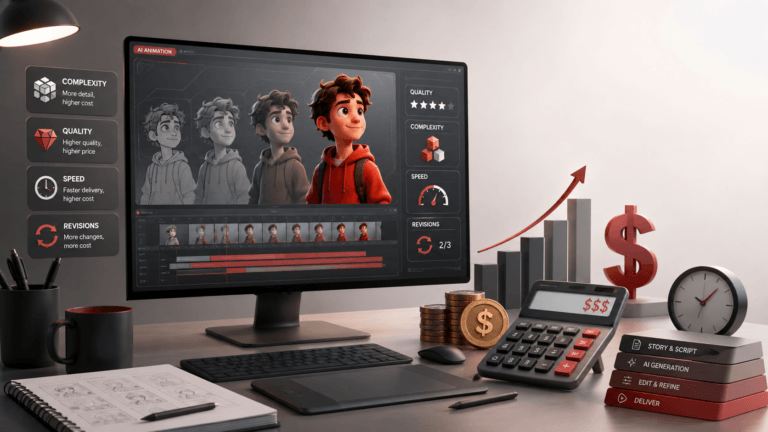
The available 3D animation budget and production schedule should also be considered. A complex 3D project with insufficient time or resources may produce weaker results than a simpler format executed at a high level.
Will 3D Animation Continue to Be Popular?
3D animation is likely to remain important as digital content becomes more interactive and immersive.
Real-time engines, virtual production, digital products, interactive experiences, game cinematics, online training, and architectural visualisation continue to create demand for three-dimensional content.
The tools and production methods will continue to change, but the main advantages of 3D animation remain valuable. It gives creators depth, flexibility, reusable assets, and the ability to visualise things that do not yet exist or cannot be filmed.
Conclusion
3D animation is popular because it combines strong visual impact with creative and technical flexibility.
It can create realistic or stylised worlds, explain complex systems, present products, support interactive games, and show events that would be impossible to capture through traditional filming.
Its success, however, depends on more than technical quality. Effective 3D animation needs a clear concept, suitable art direction, readable movement, strong storytelling, and a visual style that matches the audience.
The best 3D animation is not always the most detailed. It is the animation that communicates the idea clearly and uses its three-dimensional possibilities for a specific purpose.


![1405,02,10 SnpLE[Cover HD] 1](https://pixune.com/wp-content/uploads/2026/08/14050210-SnpLECover-HD-1-768x431.jpg)